Posted on

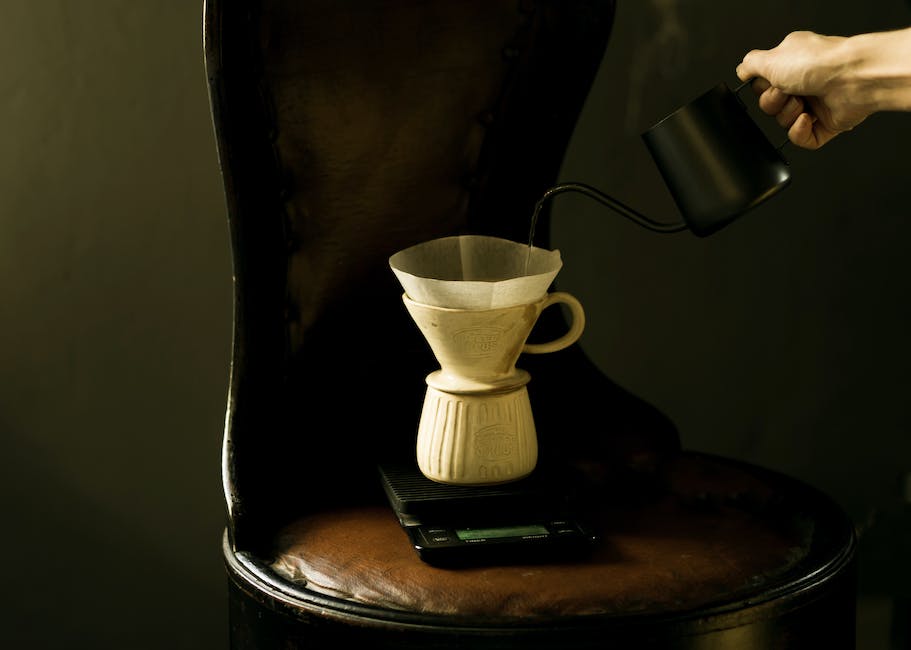
Brew great coffee with the Moccamaster coffee maker

Moccamaster Coffee Maker: Brew Perfect!
Translate this into Swedish: Moccamaster coffee maker precision durability kitchen perfect cup of coffee optimal water temperature exact amount of coffee regular cleaning descaling steps common mistakes Moccamaster coffee lover's dream.

“With a Moccamaster coffee maker, every coffee moment is transformed into a symphony of flavor and aroma – a celebration of perfect brewing.”

Meet your new moccamaster coffee maker

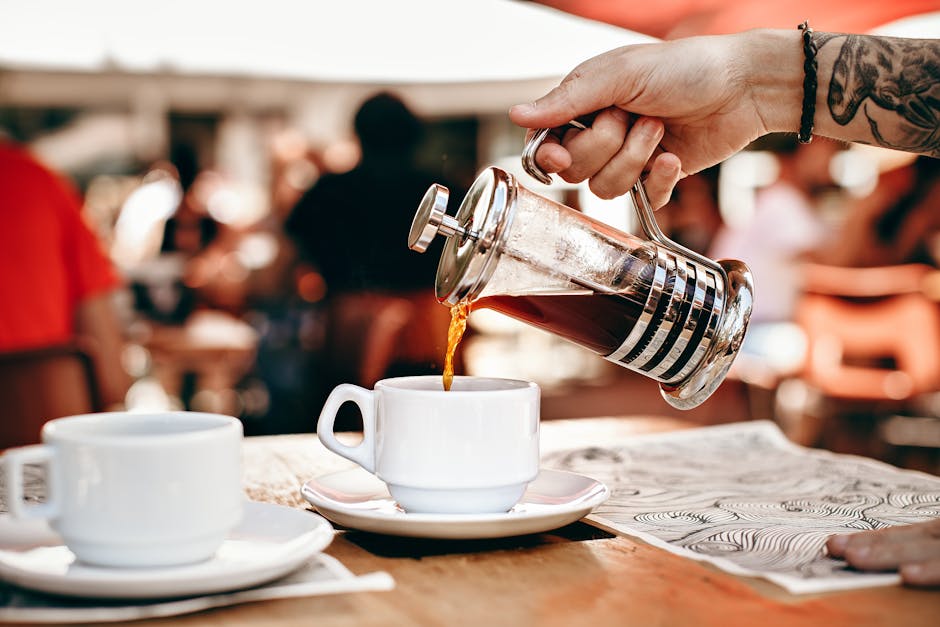
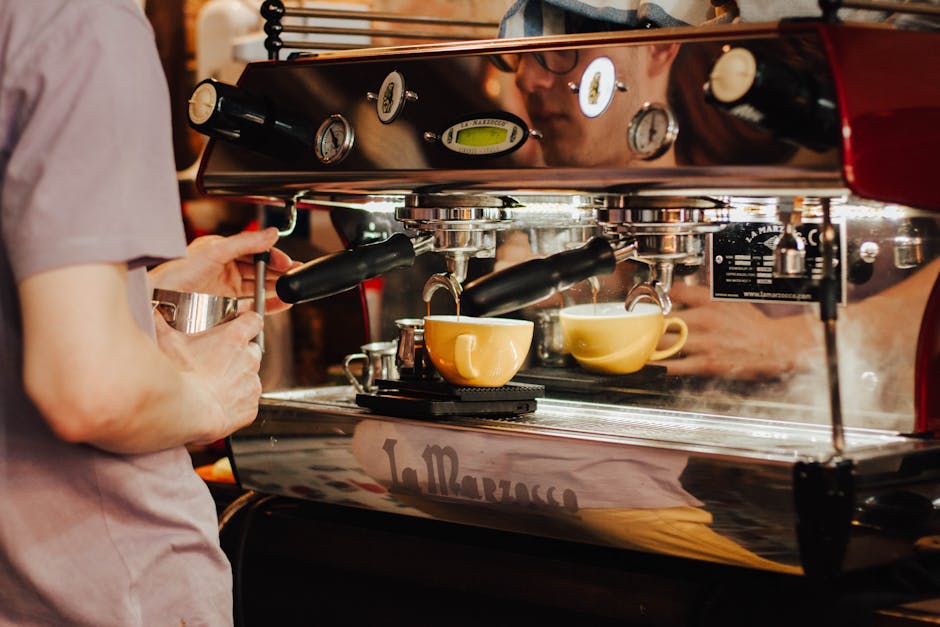
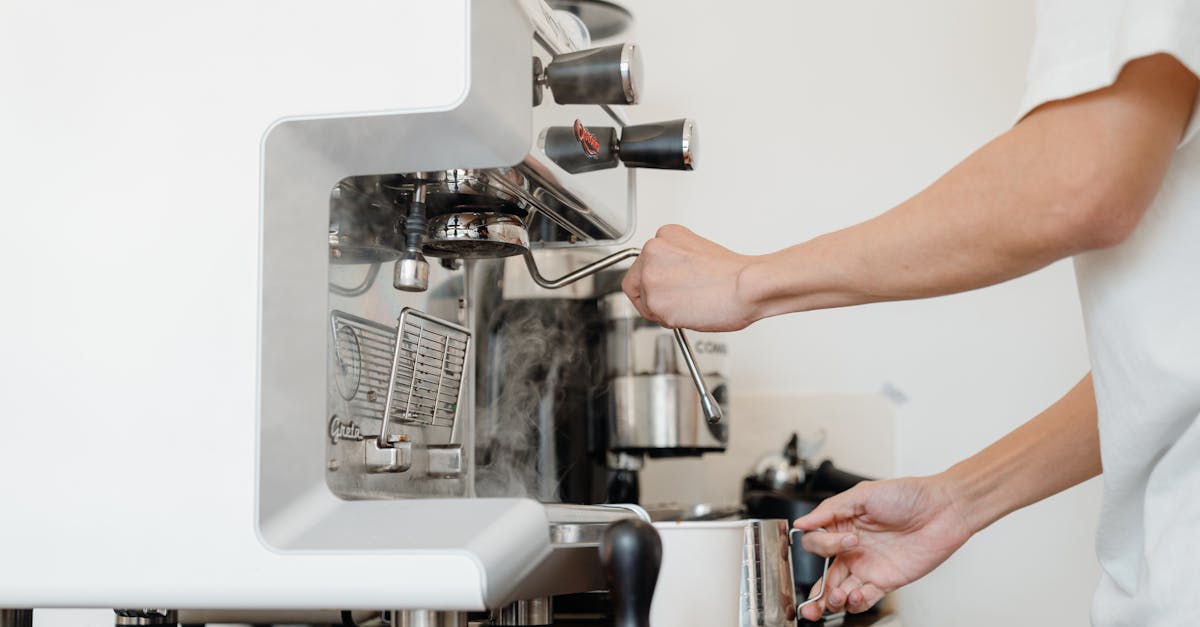
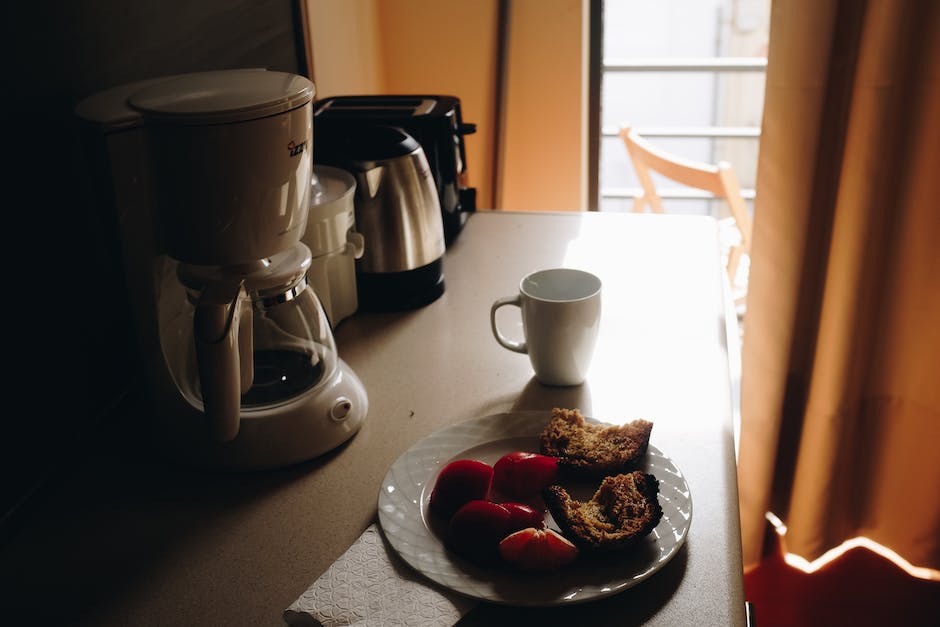
Put out the welcome mat and prepare your taste buds, because we’re introducing a star player in the kitchen: the Moccamaster coffee maker! Known for its accuracy and durability, the Moccamaster is the coffee connoisseur’s best friend and the ornament of the home. Let’s dive into the experience of capturing the day with the first brew of coffee so divine that even the sun must take note.

I remember the day I picked up my very own moccamaster. It sat there on the kitchen counter like a masterpiece, and my expectations were sky high. Could this be the solution to my coffee woes and the first step towards a perfect morning ritual? Spoiler: It definitely was!

The basics of coffee brewing with Moccamaster

Every artistic craft requires its cornerstones, and when it comes to making coffee with a Moccamaster, they are as sacred as the seven wonders. Firstly, water quantity and quality; it’s like choosing the finest oil for your Ferrari. The right amount? Play with the numbers and note that 60 grams of coffee per liter of water is the magic formula for taste that makes you cheer in ecstasy.

Weighing brewed coffee is not only a must, it is a meditation session where the balance between measure and pleasure becomes clear. And before we even start our brewing journey, let’s talk about the coffee filter. To avoid dull and woody side flavors, keep the white, oxygen-bleached paper filter far away from the coffee cup.

Cold and clear – the role of water in your coffee experience

Don’t forget the water! Use clean, fresh tap water and let it bubble for a few seconds to bring it to life. The cold water, so vital to your perfect brew, is just like your favorite song – indispensable for that top note of satisfaction.

When your Moccamaster heats up to the ideal brewing temperature of 92-96 degrees Celsius, that’s when magic happens. Because it’s in that range that the rich flavors of coffee take shape and dance happily into your cup.

The little extra for a perfect coffee cup

What’s a coffee cup without that little something extra? Tip number one: warm up the brewer or jug. It’s like a warm hug for your coffee. And when your brewing work is complete? Preheat a thermos to keep your coffee at the perfect temperature for as long as possible – because we don’t want cold coffee, right?

A fresh start every time

We live for the fresh start, the new beginning, and in the world of coffee, that means a beautiful package of freshly ground beans stored in an airtight container. Do this within two weeks, and your morning will thank you and offer magical coffee aromas at dawn.

Common mistakes to avoid

Making coffee with a Moccamaster can be like a craft, and just like any other craft, there are pitfalls. The wrong amount of coffee, using a faded filter that tastes worse than an uninvited guest, and neglecting to descale – these are mistakes that can turn your dream cup into a nightmare.

A clean Moccamaster is a happy Moccamaster

Love and cleanliness go hand in hand, especially when it comes to your Moccamaster. Regular cleaning and descaling – every 40 brews if you have hard water – is what keeps the cloudiness away and ensures your coffee continues to shine.

From the first click to the last drop

Mastering the art of brewing coffee with your Moccamaster is like learning a beautiful dance. From the first click of the power button to the very last drop landing in the jug, every step is critical. Take control, avoid mistakes – e.g. that the filling is done with the water jug and not the glass jug – and you end up being your own brewmaster.

Get to know your Moccamaster coffee maker

There’s a lot to explore with a Moccamaster. So put on your scientist hat and embark on a scientifically delicious journey of learning and discovery. Try different settings and quantities, but above all: enjoy the process!

How to maintain your Moccamaster for long-lasting enjoyment

Enjoyment, dear coffee lovers, is about the long term. To be able to wake up every morning to a working and sparkling clean tool for your coffee ritual. Take care of your Moccamaster with love, and it will bring you days of joy and mornings of enlightenment.

Lime is the enemy of coffee

Lime is the villain of our tale, the arch-enemy of the coffee maker that tries to ruin our enjoyment. Stand up to evil with regular descaling and cleaning. Not only does it give your Moccamaster a longer life, but it also gives your coffee the respect it deserves.

Take your interest in coffee to new heights

A Moccamaster gives you the chance to fly high, to refine the experience and to never settle for less than the best. We encourage you to dare to explore, hone and nerd out on your brewing techniques. The sky – or better said – the cup is the limit!

High quality coffee brewing equipment for the ultimate coffee experience

FAQ – Brew great coffee with the Moccamaster coffee maker

How much coffee should I use per liter of water for best results?

To achieve the best possible taste with your Moccamaster coffee maker, you should use 60 grams of coffee per liter of water. This is the recommended amount to obtain a rich and well-balanced coffee.

What type of coffee filter should I use to avoid off-flavors?

It is best to use a white, oxygen-bleached coffee filter when brewing with the Moccamaster. These filters minimize the risk of unwanted off-flavours that could otherwise be transferred to the coffee from other types of filters.

What is the best water to use when brewing with my Moccamaster?

Use clean, cold water to brew the coffee and let the tap water run for a few seconds before use to ensure it is fresh and the temperature is correct. This gives you the best starting point for a perfectly brewed cup of coffee.

How often should I descale my Moccamaster?

If you have hard water, you should descale your Moccamaster at least every 40 brews to prevent limescale build-up, which can affect both the functioning of the machine and the taste of the coffee. Regular descaling is necessary to keep your coffee machine in top condition.

How should I store my coffee to keep it fresh?

To preserve the freshness and aroma of the coffee, opened coffee packs should be stored in an airtight container. It is best to consume the coffee within 2-3 weeks after opening to guarantee a fresh and perfect coffee experience every time.

High quality coffee brewing equipment

Photo by Moccamaster

Photo by Madison Inouye on Pexels

Photo by lil artsy on Pexels

Continue reading

Posted on

From wood to trend – the history of the coffee cup

The History of the Coffee Cup – From Wood to Trend
trendy sustainable coffee mug design

“In the simple yet elegant form of each coffee cup, centuries of tradition and innovation are reflected – from its woody origins to today’s trendy accessories. The cup’s journey is a story of culture, craftsmanship and the universal pleasure of enjoying a good cup of coffee.”

A cup with history

Long before any cool hipster filled an ink mug with sophisticated coffee creations, the humble coffee cup already had its place in history. We’re talking about the time when every trend was a thousand years away from being Instagram-worthy. Think back to Neolithic times, where early civilizations crafted mugs from wood, clay and metal. These mugs served several purposes, but one thing is certain – someone might have drunk their first cup of coffee from one.

Legendary Kaldi, the Ethiopian goat herder who lived around 850 AD, may have been the first to make coffee from coffee beans. His discovery may have started a coffee culture that then spread across the world.

The potter’s turning hands

When the potter’s wheel came spinning onto the scene around 4500 BC, it had an unexpected effect on the design of coffee cups. It wasn’t just functionality that dictated a cup made of clay. The supply of clay is almost unlimited. And by extension, clay gave rise to ceramics. And that’s where you can really start talking about a coffee cup.

The Minoans of Crete took pottery to a level below the Bronze Age. They created pottery so fine that it would make any modern artist drop their brush.

The aesthetic signature of the Iron Age

Draw a line to the Iron Age and boom, there you have it – coffee cups became a status symbol with aesthetic signatures that would make any minimalist nervously nibble on their interior design catalog. It was no longer just a mug, it was a work of art, designed to be enjoyed with the eyes as much as with the mouth.

The golden age of coffee

The 15th century saw the beginning of what we might call the age of coffee. Now drinking was spreading in earnest. And with each new area came a new style of mug. Persia, the Ottoman Empire, North Africa, to the coffee houses, qahveh khaneh, in the Middle East.

Coffee then swept into Europe in the 16th century, where it was met with an innovation as groundbreaking as the first iPhone: the cup was given a handle.

When the handle took hold of Europe

The handle changed coffee drinking in the 17th century. It was like discovering that your mug can also work as a fashion accessory. It was that touch that allowed you to visit the coffee houses without burning your fingers. Practical, stylish and totally, totally… revolutionary!
The future of mass production

Fast forward to the 18th century, and the industrial revolution shattered the personal touch with the great leap of mass production. A tsunami of coffee cups was created, flowing in all possible and impossible shapes, sizes and decorations.

And then came the 19th century, when every household wanted its own specially designed coffee cup to flaunt. From royal palaces to the bourgeois middle class, the coffee cup was there and it was here to stay.

A mug for every modern home

Each style era was reflected in the curves and contours of the modest coffee cup.

During the tumultuous 20th century, the coffee mug saw the world. And the world saw it. With franchise chains starting to brand their logos on travel mugs and thermos cups with secure lids, the cup became not only a necessary part of everyday life, but also a strong brand.

Coffee is now grown in over 70 countries and the coffee cup has become an icon.

On talk show couches, offices or in trendy cafes, the coffee cup has survived all sorts of fashion trends. Café culture exploded and the coffee cups there were more than just containers; they became the silent witnesses to business ideas, breakthroughs, love stories and the deepest philosophical discussions.

The modern approach to sustainability

The coffee cup also sets the trend when it comes to our environmental awareness. Bamboo, stainless steel and other eco-friendly materials are now taking over the scene. This thing is not a one-hit wonder but has legs to stand on for generations to come. Today’s cups need to be cool, sassy and able to keep from kicking the earth.

Product design these days means not only creating something that looks good, but something that also cares for our planet.

So ditch the disposable cups and get a reusable coffee mug instead. Not only are they smarter for your wallet, but they also high-five the planet. From innovative materials to today’s smart mugs that keep your coffee hot and your conscience cold. This is trendsetting at the sustainability level.

The coffee cup – more than just a container

Tracing a common thread through the history of the coffee cup is like leafing through an illustrated encyclopedia of human creativity. From Kaldi and his dancing goats to King Louis XV’s coffee plantations in Versailles, the cup is a symbol of culture, art and ingenuity.

In today’s society, the coffee cup is a bridge between past and present.

Every time you grab that cup and feel the warmth spreading, remember that you are holding a piece of history. The coffee cup is the bearer of history that has seen empires rise and fall. It has witnessed revolutions. More than just a container – a whole adventure engulfed in ceramics.

FAQ – From wood to trend – the history of the coffee cup

Who was Kaldi and what did he have to do with the coffee?

According to legend, Kaldi was an Ethiopian goat herder who discovered coffee around 850 AD. He observed that his goats became lively after eating coffee berries and decided to try them himself. His discovery laid the foundations for a culture of coffee drinking that later spread across the world.

How have coffee mug designs changed throughout history?

The design of coffee mugs has evolved continuously to reflect the cultural and artistic trends of the eras. From the first simple mugs made of wood, clay or metal to the exquisite ceramics of the Minoans and the handled cups of 17th century Europe, each design phase has had its unique aesthetic and functional signatures.

What role did the potter’s wheel play in the production of coffee cups?

The potter’s wheel, invented around 4500 BC, had a major impact on the production of coffee cups. It allowed for more advanced and homogeneous shapes, improving both the functionality and aesthetics of the coffee cup design. This was significant for the development of the art of pottery, which in turn led to the production of the first true coffee cups.

When did coffee cups in Europe get handles and why was it revolutionary?

In the 17th century, handled coffee cups made their way into Europe, which was a revolutionary change. The handle allowed people to hold hot cups without burning themselves, making coffee drinking more practical and the coffee cup a stylish accessory in the social context of coffee houses.

How do coffee cups contribute to sustainability issues today?

Modern coffee cups reflect increasing environmental awareness through the use of sustainable materials such as bamboo and stainless steel. Reusable cups reduce the environmental impact of single-use plastics and contribute to a more environmentally friendly consumer culture. They represent a trend where product design is not only focused on aesthetics but also on the well-being of the planet.

Photo by Bianca Gasparoto on Pexels

Photo by Andrea Piacquadio on Pexels

Photo by Lisa Fotios on Pexels

Continue reading

Posted on

Neutral, acidic and alkaline water: how does it affect the taste of coffee?

How does alkaline water affect the taste of coffee?
pictures of coffee brewed with neutral water

“Behind every cup of coffee lies a secret – alkaline water, the key to a harmonious taste experience.”

Neutral, acidic and alkaline water: how does it affect the taste of coffee?

Alkaline water and its impact on coffee taste

Understanding how alkaline water affects coffee flavor can be a bit tricky as there are many factors at play. Your favorite coffee may taste heavenly when brewed with neutral water, but with alkaline water it can be a completely different experience. It is simply a matter of chemical balance and how the individual flavor components of the coffee react to the pH of the water.

What is alkaline water?

To start with the most basic – alkaline water is water that has a pH level that is above 7. The higher the value is above 7, the more alkaline the water is. And what is pH? Yes, it is a scale used to measure acidity, or in some cases its opposite – alkalinity. The scale ranges from 0 to 14, with 7 being considered neutral.

How is alkaline water produced?

You can get alkaline water in your home by buying a water ionizer, which raises the pH of the water through a process called electrolysis. There are also several brands of bottled water sold as alkaline, which have been neutralized to raise the pH. But don’t forget to double-check the labels to confirm the actual pH value.

Alkaline water and other coffee components

The relationship between alkaline water and different components of coffee is very interesting. Caffeine, for example, is slightly alkaline, so it dissolves better in an acidic medium than in an alkaline one. But at the same time, the mineral content of the water also plays a role, which can change both the pH and the taste of the coffee.

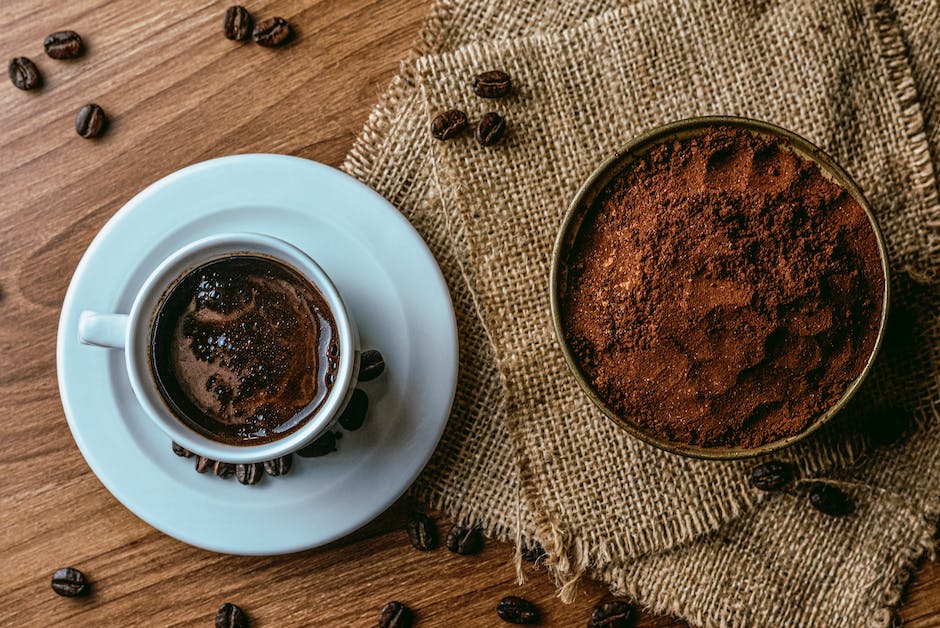
Comparing the taste of coffee brewed with neutral, acidic and alkaline water

Bring on the water experiment!

Careful brewing with neutral water usually produces a balanced and pleasant cup of coffee that allows the coffee beans’ own flavor nuances to come out. Acidic water, on the other hand, can give the coffee a slightly more acidic and more excellent flavor profile.

Experiments with alkaline water in coffee brewing can also give different results. Some people love the mild and sweeter taste that brewing with a higher pH can bring, while others think it takes away some of the coffee’s character.

The interaction between alkaline water and coffee’s natural acids is another aspect that affects how we experience the taste of a cup. Alkaline water can help neutralize some of the acidity and thus lower the acidity of the coffee.

Alkaline water and bitterness in coffee is another combination that can be very interesting to explore. Depending on the minerals present in the alkaline water, it can actually help to reduce the natural bitterness of the coffee.

The science behind alkaline water and coffee flavor

In the world of science, it has long been known that the pH of water plays a major role in how we perceive flavors. So, understanding chemical reactions when brewing with alkaline water is necessary to understand how it affects the taste of coffee.

How pH affects taste sensations has to do with how the different molecules interact with each other. In an alkaline medium, some flavors may be more prominent, while others may be toned down.

Research on the balance between acidic and alkaline in coffee brewing shows that there are some interesting relationships. The researchers suggest that the ultimate experience may not lie in choosing either acidic or alkaline, but in trying to find a balance between the two.

Personal preferences for coffee taste: does basic water play a role?

The question of whether alkaline water plays any role in personal preferences for coffee flavor is a rather subjective one. All of us coffee lovers have our own preferences, and taste buds play a big role in what kind of cup we prefer. Some may prefer the excitement of a cup brewed on sour pine, others may like more earthy tones on their java. So when it comes to choosing alkaline water or not, it’s really about tasting and seeing what you like best. Try some with your usual coffee variety and see if you notice any difference in taste. You might be surprised by the results!

Pictures of coffee brewed with acidic water

FAQ – Neutral, acidic and alkaline water: how does it affect the taste of coffee?

What is alkaline water?

Alkaline water is water that has a pH level above 7. It is a scale that measures acidity, with 7 being considered neutral. The higher the pH value is above 7, the more alkaline the water is.

How is alkaline water produced?

Alkaline water can be obtained by using a water ionizer that raises the pH of the water through electrolysis. There are also bottled waters sold as alkaline, but it is important to check the labels to confirm the actual pH value.

What is the relationship between alkaline water and coffee components?

Caffeine in coffee is slightly alkaline and dissolves better in acidic water than in alkaline water. However, the mineral content of the water also affects the taste of the coffee and can change both the pH and the taste of the coffee.

How does alkaline water affect the taste profile of coffee?

Brewing with alkaline water can give different results. Some people like the mild and sweeter taste that higher pH can give to coffee, while others think it takes away some of the coffee’s character. Alkaline water can also neutralize some of the coffee’s acidity and reduce the acidity of the coffee.

Does alkaline water play a role in personal preferences for coffee taste?

It is a subjective question whether alkaline water plays any role in personal preferences for coffee flavor. We all have different preferences when it comes to taste, and our taste buds play an important role in determining which type of coffee we prefer. It’s best to try and discover what suits you best by experimenting with your regular coffee and basic water, and see if you notice any difference in taste.

Pictures of coffee brewed with alkaline water

Photo by Burak Evlivan on Pexels
Photo by Gül Işık on Pexels
Photo by Filippo Peisino on Pexels

Continue reading

Posted on

How to choose a milk frother for your coffee ritual?

Choose Milk Frother for Coffee!
best milk frother for coffee routine

“A milk frother is not just a tool, it’s the key to the perfect coffee moment, where every sip becomes a symphony of flavors enhanced by the silky feel of well-whipped foam.”

Is there a perfect milk frother?

If you thought that all milk frothers are the same, then I’m sorry to tell you that you’re completely wrong. In this article, we’re going to dive into the wonderful world of the milk frother and I’m going to give you the inside info you didn’t even know you needed. From manual to the latest electric beauties, we’ll look at everything to find your coffee ritual’s new best friend. And trust me, there’s a perfect partner for every coffee-drinking soul out there.

What’s the deal with milk foam?

Milk foam is not just an aesthetic feature on top of your coffee drink. Did you know that the difference between cappuccino foam and microfoam is like night and day? The cappuccino foam is fluffier with large bubbles and the microfoam is silky smooth, thanks to its microscopic bubbles. But why bother? Because the masterpiece in your cup depends entirely on the right foam. Is it even possible to drink a latte without the creamy fancy layer on top? To get to grips with the art of frothing milk, check out this page: how to froth milk and take your coffee to the next level.

Choose a milk frother that clicks with you!

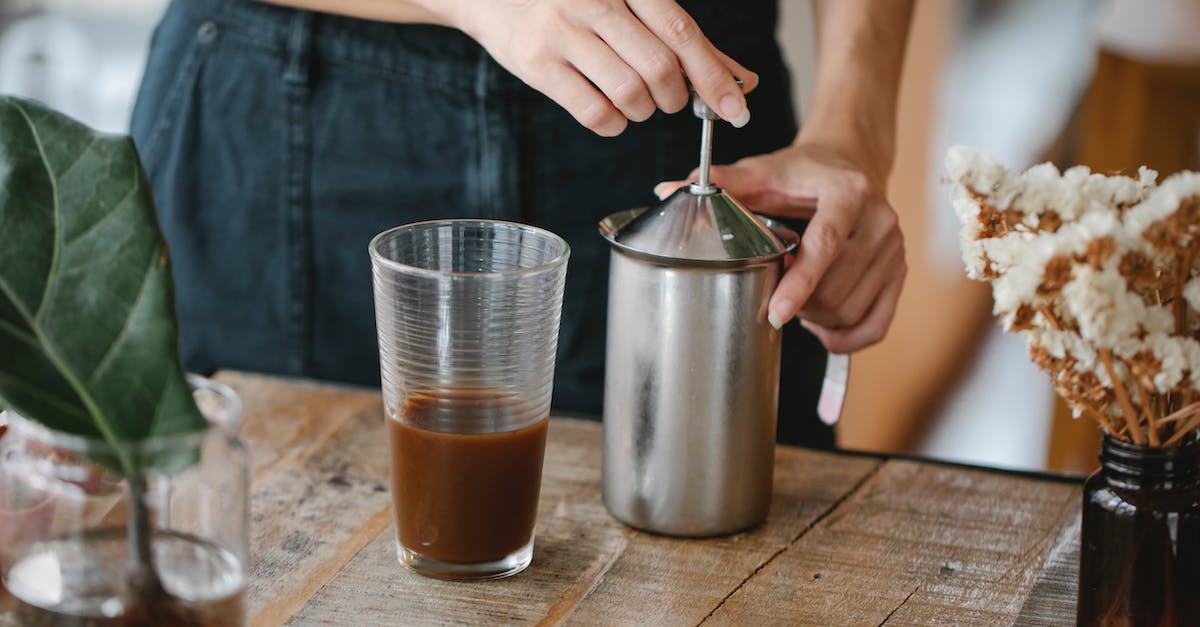
Shall we go through the foaming techniques you might encounter? Steam injection and stirring with a whisk are the things you need to know. Steam injection is the traditional way to get that foam in the café, while stirring with a whisk is more common for home use.

Manual or automatic milk frother?

Do you love the sense of control when crafting the perfect latte or are you more of a “push the button and it’s done” type? Manual milk frothers give you power over every bubble, but take time and technique. Electric models? Just turn the knob and tadaa! Perfect for those who prioritize sleepovers over milk foam technology.

The coffee capsule machine’s best friend

The coffee pod machine is doing its job and you’ve just had some time to yourself. But something is missing… the milk foam! Anxiety? Nope, not if you’ve got yourself a separate milk frother that can be used with capsule machines. If you drink capsule coffee, we think you need a really good milk frother, simply to compensate for the fact that capsule coffee is basically pretty mediocre coffee.

Manual milk frothers – for the connoisseur

Do you love the feeling of being part of the creation of your coffee? Do you long for the tactile feeling of creating something yourself? Then manual milk frothers are your thing. It’s all about squeezing, twisting and whisking until you are satisfied from head to toe. What passionate coffee lover doesn’t want that control? But it does take skill, so be prepared to practice before you froth like a god.

Electric milk frothers – convenience above all

Electric milk frothers are for those who would rather lounge in bed for an extra 15 minutes than struggle with a manual whisk. These clever gadgets do the work for you, so you can do other things while the milk is transformed into heavenly foam. Many come with advanced features like temperature settings – no burnt foam here! – but basically most machines have what it takes to do the job.

Function and form – what does the market offer?

Are you looking for a milk frother that not only does the job but also looks great on the kitchen counter? The market is full of stylish electric milk frothers that both froth and look nice. Function meets form in a harmonious marriage of ease of use and aesthetics.

For the espresso master: the role of the milk frother

If you already have an espresso machine with steamer, you know the drill. A high-quality milk frother is not just an accessory, it is essential for the perfect textured milk. Imagine being able to create that perfect swirl that turns plain milk into a silky cloud on top of your espresso. It’s almost like magic.

Time to pick a favorite

Finding the right milk frother can seem like a jungle, but with a few smart tips you’ll soon be on the right track. Figure out your needs, do you want full control or set-it-and-forget-it style? Think about your budget and the type of milk foam you are looking for. It is not more difficult than that. Just start exploring!

Types of milk frothers for coffee

FAQ – How to choose a milk frother for your coffee ritual?

What are the main types of milk frothers and how do they affect milk froth?

There are essentially two methods for creating milk foam: steam injection and agitation. Steam injection is often done with the steam nozzles of espresso machines and creates a richer and denser foam, while whipping or agitation creates foam through mechanical movement and is more common for home use. Depending on the method and tool you use, you can get different types of foam, from large bubbles in cappuccino foam to micro-foam with small bubbles for silky smooth latte art.

How does the fat content of milk affect the quality of skimmed milk?

Skimmed milk generally responds better to agitation because the protein in the milk envelops the air more easily, while fattier milk requires higher temperatures when frothed with steam injection from an espresso machine. Fat content can affect the taste, texture and stability of milk foam, with skimmed milk often leading to a firmer, finer-pored foam.

What to consider when choosing between a manual and an electric milk frother?

When choosing between a manual and an electric milk frother, you should consider what kind of control you want over the process and the end result. Manual milk frothers offer more precision and involvement in the creation of the froth, but require more time and technology. Electric milk frothers, on the other hand, do most of the work themselves, which is ideal for those who prioritize convenience and speed.

Can a separate milk frother improve the coffee experience with my capsule machine?

Absolutely, a separate milk frother can significantly improve the quality of coffee drinks made with capsule machines. As capsule coffee itself often has a more limited flavor profile, the addition of well-textured milk foam can both improve the taste and make the experience more like that of a café. It’s a simple upgrade that can make a big difference to your coffee rituals at home.

How do I know what temperature to heat the milk to when using a milk frother?

It is important not to overheat the milk when creating foam, as this can result in a burnt taste. The ideal temperature for heating milk when frothing is usually around 60°C to 65°C. If you have an electric milk frother with temperature settings, you can often select the right heat at the touch of a button. For manual skimmers, finding the perfect temperature will require a little more feeling and practice.

Find different types of milk frothers for a perfect coffee experience.

Photo by Ketut Subiyanto on Pexels

Photo by Charlotte May on Pexels

Photo by Tim Douglas on Pexels

Continue reading

Posted on

Cooking coffee from the stove to the cup

Cooking coffee: from the stove to the cup

“Kokkaffe is a time machine that takes us back in history, from the stove to the cup, and lets us taste tradition and love for the art of coffee.”

Cooking coffee from the stove to the cup

Coke coffee: a precious part of our brewing tradition

Boiled coffee is one of the oldest brewing methods for making coffee and has a long history dating back to the 13th century. Coffee arrived in Sweden as a medicinal drink in the late 17th century. Boiling coffee, which is brewed by boiling the coffee directly on the stove or over an open fire, was the original method of coffee production. In Sweden, kokkaffe has played an important role in coffee culture and has become a symbol of conviviality and community.

For a long time, boiling coffee was the most common brewing method in Sweden. It was a way to enjoy a good cup of coffee without needing a modern electric coffee maker. It was also an important part of Swedish history, as in the early 19th century coffee was a luxury item that only the richest could afford. Coke became a way for ordinary people to enjoy the popular drink in a more economical way.

However, with the advances in modern technology and the increased availability of electric brewers, boiling coffee has gradually become less common. The quick and convenient process offered by an electric brewer has attracted many, leading to a decrease in the use of boiling coffee.

To understand the difference between brewing coffee and cooking coffee, you first need to understand the brewing process. While brewing coffee is made by pouring hot water over the ground coffee beans and letting it drip into a pot, boiling coffee involves simmering the coffee on the stove or over a fire. This gives the coffee a richer and fuller flavor profile.

From the bean to the cup: How to make instant coffee

To brew instant coffee, you need some basic preparation and the right equipment. First of all, you need a coffee grinder to grind your coffee beans – of course, we recommend that you grind them yourself. It is important to have a coarse grind for boiling coffee as it helps to keep the coffee grounds on the bottom of the pot.

Once you’ve ground your coffee, it’s time to prepare the brewing process. Take out a saucepan or coffee pot and measure out the right amount of coffee and water according to your desired strength. A good guideline is to use 10 grams of coffee per 180 milliliters of water.

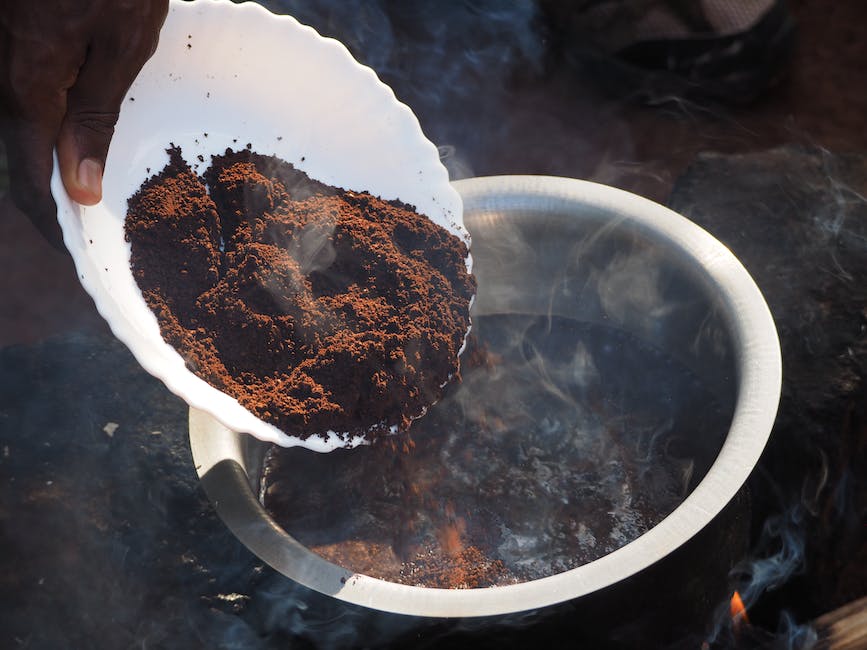
Once you’ve added the ground coffee and water to the pot, it’s time to place it on the stove or over the fire. Gently heat the mixture until it starts to bubble. You don’t want to let the coffee boil for too long, so make sure you remove the saucepan from the heat as soon as it starts to bubble.

Let the coffee stand for about 7 minutes to allow the flavors to develop properly. Then it’s time to pour the finished coffee into the cup and enjoy the rich and aromatic taste.

Dosage of boiling coffee for different strengths

Dosing the right amount of coffee to achieve the desired strength is crucial when it comes to boiling coffee. Here is a simple guide:

For a mild cup of boiling coffee, use about 8 grams of coffee per 180 milliliters of water.

For a medium-strong cup of boiling coffee, use about 10 grams of coffee per 180 milliliters of water.

For a strong cup of boiling coffee, use about 12 grams of coffee per 180 milliliters of water.

To avoid common mistakes in the process, we suggest the following tips:

  • Use freshly ground coffee beans to give your cooking coffee the best taste.
  • Make sure you don’t let the coffee boil too long, to avoid a bitter taste.
  • Try experimenting with different coffees and grinds to find your personal favorite.

Reviving the tradition of the kokkaff

In recent years, there has been a resurgence of interest in cooking coffee. Many coffee roasters and coffee lovers have become fascinated by the process of boiling their own coffee and appreciate the results that boiling coffee produces.

One reason for the resurgence of the popularity of cooked coffee is the increased interest in the origins and unique flavors of coffee. By brewing boiled coffee, you can really appreciate the different nuances and flavor profiles that different coffees have to offer.

The delightful process: making your own cooking coffee

Brewing instant coffee can be an enjoyable activity in itself. It takes a little more time and effort than using an electric coffee maker, but the result is well worth it.

Being aware of the whole process from bean to cup gives a sense of craftsmanship and can be a peaceful ritual that helps you relax and enjoy the moment. Putting the time and care into brewing your own chef coffee adds another dimension to the experience of drinking coffee.

Not just for nostalgic aura: Benefits of cooking coffee today

Despite the advancement of modern technology, cooked coffee has retained its popularity and importance in today’s coffee industry. There are several advantages to choosing boiling coffee over other brewing methods.

Firstly, the coca coffee provides a rich taste experience. Cooking coffee on the stove or over a fire produces a deeper and more intense flavor profile. It’s a great choice for those looking for a cup of coffee with more character and complexity.

In today’s world of fast food and hurry, cooking coffee can also be a way to slow down and really enjoy the moment. Brewing your own coffee requires time and attention, and provides an opportunity to relax and be present in the moment.

So next time you’re in the mood for a cup of coffee, why not try brewing your own instant coffee? Give yourself a taste experience beyond the ordinary and relive the history and tradition of Swedish coffee culture.

FAQ – Coffee from the stove to the cup

What is cooking coffee?

Boiled coffee is one of the oldest brewing methods for making coffee and has a long history dating back to the 13th century. It is brewed by boiling the coffee directly on the stove or over an open fire. Boiled coffee has a richer and fuller flavor profile compared to brewed coffee.

How to make boiled coffee?

To make boiled coffee, you need ground coffee beans and a pot or boiling pan. Grind the coffee beans coarsely and measure out the right amount of coffee and water according to the desired strength. Add the coffee and water to the saucepan and heat gently until it starts to bubble. Remove from the heat and let the coffee stand for about 7 minutes before pouring it and enjoying the aromatic taste.

How much coffee is needed for boiling coffee?

The amount of coffee needed to brew boil coffee varies depending on the desired strength. A general guideline is to use 10 grams of coffee per 180 milliliters of water. For a mild cup of boiled coffee use about 8 grams of coffee, for a medium-strong cup use about 10 grams of coffee, and for a strong cup use about 12 grams of coffee.

Why has boiled coffee become popular again?

Interest in boiled coffee has once again increased among coffee roasters and coffee lovers. One reason for this is the growing interest in the origin and unique taste of coffee. Brewing coffee for cooking allows you to appreciate the different nuances and flavor profiles of different coffees. What’s more, the process of making boiled coffee is a peaceful ritual that helps you slow down and really enjoy the moment.

What are the advantages of choosing boiling coffee over other brewing methods?

Coking coffee provides a rich flavor experience with a deeper and more intense flavor profile than other brewing methods. It’s a great choice for those looking for a cup of coffee with more character and complexity. In addition, the process of brewing instant coffee can be an enjoyable activity in itself, allowing you to be aware of the whole process from bean to cup and relax at the same time.

Unique methods for brewing coffee on the stove or open fire.

Photo by Timon Cornelissen on Pexels
Photo by Clem Onojeghuo on Pexels
Photo by cottonbro studio on Pexels

Continue reading

Posted on

Colombia beyond the coffee beans

Discover Colombia: Beyond the Coffee Beans | SEO: Colombia
Colombia cultural landscape diversity coffee tourism nature cities music cooking

“Colombia is not only known for its coffee beans, but also for its rich culture, beautiful nature and hospitable people.”

The diversity of Colombia and its culture

Colombia stands out not only as a country famous for its iconic quality coffee, but also for its cultural richness. Colombian culture is characterized by a diversity that is as colourful as the textiles handwoven by the artisans. Vibrant traditions and folk festivals light up the country and showcase the diversity of different ethnic groups and regions.

With over eighty different ethnic groups, Colombia is a dynamic mosaic of traditions, culinary experiences, musical rhythms and languages. The culture ranges from the nomadic communities of the Wayuu region in the Guajira desert to the coffee farmers in the heart of the country, the Zona Cafetera. Not to mention the artistic richness of the country, with everything from stunningly beautiful and precision-made ceramics, incredibly detailed textiles to masterfully carved wooden sculptures.

Coffee is something Colombia is world famous for. With Colombia’s near-perfect climate and fertile soil, the country produces world-class coffee that is highly sought after on the world market. The coffee sector has also had a decisive impact on Colombia’s economy and has contributed greatly to providing Colombian farmers with greater economic stability.

Historical currents in Colombia

From the colonial era to the present

Colombia as a country is rich in history, stretching back several centuries to the colonial period. Colombia was once part of the mighty Spanish empire and although it is now independent, the influences of the past remain. The melting pot of culture differs from region to region, marked by its historical roots, from gastronomy to craft techniques.

The agricultural industry now and its impact on the economy

Agriculture still plays a vital role in the Colombian economy. Thanks to Colombia’s favorable climate and fertile soil, the country is able to grow a variety of products, from quality coffee and bananas to exotic fruits and delicate vegetables. The agricultural industry helps to sustain the livelihoods of millions of people across the country.

Tourism – a fast-growing industry

In recent years, Colombia’s tourism industry has experienced strong growth and prosperity. With its unparalleled natural beauty, rich history and vibrant cities, the country attracts tourists from all corners of the globe. Whether you’re a lover of outstanding sandy beaches such as those on the Caribbean Sea, or the lush and mysterious rainforests of the Amazon, there’s something to explore for everyone in this diverse country.

Colombia’s indigenous garden

Colombia is characterized by its variety in biodiversity, with an impressive and fascinating flora and fauna. Here you’ll find dazzling eye candy like the shimmering Quetzal bird, the majestic Jaguar and the mythical Condor. The country’s floral diversity is also worth mentioning, with no less than 45,000 species of flowers and a huge number of tree and plant species that can only be found in Colombia.

Colombia is also characterized by its mountainous landscape and large river systems. With majestic mountain ranges such as the Andes and the Sierra Nevada de Santa Marta, Colombia offers great hiking and climbing opportunities. Rivers such as the Magdalena and the Amazon are vital for both wildlife and local people.

A look at Colombia’s dynamic cities

Bogotá: the heart and soul of Colombia

The metropolis of Bogotá, the country’s capital, is a vibrant city that loves to show off its mix of old and new. You can wander around and admire historic sights like Plaza de Bolívar and Museo del Oro, or dive into the modern art scene and sample trendy eateries. In addition, the city has a heart-pounding nightlife and every year they celebrate Blooming Days when the whole city admires colorful flower installations.

Medellín: the urban transformation

Medellín is a city that has truly undergone a profound transformation in recent years. Once one of the most dangerous cities in the world, Medellín has become a modern and forward-looking metropolis. There are innovative parks, breathtaking cable car systems and a thriving technology sector.

Other Colombian cities to explore

Beyond Medellín and Bogotá, there are other cities in Colombia worth discovering. A visit to Cartagena, enchanted by its old colonial architecture and vast beaches, is popular with sunshine lovers and cultural biophiles. If you’re a dance enthusiast, Cali, the self-proclaimed salsa capital of Colombia, is certainly the place for you!

Undiscovered jewels and secrets

Colombia has many undiscovered gems to offer and hidden treasures to uncover. Take Guatapé for example, a picturesque town surrounded by beautiful lakes and giant rock formations. San Andrés and Providencia, two paradise islands in the Caribbean where you can experience great snorkeling and enjoy relaxing on white sandy beaches. In addition, there is Ciudad Perdida, the lost city, an ancient archaeological treasure that attracts adventurers from all over the world.

Colombia fiesta and music

Colombia is known for its festive rhythms and national dances. Cumbia, vallenato and salsa are just the tip of the iceberg when it comes to musical styles you can experience in the country. Every year, several dance festivals are celebrated around the country, where the best dancers and groups from all over Colombia gather and compete. Dance is an essential part of Colombian life – a source of pride, happiness and joy.

The culinary world of Colombia

Colombian coffee

No conversation about Colombia is complete without mentioning its outstanding coffee beans. Colombian coffee is known worldwide for its high quality and exceptional flavors. If you find yourself visiting Colombia, don’t miss the chance to taste a cup – or two – of this delicious brew.

Colombian food beyond coffee

But Colombia is not just about coffee. Gastronomically, the country has a number of surprises up its sleeves and a host of innovative chefs creating amazing culinary experiences. From delicious fish dishes in the Caribbean to succulent meat dishes in the Andean region, you can taste it all.

Local culinary delights

Colombia is also known for its delicious local delicacies. Have you tried oysters in Cartagena, arepas in Medellín or empanadas in Bogotá? If not, you have a lot to look forward to during your visit. Colombian food sets your taste buds on fire!

Discovering Colombia: more than just a coffee producer

Colombia is a gem of diversity and exciting discoveries that offers so much more than its famous coffee beans. It is a country with a rich history, a dynamic culture and incredible natural beauty. It offers an invitation to discovery, adventure and memorable experiences.

An invitation to experience Colombia

So why not see Colombia for yourself? Pack your backpack and head to Colombia. It’s time to discover amazing cultural treasures, incomparable nature and vibrant cities. Colombia will surprise and enchant you at every turn. A warm welcome to Colombia – a country more than just coffee beans!

FAQ – Colombia beyond the coffee beans

What are some of the different ethnic groups in Colombia?

Colombia has over eighty different ethnic groups, forming a dynamic mosaic of traditions and culture. Examples of some of these groups include the Wayuu nomads in the Guajira desert and the coffee farmers in the Zona Cafetera.

What has the coffee sector contributed to the Colombian economy?

The coffee sector has had a crucial impact on Colombia’s economy by contributing to increased economic stability for Colombian farmers. Colombia’s coffee is world-class and sought after on the global market.

What are some of the undiscovered jewels of Colombia?

Colombia has many undiscovered gems to offer. Examples include the picturesque town of Guatapé, surrounded by beautiful lakes and rock formations, and the Caribbean paradise islands of San Andrés and Providencia, where you can enjoy great snorkeling and relaxation on white sandy beaches.

What are some of Colombia’s festive rhythms and national dances?

Colombia is known for its festive rhythms and national dances. Examples of these include cumbia, vallenato and salsa. Dance is an essential part of Colombian life and contributes to a sense of pride, happiness and joy.

What are some of the local culinary delights in Colombia?

Colombia is famous for its local culinary delights. Some examples of these include oysters in Cartagena, arepas in Medellín and empanadas in Bogotá. There is a range of exciting and delicious cuisine to discover when visiting Colombia.

Colombian biodiversity and mountain landscapes

Photo by Chris Rodriguez on Pexels
Photo by Nick Wehrli on Pexels
Photo by Ákos Helgert on Pexels

Continue reading

Posted on

World coffee consumption: which country drinks the most coffee?

Coffee consumption: Which country drinks the most?
winter coffee drinking culture in Nordic countries

“In a world where the coffee cup is a constant companion, one might wonder which country embraces this brew most passionately. When it comes to coffee consumption, there is a global competition where every sip counts. So which country drinks the most coffee? Let’s uncover the truth and discover the undisputed champion of coffee.”

World coffee consumption: which country drinks the most coffee?

The world champions of coffee drinking

Is it Finland’s icy water that makes their coffee irresistible, or is there a secret ingredient in the Finnish lifestyle that makes them unexpected coffee gourmets? What is clear is that Finland, with a staggering 12 kilos of coffee per capita per year, tops the list of international coffee consumption. It’s a figure that makes the coffee thermos look small and an impressive feat for this Nordic country.

Perhaps it’s the long, bright summer nights or the paralyzingly cold winters that drive Finns to the coffee maker, or maybe it’s the deep-rooted coffee culture that flows through Finland’s veins like their beloved black drink through a percolator. The reasons can be many – a relaxing moment for themselves or an excuse to gather friends and colleagues. The Finnish coffee hour is sacred.

Where does Sweden stand in the coffee race?

Sweden is no slouch when it comes to the love of coffee drinking either. With sixth place internationally and a steady consumption of 8.2 kilograms of brewed beans per person per year, we can say that Sweden is a self-proclaimed coffee ambassador. On average, Swedes sip three cups a day – a morning kick, a break at work and a coffee break with friends are almost essential breaks in the Swedish daily routine.

Swedish coffee drinking is a ritual that is firmly rooted in both professional and private life. Fika – taking a break and enjoying a cup of coffee with something sweet – is a social institution in Sweden. Coffee is the companion that caresses the soul, comforts in the rain and celebrates events big and small.

The increase in coffee consumption in Sweden

When we trace the aroma of coffee through Sweden’s history, we see that consumption has increased steadily since its first appearance in the everyday lives of Swedes in the late 17th century. As accessibility has skyrocketed, the culture surrounding coffee has also blossomed with full force and strength.

One explanation for this warm love affair with coffee is coffee culture. It has grown strong, with a vibrant range of coffee shops and new brewing methods. The fig break has been transformed, but it remains a national saint. Gathering and socializing over a cup of steaming coffee is one of the highlights of everyday life, but nowadays you can do it in more and more cafés, not just workplaces.

The love of coffee in the Nordics

Nordic coffee culture is something special. In these countries, including Sweden, coffee is much more than just a liquid – it is a tangible part of the social and working day. Having a coffee together is almost seen as a ceremony where new friendships are made and deals are struck.

It’s a culture where brewed coffee is king, and its traditional form has held its own against trendy espresso and quick lattes. In fact, the Nordic proximity to brewed coffee may be one of the reasons why these countries stand out in the statistics of coffee-drinking nations.

Caffeine needs during dark winter months

One popular theory as to why coffee is so popular in the Nordic countries points to the long and dark winter months. When the sun becomes an all-too-rare visitor and the dark hours of the day seem to go on forever, a hot cup of coffee can be a lifesaver. The caffeine offers both warmth and awake eyes, which is much needed to ward off winter fatigue.

Enjoying a cup of coffee during the darkest months of the year is like a glimmer of light in the darkness. It’s so much more than just warming your body and hands – it’s a ritual that keeps the darkness at bay, and sometimes even gilds it.

Coffee on our own terms

In Sweden and the rest of the Nordic countries, brewed coffee is the order of the day – a tradition that contrasts with espresso-loving countries like Italy and Spain. But even within these coffee varieties there is a plethora of preparations; aeropress, pour-over, French press – you name it. Each method has its own rituals and each ritual its own approach.

These differences in consumption patterns are not just demonstrations of coffee knowledge, they are expressions of national identities and cultural values. To enjoy a cup of coffee is to participate in a cultural interaction that takes place daily all over the world.

And the Swedes know that life is at its best in moderation and nothing says ‘moderation’ like a classic Swedish fika. This beloved tradition is more than just coffee; it’s also cinnamon buns and dry cookies.

Fikat is a ritual dance, a moment of recovery and shared joy. It is in this context that Swedish coffee drinking takes on its true meaning – as a bearer of tradition, as a bringer of tranquillity and as a source of human connection.

Conclusion on coffee drinking

Coffee is so much more than just a product to drink. Over the centuries, it has evolved into a cultural code, an identity marker and a social oil that keeps the wheels of society turning more smoothly. If the world charts depicted more than numbers and statistics, they would reflect stories of community, solace in solitude and that special moment that coffee so generously offers. Which country drinks the most coffee? Finland can proudly wear the title, but the very essence of coffee is found in every country where a cup of coffee is valued as much for its taste as for the moments it creates.

Traditional coffee ceremonies in different cultures

FAQ – World coffee consumption: which country drinks the most coffee?

Which country tops the list for most coffee consumption per capita?

Finland ranks first in the world in terms of coffee consumption per capita, with 12 kilos of coffee per person per year.

How does Sweden rank in the world based on coffee consumption per person?

Sweden ranks sixth in the world with a consumption of 8.2 kilograms of coffee per capita per year.

How many cups of coffee does the average Swede drink per day?

On average, Swedes drink three cups of coffee every day.

Has coffee drinking in Sweden increased since its introduction in the country?

Yes, coffee consumption in Sweden has been steadily increasing since coffee was first introduced in the country in the late 17th century.

Can the Nordic climate affect coffee consumption in countries like Sweden and Finland?

The Nordic climate with long, dark winters may be a contributing factor to the high coffee consumption, as a hot cup of coffee offers both comfort and warmth during the cold and dark months.

Photo by Andrea Piacquadio on Pexels

Photo by Matheus Bertelli on Pexels

Photo by cottonbro studio on Pexels

Continue reading

Posted on

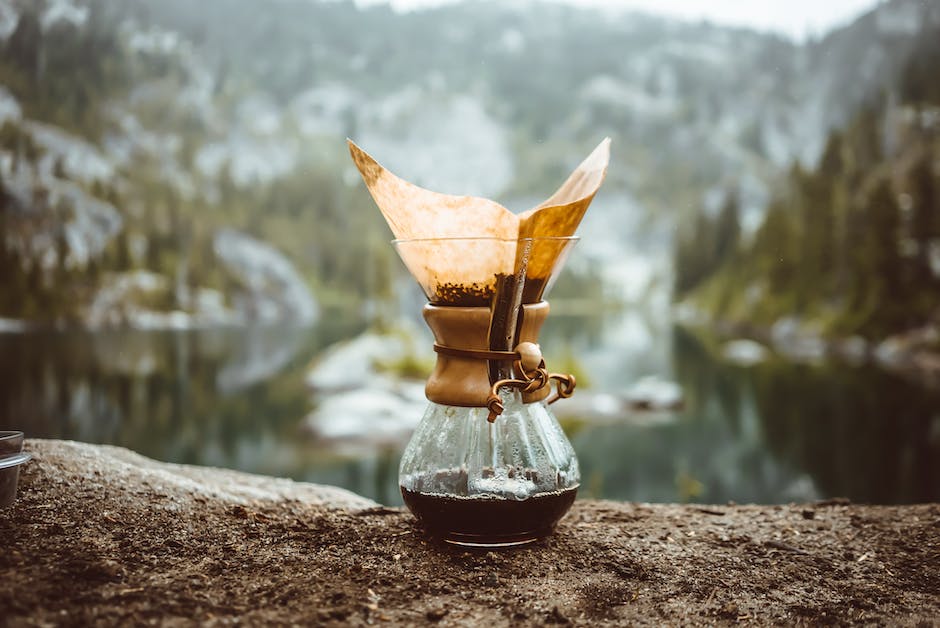
How to use chemex for brewing like a master

Become a master of chemex brewing!
Chemex brewmaster, aesthetic design, step-by-step guide, practical tips, unique role of Chemex filters, brewing improvement, delicious coffee.

“A perfect cup of coffee is the result of artistic precision and passion and Chemex brewing is the tool that will take you to master status in the world of coffee.”

How to use chemex for brewing like a master

Why Chemex is one of my favorite coffee makers

There are a variety of ways to brew coffee, but for me, Chemex is simply one of those unbeatable and irreplaceable ways. It’s not just its outstanding aesthetics that attracts me – these brewers also offer a range of benefits that really enhance the taste experience of coffee.

Firstly, Chemex produces a cup of coffee that is clear and light, with a distinct and delicate flavor profile. This is due to the brewer’s unique filter and its ability to keep oils and grounds out, resulting in a cleaner and sweeter tasting cup of coffee.

In addition to the taste benefits, Chemex is also a delight to the eye. The timeless design and high-quality glass add an elegant touch to any kitchen or living room. Chemex certainly has the ability to be a talking point when entertaining guests and a stylish addition to your decor.

Chemex aesthetic and functional qualities

The Chemex coffee maker is truly a masterpiece of design. With its hourglass shape and smooth, clean lines, it creates a visual appeal that is hard to resist. Its clear, heat-resistant glass also makes it easy to see the coffee brewing, adding a lovely interactivity to the brewing process.

One of the most versatile features of Chemex is its ability to fit into any interior style. Whether your kitchen has a modern, minimalist or classic design, Chemex’s elegant aesthetic will complement it without taking over.

Its functional design is also a strong advantage. The Chemex filter and pouring spout allow the brewer to give you total control over the water flow, which is essential for a smooth and precise extraction of flavor from the coffee.

Brew coffee like a master with Chemex

Brewing coffee with Chemex may seem like an art form in itself, but once you master the technique, you won’t regret it. Below is a step-by-step guide to help you brew coffee like a true master.

Explanation of why Chemex hourglass mold contributes to your coffee brewing

The Chemex hourglass mold acts as an insulator, allowing the coffee to brew at the right temperature and then cool slowly. This contributes to an even extraction of flavor and an optimal balance between sweetness and acidity.

Step-by-step guide on how to brew coffee with Chemex

1. Rinse your Chemex filter with warm water to remove any paper taste.
2. Measure out your coffee and water according to your desired strength.
3. grind your coffee to medium coarseness.
4. Pour your ground coffee into the wet Chemex filter.
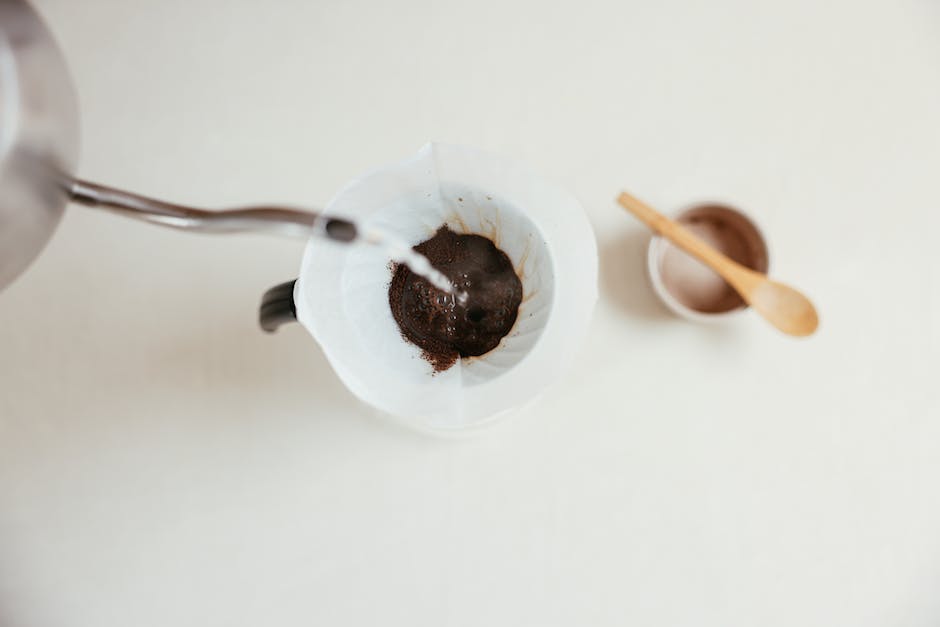
5. Pour a small amount of water over the coffee grounds and let it bloom for 30 seconds.
6. Then pour the rest of the water over the coffee grounds in a slow, circular motion.
7. Let the coffee run through the filter and into the Chemex pot.
8. Enjoy your freshly brewed, tasty cup of coffee!

Practical tips to improve your chemex brewing

Here are some practical tips that will help you take your Chemex brewing to the next level:

– Invest in a quality coffee grinder to achieve the right grind.
– Use a gooseneck kettle to get full control of the water flow.
– Use a scale to measure out the right amount of coffee and water.
– Try different coffee beans and roasts to find your personal favorite.
– Use freshly roasted coffee – and yes, you’ll find a great selection of the best quality specialty coffee beans here at White Elk Coffee.

The unique role of Chemex filters

One of the most crucial elements of Chemex brewing is the filter. By using Chemex filters, you can enhance the flavor profile of your coffee.

Chemex filters are specially designed to be thicker than regular coffee filters, which prevents oils and the bitterness of coffee grounds from getting into your cup. You can choose between bleached or natural brown filters depending on your preferences.

If you want to reduce your waste, consider using reusable Chemex stainless steel or cotton filters. These filters allow you to enjoy the same clean, great-tasting coffee while reducing your environmental footprint.

Coffee brewing with Chemex

In conclusion, Chemex is outstanding when it comes to coffee brewing. Its unique, timeless design and functional features make Chemex a true master in its field.

To get the best results with your Chemex brew, remember to follow the steps carefully and experiment with your own preferences. Give yourself time to develop your own technique and discover which coffee beans and roasts are right for you. Not only will you experience an incredible cup of coffee, but also enjoy the fascinating process involved.

FAQs – How to use Chemex for brewing like a champ

Why should I use Chemex as a coffee maker?

Chemex is one of my favorite coffee makers because of its outstanding aesthetics and ability to enhance the taste experience of coffee. Its unique filter keeps oils and grounds out, resulting in a clear and light cup of coffee with a distinct and delicate flavor profile.

What makes Chemex a master of coffee brewing?

Chemex is both an aesthetic and functional master of coffee brewing. Its timeless design and high-quality glass add an elegant touch to any kitchen or living room. Its functional design gives you total control over the water flow, allowing for a smooth and precise extraction of the coffee’s flavor.

How do I brew coffee with Chemex?

To brew coffee with Chemex, follow these step-by-step instructions:
1. Rinse your Chemex filter with warm water to remove any paper taste.
2. Measure out your coffee and water according to your desired strength.
3. grind your coffee to medium coarseness.
4. Pour your ground coffee into the wet Chemex filter.
5. Pour a small amount of water over the coffee grounds and let it bloom for 30 seconds.
6. Then pour the rest of the water over the coffee grounds in a slow, circular motion.
7. Let the coffee run through the filter and into the Chemex pot.
8. Enjoy your freshly brewed, tasty cup of coffee!

What can I do to improve my Chemex brewing?

To improve your Chemex brewing, you can use these handy tips:
– Invest in a quality coffee grinder to achieve the right grind.
– Use a gooseneck kettle to get full control of the water flow.
– Use a scale to measure out the right amount of coffee and water.
– Try different coffee beans and roasts to find your personal favorite.
– Use freshly roasted coffee for the best taste experience.

What is the role of Chemex filters in brewing?

Chemex filters play a unique role in brewing by being thicker than regular coffee filters. This prevents oils, bitterness and coffee grounds from ending up in your cup, improving the flavor profile of your coffee. You can choose between bleached or natural brown filters, and there are also reusable stainless steel or cotton filters to reduce your waste and preserve flavor.

Photo by Iain on Pexels

Photo by Michael Burrows on Pexels

Photo by Maria Orlova on Pexels

Continue reading

Posted on

How to froth milk?

Milk frothing: How to froth milk?

“How do you froth milk? It’s like finding those little bubbles of happiness and whisking them to perfection.”

The art of skimming milk

Skimming milk is an art in itself. It’s all about creating the perfect fluffy and smooth surface on top of your coffee. But what does skimming milk actually mean? Yes, it’s about introducing air bubbles into the milk to create a thicker and more consistent texture. By skimming the milk, you can give your drinks an extra touch of luxury and enjoyment. So how do you achieve this magical foam? Join us as we explore the secret of how to froth milk.

Skimming milk at home: is it even possible?

Many people think that milk frothing is something that only baristas in cafés can do. But the truth is that you can actually skim milk at home and create the same effect. The best part is that it doesn’t require any sophisticated machinery or expensive equipment. You can use ordinary kitchen utensils to achieve amazing milk foam in your own kitchen. Let’s take a look at how you can do it.

Create magic foam with what you have

Before you set out in search of the best tool for frothing milk, take a look in your own kitchen. You’ll be surprised at what you already have that can be used to create the perfect milk foam. A manual whisk or an electric whisk can be a good option to get air into the milk. You can also use a mason jar or shake the milk in a jar with a tight-fitting lid. It’s about thinking creatively and using what you already have available.

Foam on top: the technique behind perfect milk foam

Creating perfect milk froth is not just about using the right tools, it’s also about understanding the science behind it. The thickness, consistency and temperature of the milk all play an important role in creating the perfect froth. Let’s take a closer look at what makes milk foam so special.

Feeling the heat: why temperature matters

One of the most important factors affecting milk froth is the temperature of the milk. For an optimal foaming process, the milk should be cold. Cold milk has a better ability to create and retain air bubbles. If you froth milk by adding hot steam, as often happens if you have a milk frother in your espresso machine, you should be careful not to overheat the milk. If you go above 60-65 degrees, it can shift in flavor and texture. Using a thermometer can help you keep track of the temperature and get the perfect result.

The secret of silky foam: the optimal foam

If you’ve ever visited a coffee shop, you’ve probably heard of the term ‘barista milk’. Baristas use a special type of milk to create the perfect milk foam. Barista milk has a higher protein content and a unique composition that gives a silky and creamy texture. The goal when frothing milk is to achieve the same feel and taste as the barista milk. By using high-quality fresh milk, you can approach the optimal foam.

Creative ways to serve your milk foam

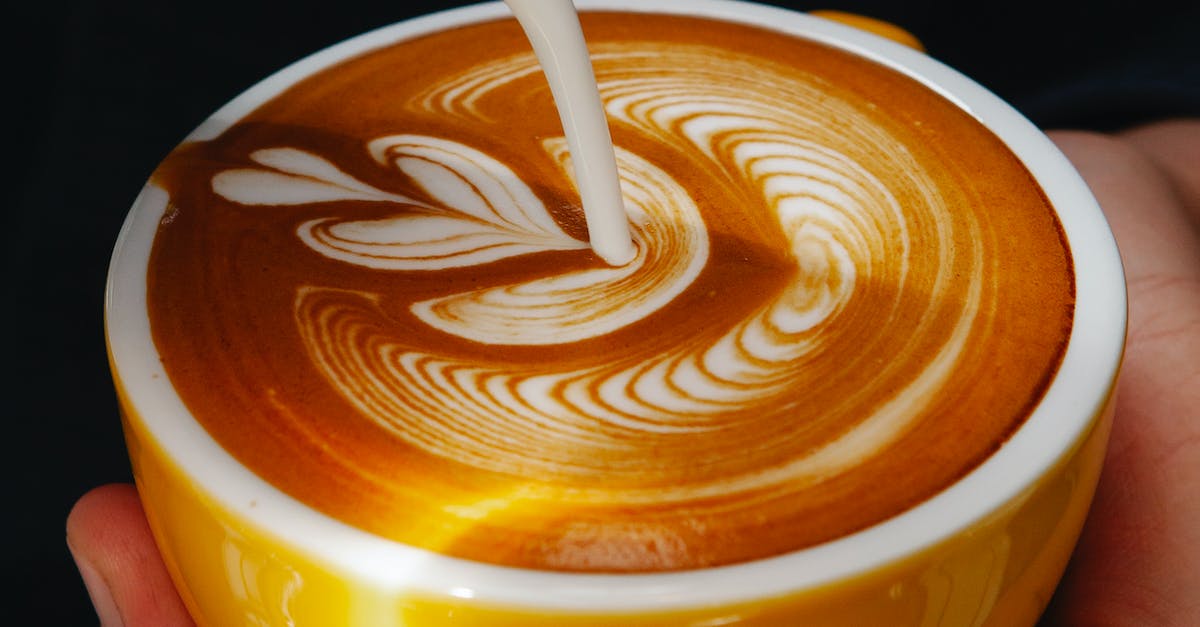
Now that you’ve learned how to froth milk, it’s time to explore different ways to serve your milk froth. Milk froth can enhance the taste and experience of your coffee or tea brewing. You can use different techniques and tools to create patterns and decorate with the milk foam. Try using a spoon to create heart-shaped patterns or use a brush to paint patterns with cocoa on the surface of the foam. Let your creativity flow and create a unique presentation that will make your drinks look even more enticing.

The tasty foam: exploring different milk options

Milk foam does not necessarily have to be made from cow’s milk. There are various options available today for those who want to avoid traditional milk for various reasons. Almond, soy, oat and coconut milk are just a few examples of milk alternatives that can be used to make milk foam. Each milk option adds a unique flavor and texture to your milk foam. It’s worth experimenting with different types of milk to find your personal favorite.

Milk choices: choosing milk that both you and the planet like

The dairy industry has a significant impact on the environment, both in terms of emissions and water consumption. One way to reduce your environmental impact while enjoying milk foam is to choose milk alternatives that are more sustainable than traditional cow’s milk. Nowadays, there are barista versions of many milk alternatives, which means you can get the same effect and consistency as with cow’s milk. Making active choices and thinking about the planet is always a good idea.

Now you know how to froth milk at home and the impact it can have on your drinking experience. By learning the basics of milk frothing and experimenting with different methods, you can turn your ordinary morning cup of coffee into a masterpiece. So go out and try it for yourself – discover how milk foam can make your drink both more beautiful and tastier!

Different types of milk frothing options

FAQs – How to froth milk?

Is it possible to skim milk at home?

Yes, it is absolutely possible to froth milk at home without the need for sophisticated machines or expensive equipment. You can use common kitchen utensils to achieve great milk foam in your own kitchen.

What tools can I use to froth milk at home?

You can use various tools already available in your kitchen to froth milk. A manual whisk or an electric whisk is a good option to get air into the milk. You can also use a mason jar or shake the milk in a jar with a tight-fitting lid.

What affects the quality of milk froth?

The quality of the milk foam is influenced by factors such as the temperature of the milk, its thickness and consistency. For an optimal foaming process, the milk should be cold. Using high quality fresh milk can also help to approach the optimal froth.

Can I use other types of milk to make milk foam?

Yes, you can use different milk alternatives such as almond milk, soy milk, oat milk and coconut milk to create milk foam. Each milk option gives a unique taste and texture to the milk foam. It may be worth experimenting with different options to find your personal favorite.

How can I reduce my environmental impact when skimming milk?

If you want to reduce your environmental impact when skimming milk, you can choose milk alternatives that are more sustainable than traditional cow’s milk. Nowadays, there are barista versions of many milk options that give the same effect and texture as cow’s milk. By making active choices, you can enjoy milk foam while taking care of the planet.

Creative milk frothing techniques and designs

Photo by Michael Burrows on Pexels
Photo by Tim Douglas on Pexels
Photo by Maria Orlova on Pexels

Continue reading

Posted on

The cost guide for starting your own café

Startup Café: Price Guide for Beginners
photos of cafe interiors

“Starting a café is not just brewing coffee and serving pastries; it’s weaving together dreams, passion and hard work into a place where every cup is served with a story and every customer leaves with a smile.”

Do you dream of starting a café?

How often have you sat there with your latte and daydreamed about opening your own little corner of warmth and community? Maybe it’s time to turn your café dream into a reality! The first step is to be clear about what is required. Beyond the friendly atmosphere and the smell of freshly brewed coffee, there are number-crunching calculations and financial planning. Starting a café is a nice mix of passion and hard-boiled money – so get ready to dive into the numbers jungle and build your café on a solid foundation.

What does it cost to start a café?

The cost of opening your own café can vary enormously. It ranges from a small sum of 250,000 SEK for a rolling coffee kiosk, up to a staggering 3 million for an exclusive café with seating and the whole package. A coffee stand can be yours for less than €50,000. But why this big difference? Well, it depends on a plethora of factors: is it a central or out-of-the-way location you’re aiming for, do you want organic and locally grown products or classic accessories, or maybe you want a coffee machine that’s as high-tech as a spaceship? All these choices will affect the final bill.

From food truck to fine dining café

Depending on the type of café you dream of, the initial cost will change drastically. You can start a food truck for a relatively modest budget of SEK 250,000, while a fine-dining café with seating can easily reach over a million. A little tip: the size of the pub and the location itself are the big money-spinners – so think carefully before signing any lease.

The equipment that adds the finishing touch to your café

Coffee machines and water filtration – they may not sound like the most exciting investments, but they are so important! The equipment can make up to half of your start-up costs. Don’t forget that a perfect cup of coffee requires a top-notch espresso machine, and skimping on your own top-notch coffee grinder can turn your Arabica into a disappointment.

The business plan as your best friend

A business plan is like a best friend: it is there to support you, look after your best interests, and prevent total disaster. A solid business plan should be the first ingredient in your café start-up package – it should include everything from the budget for the premises to marketing. The good news? A good business plan is also your ticket to impressing the bank or investor.

Calculating the cost of goods

Coffee beans, milk and other necessities must not consume more than 40% of your sales forecasts. Are you planning to serve hipster coffee with avocado toast? Don’t forget to carefully calculate your purchases, so you don’t get swept away by an expensive trend!

Calculate costs down to the last penny

Job interviews, meetings with banks, and buying coffee beans by the truckload – include it all in your business plan. Keep in mind that rent should not be higher than 15% of your income, and that salaries should be included. And speaking of salaries, don’t forget to include your own.

Taxes and law – boring but important

Swedish taxes and laws are a myriad of paragraphs that can make the heart of even the sharpest coffee bean tremble. Employer contributions are around 35% of the wage cost. And then there are ‘other costs’ such as permits and insurance. Getting professional help in this particular area can be a really smart move.

Location, location, location

Have you found an idyllic venue in a cozy corner of the city? Perfect! But is it the right place for your target audience and are you aware of the competition? The location you choose is crucial to the success of your café. Think about your demographics, do you want to be the local hero cafe where students gather, or a haven for urban working hipsters? Each scenario has its ideal location, so spend time on this critical part.

Are you going to do everything yourself?

It’s you against the world – right? It doesn’t have to be quite so lonely. Investing in skilled staff and perhaps a mentor can be what takes your café from okay to great. Not to mention the benefits of having someone who knows accounting, or knows the legal ins and outs better than you do.

When expert help is worth every penny

Lawyers and architects may feel like a heavy upfront cost, but they can actually save you a mountain of money (and potential ulcers) in the long run. Those who steer you right through the permitting process and create an environment that attracts customers are ultimately worth every penny.

Future plans and sustainable success

When the cakes are baked and the espresso machine is buzzing with anticipation, it’s easy to think that the hardest part is over. The truth is that your café adventure is just beginning. How do you ensure sustainable success? Plan for the future, stay on top of trends, adapt to the market and always keep evolving.

And we can’t stress enough the importance of being consistent if you’ve found a concept that works. Fads and trends come and go, but a well thought-out and dynamic café can stand the test of time. Don’t forget that your ability to adapt to the market, no matter how the winds blow, is the key to long-term success and prosperity.

Final word on starting a café

Opening a café is not something that happens overnight. It requires patience, careful planning and a lot of attention to detail. Ultimately, it is the meeting of your dreams and your planning with reality that will determine whether your café flies high or falls flat. Either way, dream big but plan smart – good luck on your journey to becoming a café owner!

FAQ – The cost guide for starting your own café

How much can I expect to pay to start a small café?

The cost of setting up a small café can vary depending on several factors, but for traditional cafés with seating, costs often start at around SEK 800 000. However, remember that the location, the quality of the equipment and the scale of your business can significantly affect this figure.

What are the main expenses when opening a café?

The biggest expenses are usually the rent of the premises, which should be below 15% of your sales projections, and the cost of equipment, which can represent over 50% of your total budget. Cost of goods, staff and professional services such as lawyers and advisors are also important to budget for.

Is it important to have a business plan when starting a café?

Absolutely, a good business plan is crucial to the success of your café. It should include details of the budget for premises, furnishings, advertising, staff, equipment and other overheads such as permits and insurance. A well thought-out business plan will also help you impress potential investors or lenders.

Can the location of my café really affect the success of my business?

Yes, the location of your café is critical. It’s important to choose a location that matches the demographics of your target audience and to keep an eye on competition in the area. Opening in the right location can have a big impact on your café’s popularity and financial success.

Is it worth investing in professional help such as legal advice and architectural services?

The investment in professional services, such as lawyers for legal advice and architects for the design of your café, may seem costly at first. But these experts can help you navigate through the red tape, save you money in the long run and ensure your café is attractive to customers, making them a valuable part of your investment.

Creative café branding and signage tips

Photo by Marta Dzedyshko on Pexels

Photo by Porapak Apichodilok on Pexels

Photo by Quang Nguyen Vinh on Pexels

Continue reading