Posted on

Turista in the coffee country of Guatemala

Discover Guatemala – Tourista in the land of coffee!
Guatemala coffee farms, local coffee, coffee regions, coffee flavors, coffee aroma, visit coffee farm, Guatemalan culture, Guatemalan cooking, traditional dishes, buy Guatemalan coffee, support local farmers, sustainable coffee farming.

“Guatemala – a country that not only offers coffee, but also a cultural journey that takes you on a discovery through the rich heritage of history and outstanding natural beauty.”

Travel to Guatemala: a unique coffee experience

If you’re a coffee lover, there’s no better place to visit than Guatemala. This Central American country offers a unique coffee experience, from exploring the plantations, to sampling the local coffee in cozy cafés. But before you pack your bags, it is important to have everything in order. Here we have put together a guide to make your journey as easy as possible.

Choosing the right time for your visit

Thanks to Guatemala’s warm climate, you can travel here all year round. But the best time to visit the coffee plantations is between December and May, when it is harvest season. Keep an eye on the weather, as the rainy season may affect your visit. Guatemala is beautiful all year round, but it’s best to plan your trip around the harvest season to get a real experience of coffee production.

Planning your trip smartly: key visa requirements and security considerations

A visa is only required if you, as a Swede, plan to stay in Guatemala for longer than 90 days. However, local political events may affect the visa requirement, so it is important to check this in advance. Remember to have all the necessary documentation ready and be aware of the security situation in the country. It’s also a good idea to have travel insurance and to familiarize yourself with local laws and culture.

How to be a responsible tourist in Guatemala

Being a responsible tourist means respecting the country’s culture and environment. Buy local products to support local farmers. Avoid disturbing wildlife and respect the local inhabitants. Also, be reasonable when shopping at markets and negotiating prices. By being responsible, you can contribute to the country’s sustainable development.

Guatemala as a coffee country

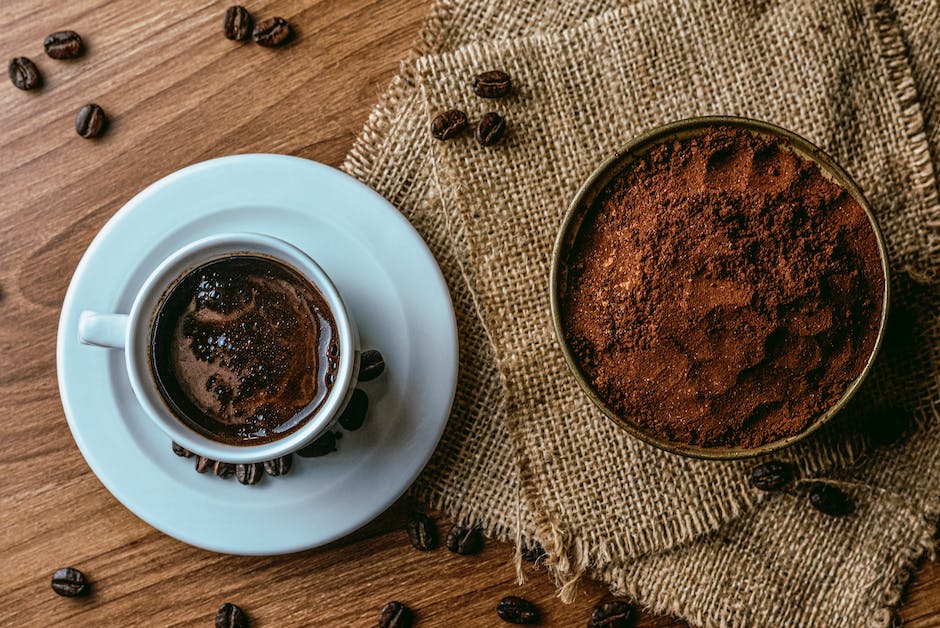
Guatemala is home to some of the best coffee beans in the world. The flavors and aromas of coffee vary from region to region, so each cup you try will be unique.

History of coffee farming in Guatemala

Coffee was introduced to Guatemala in the mid-18th century and since the mid-19th century has become an important part of the country’s economy and culture. Farmers have worked hard to improve coffee quality and now Guatemala is ranked as one of the best coffee producing countries in the world. Over the years, Guatemala has developed into a global coffee superpower and its coffee quality and unique flavors have become well known worldwide.

Coffee regions in Guatemala: from Antigua to Huehuetenango

There are eight main coffee regions in Guatemala, each with their unique differences in taste and aroma. Whether it’s Antigua, known for its sweet and chocolatey coffee, or Huehuetenango, known for its fruity acidity, each region offers something unique to the coffee lover. Other regions include Atitlán, Cobán and San Marcos, each with its own distinct character. A good way to discover these different flavors is by visiting cafés and tasting activities that focus on coffee from different regions.

Visiting coffee plantations in Guatemala

If you want to get an authentic Guatemalan coffee experience, you should not miss visiting a coffee plantation. Here you can discover all the hard work that goes into creating the perfect cup, as well as get an insight into the lives of local farmers.

A trip to a coffee plantation is a unique experience. You can take a guided tour, see how the beans are harvested and processed, and of course taste fresh coffee straight from the plantation. There is also the opportunity to learn how to roast your own beans and participate in other activities related to coffee growing. There are many plantations around the country, including in the regions of Antigua, Huehuetenango and Cobán.

Meet the people who make your coffee cup possible

Visiting a coffee plantation gives you the chance to meet the people who grow the beans. You will have a greater appreciation for the time and effort that goes into making a single cup of coffee. By interacting with farmers, you can also learn more about their experiences, challenges and coffee growing methods.

Experiences beyond the plantation

Guatemala boasts a rich cultural and geographical landscape. Explore the wonderful landscape and try local specialties.

When you’re not visiting plantations, take the time to properly research this fascinating country. Guatemala has a rich culture and history with a variety of peoples, including Native American and Mayan communities. Visit cities like Antigua with its colonial architecture, Chichicastenango with its colorful markets and Tikal with its impressive Mayan ruins. In addition to this, Guatemala also has stunning natural landscapes, including volcanoes, lakes and rainforests that are worth exploring.

Try traditional dishes with a locally made cup of coffee

Try different indigenous dishes that perfectly complement a cup of Guatemalan coffee. Enjoy a traditional breakfast of eggs, black beans, tortillas and a cup of freshly brewed coffee – it’s a true taste adventure! Other popular local dishes include pepián (a meat stew), tamalitos (a type of tamales) and chiles rellenos (stuffed peppers). Coffee is an important part of Guatemalan cuisine and goes perfectly with these dishes.

Bringing coffee home from Guatemala

Guatemala offers delicious coffee beans you can take home and enjoy. Grab a bag or two of your favorite beans and brew them at home to relive the taste of Guatemala. What’s more, your purchase supports local farmers and helps carry on the coffee tradition.

The future of Guatemala’s coffee tradition

Farmers continue to work hard for quality, and research is carried out to develop new varieties and techniques. By supporting local production, you become part of their future and help promote sustainable coffee farming. If more people discover and choose Guatemalan coffee, demand will increase, which could lead to increased exports and further development of the coffee sector in Guatemala.

By buying Guatemalan coffee products you support local farmers

Every time you buy a cup of Guatemalan coffee, you help support the country’s sustainable development. You help improve the living conditions of coffee farmers and their families. Your contribution makes a difference, so why not take home a little piece of Guatemala in your suitcase? Or order Guatemalan specialty coffee directly from us at White Elk Coffee.

Unique coffee challenges in Guatemala

Frequently Asked Questions – Turista in coffee country Guatemala

When is the best time to visit the coffee plantations in Guatemala?

The best time to visit the coffee plantations in Guatemala is between December and May, when it is harvest season. During this time, you can get a real experience of coffee making and participate in harvesting activities. However, it is important to keep an eye on the weather, as the rainy season can affect your visit.

What visa requirements do I need to take into account when traveling to Guatemala?

As a Swede, you only need a visa if you plan to stay in Guatemala for more than 90 days. However, it is important to be aware that the visa requirement may be affected by local political events. We recommend that you check this in advance to avoid unpleasant surprises. Make sure you have all the necessary documentation ready and inform yourself about the security situation in the country before you travel. Travel insurance can also be a good idea for extra peace of mind.

How can I be a responsible tourist in Guatemala?

To be a responsible tourist in Guatemala, it is important to respect the country’s culture and environment. Support local farmers by buying their products and avoid disturbing wildlife. Be respectful of local people and show interest in their traditions and way of life. When shopping at markets, be reasonable when negotiating prices. By being responsible, you can contribute to the country’s sustainable development.

What can I expect on a coffee plantation in Guatemala?

During a visit to a coffee plantation in Guatemala, you can expect to have an authentic Guatemalan coffee experience. You can take guided tours to see how coffee beans are harvested and processed. You will also have the opportunity to taste fresh coffee directly from the plantation. Some plantations also offer activities where you can learn how to roast your own beans. Why not take the chance to get an insight into the lives of local farmers and interact with them to learn more about coffee farming?

What other experiences can I have in Guatemala besides visiting coffee plantations?

If you get tired of coffee plantations, you can explore much more in Guatemala. This fascinating country has a rich culture and history with diverse peoples and well-known attractions. Visit cities like Antigua with its colonial architecture, Chichicastenango with its colorful markets and Tikal with its impressive Mayan ruins. Guatemala also has stunning natural landscapes such as volcanoes, lakes and rainforests that are well worth exploring. You can also try traditional dishes that perfectly complement the locally produced coffee.

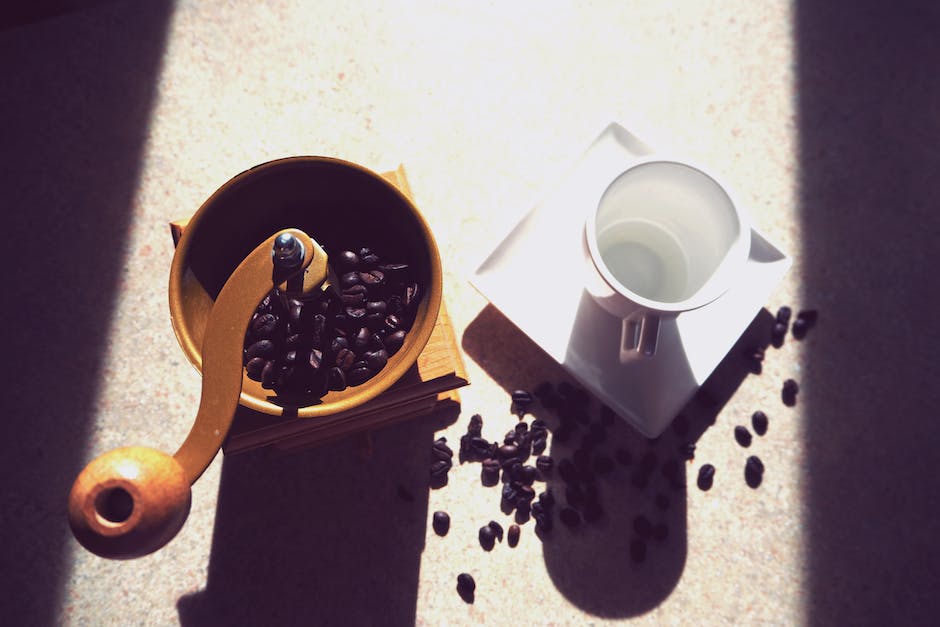
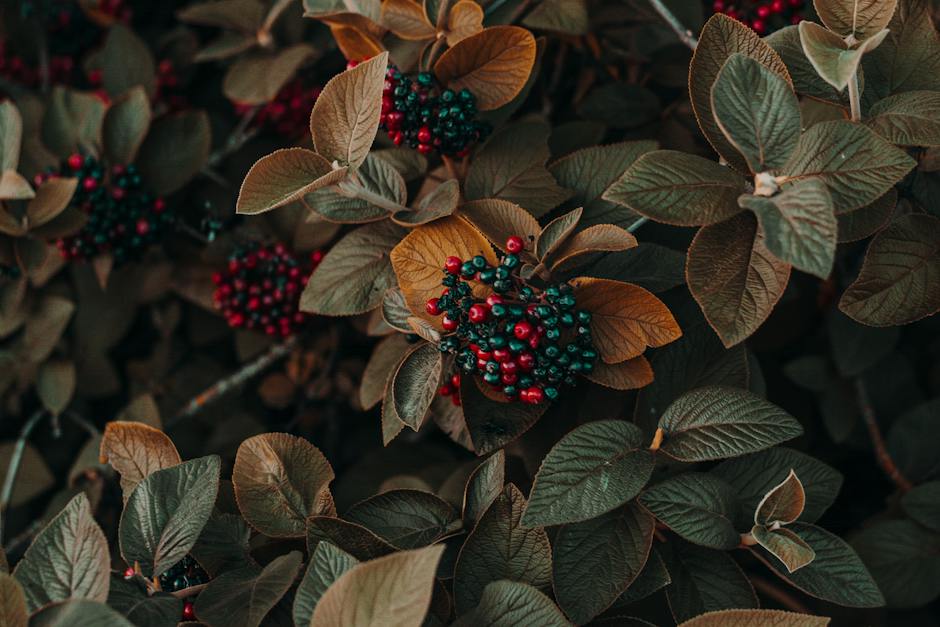
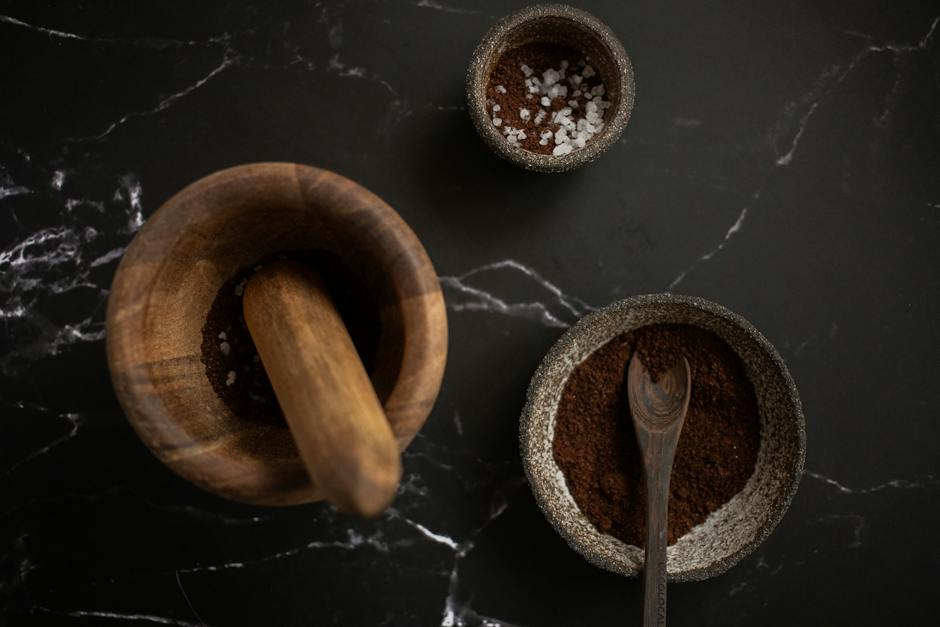
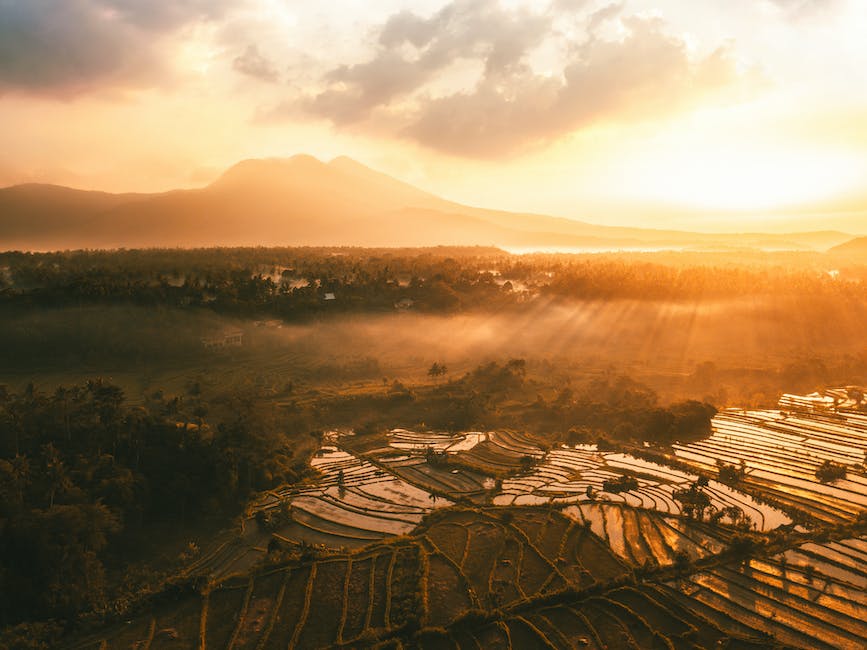
Photos of coffee plantations in Guatemala with beautiful landscapes and traditional coffee processing methods.

Photo by Luis A. Dumois N. on Pexels
Photo by Maria Orlova on Pexels

Continue reading

Posted on

Coffee brewing or pour over – what suits you best?

Coffee Brewing or Pour Over – Your Guide!
coffee brewing techniques batch brewing pour over images

“Whether you choose the safe embrace of coffee brewing or explore for creative freedom, every cup is an invitation to a world of flavors waiting to be discovered.”

Welcome to the two worlds of coffee lovers

Let’s dive into the parallel universe of the coffee lover. On the one hand, we have the traditional coffee maker, a faithful friend over the decades for brewing several cups at a time. On the other side is pour over, the trendy option that challenges the taste buds with its precision. From ordinary workplaces to fashionable cafés, coffee making has evolved in its sophistication. And coffee culture in general has been a driving force in its development; each sip should now reflect a history of taste and craftsmanship.

The transformation of coffee culture

There is talk of a transformation, a coffee renaissance, where the craft of brewing is increasingly admired and now seen as an art form. With the evolution of different methods, we have gone from a simple push of a button in the morning to intricate hand rituals by coffee artists. Specialty coffee shops are popping up like mushrooms and with them, a new appreciation for batch brew (brewing many cups in your coffee maker) and the more artisanal pour over.

The influence of specialty cafés

The trend is set, and specialty cafés and micro-roasteries are driving the development. Thanks to simple yet sophisticated coffee equipment like the Hario V60, even baristas in cafés have been able to offer a pour-over show that dares to challenge the static brewer. It’s a new era of coffee experiences where carefully selected beans get their moment in the spotlight, and the brewing method is as much part of the conversation as the drink itself.

A worldwide trend

In Japan, pour over is not just a trend, it’s almost a religion. The same preference is evident among coffee lovers in Taiwan, and in Thailand, you’d have to look hard to find a regular coffee maker in the corner café. This global trend in coffee brewing is creating a diversity of flavors and traditions that all respect the deep knowledge and passionate craftsmanship required to make a superior cup of coffee.

Pour over – an art form in the world of coffee

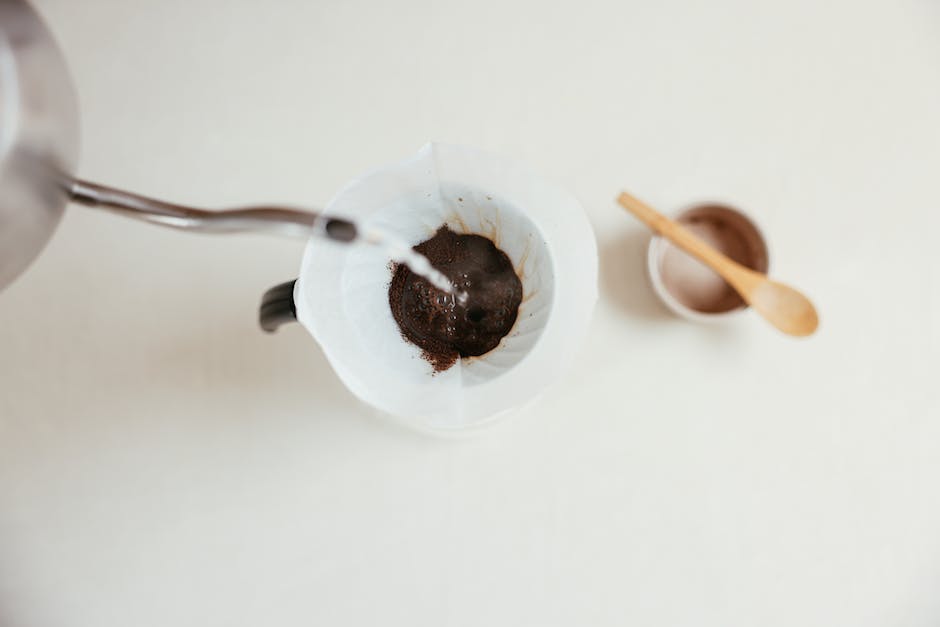
On paper, pour over looks like a simple method: what could be so difficult about pouring water over ground coffee? But it’s much more than that for it to be good. It’s control over every parameter – from the temperature of the water to the degree of grinding, from the flow of water to which bean you use. Pour over is a symbiosis of science and emotion, where the barista can tweak and engineer the perfect cup based on the customer’s preferences.

The barista’s favorite

Talk to any barista and they will often name pour over as their favorite method. They will tell you how to fine-tune the ratio of water to coffee for each unique cup. They love the experimentation, the effect of a well-executed pour over ritual for a customer who puts taste first and respects the craft.

Batch brewing – efficiency and consistency

On the other hand, we have the good old coffee maker for workplaces and cafes that want to be able to brew a large volume of coffee with minimal effort. 15 to 20 years ago, 90% of German households stood faithfully by their regular coffee machine every morning. Today, the trend is away from coffee makers, despite great machines like the Moccamaster. Instead, it’s about keeping quality consistently high, a challenge that can only be achieved with well-calibrated recipes and precision in perhaps small, simple machines that require craftsmanship.

Technology before quality

But if you ask a professional barista about the benefits of batch brewing, they’ll tell you about the ability to serve consistent, great-tasting coffee, cup after cup. They can also use these heavy hitters in the coffee world to carry out convenient taste and quality tests on different roasts and grinds. A valuable asset in modern fast-paced coffee life, where quality must never be compromised.

Your café, your choice – combining the best of both worlds

Many café owners face the choice: coffee maker or pour over. A challenge, certainly, but not an impossibility. Smart owners know their audience and adapt their offerings accordingly, with the option of a pour over during slow periods to keep customers coming back, and a quick batch brew during peak times for that short break.

Intertwining taste and experience

Coffee is so much more than just a drink, it is an experience, a ritual moment in everyday life. With each method offered come considerations of quality, economy and aesthetics. It’s about weaving together an experience that keeps customers coming back for more.

So what’s best for you, whether you run a café or just want a great cup of coffee? Are you the meticulous soul who takes time for the ultimate pour over every morning? Or are you in constant search of efficiency? Whatever your preferences and personality type, you have the opportunity to define your next coffee experience. Explore, experiment and, above all: enjoy every sip of your decision.

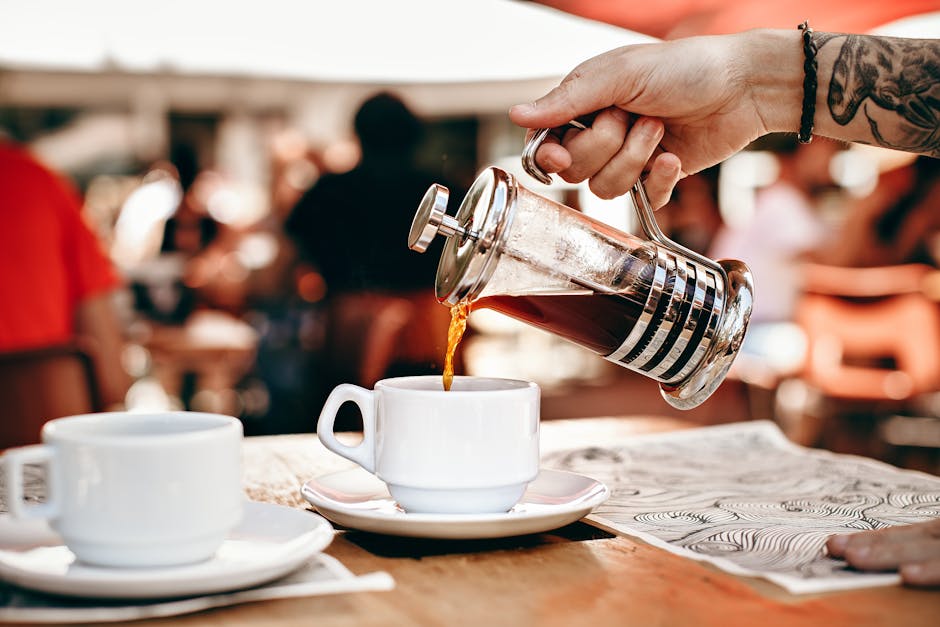
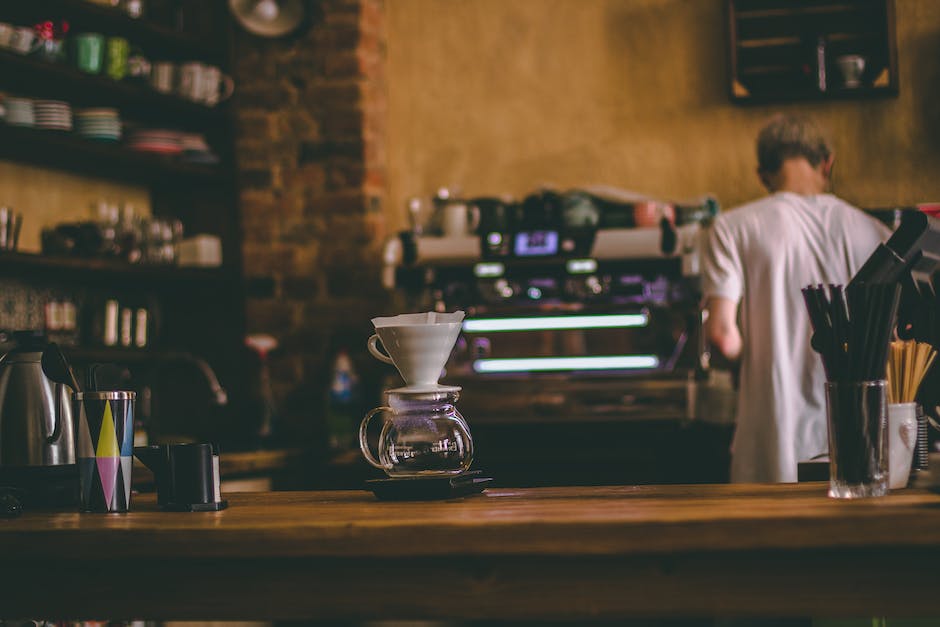
Modern coffee brewing methods and pouring coffee

FAQ – Coffee brewing or pour over – what suits you best?

What are the main advantages of pour over compared to batch brew?

The main advantages of pour over are the flexibility of the brewing process and the ability to customize the coffee for each unique cup. Baristas can refine the water-to-coffee ratio, temperature and grind to bring out specific flavors and strengths based on customer preferences. It also provides a more personalized experience for both the barista and the customer, creates opportunities for experimentation and is usually cheaper in terms of equipment than good batch brewers.

Can pour over really make a difference in taste compared to batch brew?

Yes, pour over can definitely make a difference in terms of flavor compared to batch brew thanks to the controlled brewing process. This method allows fine-tuning of the brewing parameters, which in turn can extract different flavor profiles from the coffee beans. However, it is worth mentioning that some customers may not notice the subtle difference in performance, especially if they are not used to specialty coffee.

How can specialty coffee shops balance the need for quick pour overs and the efficiency of batch brew?

To balance the need for quick pour overs and the efficiency of batch brew, specialty coffee shops can offer both options. During quieter periods, they can focus on serving personalized pour overs, while during times of higher customer flow, they can rely on batch brew to quickly and consistently serve quality coffee. It is important to carefully develop brewing recipes and ensure that equipment and processes are optimized for the best possible results whatever the method.

What should a coffee shop owner consider when choosing between pour over and batch brew?

A coffee shop owner should consider the preferences of the customer base, the skill of the staff involved and the time taken to serve coffee when choosing between pour over and batch brew. It is also important to consider the desired coffee experience, economic aspects such as equipment cost and the volume of coffee expected to be served. A combination of both approaches may be optimal to meet different customer needs and manage varying customer flows.

Is it economically viable to invest in both pour over and batch brew equipment for a coffee shop?

The investment in both pour over and batch brew can be economically justifiable, especially if the café has a broad customer base with varying preferences. Pour over equipment is relatively inexpensive and can increase the appeal of the café by offering an artisanal, personalized service. Batch brew is an efficient way to handle large volumes and guarantee a consistent product. By offering both methods, a café can attract both customers in a hurry and those looking for a unique coffee moment, which in turn can increase revenue and customer loyalty over time.

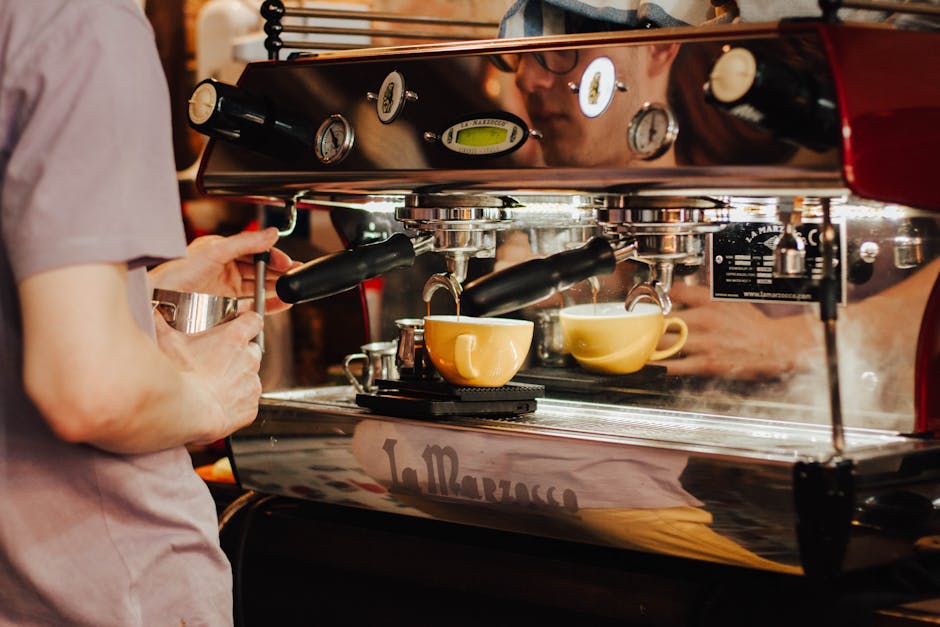
Artistic coffee brewing methods and specialty coffee experiences

Photo by Jonathan Borba on Pexels

Photo by Ketut Subiyanto on Pexels

Photo by Ketut Subiyanto on Pexels

Continue reading

Posted on

Moka maker: Step-by-step guide to perfect coffee

Moka maker: Perfect coffee in steps.
Step-by-step guide to brewing perfect coffee with a moka pot.

“The moka pot – an indisputable partner for perfect coffee art.”

Moka maker: Step-by-step guide to perfect coffee

Come and discover the history of mocha brewing

The moka maker is a simple and convenient coffee maker that can deliver a great tasting cup of coffee when used properly. But do you know where this magical coffee maker comes from? Let’s take a closer look at the history of the mocha and its Italian origins.

The moka pot was invented in 1933 by Italian engineer Alfonso Bialetti. His vision was to create a coffee maker that could produce similar results to traditional espresso machines, but at a more affordable price. The result was the mocha maker, which quickly became a favorite in Italian kitchens and went on to conquer the rest of Europe.

What you need before you start

Before we dive deeper into how to brew the perfect coffee with your moka pot, let’s first talk about what sets the best moka pots apart from the mass-produced varieties. One of the most important factors is the material of the brewer itself. You can choose between mocha makers made of either stainless steel or aluminum. Both variants have their advantages and disadvantages, but a stainless steel moka pot tends to be more durable and has better thermal conductivity compared to an aluminum one.

Different sizes of mocha makers

Another aspect to consider before buying a moka machine is how many cups of coffee it can brew for you. There are different sizes to choose from, ranging from 1-cup moka pots perfect for single coffee lovers to the 9-cup version ideal for serving coffee to the whole party. So make sure you choose the right size for your needs and preferences.

No more bitter mugs – the secret to perfect brewing

Now it’s time to find out how to avoid bitter cups and instead achieve the perfect brew with your mocha maker. There are some common mistakes that many people make when brewing coffee with the moka pot, but we’ll help you avoid them. Then we’ll go through a step-by-step guide to ensure you get the best possible results every time.

One of the most common mistakes is to use ground beans that have become old and lost their freshness. To really bring out the flavors in your coffee, you should use freshly ground beans. Also avoid grinding the coffee too finely, as this can lead to over-extraction and clogging of the filter. A medium roast is usually the best choice for a moka maker, as it results in a well-balanced and tasty cup of coffee without unwanted bitterness.

In addition to choosing the right coffee, it is also important to have the right water temperature and brewing time. When filling the bottom chamber of your moka pot with water, make sure it is cold water and not hot water straight from the tap. Optimal brewing temperature is around 90-95 degrees Celsius. When it comes to brewing time, you can use a rough rule of thumb and remove the brewer from the heat when half of the coffee has been brewed. This is to avoid the last drops becoming bitter and affecting the taste.

Finally, we’d like to share some additional tips and tricks to bring out the flavor of the coffee in your mocha maker. If you want to experiment with different flavors, you can add a pinch of spices, such as cinnamon or vanilla, to your coffee before brewing. Remember to clean your moka maker thoroughly between each use to avoid old coffee stains and coffee grounds affecting the taste of future brews.

Tips for brewing coffee with a moka pot

FAQ – Moka maker: Step by step guide to perfect coffee

Where does the mocha maker come from?

Invented by Italian engineer Alfonso Bialetti in 1933, the mocha has since become popular in Italy and the rest of Europe.

What is the difference between stainless steel and aluminum mocha makers?

A stainless steel moka pot is more durable and has better thermal conductivity compared to an aluminum pot.

What sizes are available for mocha brewers?

There are different sizes to choose from, from 1-cup moka pots for single households to the 9-cup variant for serving coffee to several people.

How do I avoid bitter flavors when brewing with the moka maker?

To avoid bitter flavors, you should use freshly ground beans and avoid grinding the coffee too finely. A medium roast usually gives the best results in the moka maker without unwanted bitterness.

How do I clean my moka pot?

To clean the mocha maker, you can disassemble it and rinse all parts with water. It is important to avoid washing the moka pot in a dishwasher as this can cause corrosion.

Photo by Elle Hughes on Pexels

Photo by Taryn Elliott on Pexels

Photo by Jack Sparrow on Pexels

Continue reading

Posted on

Coffee at home – the trend that will finally take over in 2024?

Coffee at Home: Biggest Trend in 2024!
coffee revolution home kitchen cozy coffee corner espresso machines coffee grinders coffee core trend brewing perfect coffee Generation Z coffee culture online financial savings home coffee news

“As time goes by, our homes are transforming into personal coffee bars, where every cup is a celebration of the art of personal taste. Coffee at home is not just a trend, it’s a lifestyle that brews comfort and quality with every steaming brew.”

Welcome to the coffee revolution at home

Swedish kitchens are bubbling with enthusiasm as the coffee-at-home trend washes over the nation like a much-needed caffeine wave. But wait, is this a fad or are we heading for a caffeinated utopia in 2024? The pandemic’s unforeseen stay-at-home work, coupled with high inflation and massive commodity price increases, has left its mark on our daily lives and our wallets. The result? We Swedes have become baristas in our own homes. One cup at a time, kitchens are being transformed into cozy coffee corners, and as coffee prices rise, the home brewer is taking an increasingly central role in our lives.

From coffee breaks to kitchen brewers

Forget the old “fika-fiket”. Now it’s time for kitchen brewers! The changing landscape of work has created a coffee paradise in our own kitchen. With roughly 30% of remote workers having invested in a new coffee machine since the time of the pandemic, it’s no surprise that we’re seeing an uptick. According to the National Coffee Association, data shows that 84% of coffee enthusiasts now choose to enjoy their daily dose of java in the comfort of their home, a steady increase compared to just a few years ago. And yes, these figures are spilling over into the Swedish market too, where home coffee-making has become as popular as tacos on a Friday.

Investing in a barista experience

The Swedish love of coffee has reached a stage where a simple coffee maker is no longer enough. The fascination with recreating the café experience has led many to go all in. Espresso machines, coffee grinders and specialty coffee equipment take pride of place on the counter. The luxury milk frothers are not only a way to impress your neighbors, they also reflect our growing interest in taking coffee craftsmanship to a whole new level.

The new luxury: exclusive coffee in the living room

With the trend term “cafe core” predicted to be big in 2024 according to Pinterest, we can expect living rooms to become the new local cafes. Pinterest searches like “coffee bar styling” and “coffee station decor” have exploded by 1120% and 145% respectively between 2021 and 2023. There is no doubt that Swedes are designing their own little coffee oases. From specialty beans that feel as exotic as a vacation to Bali, to personalized café design that gives the feel of a private barista – we demand quality and style, at home!

Details that make the difference

A quality brewer here, a bottle of homemade hazelnut syrup there, and the market for coffee accessories is booming more than canola fields in May. Consumers are looking for complementary brewing tools and appliances. Brands like Fellow have taken this craving to heart, attracting $30 million in funding last year for their high-quality coffee beverages.

The technology behind the perfect coffee

Let’s not underestimate the role of technology in our home-brewed adventures. Companies like Keurig and Nespresso have found their way into our kitchens and hearts. When it comes to perfecting that homemade cup of coffee, we don’t settle for second best – home coffee makers today come with everything from programmable brew times to personalized flavor profile settings.

When Generation Z takes over the coffee scene

The young and excited Gen Z generation arrives on the coffee scene with smartphones in hand and TikTok in sight. Their influence is undeniable – with a desire to make an impact and a sense of trendiness, they are creating new movements in coffee culture. With 49% of Gen Z accessing their coffee knowledge via TikTok, we can be sure that their coffee decisions are well filtered and hashtagged.

At the time of writing, the hashtag #coffee has over 71.4 billion views on TikTok and #coffeestationidea over 62.4 million. Influencers share their tricks and tools – not only for the enjoyment, but also to show how easy it is to make your favorite Pixar movie-inspired latte at home, instead of hustling at Espresso House.

Goodbye café chains, hello home-brewed convenience

It’s beginning to look like the big coffee shop chains will have to watch out, as the convenience of brewing coffee at home becomes apparent across the country. Starbucks swallowed a bitter pill in the fall of 2023 when it lost over 10% of its market capitalization, a loss that amounts to an extreme $12 billion. Could this be a sign that we are choosing the sofa and the home brew over the local café?

By rejecting the expensive coffee chains, there may actually be enough money saved for something bigger; maybe even a house in the long run. When we gigglingly make our own frosted frappuccinos at home, we can laugh all the way to the bank! Every penny saved on a coffee shop visit is another penny in the till to reach our financial goals – and maybe even to put a silver lining on the coffee mug.

The future of coffee at home – what’s around the corner?

Speculating about the future can be as risky as predicting the Swedish summer, but one thing is certain in the world of coffee: innovation is always around the corner. And with the home coffee industry bubbling with excitement, we can expect everything from AI-based brewers to climate-smart coffee pod systems. The potential is huge, and soon even the last skeptic may be turning on his espresso machine and muttering “the best coffee is the one brewed at home.”

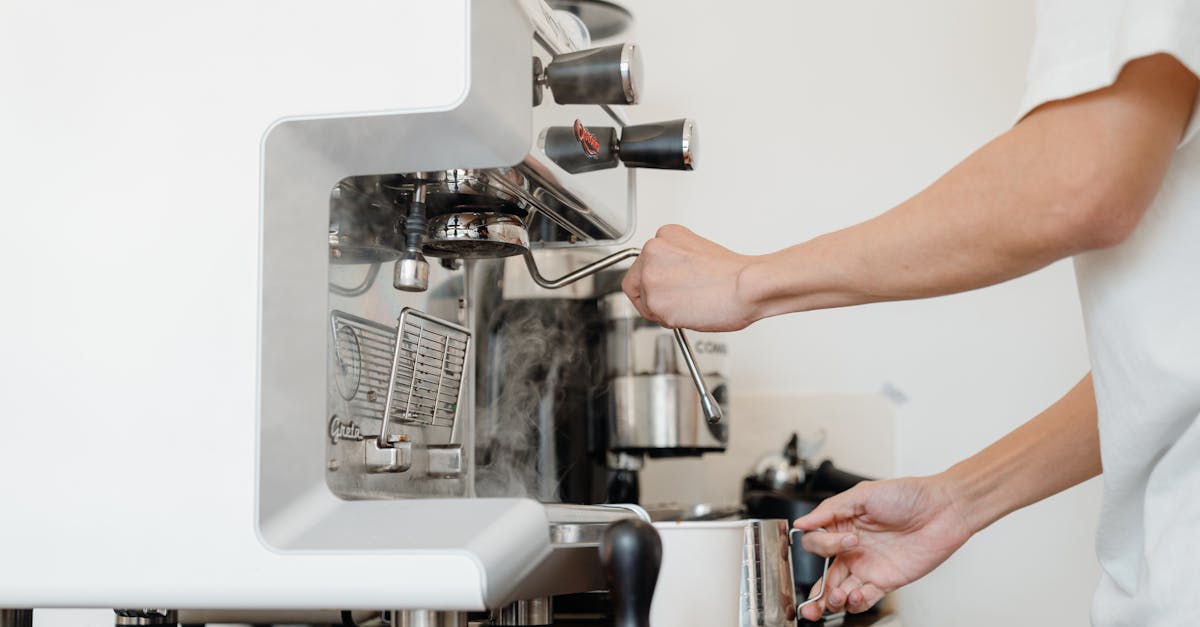
Home coffee brewing equipment and accessories

FAQ – Coffee at home – the trend that will finally take over in 2024?

Is the reason for the home coffee trend solely the pandemic?

No, although the pandemic was a catalyst, it’s a combination of factors that have influenced the at-home coffee trend, including increased coffee prices and an increased interest in quality experiences at home. In addition, technological developments in coffee machines and specialized equipment have played a major role in making home brewing more accessible and enjoyable.

How much growth have we seen in home espresso since the start of the pandemic?

Espresso consumption at home has increased by a significant 30% since the pandemic started. This shows a strong shift from coffee in cafés to a more intimate and personalized coffee experience at home.

What are the most popular searches related to home coffee on Pinterest?

The most popular searches on Pinterest related to home coffee are “coffee bar styling” and “coffee station decor”, which have seen an increase of 1120% and 145% respectively between 2021 and 2023. This indicates a growing interest in coffee tablecloths and the creation of personalized coffee stations at home.

Is there an economic advantage to home brewing compared to buying coffee out?

Yes, by brewing coffee at home instead of buying it in cafés, consumers can save money that can eventually be used for other larger investments, such as putting some of the savings towards a home. Making your own coffee drinks such as frosted frappuccinos at home can be both an enjoyable and cost-effective experience.

What can we expect from the home coffee industry in the future?

In the future, we can expect continued innovation in the home coffee industry, such as AI-based brewers and climate-smart coffee pod systems. With the demand for specialized and premium home coffee-related products and experiences, the potential is huge, and it is likely that we will see more advanced and convenient coffee brewing at home.

coffee brewing technician

Photo by azzam zicc on Pexels

Photo by Timi Keszthelyi on Pexels

Photo by Tim Douglas on Pexels

Continue reading

Posted on

Brewing coffee: your complete guide to making it perfect

Brewing coffee: How to make it perfect!
Step-by-step guide to making perfect brewed coffee with White Elk Coffee Roasters' high-quality beans.

“How to make brewing coffee? It’s like creating a work of art every morning – a balance between the right amount of coffee, water and time. The perfection lies in finding your own personal recipe and savoring every drop of the perfect cup of coffee.”

Brewing coffee: your complete guide to making it perfect

The first cup – treat yourself to a taste journey

Welcome to the exciting world of brewing coffee! Maybe you’ve already fallen for the smell and taste of a steaming cup of brewed coffee, or you’re curious to explore it for the first time. Either way, this is your guide to making the perfect brew.

A cup of brewed coffee is the result of coffee’s fascinating journey from cultivation to your kitchen. From the sunny coffee fields of Central and South America, for example, the coffee beans have been picked, dried, roasted and packaged. Now it’s time for you to take over and create magic with brewing coffee.

Brewing coffee for a novice

Wondering what makes brewed coffee different from other coffee preparations? The answer is simple – brewing coffee is the most common method of making coffee. It can be done with the help of a coffee maker that uses hot water that runs down through the ground coffee beans and is filtered to create the tasty drink we love. Simple, right?

When you first get acquainted with brewing coffee, it can be easy to get confused by all the technical jargon. But don’t worry, we are here to clarify the concepts. A coffee maker works by pouring water into a container, heating it to the right temperature and then letting it drip down through the coffee filter. The result is a cup of coffee you can enjoy every morning.

How to make brewed coffee – step by step

Brewing coffee is a simple process, but there are some important steps to follow to get the perfect result. First of all, it is important to use high-quality coffee beans. There are different varieties to choose from, so pick one that suits your taste.

The next step is to measure out the right amount of coffee and water. A good rule of thumb is to use one tablespoon of coffee per cup of water. To get the perfect balance, you can experiment with the amount of coffee to find your personal taste.

Once you have the beans and the amount of coffee in place, it’s time to fill the water reservoir in your coffee maker. Make sure the water is fresh and clean for the best taste.

If you have a drip stop on your coffee maker, you can let the filter fill with water. You can also stir the coffee water with a wooden spoon. The longer you leave the ground coffee beans in the water in the filter, the more strength from the beans you get into the coffee pot. When you are satisfied, turn off the drip stop and let the coffee drip into the coffee pot.

Secrets behind a magically good brewed coffee

If you want the absolute best brewing coffee, it’s no secret that beans play a crucial role. They have the biggest impact on how good your coffee will be in the end. To guarantee high quality and a great taste, we recommend buying your beans from White Elk Coffee Roasters.

White Elk Coffee Roasters is known for its fine beans and expertise in the art of coffee roasting. Their carefully selected beans will give your brewed coffee a unique taste experience you won’t forget. So why not try our beans and take your brewing coffee to a whole new level?

Step-by-step guide to brewing the perfect coffee with high-quality beans.

FAQs – Brewing coffee: your complete guide to making it perfect

What is brewed coffee?

Brewing coffee is the most common method of making coffee. This means that hot water runs down through the ground coffee beans and is filtered to create the tasty drink we love.

What are the main steps to make brewing coffee?

The key steps to making brewed coffee are to use high-quality coffee beans, measure the right amount of coffee and water, fill the water reservoir in the coffee maker with fresh and clean water, and let the coffee drip into the coffee pot at the desired strength.

How can I improve the taste of my brewed coffee?

To improve the taste of your brewed coffee, you can use high-quality coffee beans from White Elk Coffee Roasters. Their carefully selected beans and expertise in the art of roasting coffee will give your brewed coffee a unique taste experience you won’t forget.

Where can I buy high-quality coffee beans for my brewing coffee?

We recommend buying high-quality coffee beans from White Elk Coffee Roasters. Their beans are known for their high quality and great taste, which will take your brewing coffee to a whole new level.

How much coffee and water should I use to make brewed coffee?

A good rule of thumb is to use one tablespoon of coffee per cup of water. You can experiment with the amount of coffee to find your personal taste and the perfect balance in your brew.

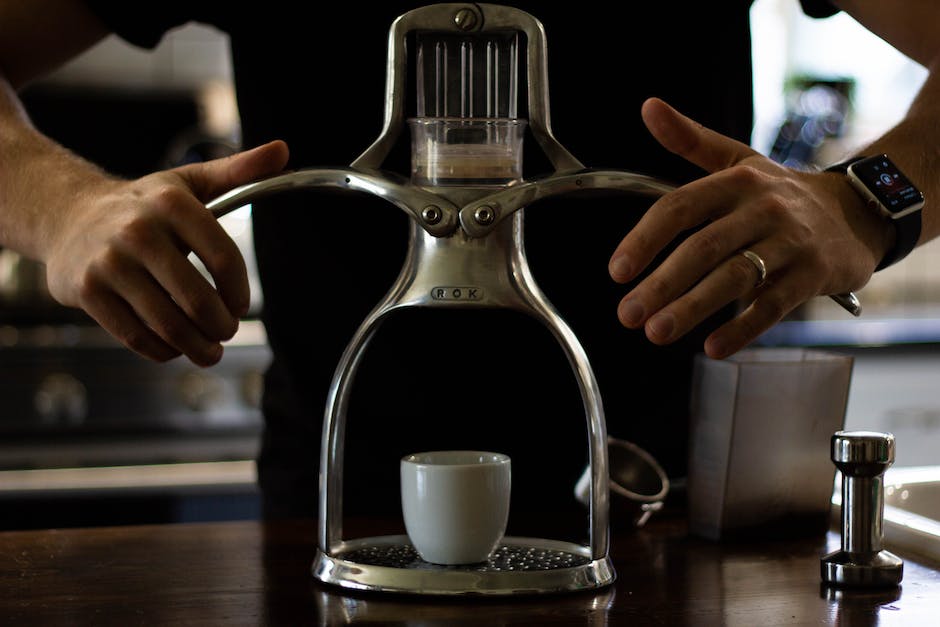
High quality coffee brewing process with beans from White Elk Coffee Roasters.

Photo by George Milton on Pexels
Photo by Rachel Claire on Pexels
Photo by Ketut Subiyanto on Pexels
Continue reading

Posted on

The great coffee country of India beyond the clichés

India’s Coffee Miracle – Beyond Clichés
Indian coffee culture traditional family-owned plantations modern urban cafes high quality beans innovative brewing methods baristas art ecological sustainable trend India's coffee secrets

“India is more than just a spicy fairy tale; it is a brewed and complex reality, where every coffee cup tells a story of tradition and modernity.”

An inviting scent of adventure

When you step off the plane and are greeted by the noisy vitality of India, a fragrant cacophony hits you. Among the thousands of scents, one in particular stands out. Yes, you guessed it – it’s coffee. Here in this vast country, so renowned for its tea, another story is beginning to germinate. Forget chai and tandoori; it’s time to break down the myths and see India as one of the world’s top coffee producers.

Coffee appeared in the lush lands of India hundreds of years ago. Legend has it that a pilgrim smuggled sacred coffee beans home from a trip to the Middle East, and thus began the era of coffee in India. From humble beginnings, India’s coffee culture, like a robusta bush, has taken deep root and grown strong. Today, India is a coffee powerhouse, producing world-class beans.

In the heart of the coffee plantations

How about a trip beyond the clichés to a world where coffee plantations rule? We’re talking the heights of southern India, where arabica and robusta not only survive, but dominate. Here, among cardamom and peppercorns, coffee bushes crowd an incredibly beautiful landscape.

Green hills spread out like natural oceans, where each wave is one of the many curves of the plantation. Being greeted by the warm smile of a coffee farmer is like stepping into another world. Stick a coffee bean in the ground and watch the heart of an entire community beat. These fields are not just crops – they are love, tradition and hope, all planted in every seed.

Coffee as a family tradition

Talk to a local grower and their eyes will sparkle as they tell you about family-run plantations, some older than the idea of freedom itself in India. Cultivation is a song sung from mother and father to son and daughter, a voice strong with heritage and knowledge passed down between generations. Here, every coffee bush has its story, every coffee cup its soul.

From flower to bean

The adventure begins with a flower – white and fragrant like a tropical night. The bean’s journey from flower to cup is a Nobel Prize-winning novel. Pollination, growth, harvest. The care and precision that cultivation requires is truly an art form. The beans are then dried under the hot Indian sun, before waiting to be transformed into the elixir that brings half the planet to life every morning.

City noise and coffee culture

But India’s coffee tradition is not limited to rural idylls. In the hustle and bustle of the city, where contrasts crash and meet, a new coffee culture has emerged. In metropolises like Bangalore and Mumbai, millennials gather in coffee temples where a flat white is more than a drink – it’s a lifestyle. Coffee shops are no longer just pit stops but the hub of urban Indians’ daily lives.

This modern coffee attitude is in stark contrast to the traditional tea. Coffee is the new cool drink, where baristas’ latte art and specially roasted arabica beans are as much status as technology and fashion.

Baristas – the new artists of coffee

Baristas in India are not just people who happen to work with coffee – they are the Picassos and da Vincis of coffee. Using an espresso machine as a paintbrush, they create works of art in every cup. These kings and queens of coffee froth milk, grind magic and serve personality in every sip.

India’s secret coffee recipe

Let’s be clear now – India’s coffee is not standard coffee. Don’t expect a regular cup of brewed coffee here. Traditional methods such as filter coffee, where water is dripped through ground beans, produce an incredibly rich flavor. So what makes it so special? It’s a mix of quality, love and a thousand-year-old habit of doing things a little differently.

Experimenting with spices and flavors is part of India’s DNA. No exception here; the coffee takes a spin with, among other things, chicory that gives a dark, almost mystical character to the drink.

A sustainable cup

Coffee in India is not just about taste – it also flirts with the future and sustainability. Many plantations follow an organic approach, where chemicals are rationalized and fair working conditions are standard. This is coffee that feels as good in the heart as it does on the tongue.

Organic certification and fair trade labels are spreading like wildfire around the world. It’s a trend that benefits not only the environment and the local population, but also the wallet of those who want to invest in a compelling story and a clean product.

Coffee as an economic engine

India’s coffee market is a titan of the economy. In front of you, we have an export market where the beans are shipped all over the world, with Europe, Russia and the Middle East being some of the biggest buyers.

Coffee contributes billions to India’s GDP and provides jobs for many. As a true economic engine, this sector pumps life into both urban and rural parts of the country. The grains of gold from southern India don’t just land in your cup, they also put vital rupees in the hands of those who wholeheartedly cultivate each bush.

A journey of taste awaits

Feel like it’s time to dive into India’s coffee adventure yourself? Start with a visit to a local coffee shop or why not a trip to the plantations themselves, where you can collect directly from the source? For the home drinker, there are endless possibilities to find the highest quality Indian specialty coffee.

Wherever you turn, there is a part of India waiting to be discovered. As good as the coffee from this country is, it would be sheer folly not to drink it. Step into a world where every cup is an invitation. Where every sip is a story of a country beyond the clichés.

Indian coffee culture pictures

FAQ – The great coffee country of India beyond the clichés

How long has coffee been grown in India?

Coffee has been grown in India for hundreds of years since it is said that a pilgrim smuggled sacred coffee beans from the Middle East.

Which coffee varieties dominate in the southern parts of India?

In the hills of southern India, cultivation is dominated by Arabica and Robusta, known for their robust and flavorful qualities.

How is coffee farming a family tradition in India?

Coffee farming in India is deeply rooted as a family tradition, where the knowledge and passion for coffee is passed down from generation to generation.

What characterizes the modern coffee culture in India’s big cities?

Modern coffee culture in India’s cities is characterized by coffee shops that are social hubs where coffee is seen as a lifestyle and status symbol among millennials.

How does the coffee industry contribute to India’s economy?

The coffee industry is a significant economic engine for India, with billions of dollars in exports and important job opportunities supporting both urban and rural parts of the country.

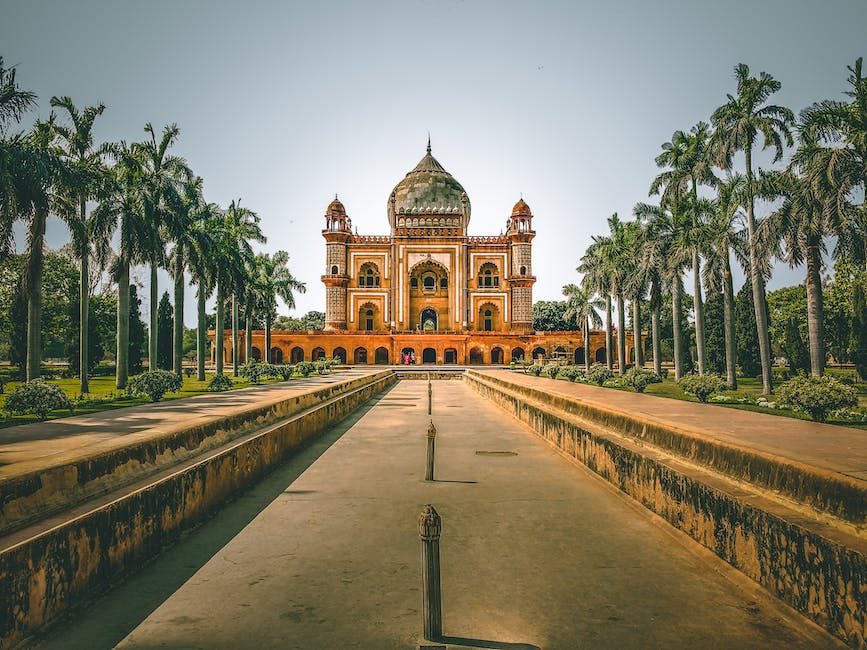
Photos of unique coffee experiences in India beyond chai and tandoori

Photo by Jeswin Thomas on Pexels
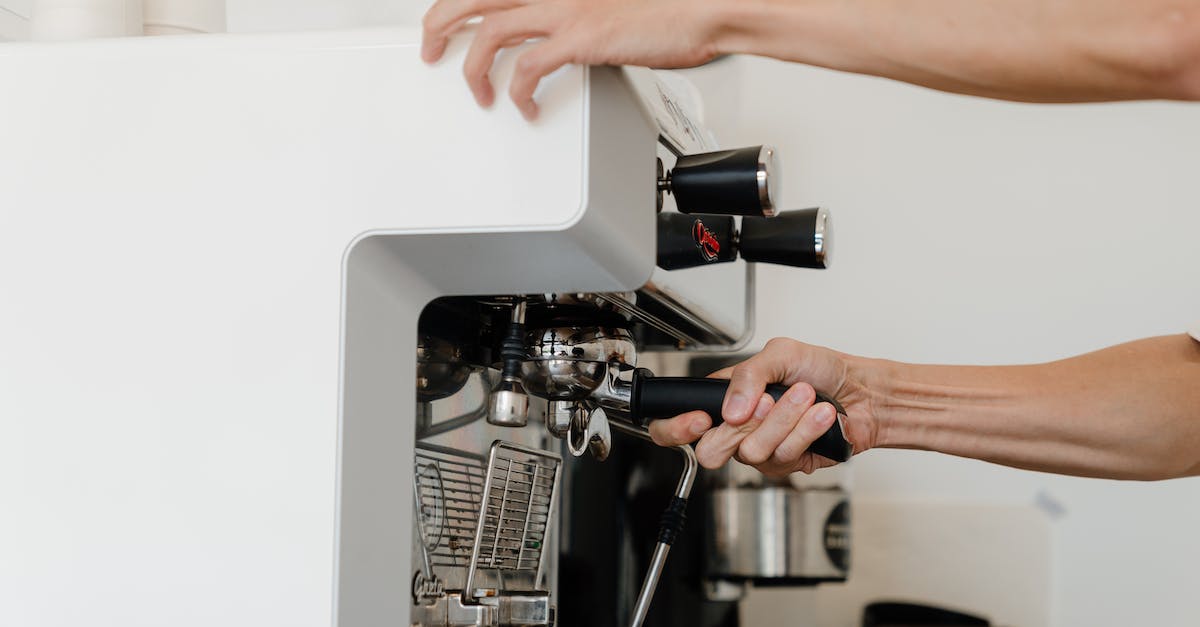
Photo by Tim Douglas on Pexels
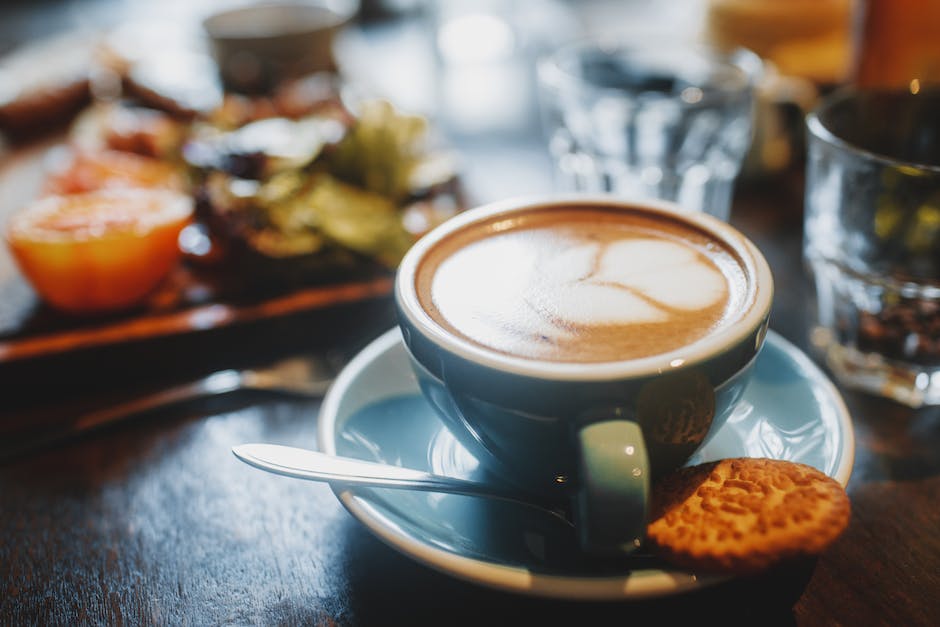
Photo by Jose Aragones on Pexels

Continue reading

Posted on

How to find the perfect coffee scale for precise brewing

Find the perfect coffee scale for precise brewing | Coffee scale
Search for the perfect coffee scale with user-friendly interface, clear display, accurate measurements and possibly water and moisture resistance.

“A coffee scale is the ultimate companion for a precise brew – it not only weighs your coffee, but also your passion for a perfect cup.”

How to find the perfect coffee scale for precise brewing

Why you need a coffee scale

Brewing coffee is an art. Achieving the perfect balance between flavor and strength requires precision and accuracy in measurements. This is where a coffee scale comes in. I’ve had several experiences myself trying to find the right proportions in brewing, and I can say with certainty that a coffee scale is an incredibly important tool for achieving optimal flavor every time.

A coffee scale helps you measure the exact amount of coffee and water used during the brewing process. By eliminating guesswork and estimation, you can ensure that you always have the same proportions, resulting in a coffee with consistent and predictable flavor. Having a coffee scale on hand gives you the opportunity to fine-tune your brew by experimenting with different weights and ratios to find the perfect balance for your personal taste preferences.

Characteristics of a good coffee scale

When you’re on the hunt for the perfect coffee scale, there are some key features to look for. First, it should be user-friendly and easy to use. A clear and easy-to-read display is also important to see the weights clearly. In coffee brewing, where speed and accuracy are crucial, it is also important that your coffee scale gives accurate readings without delay.

In addition to these basic criteria, water resistance can be a plus, especially if you use it in an environment where it may come into contact with water and humidity. A built-in timer can also be a useful feature to help you keep track of the brewing time. In addition, if you brew different types of coffee, such as espresso or pour over, you may want to choose a coffee scale adapted to the specific method you prefer.

Choices: Which type of coffee scale is right for you?

Best coffee scale according to White Elk Coffee Roasters

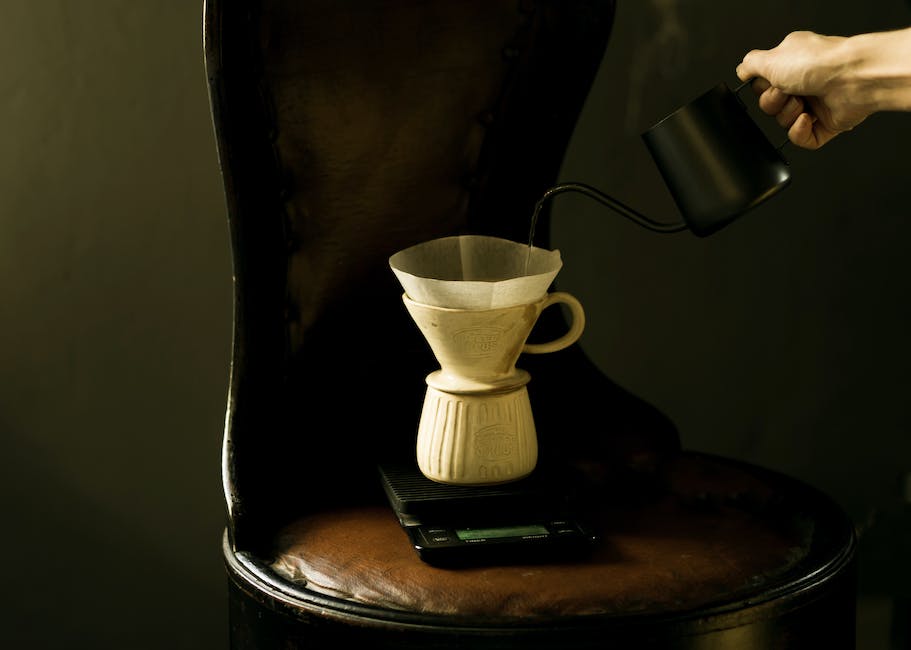
According to White Elk Coffee Roasters, there is one coffee scale that stands out from the crowd – the “HARIO V60 DRIP SCALE COFFEE SCALE”. It has all the necessary features to get the most out of your brewing. It is user-friendly and has a clear display that shows clear readings. It is also water resistant, making it ideal for use in humid environments. To read more about this coffee scale and buy it, click here.

How to use your coffee scale for best results

Using a coffee scale is not only easy, it is also essential to achieve the best results in coffee brewing. Here are some steps to make the best use of your coffee scale:

  1. Weigh your coffee and water to ensure the right proportions according to your recipe.
  2. During brewing, keep an eye on the amount of coffee to make sure you don’t over- or under-dose.
  3. Be sure to clean and maintain your coffee scale regularly to ensure that it continues to provide accurate measurements for a longer period of time.

Best ways to introduce a coffee scale into your daily routine

If you are used to brewing coffee without using a coffee scale, it can feel like a big change. But incorporating a coffee scale into your daily routine doesn’t have to be difficult. Try to adjust your brewing method to include the coffee scale measurements and see it as an exciting opportunity to experiment with different flavors and strengths. Use the coffee scale as a tool to help you understand how different brewing changes affect the taste of your coffee.

Concluding thoughts

Precision is the key to perfect coffee brewing. A good coffee scale is an indispensable tool to reach the level of precision required to get the best out of your coffee. By investing in a coffee scale and using it regularly, you will notice a big difference in the taste and quality of your coffee. So why wait? Start looking for the perfect coffee scale today and take your coffee brewing to new heights!

Search for the highest quality coffee scales with precision measurements and durable construction.

FAQ – How to find the perfect coffee scale for precise brewing

Why is a coffee scale important for coffee brewing?

A coffee scale is essential for coffee brewing as it helps to measure the exact amount of coffee and water. By using a coffee scale, you can achieve the right proportions every time and get a coffee with a consistent and predictable taste.

What are important characteristics to look for in a coffee scale?

Some important characteristics to look for in a coffee scale are that it should be user-friendly and easy to use. A clear and easy-to-read display is also important to see the weights clearly. The coffee scale should also give accurate readings without delay. If it is water resistant, that can be a plus, and a built-in timer can be a useful feature.

What type of coffee scale is best suited for different brewing methods?

There are different types of coffee scales to suit different brewing methods. For hand brewing, a simpler and affordable model may be sufficient, while for espresso a more advanced coffee scale may be preferable. It is important to choose a coffee scale adapted to the specific brewing method to achieve the best results.

What are some popular coffee scales on the market?

Some popular coffee scales on the market include the Timemore Black Mirror, Acaia Lunar, Brewista Smart Scale and Hario V60 Drip. These coffee scales have different functions and features that can suit different needs and preferences.

Why is using a coffee scale important to achieve consistent results?

Using a coffee scale is important to achieve consistent results as it helps you reproduce and adjust your recipes. By measuring the exact amount of coffee and water, you can understand how different changes in the brewing process affect the taste of the coffee and thus adjust and fine-tune to achieve the desired taste and quality every time.

Search for high-quality coffee scales with user-friendly features and reliable accuracy to improve your coffee brewing.

Photo by Olha Ruskykh on Pexels
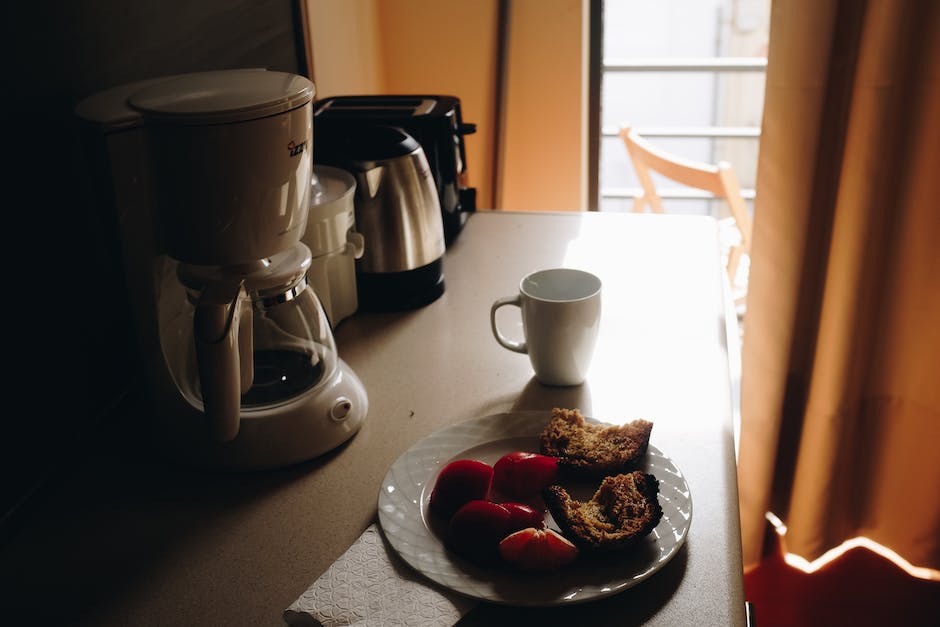
Photo by Khoa Võ on Pexels

Photo by Maksim Goncharenok on Pexels
Continue reading

Posted on

Optimal coffee beans for the press pot

Best Coffee for Press Pot 2023

“When it comes to brewing the perfect press pot coffee, it’s not just the art of pressing that counts – it’s a symphony of quality and coarse-ground perfection that comes to life in every cup.”

A fragrant introduction to the world of coffee beans

Smell the scent. We’re not talking just any old instant coffee, but the real thing – coffee beans that transform your press pot experience into something extraordinary. Have you ever wondered why the freshness and type of coffee beans can make your morning coffee a symphony or a total disaster? That is the key point here. Coffee for the press pot has sometimes been overlooked, but we intend to change that. Coffee is more than a drink, it’s a way of life, and the choice of bean is its very essence.

From French press to press pot – a coffee love story

You’ve probably heard of cafetière, French Press or plunger. Different names for the same beloved gadget – the pressure cooker. The history behind this method is as rich as the taste it evokes. Every country has its own romance with the press pot, and every coffee lover has their story. But hold on to your hats: there is no such thing as “press pot coffee”. No, it’s up to you. A taste journey that starts with the quality of the bean and the roasting date. So forget the myth of specific beans for the press pot and start experimenting!

The coffee bean takes center stage

Play with the idea: same bean, different equipment, different worlds of taste. Coffee for the press pot is all about the coffee bean as the star. Every choice you make here is reflected in every sip you take. The secret is in the flavor profile and it is directly linked to the roasting level, and there you have the spice of the coffee process. Grocery stores are churning out dark roasted beans with a “potency” that is more branding than flavor. We want facts, not fluff.

From bean to brew – the bean journey

Let’s go deeper. From the fresh, whole bean to the pot – there’s a whole science behind the perfect brew. To protect against oxidation and ensure that every aroma and nuance gets the chance to dance out, whole beans are your best friend. No frills, no excuses, whole beans deliver every time. And while the beans mature and change after the roasting date, you have a perfect time to meet them at the top of their game. Freshly roasted beans are like new love every morning.

How to choose the right coffee for your press pot

Have a taste, my friend. Coffee for the press pot is a personal matter. What tickles my taste buds might scare your neighbor. Encourage your experimentation and immerse yourself in the world of specialty coffee. With discount codes from suppliers throwing out their first order, you’ll have reason enough to jump on an adventure. Remember, it’s the whole coffee beans that give you that extra something, that something that makes a true coffee nerd nod in approval.

Discover flavors beyond the grocery store shelf

Dig for gold with specialty coffee beans. Specialists like us at White Elk Coffee Roasters have the range to make coffee lovers cheer. The brewing method will be the same, but the flavor… aha, there it is. Plus, with specialty coffee beans, you get a roast date that’s like a declaration of love for freshness.

Life after the rust date – a matter of time

Today’s lesson, gentlemen and ladies: the benefits of fresh roasting. A roasting date is not just a stamp, it is your guide to maximum flavor. After that, it will be a matter of time before the taste starts to fade. But before that, it’s showtime in your press pot every time you press the plunger.

The press pot – a method with many possibilities

Are you ready for the next chapter? Brewing methods. Each technique has its own ability to shape the character of the coffee. Do you want it stronger, more intense? Regulate the grinding, temperature, brewing time. Are you alert enough to try something new? Brewing methods like the Aeropress are stealing some of the limelight, but the press pot stands firm. British coffee movement, stand back; we’re redefining the playing field.

Not just coffee – an experience for the senses

Coffee for the press pot is a work of art. Bean after bean, roast after roast, each cup is a showcase of what the green hills and heroes of the coffee industry can offer. Not convinced? Take a sip of medium-roasted, deep and fruity, freshly ground coffee beans and tell me there’s no difference.

It’s in the details – the perfect coffee grind

Here’s a bold claim: the degree of milling is as important as the choice of bean. Too fine a grind, and you get a mess. Too coarse, and the coffee becomes limited in its flavors. Extraction is a delicate process, where every granule matters for the taste. And there is no compromise here. Get a coffee grinder, such as a Hario coffee grinder, and learn the game and discover how to take your press pot brewing to unexpected heights.

The ultimate guide to your next press pot purchase

So you want the names and numbers? No problem. The market is a treasure trove for those who know what to look for. When looking for coffee for the press pot, look for freshly roasted, aromatic coffee beans that will enhance your start to the day. Look for roasters who take pride in their art and don’t hide behind flashy marketing. And don’t forget, taste is subjective; your perfect coffee could be someone else’s nightmare cup. So tread the path with humility, but oh so stylishly.

Explore the world of coffee grounds and brewing techniques beyond the supermarket shelf.

FAQ – Optimal coffee beans for the press pot

What factors most influence the taste when brewing coffee with a press pot?

The taste of the coffee brewed in a press pot is mostly influenced by the quality of the coffee beans and the roasting date. Whole beans are recommended over pre-ground coffee as they offer protection against oxidation and provide a fresher taste experience.

Is there a difference between the coffee I buy in the supermarket and specialty coffee roasters?

Yes, there is usually a noticeable difference between coffee bought in grocery stores and that from specialty coffee roasters. Shop coffee is usually dark roasted and marketed with a “strength” indicating the level of roasting rather than taste. Specialty coffee roasters offer quality coffee with a specified roasting date that guarantees freshness and deeper flavor profiles.

Why are whole beans recommended instead of pre-ground coffee?

Whole coffee beans are recommended as they preserve the aroma and flavors of the coffee better by protecting against oxidation. Once ground, coffee beans start to lose their flavor nuances faster, which means that a pack of whole beans provides a fresher and more intense cup of coffee.

Can I use the same type of coffee bean in different brewing methods?

Absolutely, there is no special type of “press pot coffee”. The same variety of coffee bean can be used across different brewing methods, giving you the opportunity to discover how the flavors can vary depending on the characteristics of the brewing method. Which bean you choose to use in your press pot is a matter of personal taste preference.

Are there any advantages of using a press pot compared to other brewing methods?

The press pot offers a unique ability to bring out different flavor profiles in the coffee, allowing the user to customize strength and intensity by grind level, water temperature and brewing time. Many coffee enthusiasts also appreciate the press pot’s ability to create a fuller and richer cup, thanks to the fact that oils and fine particles are not filtered out as with the paper filters in other brewing methods.

Explore unique brewing methods to enhance coffee flavor profiles.

Photo by Georgi Petrov on Pexels
Photo by Ave Calvar Martinez on Pexels

Photo by Los Muertos Crew on Pexels

Continue reading

Posted on

A bunch of coffee hacks you didn’t know about

“Discover incredible coffee hacks”
coffee tricks, roasting coffee beans, making iced coffee ice creams, making coffee syrup

“Coffee is like a creativity hack – it awakens your senses and energizes you to solve all everyday problems.”

New coffee experiences with coffee hacks

Welcome to the world of coffee adventures! If you’re a dedicated DIY enthusiast and love to experiment with your coffee routine, you’ve come to the right place. In this article, we’ll explore some great coffee hacks that you didn’t even know existed. These hacks will transform your coffee experience and add an extra dimension of flavor and creativity. From roasting your own coffee beans to making iced coffee ice cream sticks and creating your own coffee syrups – we cover it all! Join us and let’s find out how you can take your coffee drinking to a whole new level.

Add new flavor to your coffee routine with these hacks

Who says your daily cup of coffee has to be boring? In this section, we will dive into several creative ways to enjoy coffee. Here are some exciting coffee hacks that will change your coffee experience forever.

Roasting coffee beans in a popcorn machine

Did you know that you can roast your own coffee beans in a popcorn machine? This is a great way to experiment with coffee at home and achieve outstanding flavors. All you need to do is buy green coffee beans and put them in the popcorn machine. Within minutes, you will have freshly roasted coffee that is full of aroma and flavor. Take the time to learn about different roasting times and temperatures to achieve your perfect roasted coffee.

Sucking on a popsicle stick with iced coffee

On hot summer days, there’s no better way to enjoy a cold coffee drink than by making iced coffee ice lollies. Not only is it a delicious treat, but it also provides a wonderful energy boost. To do this, you just need to brew your favorite coffee, add some sweetening if you prefer, and pour the coffee into popsicle molds. Place them in the freezer and after a couple of hours they are ready to be enjoyed. Perfect for coffee lovers who need to cool off in the summer heat.

Coffee ice cream

When drinking iced coffee, there is always a risk that the coffee will be too diluted when the ice melts. But there is a clever way to avoid this – by using coffee grounds. Make your own coffee ice by brewing strong coffee and pouring it into ice cube molds. When ready, you can add coffee ice to your iced coffee to maintain the flavor without sacrificing coldness. It’s a simple and smart way to enjoy a refreshing iced coffee, without having to worry about it getting diluted.

Make espresso or latte in a press pot

You don’t need an expensive espresso machine to enjoy a good espresso or latte at home. A regular press pot can do the job just as well. All you need to do is brew extra strong coffee in the press pot and then use it to make your espresso by pushing the plunger down slowly. If you’re in the mood for a latte, you can easily froth milk using the press pot. It is an easy and affordable way to enjoy quality coffee specialties without having to invest in high-end equipment.

Making iced coffee in an AeroPress

The AeroPress is a popular coffee maker used to make single cups of coffee. But did you know that you can also use it to make iced coffee? It is true! All you need to do is brew your coffee in the usual way with the AeroPress, but use cold water instead of hot. Then pour the coffee over ice and you have a refreshing iced coffee that is perfect for hot summer days. The AeroPress is easy to use and clean, making it a great choice for quickly brewing your favorite coffee.

Get high on Bulletproof Coffee and Bulletproof Coffee gummies

Bulletproof Coffee has become a trendy coffee drink that is said to give you extra energy and boost your productivity. What is it then? It’s a simple blend of coffee, coconut oil and butter, which gives a powerful kick and keeps you full and focused all day. If you’re looking for a quick energy boost, you can also try making your own Bulletproof Coffee gummies. All you need to do is mix your Bulletproof Coffee with gelatine and let it set in the fridge. These gummies are perfect to take to work, the gym or when you need a little boost. Give your body the fuel it needs to get through the day with these exciting Bulletproof Coffee options.

Why not try these creatively flavorful hacks?

Now that we’ve explored some creative ways to enjoy coffee, it’s time to talk about how you can improve the taste of your coffee. We will share some exciting hacks to take your coffee drinking to new flavor levels.

Kill the bitter taste with a pinch of salt

The bitterness of coffee can be a deterrent for some people. But did you know that you can reduce the bitter taste by adding a pinch of salt to your coffee? Yes, that’s right! The salt helps to neutralize the bitterness and give a smoother taste to your coffee. Keep in mind that you only need a small amount of salt – a little goes a long way. So next time you make your cup of coffee, try this simple trick to improve the taste.

Make your own flavored pour over

If you love experimenting with flavors, you can make your own flavored pour over coffee. It’s easy to do and allows you to customize the taste to your own preference. You can try different spices such as cinnamon, cardamom or vanilla to give your coffee an extra touch. All you need to do is add the spices to the coffee before pouring over the hot water. Let it brew for a few minutes and then enjoy the delicious taste of your homemade, flavored coffee.

Make your own coffee syrups

To really take the taste of your coffee to a whole new level, try making your own homemade coffee syrups. There are a variety of recipes and flavors to choose from – chocolate, vanilla, caramel, cinnamon and much more. By making your own coffee syrups, you can customize the taste according to your preferences and create your own signature coffee drinks. It’s easy to make and will definitely impress your guests at your next coffee party.

Creative ways to use caffeine far beyond the coffee cup

Coffee is not just for drinking. It can also be used in many other ways that you may not be aware of. In this section, we will explore some creative uses of caffeine that go far beyond the coffee cup.

Make a coffee scrub for the skin

Did you know that you can use coffee as a natural scrub for your skin? Coffee scrubs are popular for their exfoliating effect and ability to remove dead skin cells, leaving skin softer and smoother. To make a coffee scrub, you can mix coffee grounds with a little oil, such as coconut oil or olive oil. Then massage the mixture onto the skin in circular motions and rinse off thoroughly. Not only will your coffee give you an energy boost on the inside, it will also give you healthy and radiant skin on the outside.

Reuse your coffee grounds

Coffee grounds don’t just have to be thrown in the trash. There are many uses for this coffee by-product at home. One tip is to use the coffee grounds to remove unwanted odors in the kitchen or refrigerator. Just place the coffee grounds in a bowl or bag and let it absorb odors for a few days. You can also use the coffee grounds as fertilizer in your garden. Mix it with soil or compost and use it as a natural fertilizer for your plants. It’s a simple and environmentally friendly way to keep both your garden and your home fresh and scent-free.

Tools for the creative coffee drinker

For the creative coffee drinker, there is also a whole world of creative products and DIY projects that can make your coffee drinking experience even more amazing. Here are some exciting tools and ideas for coffee lovers.

Wake up to the best smell on earth

Waking up to the smell of freshly brewed coffee is a great start to the day. If you love that scent, try a coffee alarm clock. This smart appliance has a built-in coffee maker that starts automatically in the morning to fill your bedroom with the wonderful aroma of freshly brewed coffee. You’ll wake up with a smile on your face and a real energy boost to start your day in the best possible way.

Concluding thoughts

These are just a few examples of the incredible coffee hacks to be discovered. By experimenting with your coffee and trying new things, you can really change your coffee experience. So don’t be afraid to push the boundaries and try new ideas. Now it’s time for you to go out and try some of these coffee hacks yourself. Feel free to share your own experiences and ideas with other coffee lovers. Don’t forget that coffee is so much more than just a drink – it’s an experience!

Creative coffee recipes

FAQ – A bunch of coffee hacks you didn’t know about

How can I roast my own coffee beans in a popcorn machine?

To roast your own coffee beans in a popcorn machine, you need to buy green coffee beans and put them in the machine. Then roast them for a few minutes to bring out outstanding flavors. Make sure to learn about different roasting times and temperatures to get the perfect result.

How can I make iced coffee ice cream sticks?

To make iced coffee popsicles, you need to brew your favorite coffee, add sweetener if desired and pour the coffee into popsicle molds. Put them in the freezer and after a few hours they are ready to be enjoyed. This will provide you with a delicious and cooling coffee drink on hot summer days.

How can I avoid my coffee being diluted when the ice melts?

By using coffee ice, you can avoid diluting your coffee when the ice melts. You can easily make coffee ice by brewing strong coffee and pouring it into ice cube molds. Once the coffee ice is ready, you can add them to your iced coffee to maintain the flavor without sacrificing the coldness.

How can I make espresso or latte without an espresso machine?

You can use a press pot to make espresso or latte at home. Brew extra strong coffee in the press pot and then use it to make an espresso by pushing the plunger down slowly. If you prefer a latte, you can froth milk using the press pot. This is an easy and affordable way to enjoy quality coffee specialties without having to buy high-end equipment.

How can I use my AeroPress to make iced coffee?

You can use your AeroPress to make iced coffee by brewing your coffee as usual, but using cold water instead of hot. Then pour it over ice for a refreshing iced coffee, perfect for hot summer days. The AeroPress is easy to use and clean, making it a great choice for quickly making your favorite coffee.

Unique coffee brewing methods

Photo by Tarek Shahin on Pexels

Photo by Tarek Shahin on Pexels

Photo by Ánh Đặng on Pexels

Continue reading

Posted on

How to become a pro at AeroPress Go

“Become an AeroPress Go Pro Fast!”
portable coffee brewing techniques

“When it comes to achieving perfection in the art of coffee, the AeroPress Go isn’t just a product, it’s your ticket to the world of delicious, portable brewing. Learn its subtleties, and you’ll soon be brewing like a pro, wherever you go.”

Welcome to the world of AeroPress Go

Step into a coffee lover’s portable paradise: AeroPress Go. This isn’t just a brewer – it’s a coffee-revolving superweapon for the nomadic barista. Imagine being able to get the same high-quality coffee in a forest glade as in your living room corner. AeroPress Go is not just a shrink-wrapped version of its predecessor, it’s an independence statement for those who don’t want to compromise on the cup’s contents no matter where you are.

AeroPress Go vs. the classic AeroPress

AeroPress Go and its older sibling are like two beans from the same coffee bush: similar yet different. While the classic AeroPress has taken the specialty coffee world by storm with its flexibility and speed in delivering divine brewed coffee, the Go model is miniaturized luxury. The big question becomes: how do you adapt your brewing to this microscopic immensity? Same quality, less volume – but wow, there’s adventure in every sip!

Become an AeroPress Go champion

Let’s kick off this masterclass with tasting notes from Helsinki via AeroPress virtuoso, Jarno Peräkylä. This two-time Finnish barista master conjures up brews that will make your taste buds sing old Finnish folk songs. His technique? A careful mix of precision and passion. Don’t forget, we’re aiming for a flavor explosion that will make your raspberry notes do flips in your mouth!

Set the scene with the right amount of coffee and water temperature

For the Jarno school of brewing, weigh out exactly 15.3 grams of coffee and heat the water to the ideal temperature – it’s formulas and decimals that count here. It’s all about bringing out the essence of the beans, and just like in a Finnish sauna, the water temperature has a big influence on the end result.

Step-by-step through the standard method

Literally follow every step of Jarno’s ritual: from water temperature to brewing time and pouring technique. Every movement is measured and every second is coffee fun. It’s about elegance and efficiency woven together in a handful of steps that are guaranteed to lead to an incomparable cup.

Mateusz Petlinski’s inverted method

Of course we have to talk about the coffee king Mateusz Petlinski. He turned the world of AeroPress upside down with his inverted method, and thanks to him, we can now see the new horizons of coffee. Get to know the coffee artist better: Mateusz Petlinski.

What is the inverse method?

Inverted method, in short, is when you brew the coffee with the Aeropress upside down. What are the benefits? Imagine a cup of coffee that’s richer than an oil tycoon and has a fuller personality than an opera diva – all thanks to a simple rotation. The inversion gives you full control over the brewing process and reduces the risk of a sloppy coffee disaster.

Bridge according to the inverted method

It’s time for the coffee volta. Mateusz’s recipe is simplicity and precision combined – 30 grams of coffee, 240 ml of water, all measured with a surgeon’s precision. The AeroPress is positioned like a tower and you get to be the architect to ensure that no coffee is lost. Now indulge yourself in the promised land of reverse brewing.

Tips for best results with AeroPress Go

It is extremely important to experiment to get the absolute best results from an AeroPress Go. The AeroPress is not a one-size-fits-all coffee maker; it requires innovation and the courage to test limits. So the best tip for the best result is to keep trying new things. You may be disappointed sometimes, but you will have learned something.

Closing words and next steps in your AeroPress Go adventure

Don’t think that the adventure ends here. This is just the beginning. Immerse yourself in the exciting world of coffee experimentation. Break rules, create new ones and above all: drink great coffee wherever you are.

AeroPress Go brewing methods for coffee enthusiasts

FAQ – How to become a pro at AeroPress Go

What are the main differences between AeroPress and AeroPress Go?

The AeroPress Go is essentially a more compact and travel-friendly version of the classic AeroPress. It is designed to fit inside a portable mug with a silicone lid, making it ideal for coffee on the go. The smaller size means that the AeroPress Go brews a serving size of around 237ml, compared to the AeroPress’ 296ml. Both appliances can use similar brewing techniques, including standard and reverse methods.

How to use the inverted method with AeroPress Go?

The inverted method means that you brew the coffee with the AeroPress upside down, giving you more control over the infusion and reducing the risk of spillage. To use this method with AeroPress Go, you assemble the filter and filter holder, fill the plunger with ground coffee beans and hot water, let it brew for the desired time, attach the brewing unit and quickly flip over onto a cup before gently depressing the plunger to filter the coffee into the cup.

What is special about Jarno Peräkylä’s brewing method for AeroPress Go?

Jarno Peräkylä’s approach to AeroPress Go emphasizes bringing out distinct flavor notes, such as raspberry, from the coffee. The method involves using 15.3 grams of coffee and 225 ml of water heated to the optimum temperature, and a brewing time of 1 minute and 30 seconds. This method requires accuracy and precision to bring out the full potential and flavor profile of the coffee beans.

How often should I change the filter in my AeroPress Go?

To ensure that your coffee is as fresh and clean as possible, it is recommended to change the filter after each use. AeroPress Go comes with several paper filters, and these are cheap to replace. Many users also like to experiment with reusable metal filters that can provide a different flavor profile and are more durable.

Can I make cold brew coffee with AeroPress Go?

Yes, the AeroPress Go can definitely be used to make cold brew coffee. The method is slightly different from hot brewing – mix ground coffee beans with cold water in the AeroPress, leave it in the fridge for a longer time (often overnight), and then use the AeroPress’s press function to filter out the coffee. You get a smooth, well-balanced cold brew coffee with less acidity and bitterness.

AeroPress Go brewing tips and tricks for the perfect cup of coffee

Photo by Amelia Hallsworth on Pexels

Photo by Marta Dzedyshko on Pexels

Photo by Gareth Rees on Pexels

Continue reading