Posted on

What is the optimal amount of water for the pressure cooker?

“Optimal Press Pot Water Quantity – Learn!”
perfect coffee press pot water quantity grinding level

“For each cup to reach its full potential, it’s crucial to master the balance of press pot water quantity – where every drop counts as much as every second of brewing.”

In search of the perfect press pot

Some things in life are simple yet ingenious, and one of them is the pressure cooker. Also known as the French press, this beauty delivers a cup of coffee that will make espresso lovers blush with delight. And why is it so loved? Yes, because it’s straight to the point. While other coffeemakers try to impress with high-tech niceties, the press pot stands there with its simple design, delivering brew after brew of incomparable quality.

Coffee brewed in a press pot is as robust as its design. When coffee is allowed to steep directly in the water, without a filter to catch that extra bit, all the rich oils and fine particles are released. The result? A full-bodied, flavorful coffee that holds nothing back.

Different materials, different benefits

When it comes to pressure cookers, there are basically three material choices: glass, stainless steel and stoneware. Glass allows you to witness the magic of coffee brewing up close, but with a premium seat comes the risk of heartbreak if the pot falls to the floor. Stainless steel is the knight in shining armor; strong, stylish and able to withstand most everyday accidents. What about stoneware? It is the stronghold of homeliness, retaining the warmth of a big hug, even if it doesn’t put on the same show as glass.

It all starts with the right amount of coffee and water

But for the perfect coffee kick from your press pot, it’s all about the right amount of water and coffee. Think like a chemist – the proportions must be exact for the experiment to succeed. The wrong amount of coffee or water and you’re left with a disappointment rather than a brew. The optimal coffee vs. water amount is a science whose formulas and numbers will take your brew from meh to magnificent.

Coffee based on science

If we talk about the optimal amount of water in the press pot, the recommendation is as follows: 55 grams of coffee per liter of water. It gives you a solid foundation to stand on, but don’t expect this to apply to everyone. Adjust up or down by 10% and find your sweet spot. It’s not just a relationship, it’s the beginning of a lifelong love affair.

Customize the ratio to your taste

And you know what? If you want to customize your press pot’s coffee and water quantity, do it. Brew strong like a bear with the 1:12 ratio, or softer with a more balanced touch with 1:15. In coffee terms, this means 42 grams to 500 grams of water for a strong cup, or 33 grams to 500 grams of water. Here is the recipe for the flavor of your dreams; experiment and write your own brewing bible.

The golden minute before brewing

Now we’ve talked about the amount of water and coffee beans, but before you pour over the hot water – stop! Preheat your pressure cooker. It’s that little bit of foreplay that makes a real difference. If you skip this step, there is a risk that the coffee will not reach its full potential. What about the water? 100 degrees Celsius is overkill; let it cool to 96 before starting the ritual. And once you have poured it over? Let it steep and let your fingertips decide when it’s ready to serve.

Being precise in the amount of water and coffee

When you get started, be careful. Use a digital scale to weigh the coffee and a liter or deciliter measure to get the right amount of water. If you’re looking for the absolute best taste, accuracy is your ticket. Take the guesswork out of it and fill up the pressure cooker with precision. Your reward is a pressed coffee that tastes as good as the press pot looks.

Small details that make a big difference

Did you know that if you grind the coffee beans just before brewing, you raise the flavor profile of the coffee higher than the skyscrapers of New York? Think of grinding as the personality of coffee. The wrong grind and you get a water-combed latte when you wanted an espresso with overgrown calf hair. The right coarseness is key, and for the press pot it’s the equivalent of Mediterranean sand – coarse but pleasant.

From rough to smooth – finding the right texture

A coarse grind allows the water to flow freely and the beans to secrete properly – a ballet that leads to optimal extraction. Too fine and your coffee will be bitter like an old B actor’s memoirs. But too rough is not to be recommended either. As with all things press brewing, it’s a matter of finding the right grind, and then setting the tone for the brew and the flavor sensation that follows.

When time is more than just numbers

Have you heard of the four minutes? The fabled 240 seconds that are said to give the press pot its perfect taste? It is just that important. It’s the time when coffee gathers its power and turns hot water into an aromatic drink worthy of the gods. Brew long enough and you have a pitch-black elixir, but cut it off too soon and your coffee is not yet ready to face the world.

Longer brewing time – stronger character?

Imagine that you can experiment with the brewing time. To stretch out those minutes and give your brew a stronger character. After the standard four minutes, why not think outside the classic brew box? Maybe five minutes for a more robust flavor, or six for those who take their coffee culture very seriously. Let your watch and taste buds be your guide.

Experiment to find your favorite

Does it feel like a coffee lab in your kitchen yet? Good for you! Coffee is a playhouse for adults where the only limit is your imagination. Try different amounts of water, brewing times, grinding degrees – anything to find exactly what you are looking for. Every new attempt is a step closer to a cup that makes your mornings sing.

The importance of the coffee bean

Finally, of course, the most important thing is that you brew coffee from freshly roasted specialty beans of the highest quality. In our Coffee Beans section, you’re sure to find a coffee to suit your taste buds.

The final cup – your masterpiece

After all that fiddling with the press pot water quantity, grinding and pulling time, you sit there with the result in hand. Every sip is confirmation that you are a coffee master, an artist in brewing circles. And what’s better, every morning offers a new chance to refine your masterpiece. So enjoy the process, because each cup is a signature, your signature.

Optimal water to coffee ratio for French press

FAQ – Frequently asked questions about the pressure cooker

How much coffee and water should I use for my press pot?

A good starting point is to use about 55 grams of coffee per liter of water to brew in a press pot. If you want a stronger cup of coffee, you can try a ratio of 1:12, i.e. 42 grams of coffee to 500 grams of water, while a more balanced coffee is obtained with a ratio of 1:15, i.e. 33 grams of coffee to 500 grams of water. Accurate measurements can be made with a digital scale.

Is the degree of grinding important when brewing coffee with a press pot?

Yes, the degree of grinding is very important. For the press pot, a coarse grind equivalent to the Mediterranean sand is recommended, which allows the water to flow freely through the coffee and facilitates an optimal extraction. If the grind is too fine, the coffee can become bitter, while too coarse a grind does not extract the flavors sufficiently.

What temperature should the water be at when I pour it over the coffee in the press pot?

It is recommended not to use boiling water directly, but to let the water cool down to around 96 degrees Celsius after boiling. This helps to prevent over-extraction and thus a bitter or bitter taste to the coffee.

How long should the coffee steep in the press pot?

The classic brewing time for a press pot is around 4 minutes. But the time can vary depending on personal taste; some people prefer to extend the time for a more intense character of the coffee. A good approach is to experiment and find the brewing time that suits your taste.

How can preheating the press pot affect the final result?

Preheating the press pot before pouring in the hot water is a small detail that can make a big difference. It helps maintain an even temperature during brewing, which is critical to achieve an optimal flavor profile for the coffee.

Best coffee press pot brewing techniques

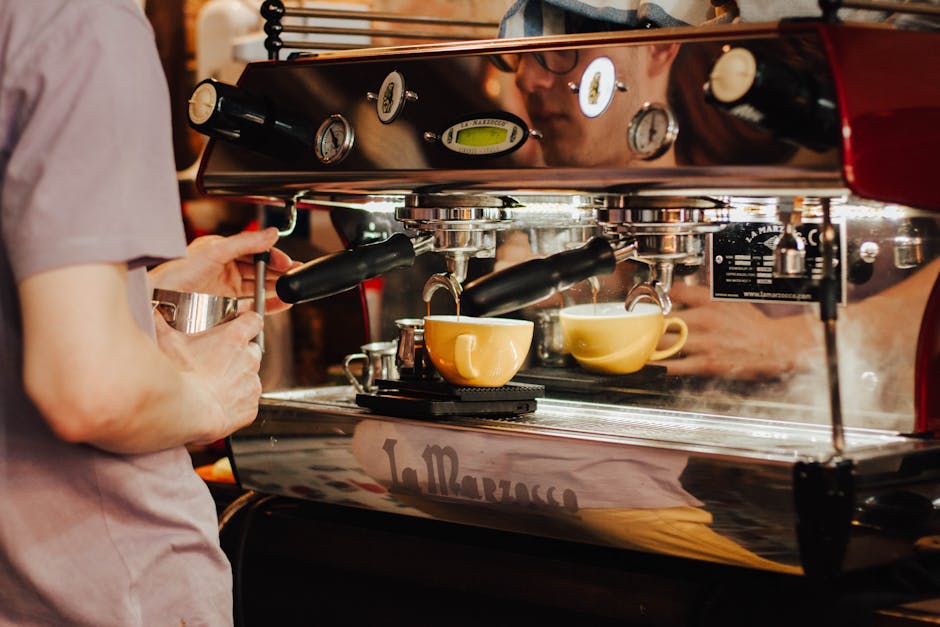
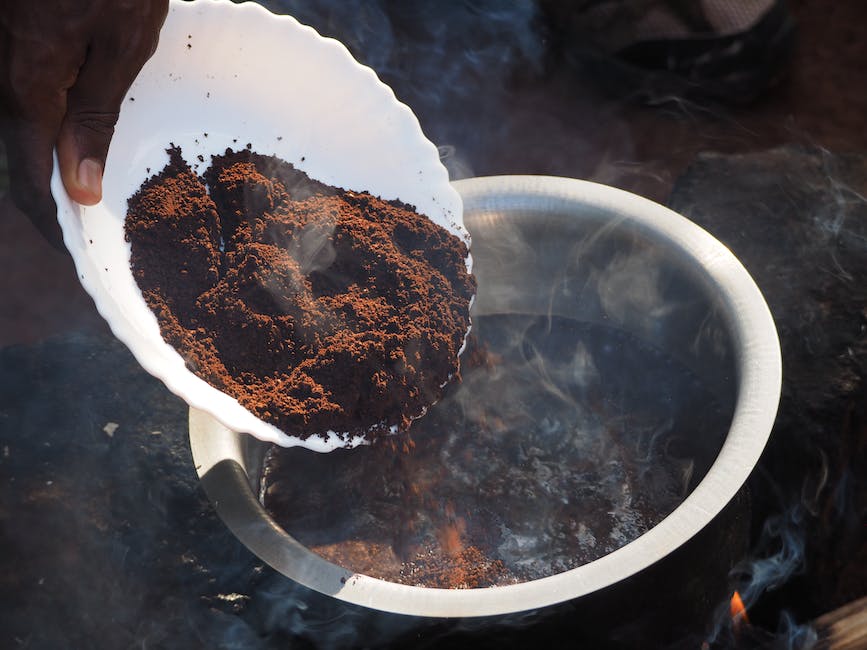
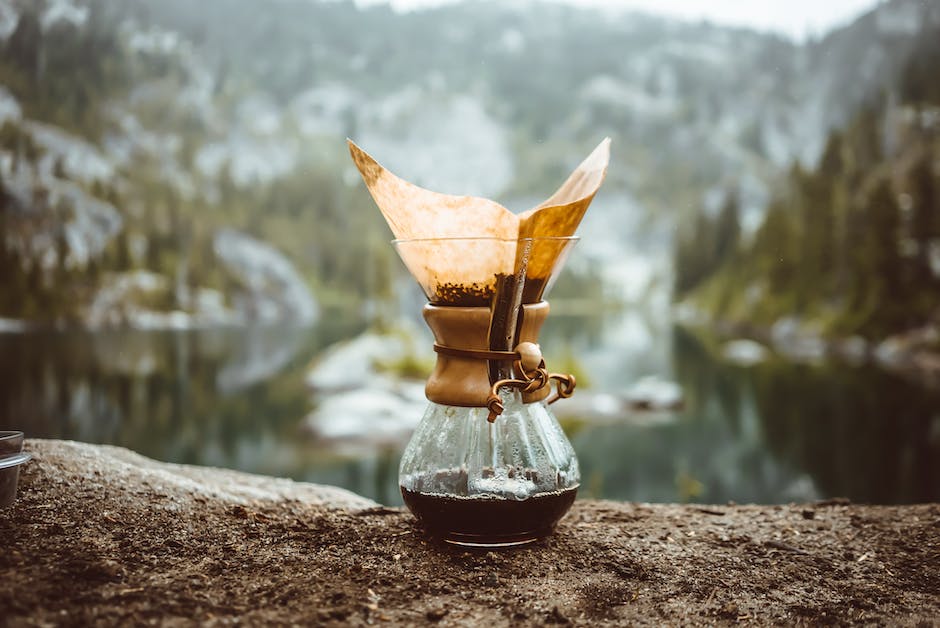
Photo by Lisa Fotios on Pexels

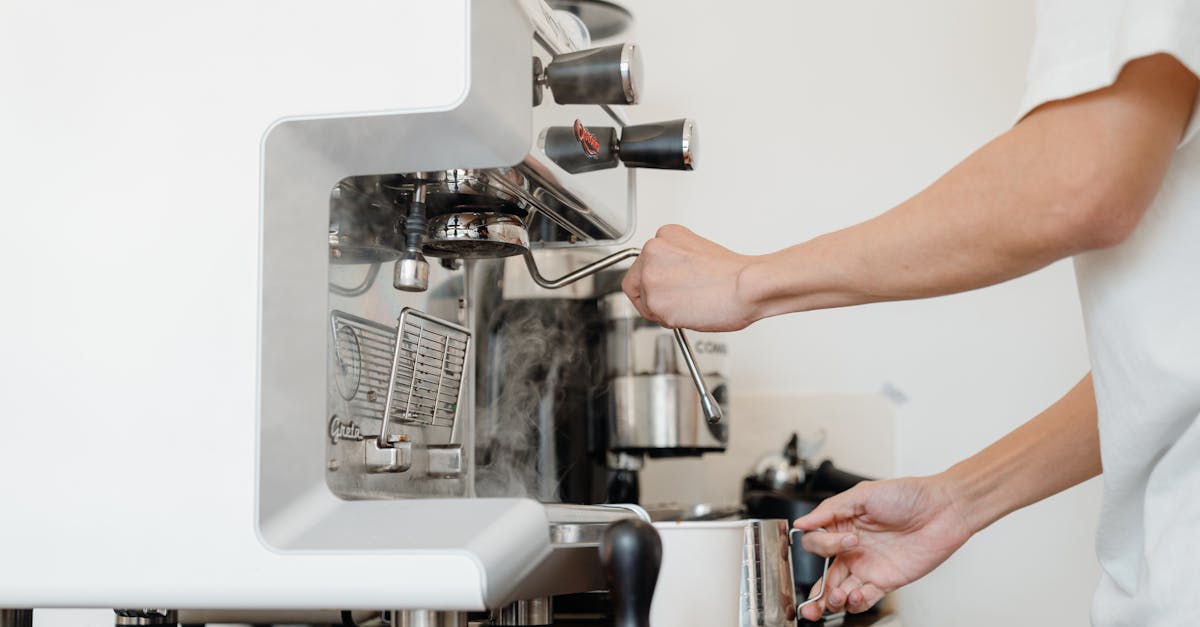
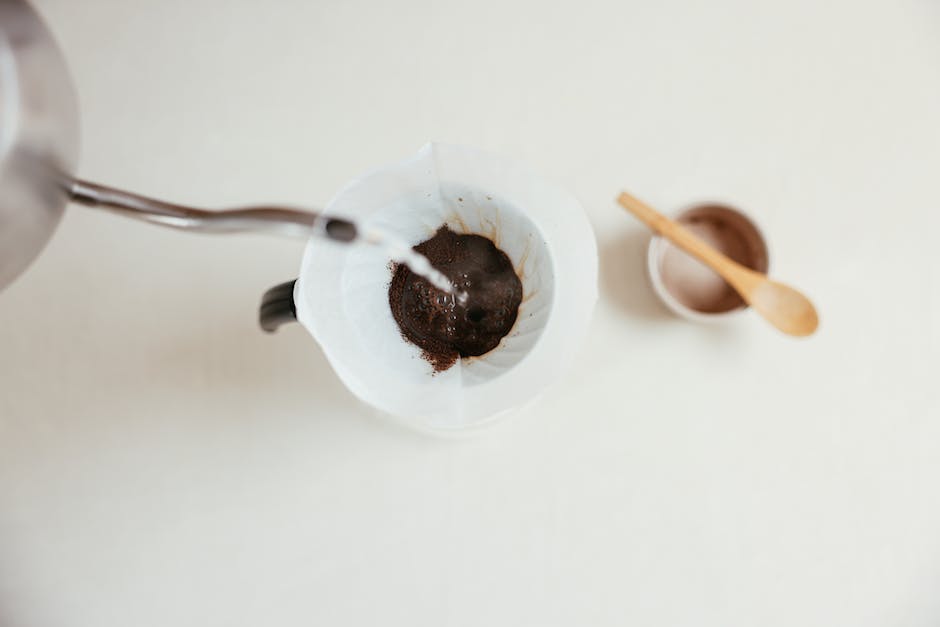
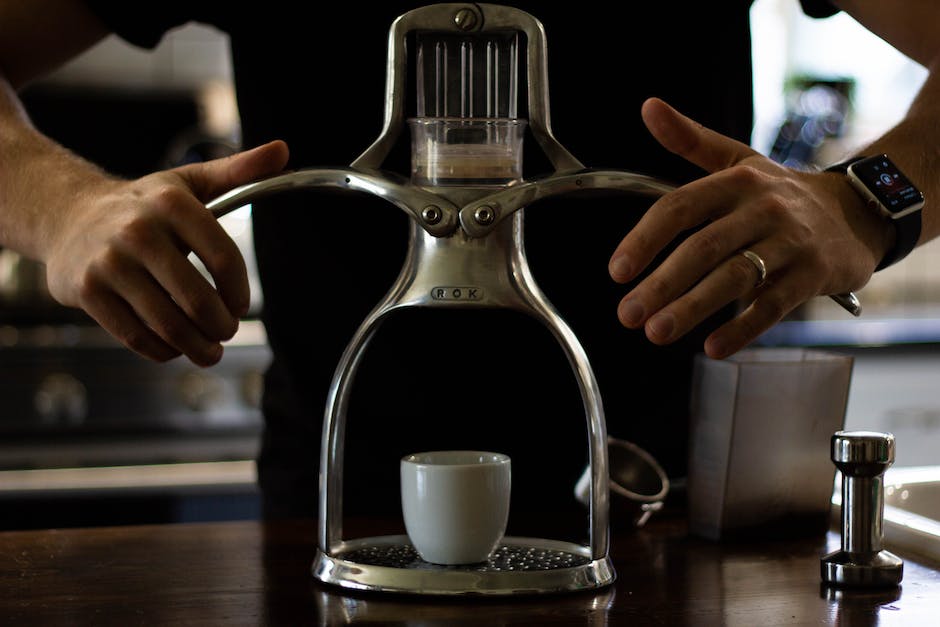
Photo by Vanessa Garcia on Pexels

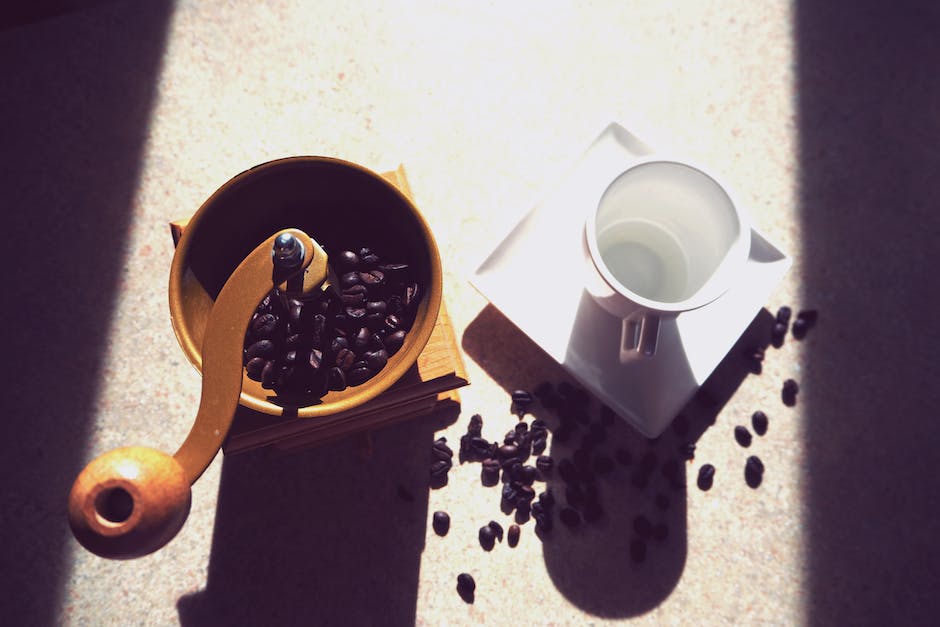
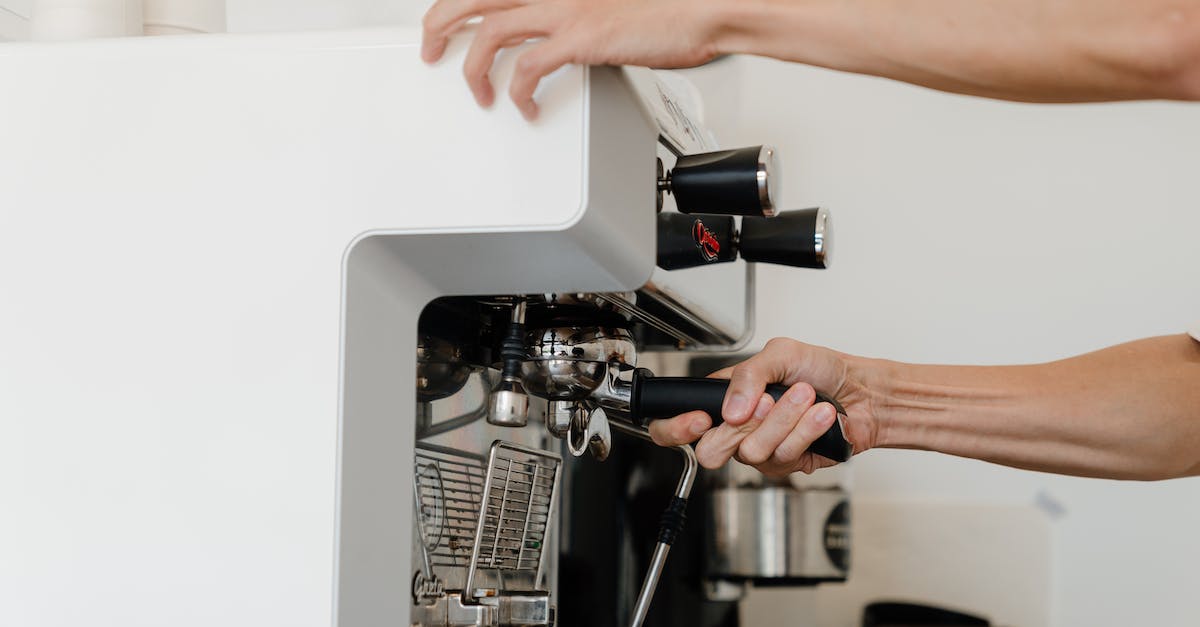
Photo by Anete Lusina on Pexels

Continue reading

Posted on

How to descale a coffee maker? Från hjälpmedel till husmorstips.

Simple tips to descale your coffee maker
coffee machine descaling product instructions

“There are many ways to descale a coffee maker, from remedies to housewives’ tips, but the key is to understand how best to descale to preserve the full flavor of the coffee and the life of the machine.”

Why is it so important to descale your coffee machine regularly?

If you really love coffee as a true coffee nation, you are well aware of the importance of keeping your coffee maker in the best possible condition. But why is descaling so important for this purpose? Let’s explore the process a little further.

When you brew coffee, the water flows through your coffee machine, leaving behind minerals that can accumulate over time. These deposits are what we call lime deposits. If these are removed regularly, the taste and quality of your coffee will remain unchanged. In addition, it will extend the life and improve the performance of your coffee machine.

Descaling your coffee machine also helps preserve the environment and overall sustainability. Having a clean machine reduces water consumption during coffee brewing and the need to replace your machine due to damage. So being able to descale a coffee machine is beneficial both for your wallet and for the environment.

How to descale a coffee maker step by step

Step 1: Preparation

Descaling a coffee maker may seem overwhelming if you haven’t done it before, but it’s actually a pretty simple process even for beginners. To get started, make sure you have a reliable descaling product and enough water. It is important to follow the instructions on the descaling product carefully and in the right order.

Step 2: Descaling

Fill the water tank of your coffee maker with the recommended amount of water and then add the recommended amount of descaling product. Start the coffee maker and pass the descaling solution through the machine according to the manufacturer’s instructions. Wait for the whole process to be completed.

Step 3: Rinsing

After the descaling process, it is important to rinse your coffee maker thoroughly. Fill the water tank with clean water and run it through the machine at least twice to remove any residual descaling solution. This will make sure that no unwanted flavors affect your coffee.

How often should you descale your coffee machine?

There is no exact science on how often you should descale your coffee machine, but generally it is recommended to do it at least once a month. If you brew coffee every day, or if you have very hard water where you live, it may be necessary to descale your machine more often to avoid the build-up of limescale.

Best tools for descaling

There are many different types of descaling products available on the market, which can make it difficult to choose the best one. To make the choice a little easier, you can look for reputable brands and products with positive reviews. Products specifically designed to remove limescale can be a good choice. The effectiveness of descaling products varies, so it may be worth reading up and comparing before you buy.

Natural alternatives and housewife tips for descaling

If you don’t want to use a commercial descaling product, there are several natural alternatives. A popular option is to use vinegar. Mix one part vinegar with one part water and let the solution pass through the coffee maker. Vinegar is naturally acidic and can help dissolve calcium deposits. Citric acid is also an effective natural alternative for removing stubborn calcium deposits.

Cleaning instructions for popular brands

Each coffee machine is unique and has its own specific cleaning methods. To make sure you clean your machine properly, you may want to check the model-specific cleaning instructions for your particular brand. This may involve doing a quick online search or contacting the manufacturer for more detailed instructions.

Descaling is an essential routine for true coffee lovers

To be a true coffee enthusiast, it is not enough to know how to descale a coffee machine. You also need to make descaling a regular part of your coffee brewing routine. By making it a habit, you will find that your coffee maker always works at its best and your coffee always tastes great.

For example, if you choose to brew your coffee with the exclusive coffee beans from White Elk Coffee Roasters, you can be sure that you will get quality coffee that is suitable for all types of coffee makers and will last longer with regular descaling. So love your coffee, take care of your brewer and enjoy a better and tastier coffee experience.

Natural alternatives for descaling coffee machines

FAQs – How to descale a coffee maker? From aids to housewife tips.

Why is it so important to descale your coffee machine regularly?

It is important to descale your coffee maker regularly as mineral deposits, or limescale, can form over time as water flows through the machine. By removing these deposits, the taste and quality of your coffee will remain unchanged. In addition, regular descaling helps to extend the life and improve the performance of your coffee machine. This also helps preserve the environment and promote sustainability by reducing water consumption and the need to replace the machine due to damage.

How to descale a coffee maker step by step?

Step 1: Preparation – Make sure you have a reliable descaling product and enough water. Follow the instructions on the descaling product carefully and in the correct order.
Step 2: Descaling – Fill the water tank with the recommended amount of water and add the descaling product according to the instructions. Start the coffee maker and pass the descaling solution through the machine according to the manufacturer’s instructions. Wait until the process is complete.
Step 3: Rinsing – Fill the water tank with clean water and run it through the machine at least twice to remove any residual descaling solution. This ensures that no unwanted flavors affect your coffee.

How often should you descale your coffee machine?

There is no exact science on how often you should descale your coffee machine, but generally it is recommended to do it at least once a month. If you brew coffee every day or have very hard water in your area, it may be necessary to descale your machine more often to avoid the build-up of limescale.

What are the best tools for descaling?

There are many different types of descaling products on the market. To make the choice a little easier, you can look for reputable brands and products with positive reviews. Products specifically designed to remove limescale can be a good choice. The effectiveness of descaling products varies, so it may be worth reading up and comparing before you buy.

What are some natural alternatives and housewife tips for descaling?

If you don’t want to use a commercial descaling product, you can use natural alternatives such as vinegar or citric acid. Mix one part vinegar with one part water and pass the solution through the coffee maker, as vinegar is naturally acidic and can help dissolve limescale. Citric acid is also an effective natural alternative for removing stubborn calcium deposits.

Are there specific cleaning instructions for different brands of coffee makers?

Yes, each coffee maker is unique and has its specific cleaning methods. It is a good idea to check the model-specific cleaning instructions for your particular brand to make sure you are cleaning your machine correctly. This can be done by doing a quick search online or contacting the manufacturer for more detailed instructions.

Pictures of the coffee machine descaling process

Photo by Cátia Matos on Pexels
Photo by Thirdman on Pexels
Photo by Lisa Fotios on Pexels

Continue reading

Posted on

Find the best gooseneck kettle for pour over coffee

Best gooseneck kettle for pour over coffee
Best gooseneck pouring pot for pour-over coffee with HARIO BUONO V60 KETTLE (1.2 L) design high quality material superior water flow control ergonomic design even heat distribution electric gooseneck pots Fellow Stagg EKG Brewista Artisan Takahiro Kalita hotplate gooseneck pots invest in a gooseneck pot optimize pour-over brewing perfect cup of coffee every morning

“A gooseneck kettle is the ultimate tool for achieving pour-over coffee perfection – a must-have for the true coffee enthusiast.”

Find the best gooseneck kettle for pour-over coffee

Why you need a gooseneck kettle

The gooseneck kettle is not just an ordinary kettle. It is designed to give you superior control over the water flow when brewing your pour-over coffee. With its narrow, extended spout resembling a goose or swan neck, you can easily adjust the speed and direction of the water as you pour it over your coffee.

One of the advantages of the gooseneck kettle is that it allows you to achieve an even brew by allowing you to control the water flow precisely. This is an important factor in getting the best out of pour-over techniques such as Chemex, Kalita and V60. With a regular kettle, the water can easily run over the coffee and lead to an uneven extraction, while the gooseneck kettle gives you precision and consistency in every cup of coffee you brew.

When you use a gooseneck kettle, you not only create better coffee, you also create a ritual. It elevates coffee brewing to an art form, where you take time and care to create the perfect coffee. The gooseneck kettle simply becomes a tool to create a perfect brew.

Factors to consider when choosing a gooseneck kettle

Budget

The price of a gooseneck kettle can vary depending on the model and brand. The electric gooseneck kettles tend to be more expensive than the stove-based ones. But there are still models in different price ranges to suit your budget. Do some research and comparison to find a gooseneck kettle with the best price-performance ratio.

Temperature control

When brewing pour-over coffee, the temperature of the water is crucial to bring out the right flavors and aromas. Some gooseneck kettles offer temperature control features that allow you to set and maintain a precise temperature. If you want maximum control over the brewing process, a gooseneck kettle with temperature control may be the right choice for you. However, it may be worth noting that the stove-based models do not offer the same precision in temperature control as the electric ones.

Speed

When choosing a gooseneck kettle, you should also consider the heating time. Some models heat the water faster than others. If you are in need of fast brewing, this may be a factor to consider when choosing a gooseneck kettle. On the other hand, a slower heating time may be desirable for those who prefer to take their time and enjoy the brewing process.

Portability

If you’re a coffee enthusiast who loves to travel or take your brewing equipment with you on excursions, portability can be an important factor. Gooseneck kettles you put on the stove are often more portable and can easily be used anywhere there is an external heat source. On the other hand, the electric models may be more suitable for home use where you have access to electricity.

The best gooseneck kettle

When it comes to finding the best gooseneck kettle for pour-over coffee, the HARIO BUONO V60 KETTLE (1.2L) is an excellent choice. With its well-known design and high-quality materials, it offers everything you need to create a perfect brew.

This kettle is designed with the distinctive gooseneck that gives precise control over the flow of water as you pour it over your coffee. It has a capacity of 1.2 liters, which is enough to brew several cups at once. The handle is ergonomically designed for a comfortable feel when pouring, and the bottom has an even heat distribution for optimal brewing.

If you want to buy HARIO BUONO V60 KETTLE (1,2 L ), you can find it at White Elk Coffee Roasters under Coffee Equipment.

Other electric gooseneck kettles

If you prefer an electric gooseneck kettle, there are several other options you can consider. Here are some of the best ones in our opinion:

– Fellow Stagg ECG
– Brewista Artisan
– Bonavita
– OXO Brew

Other stove-based gooseneck kettles

For those who prefer a stove-based gooseneck kettle, there are also several options to choose from:

– Takahiro
– Kalita
– Timemore

Some final thoughts on gooseneck kettles

A gooseneck kettle is an indispensable addition for any coffee lover who wants to take their pour-over brewing to the next level. With its ability to give you complete control over the flow of water and the precision of the pour, you get an enhanced brewing experience every time.

The ergonomic design and stylish aesthetics also make it a feast for the eyes while you’re brewing. It is not only a functional accessory, but also a visual delight.

So if you want to enjoy a perfectly brewed cup of pour-over coffee every morning, you should definitely consider buying a gooseneck kettle. You won’t regret it when you experience the difference in taste and quality.

Find the best gooseneck pour-over coffee pot for perfect pour-over brewing.

FAQ – Find the best gooseneck kettle for pour-over coffee

Why do I need a gooseneck kettle?

The gooseneck kettle gives you superior control over the water flow when brewing pour-over coffee. Its narrow and extended spout, similar to a goose neck, allows for an adjustable speed and direction when pouring the water over the coffee. By using a gooseneck kettle, you can achieve an even brew and get the best out of your pour-over technique.

What factors should I consider when choosing a gooseneck kettle?

You should consider your budget and find a gooseneck kettle that fits within your price range. Temperature control is also important to get the right flavors and aromas. Also consider the heating time and whether you need a quick brew or prefer to take your time. Portability can be a factor to consider if you are a coffee enthusiast who likes to travel or take your brewing equipment with you.

What is the best gooseneck kettle for pour-over coffee?

The best gooseneck kettle for pour-over coffee is the HARIO BUONO V60 KETTLE (1.2 L). With its well-known design and high-quality materials, it offers precise control over the water flow for a perfect brew. It also has an ergonomically designed handle and an even heat distribution for optimal brewing.

What are some other electric gooseneck kettles to consider?

Some other good electric gooseneck kettles to consider are the Fellow Stagg EKG, Brewista Artisan, Bonavita and OXO Brew. These models offer temperature control features and high performance to give you maximum control over the brewing process.

What are some other stove-based gooseneck kettles to consider?

If you prefer a stove-based gooseneck kettle, you can consider Takahiro, Kalita and Timemore. These options offer portability and the ability to be used anywhere an external heat source is available.

Best options for gooseneck pour-over coffee pot

Photo by Cup of Couple on Pexels

Photo by Michael Burrows on Pexels

Photo by Maria Orlova on Pexels

Continue reading

Posted on

Unpredictable Ethiopia: More than just coffee

Discover the Unpredictable Ethiopia – more than coffee!
Discover unpredictable Ethiopia and be amazed by its rich culture and varied landscapes. Enjoy authentic Ethiopian food, explore historical sites and experience captivating music and dance. For nature lovers, nothing beats the magnificent Simien Mountains, the mysterious Danakil Valley and the enigmatic Rift Valley. Don't miss Ethiopia's unique coffee culture and witness its growing tourist attractions. Learn from Ethiopia's successes and become part of its untapped potential. Ethiopia is waiting to be discovered!

“Ethiopia – a diamond in the rough that offers an unpredictable and fascinating journey through time and culture.”

Unpredictable Ethiopia: delightful surprises

Come to Ethiopia and prepare for the unpredictability. This country is a cultural mosaic that both shocks and moves. From the colorful and vibrant dress culture to the traditional music and dance, Ethiopia is guaranteed to surprise you.

But it’s not just culture that is diverse. The country itself offers an incredible variety of landscapes. From the mighty Simien Mountains to the mysterious Danaqil Depression and the enigmatic Rift Valley, Ethiopia will make you think you’ve transported yourself to another world.

Ethiopia: much more than just coffee

Experience authentic Ethiopian food culture

If you love food, Ethiopia will be a culinary paradise for you. Authentic Ethiopian food culture has a lot to offer. Try the national dish injera with wot, a traditional stew, or enjoy the delicious flavors of spicy Berber spice mixes. Ethiopian food is not just food, it is an experience for the taste buds.

Visiting the historical areas of Ethiopia

For history enthusiasts, there is much to discover in Ethiopia. The country is filled with historical sites that take you back in time. Explore the ancient empires of D’mt and Aksum, discover traces of the Italian colonial era and marvel at modern-day Ethiopian history, which is helping to shape the future.

From D’mt to Aksum: ancient empires

Ethiopia has a long and rich history stretching back to ancient times. From the mysterious D’mt Empire to the grand Aksum Empire, Ethiopia has a fascinating history that can be explored at the historical sites around the country.

Ethiopia under Italian colonialism

During the 20th century, Ethiopia was under Italian colonial rule. This period of the country’s history was marked by conflict and resistance. Explore monuments and historical sites that tell the exciting story of Ethiopia during this time.

Ethiopia today: whose history shapes its future

Ethiopia is a country that is constantly developing and growing. The country’s history has a strong impact on its future. Explore the country’s modern development and see how Ethiopia is torn between tradition and change, with a strong spirit of progress and a vision to create a better future.

Ethiopian music and dance

Ethiopian music and dance is something that must be experienced. From traditional genres like azmari to modern Ethiopian pop, the music will make you feel alive. And if you have the chance, don’t miss out on taking part in a traditional dance ceremony. You will be fascinated by the rhythmic movements and the lively atmosphere.

Ethiopia: a haven for nature lovers

The magical Simien Mountains

The Simien Mountains are one of Ethiopia’s most stunning natural landscapes. With its spectacular rock formations, deep valleys and wildlife, this is a place that will take your breath away. Hike the dramatic mountains and discover the incredible biodiversity of this unique ecosystem.

Danaqil: a world beyond ours

Visiting Danaqil is like stepping into another dimension. This dry and mercurial landscape offers a surreal experience. Explore the colorful spines of sulphur rock, the salty plains and the hot springs that are a trademark of this unique region.

Rift Valley: the Ethiopian enigma

The Rift Valley is a topographical enigma with its deep rock formations and endless lakes. Explore the historical and archaeological sites along this natural wonder and take in the magnificent beauty that surrounds you.

Ethiopia’s unique coffee culture

The origin of your morning coffee

Did you know that coffee originated in Ethiopia? The country is home to the very first coffee trees and the rich coffee heritage that has characterized the world. Explore the origins of coffee and understand the unique relationship between Ethiopia and your morning coffee.

The tradition of Ethiopian coffee ceremony

In Ethiopia, coffee is not just a drink, it is a whole ceremony. Participate in a traditional Ethiopian coffee ceremony and experience the beautiful ritual that surrounds coffee drinking. It’s an experience that goes far beyond the taste of coffee.

Ethiopia’s coffee evolution: from farm to café

Ethiopia has taken its coffee production to the next level by growing, grinding and serving its coffee in specialized cafes around the country. Explore the journey of coffee from its cultivation in farmers’ fields to the hipster cafés where the newest brewing method is tested.

Ethiopia in the eyes of the world

Ethiopia: a growing tourist destination

Ethiopia is becoming one of Africa’s most sought-after tourist destinations. More and more people are discovering the country’s huge potential and unique attractions. Come and discover Ethiopia while it is still a hidden gem that not everyone has discovered.

Ethiopia has also started to make an impact in popular culture and media. Everything from fashion and music to film and literature has taken inspiration from this fascinating country.

Ethiopia is a country with huge potential waiting to be discovered. From natural resources to technology and entrepreneurship, there is an incredible opportunity to help shape Ethiopia’s future and be on the right side of history.

Images of traditional Ethiopian dance and music

FAQ – Unpredictable Ethiopia: More than just coffee

How diverse is Ethiopia’s landscape?

Ethiopia offers an incredible variety of landscapes. From the mighty Simien Mountains to the mysterious Danaqil Depression and the enigmatic Rift Valley, you’ll feel like you’ve been transported to another world.

What historical sites does Ethiopia have to offer?

Ethiopia is filled with historical sites to discover. You can explore the ancient empires of D’mt and Aksum, discover traces of the Italian colonial era and marvel at modern-day Ethiopian history, which is helping to shape the future.

What makes Ethiopia’s coffee culture unique?

Ethiopia is known for its unique coffee culture. You can learn about the origins of coffee and the tradition of the Ethiopian coffee ceremony. In addition, Ethiopia has taken its coffee production to the next level by growing, grinding and serving coffee in specialized cafes around the country.

What are some interesting places to visit for nature lovers in Ethiopia?

For nature lovers, there are some interesting places to visit in Ethiopia. You can experience the magical beauty of the Simien Mountains, explore the surreal landscape of Danaqil and admire the enigmatic beauty of the Rift Valley.

What makes Ethiopia a growing tourist destination?

Ethiopia is increasingly gaining attention as a growing tourist destination. The country’s huge potential and unique attractions are attracting more and more visitors. In addition, Ethiopia has started to make an impact in popular culture and media, helping to increase interest in the country.

Photos of the stunning landscapes and natural wonders of Ethiopia

Photo by Gift Habeshaw on Pexels
Photo by Spencer Davis on Pexels
Photo by Kelly on Pexels

Continue reading

Posted on

What’s important in a café as a customer – a guide for café owners

What to look for in a café – a guide for café owners
translate this into Swedish: café atmosphere, service menu, variety, customer feedback, quality of coffee, amenities, WiFi, power outlets, sustainability, ethics, menu updates, interior design, customer experience, unexpected customer requests

“A cup of coffee can be more than just a drink – it is a holistic experience. For customers, it is important that the café offers a harmonious atmosphere, tasty drinks and a personal touch. Taking care of the customer and offering a unique experience is the key to a successful café.”

What is important in a café for café visitors?

Cafés are popular places to relax, work and socialize. As a café owner, it’s important to understand what’s important to your café visitors, in order to offer an experience that exceeds their expectations. Here are some key factors that café owners should keep in mind.

Customers’ expectations of a café

When customers visit a café, they expect not only a good cup of coffee, but also a pleasant and relaxed atmosphere. They want to be able to unwind and enjoy their drinks without stress or inconvenience. Customers also expect friendly and fast service, amenities such as WiFi and power outlets, and an attractive menu with variety.

Key elements of the café customer experience

The customer experience in a café can be outstanding in several ways. An important factor is the knowledge and friendliness of staff. Customers want to feel welcome and well cared for. In addition, the café’s atmosphere and interior design play a major role. A cozy and comfortable environment can make your visit a memorable experience.

Exploring customer needs – the key to success

In order to offer the best to your customers, it is important that you regularly examine their needs and expectations. By using feedback methods, you can gain insights that will help you improve your café business.

Using feedback methods

There are several ways to collect feedback from your café visitors. You can use surveys, comments on social media or verbal feedback from customers themselves. It is important to be open to both positive and negative feedback and to take it seriously.

Interpret and apply customer feedback

Once you have collected feedback, it is important to analyze it and see what areas can be improved. Listen to customers’ wishes and adapt the café to their needs. By listening to customer feedback, you can create a better café experience and increase customer loyalty.

Coffee quality – your top priority

In a café, coffee is the most important product. Customers expect a tasty and well-brewed cup of coffee every time they visit your café. Investing in the quality of coffee should therefore be a top priority for cafe owners.

Why is coffee quality so important?

The quality of coffee directly affects the customer’s experience. A good cup of coffee can make a visitor happy and satisfied with their café visit, while a bad cup can make them look for another place to drink their coffee. Offering high-quality coffee can also help build your café’s reputation and attract more customers.

How to optimize coffee quality

To optimize the quality of your coffee, you should invest in good ingredients and make sure your baristas are well trained in coffee brewing. Proper handling and care of the coffee machine is also crucial to get the best out of your coffee. Regularly checking and servicing the equipment is important to ensure a consistently high quality of your coffee.

Menu variety – exceeding customer expectations

To keep your café visitors happy, it is important to offer a varied and attractive menu. By exceeding their expectations, you can increase customer loyalty and create a unique experience.

The impact of menus on customer loyalty

A varied menu gives customers more choice and increases the chances of finding something they really like. It can also attract them back for more visits and recommendations to friends and family. Offering new and innovative dishes can create an exciting and memorable café experience.

Create an attractive and innovative menu

When designing your menu, it is important to think about both taste and presentation. Vary between different types of dishes and drinks to appeal to different tastes and preferences. Also take into account seasonal ingredients and offer occasional special menus to keep your café fresh and up-to-date.

Convenience factors – more than just coffee

In a café, it’s not just about good coffee, but also about offering amenities that make customers want to stay longer.

Location and atmosphere considerations

A cozy and pleasant atmosphere can be a decisive factor in customers’ choice of café. Consider details such as music, lighting and interior design to create an inviting environment. It is also important to think about the location of your café to attract the right target audience.

Wi-Fi and power outlets are essential for modern cafes

In today’s digital world, many café visitors expect to have access to Wi-Fi and power outlets. This allows them to work, study or just relax with their devices. By offering these amenities, you can attract more customers and increase their satisfaction.

How does personalized service affect the customer experience?

Personalized service can make a big difference to the customer experience. When your employees take the time to get to know customers, remember their favorite drinks, or just give them a warm greeting, they create a personal and unique experience. This can generate loyal customers who return to your café again and again.

Sustainability and ethics can make a difference

Today, sustainability and ethics are important factors for many café visitors. By showing that you care about both the environment and people, you can attract these customers and create a positive image for your café.

Why customers demand sustainability in the coffee industry

Increased awareness of environmental and social justice issues has led to higher customer demands for sustainability in the coffee industry. They want to know where the coffee comes from, that it is produced fairly and that no harmful chemicals are used. By being able to demonstrate that you meet these requirements, you can build trust and attract sustainably conscious customers.

How to implement sustainability in café operations

To implement sustainability in your café business, you should focus on organic and fair trade products. You can also reduce waste by offering compostable packaging and encouraging customers to use their own cups and bags. Working with local producers and supporting social projects can also be good ways to show your commitment to sustainability.

Update regularly – keeping your café fresh and up to date

To continue attracting and retaining customers, it is important to keep your café updated and fresh. This means regularly evaluating and renewing menus, interior design and the customer experience.

Being responsive to unexpected customer requests

In addition to meeting customer expectations, it is important to be responsive to unexpected customer requests. By showing flexibility and the ability to adapt to your customers’ needs, you can create a unique and memorable café experience.

Pictures of cozy cafe interiors

Frequently asked questions – What is important in a café for café visitors?

What do café visitors expect when they visit a café?

Café visitors expect not only a good cup of coffee, but also a pleasant and relaxed atmosphere where they can relax and enjoy their drinks. They also value friendly and fast service, access to WiFi and power outlets, and an attractive menu with variety.

How can café owners improve the café experience for their visitors?

To enhance the café experience, café owners can ensure their staff are knowledgeable and friendly, create a cozy atmosphere and inviting décor, and offer amenities such as WiFi and power outlets. By listening to café visitors’ feedback, café owners can adapt their business to their needs and increase customer loyalty.

What is the best way to collect feedback from café visitors?

There are several ways to collect feedback from café visitors. You can use surveys, social media comments or receive verbal feedback from visitors themselves. It is important to be open to both positive and negative feedback and to take it seriously in order to improve café operations.

How does the quality of coffee affect the experience of café visitors?

The quality of coffee has a direct impact on the experience of café visitors. A good cup of coffee can make the visitor happy and satisfied, while a bad cup can make them look for another place to drink coffee. By investing in high-quality coffee, café owners can build a good reputation and attract more visitors.

How can café owners create an attractive and varied menu?

To create an attractive and varied menu, café owners can vary between different types of dishes and drinks to appeal to different tastes and preferences. You may also want to consider seasonal ingredients and offer occasional special menus to keep the café fresh and up-to-date.

Photo by Volkan Vardar on Pexels
Photo by Gül Işık on Pexels
Photo by Andrea Piacquadio on Pexels

Continue reading

Posted on

Indonesia off the beaten track: an unexpected coffee journey

Indonesia: An Unexpected Coffee Trip
Indonesian coffee culture Kopi Luwak Java Sumatra Sulawesi high quality coffee sustainable fair trade coffee production.

“Indonesia – a country that offers a flavorful journey off the beaten track, where coffee becomes the unexpected discovery.”

Indonesia off the beaten track: an unexpected coffee journey

The arrival of coffee in Indonesia

The history of coffee in Indonesia is a fascinating journey back in time. It is said that coffee was first introduced to these islands by Dutch traders in the 17th century. Coffee seeds were smuggled from Yemen and planted in Java, which became the first region to grow coffee in Indonesia.

During the Dutch colonial period, coffee became an important export and played a crucial role in the country’s economy. Java coffee became known worldwide for its high quality and unique flavor profile. Coffee cultivation expanded to other regions such as Sumatra and Sulawesi, making Indonesia one of the world’s largest coffee producers.

Today’s coffee scene in Indonesia

Indonesia is an ideal place to grow coffee, thanks to its rich soil and tropical climate. The country has become known for its two main coffee varieties: arabica and robusta. Arabica coffee is known for its mild and floral flavor, while robusta coffee has a full-bodied and powerful flavor profile.

Java is the largest island in Indonesia and the main producer of coffee in the country. Sulawesi and Sumatra are also significant coffee growing areas. Indonesia produces over 10% of the world’s total coffee supply and ranks as the third largest coffee exporter in the world.

The most popular types of coffee in Indonesia include Kopi Luwak, which is considered the world’s most expensive coffee. This particular coffee is made by eating coffee beans and then excreting them by the Asian palm marten, a small species of animal found in Indonesia. The process gives the coffee a unique flavor profile that is difficult to reproduce.

Coffee as part of the Indonesian lifestyle

Coffee consumption in Indonesia has evolved from being a simple beverage to becoming an integral part of the Indonesian lifestyle. Coffee has a social meaning and is often a way for people to come together and socialize.

In Indonesian homes, coffee making is a ritualized process and many households have a special coffee maker used just for making coffee. At social events such as weddings and ceremonies, coffee is often served as a symbol of community and welcome. Indonesia’s coffee culture is a particularly important part of its identity and pride.

Exploring lesser known coffee traditions in Indonesia

For the adventurous coffee lover, there is the opportunity to explore lesser-known coffee traditions that are off the beaten track. These places offer an authentic experience of Indonesia’s coffee culture and an opportunity to try unique coffee varieties.

Isolated coffee farms located in remote areas offer an insight into coffee growing traditions and techniques. Each region has its own methods for growing, harvesting and processing coffee. For example, the coffee berries of Sumatra are known for their unique sun-drying process, which gives the coffee a deep and fruity flavor profile.

At these lesser-known coffee traditions, visitors can also have the opportunity to participate in coffee tastings and learn more about the complex flavor world of Indonesian coffee. Traveling through these coffee regions and discovering what makes each area and its coffee so unique is an experience like no other.

The unexpected experiences on a coffee tour through Indonesia

A coffee tour through Indonesia offers not only the opportunity to explore coffee plantations and learn about the growing process, but also to experience the country’s incredible nature and meet its local people. For the adventurous travelers, there is the possibility to trek through the jungle to reach remote coffee farms and experience the real everyday life of people who depend on coffee farming.

On these trips, travelers have the opportunity to meet local people and learn about their traditions and way of life. It’s a chance to get an insight into their daily work and to understand the importance that coffee has for their community.

The future of the coffee industry in Indonesia

Indonesia’s coffee industry faces both challenges and opportunities as it continues to grow and develop. Competition from other coffee-producing countries is fierce, and it is important for Indonesia to continue producing high-quality coffee to maintain its position as a coffee superpower.

At the same time, there are opportunities to expand and diversify coffee exports to new markets around the world. Indonesia has already achieved success by promoting itself as a producer of speciality coffees and by developing sustainable and fair trade practices.

Respecting and preserving Indonesian coffee traditions

To preserve Indonesia’s rich coffee culture and traditions, it is important to pay attention to sustainability and fair trade practices in the coffee industry. Supporting local producers and growing coffee responsibly is crucial to preserving the country’s coffee heritage.

Awareness of the history and importance of coffee production can also help to preserve and respect Indonesian coffee traditions. By learning about the coffee growing process and enjoying coffee responsibly, we can help ensure that Indonesia’s coffee heritage remains alive and thriving.

Traditional Indonesian coffee farming practices and cultural traditions.

FAQ – Indonesia off the beaten track: an unexpected coffee journey

How was coffee introduced to Indonesia?

Coffee was introduced to Indonesia by Dutch traders in the 17th century. Coffee seeds were smuggled from Yemen and planted in Java, which became the first region to grow coffee in Indonesia.

What are the two main varieties of coffee grown in Indonesia?

The two main varieties of coffee trees grown in Indonesia are arabica and robusta. Arabica coffee has a mild and floral flavor, while Robusta coffee has a full-bodied and powerful flavor profile.

What are the main coffee growing areas in Indonesia?

The main coffee-growing areas in Indonesia are Java, Sulawesi and Sumatra. Java is the largest island in the country and the main producer of coffee.

How to participate in coffee tastings while traveling in Indonesia?

In lesser-known coffee traditions in Indonesia, you can have the opportunity to participate in coffee tastings and learn more about the complex world of flavors in Indonesian coffee. It’s a unique experience and an opportunity to try different types of coffee.

What are the future challenges for the coffee industry in Indonesia?

The coffee industry in Indonesia faces challenges such as competition from other coffee-producing countries. To maintain its position as a coffee superpower, it is important that Indonesia continues to produce high-quality coffee. At the same time, there are opportunities to expand and diversify coffee exports to new markets around the world.

Lesser known coffee traditions in Indonesia

Photo by Stijn Dijkstra on Pexels

Photo by Julia Volk on Pexels

Photo by Michael Burrows on Pexels

Continue reading

Posted on

Coffee grounds – Effective soil conditioner and snail control in the garden

Coffee grounds – Effective soil improvement & slug control
effective coffee grounds garden soil improvement slug control

“Coffee grounds – nature’s gift to the garden, an effective soil improver and snail fighter!”

The benefits of coffee grounds in the garden

Coffee grounds are not only a by-product of our beloved morning coffee, but they can also be used as an effective soil conditioner and slug pesticide in the garden. By reusing coffee grounds instead of throwing them away, you can reduce waste while giving your plants an extra boost. In this article, we will explore the benefits of using coffee grounds in the garden and how you can take advantage of its properties.

Coffee grounds as a rich solution for your garden soil

One of the main benefits of using coffee grounds in the garden is its ability to improve soil structure and promote good drainage. The coffee grounds act as a natural organic matter that can reduce the compactness of the soil and increase its airiness. This helps plant roots to spread and absorb water and nutrients more efficiently.

In addition to improving soil structure, coffee grounds also provide nutrients that are important for the healthy growth of plants. Although coffee grounds are not a major source of plant nutrients, they do contain a small amount of nitrogen and micronutrients. As the coffee grounds decompose in the soil, the nitrogen is taken up by soil microorganisms and fertilizes the plants. If you find that your plants need supplementary nutrition, you can easily add fertilizer or other sources of nitrogen.

Optimal use of coffee grounds in garden soil

To make the most of the benefits of coffee grounds, it is important to know how and when to mix them into the soil. It is recommended to work the coffee grounds into the soil with a thickness of between a 2-8 centimeters. This way, the coffee grounds get enough contact with the soil to provide it with benefits, while not disturbing plant life.

If you choose to use coffee grounds as a cover material on top of the soil, it is a good idea to put a layer of leaves or bark mulch on top to prevent the coffee grounds from drying out and repelling water.

Coffee grounds as an effective means of slug control

Another interesting use for coffee grounds in the garden is its ability to fight slugs. Studies have shown that coffee grounds can be effective in keeping these pests at bay. By making a solution with coffee and water, you can create a natural slug pesticide.

Create your own slug control solution with coffee grounds

To make your own slug control solution with coffee grounds, mix 1% to 2% coffee grounds with water and apply it to the garden soil. The caffeine in coffee grounds is toxic to snails and can cause them to leave treated soil and eventually die from caffeine poisoning.

Before proceeding with spraying the coffee grounds solution on all the plants in the garden, it is recommended that you first test it on some leaves to see if it causes any damage or negative reaction to the plants.

Coffee grounds in the compost

Coffee grounds can also be an excellent addition to your compost, helping to promote microorganisms and improve the nutrient profile of the soil. By including coffee grounds in the compost, you can reuse a residual product while benefiting from its organic minerals.

The right mix of green and brown in the compost

When using coffee grounds in the compost, it is important to mix it with other brown compost materials. A recommended mixing ratio is three parts leaves to one part freshly cut grass clippings and one part coffee grounds. Remember that the compost should not contain more than 20% coffee grounds, otherwise it can lead to an unbalanced compost soil.

Which plants like coffee grounds and which do not?

Coffee grounds can be beneficial for some types of plants, while it can have negative effects on others. Rhododendrons, azaleas, blueberries, gardenias and blue hydrangeas are examples of plants that thrive in acidic soil and can benefit from coffee grounds. On the other hand, plants that need alkaline soil may not benefit from the properties of coffee grounds.

Despite coffee grounds’ benefits to the soil and its ability to fight slugs, there may be some drawbacks to be aware of. A potential drawback is that excessive use of coffee grounds can lead to a temporary nitrogen deficiency and stunt the growth of some plants.

Conduct experiments to determine real effects

To determine if coffee grounds are a good fit for your garden, it is recommended to conduct experiments comparing plant growth and health between areas with and without coffee grounds. This can give you a better understanding of how coffee grounds actually affect your plants and help you make informed decisions about its use in the future.

Coffee grounds as a natural fertilizer and slug repellent in the garden.

Frequently asked questions about coffee grounds benefits in the garden

Question 1: Can coffee grounds be used as a soil conditioner?

Answer: Yes, coffee grounds can be used as an effective soil conditioner in the garden. It helps to improve the structure of the soil and promotes good drainage by reducing compactness and increasing airiness of the soil.

Question 2: Can coffee grounds be used to control slugs?

Answer: Yes, coffee grounds can be used as an effective means to control slugs. By making a solution with coffee and water and applying it to the garden soil, the caffeine in the coffee grounds can deter slugs and make them leave treated soil.

Question 3: How can I use coffee grounds in the garden soil?

Answer: For optimal benefit, you should mix the coffee grounds into the soil at a thickness of between 2-8 centimeters. If you choose to use it as a covering material on top of the ground, make sure to put a layer of leaves or bark mulch on top to prevent the coffee grounds from drying out.

Question 4: How can I use coffee grounds in the compost?

Answer: Coffee grounds can be an excellent addition to your compost. Mix it with other brown compost materials in a 3 parts leaves to 1 part coffee grounds ratio to promote microorganisms and improve the soil nutrient profile.

Question 5: Which plants benefit from coffee grounds?

Answer: Plants that thrive in acidic soil, such as rhododendrons, azaleas, blueberries, gardenias, and blue hydrangeas, can benefit from the properties of coffee grounds. Plants that need alkaline soil, on the other hand, cannot benefit from coffee grounds and their effects.

Benefits and uses of coffee grounds in gardening for soil improvement and slug control.

Photo by Lisa Fotios on Pexels
Photo by Tim Douglas on Pexels
Photo by lil artsy on Pexels

Continue reading

Posted on

When coffee meets bun: what’s the difference between a café and a pastry shop?

Coffee meets bun: the difference between a café and a pastry shop


cafe and pastry shop differences atmosphere variety experience

“Coffee meets bun in different ways: in a café you enjoy a cup of coffee while in a patisserie you experience a symphony of pastries. So, what’s the difference between a café and a patisserie? One is a place to rest and socialize while the other is a heaven of sweets and pastries to explore.”

Introduction: When coffee meets bun

What is the difference between a café and a pastry shop? It’s a question that many coffee lovers and pastry enthusiasts have pondered. In this article, we will explore and analyze the unique characteristics of the café and pastry shop. While both places revolve around coffee and pastries, there are differences in atmosphere, range and experience. So let’s dive into the world of coffee and buns to find out what separates café and patisserie.

Café and pastry shop: historical importance

To understand the differences between café and patisserie, it is important to know their historical significance. Café culture has its roots in Europe and has since spread across the world. Cafés have traditionally been social gathering places where people meet to socialize, discuss and enjoy coffee and other drinks. On the other hand, pastry shops have a longer history, with the first pastry shops being established in France in the 18th century. Pastry shops specialize in making and selling different kinds of baked goods, including buns, cakes and cookies.

In the hands of the barista: the soul of the café

An essential part of the café experience is the skilled barista. The barista is the heart and soul of the café and is responsible for preparing and serving quality coffee to guests. The craft of coffee is diverse and involves different brewing methods such as espresso, cappuccino and filter coffee. In addition, the café’s surroundings and atmosphere are an important part of the experience, with cozy seating and a relaxed atmosphere.

In the baker’s workroom: the heart of the pastry shop

In the art of pastry, we get a taste of what makes the pastry so special. The pastry shop is where skilled bakers create delicious pastries. The taste, temperature and atmosphere are all important factors that contribute to an authentic patisserie experience. Pastry chefs also use carefully selected ingredients to create their unique flavors and qualities. The most common ingredients in pastry include wheat flour, butter, yeast, sugar and various fillings such as custard.

Coffee and pastry: who chooses what and why

When it comes to the choice between a café and a pastry shop, people tend to choose based on the feeling or experience they are looking for. Cafés can be popular for those looking for a relaxed place to grab a coffee and work, while patisseries are ideal for those who want to enjoy a sweet and savory bun or piece of cake in a more traditional atmosphere. The choice also depends on personal preferences for the drinks and pastries offered at each location.

Match game: café versus pastry shop

To put café and patisserie against each other, we can compare them based on various factors such as taste, atmosphere, product selection and price. There are also general opinions and preferences regarding the choice between café and pastry shop. By experiencing both café and patisserie environments, each person can make their own comparisons and decide which place suits their tastes and preferences best.

So what’s the difference between a café and a patisserie? It’s about more than just serving coffee and pastries. It’s about atmosphere, experience and personal preference. So why not take the time to explore both cafés and patisseries and discover their unique character and charm?

FAQ – When coffee meets bun: what’s the difference between a café and a pastry shop?

What is the difference between a café and a patisserie?

A café and a patisserie differ in terms of atmosphere, range and experience. In a café, you can expect a relaxed environment where you can have a coffee and work. A patisserie, on the other hand, offers a more traditional atmosphere and is ideal for enjoying pastries such as buns and cakes.

What is the main characteristic of the café?

The soul of the café is the skilled barista responsible for preparing and serving quality coffee to guests. In addition, the atmosphere and surroundings of the café are important to the experience, with cozy seating and a relaxed atmosphere.

What are the main characteristics of the pastry shop?

The heart of the pastry shop is the skilled bakers who create delicious pastries. Flavor, temperature and atmosphere play an important role in an authentic patisserie experience. Pastry chefs also use carefully selected ingredients, such as wheat flour, butter, yeast, sugar and various fillings, to create their unique pastries.

What determines the choice between café and patisserie?

People choose either a café or a pastry shop based on the feeling or experience they are looking for. Cafés are popular for those looking for a relaxed place to have a coffee and work, while patisseries are ideal for those who want to enjoy pastries in a more traditional atmosphere. The choice also depends on personal preferences for the drinks and pastries offered at each location.

How can I compare café and patisserie?

To contrast a café and a pastry shop, you can compare them based on factors such as taste, atmosphere, product selection and price. There are also general opinions and preferences regarding the choice between café and pastry shop. By visiting both cafés and pastry shops, you can make your own comparisons and decide which place best suits your own tastes and preferences.

Differences between cafés and patisseries in terms of atmosphere, menu and overall experience.

Photo by Gül Işık on Pexels
Photo by Flo Dahm on Pexels
Photo by Charlotte May on Pexels

Continue reading

Posted on

What are the coffee drinks with alcohol?

Coffee drinks with alcohol – Find the best!
alcoholic coffee drinks - history, recipes and trends

“A coffee drink with alcohol is like a culture clash in your cup – a harmonious balance between invigorating coffee and pleasurable intoxication.”

Exploring the world of coffee drinks with alcohol

What could be better than a tasty coffee to start the day, or a delicious cocktail to end the evening? But what about combining these two favorites and creating something extraordinary? Coffee drinks with alcohol are the perfect combination of energizing coffee and invigorating alcohol. In this article, we will explore the history of these enchanting drinks, give you some tips on how to make your own coffee drinks at home and present popular recipes to satisfy your taste palette.

Cultural meanings of coffee and alcohol

Both coffee and alcohol have strong cultural meanings around the world. Coffee has traditionally been associated with social interaction, stimulation and attention. On the other hand, alcohol has always been associated with festivities, relaxation and pleasure. By combining these two ingredients, coffee drinks with alcohol create a unique experience that brings these cultural meanings together in an exciting way.

Make your own coffee drinks with alcohol at home

Basic equipment for brewing perfect coffee drinks with alcohol

To brew perfect coffee drinks with alcohol, you need some basic tools. A coffee maker or espresso machine is the first thing you need to make that great coffee. To mix in the alcohol, you may need a shaker or a simple whisk. You should also buy quality coffee and choose a high-quality alcoholic beverage to get the best possible taste.

Choose the right alcohol for your drink

All coffee drinks with alcohol require a matching alcoholic drink to get the right balance of flavors. There are many different options depending on the type of drink you want to create. For a classic Irish coffee, it is best to use Irish whiskey, while an Italian coffee corretto requires grappa. Increase your options by experimenting with different alcohols to find your personal favorite.

Instructions: Follow these simple steps

Now that you have the basic equipment and the appropriate alcohol, it’s time to mix your own coffee drink with alcohol. Start by brewing your favorite coffee, then add the chosen alcohol in the desired amount. If you want, you can also flavor your drink by adding sugar, spices or cream. Mix thoroughly and serve in a heat-resistant glass or mug. Enjoy your home-made coffee drink with alcohol and experience a taste sensation beyond the ordinary.

Popular recipes for coffee drinks with alcohol

Recipe: Ireland’s classic Irish coffee

To make the classic Irish coffee, you’ll need: 1 1/2 ounces Irish whiskey, 1 teaspoon brown sugar, 1 cup strong coffee and whipped cream. Start by warming a heat-resistant glass. Add the whiskey and sugar to the heated glass, top up with the strong coffee and stir until the sugar has dissolved. Top with whipped cream to taste. Serve immediately and enjoy this iconic coffee drink with alcohol.

Recipe: Italy’s incredible Caffee corretto

To make an Italian Caffee corretto you will need: 1 cup of espresso and 2 centiliters of grappa. Brew a cup of espresso as you normally would. Once the espresso is ready, add grappa to taste and enjoy this great Italian coffee drink with alcohol. You can also sweeten the drink with a teaspoon of raw sugar.

Recipe: American Mighty Kahlua Coffee

To make American Kahlua coffee you will need: 1 cup of strong coffee, 1-2 ounces of Kahlua, 1 tbsp sugar, whipped cream and cinnamon for garnish. Start by mixing coffee, Kahlua and sugar in a mug. Top with whipped cream and sprinkle with a little cinnamon for extra flavor. Serve immediately and enjoy this delicious coffee drink with alcohol.

Recipe: Montenegro’s special Café Montenegro

To make Montenegro’s Café Montenegro you will need: 1 cup of black coffee, 1-2 ounces of amaretto, 1 tablespoon of sugar, whipped cream and a spoonful of cocoa powder. Start by mixing coffee, amaretto and sugar in a mug. Top with whipped cream and sprinkle with a little cocoa powder for an elegant touch. Serve immediately and enjoy this special coffee drink with alcohol.

Recipe: A classic Swedish coffee cuckoo

To make a classic Swedish Kaffegök you will need: 1 cup of brewed coffee, 1-6 centiliters of vodka and, if you like, a few teaspoons of sugar. Serve immediately and enjoy this fantastic Swedish coffee drink with alcohol.

Recipe: Sweden’s popular Kaffe Karlsson

To make Sweden’s popular Kaffe Karlsson, you’ll need: 1 cup of strong coffee, 2-3 centiliters of OP Andersson Aquavit, 1 tablespoon of sugar, whipped cream and cinnamon for garnish. Start by mixing coffee, OP Andersson Aquavit and sugar in a mug. Top with whipped cream and sprinkle with a little cinnamon for an extra touch. Serve immediately and enjoy this delicious Swedish coffee drink with alcohol.

Enjoying coffee drinks

Great places to try alcoholic coffee drinks

If you want to experience coffee drinks with alcohol without having to make them yourself, there are many restaurants and bars where you can enjoy these delights. Visit some of the trendiest cafés and cocktail bars in your city to discover new flavors and unique drinking experiences.

How different countries serve coffee drinks with alcohol

Coffee and alcohol have different meanings and traditions in different countries, which is reflected in how they serve coffee drinks with alcohol. Ireland is known for its Irish coffee, while Italy is famous for its Caffee corretto. Take the time to learn more about different countries’ coffee drinks with alcohol to broaden your knowledge and taste experience.

“Coffee and cocktail” – A new trend?

With the increasing popularity of both coffee and cocktail culture, ‘coffee and cocktail’ is an exciting combination that has the potential to become a new trend. The perfect combination of coffee and alcohol provides a unique taste experience that satisfies both coffee drinkers and cocktail enthusiasts. Keep an eye out for new alcoholic coffee drinks appearing on cocktail menus around the world.

Responsible consumption of coffee drinks with alcohol

Being aware of alcohol consumption

It is important to enjoy coffee drinks with alcohol responsibly. Alcohol can have negative health effects and it is important to be aware of its limitations. Drink in moderation and always drive non-alcoholic or take a taxi home if you have been drinking.

Delicious coffee cocktails with a twist

FAQs – What are coffee drinks with alcohol?

What are the cultural meanings of coffee and alcohol for coffee drinks with alcohol?

Answer: Coffee and alcohol have strong cultural meanings around the world. By combining these two ingredients, coffee drinks with alcohol create a unique experience that combines the social context, stimulation and attention of coffee with the festivity, relaxation and pleasure of alcohol.

What equipment is needed to brew coffee drinks with alcohol at home?

Answer: To brew perfect coffee drinks with alcohol, you need some basic tools. You’ll need a coffee maker or espresso machine to make that delicious coffee. To mix in the alcohol, you may need a shaker or a simple whisk. Don’t forget to use quality coffee and choose a high-quality alcoholic drink for the best taste.

What is important to consider when it comes to choosing alcohol in coffee drinks?

Answer: All coffee drinks with alcohol require a matching alcoholic drink to get the right balance of flavors. There are different options depending on the type of drink you want to create. For a classic Irish coffee, it is best to use Irish whiskey, while an Italian coffee corretto requires grappa. You can increase your options by experimenting with different types of alcohol to find your personal favorite.

What steps need to be followed to mix a coffee drink with alcohol?

Answer: Once you have the basic equipment and the appropriate alcoholic beverage, it’s time to mix your own coffee drink with alcohol. Start by brewing your favorite coffee, then add the selected alcohol in the desired amount. If you want, you can also flavor your drink with sugar, spices or cream. Mix thoroughly and serve in a heat-resistant glass or mug. Enjoy your home-made coffee drink with alcohol and experience a taste sensation beyond the ordinary.

What are some popular recipes for coffee drinks with alcohol?

Answer: There are many popular recipes for coffee drinks with alcohol. For a classic Irish coffee, you need Irish whiskey, brown sugar, strong coffee and whipped cream. For an Italian Caffee corretto, you mix espresso with grappa. For an American Kahlua coffee, you need strong coffee, Kahlua, sugar, whipped cream and cinnamon for garnish. For Sweden’s popular Kaffegök, you need brewed coffee, vodka and possibly sugar. For Kaffe Karlsson, you mix strong coffee with OP Andersson Aquavit, sugar, whipped cream and cinnamon for garnish.

Creative coffee cocktails with unique flavors and presentation.

Photo by RDNE Stock project on Pexels
Photo by Charlotte May on Pexels
Photo by Dimitry Fadeev on Pexels

Continue reading

Posted on

Roasting coffee at home: a journey beyond the ordinary

“Roasting coffee at home: a journey beyond the ordinary” (34 characters)
roasting coffee at home, coffee roasting methods, coffee roasting techniques, coffee roasting equipment, coffee roasting process, developing coffee flavor, estimating coffee cracks, experimenting with different roasts, storing freshly roasted coffee, high quality coffee beans

“Roasting coffee at home is like traveling to another world of taste and aroma – a journey beyond the ordinary.”

Explore what home roasting coffee means

Roasting coffee at home is truly an experience in itself. For the inexperienced, this process may seem a bit advanced. But, you know what? Just relax, sit back and prepare to enjoy. In the beginning of learning how to roast coffee at home, you will gradually develop a mastery of fine-tuning the different flavor nuances of the coffee. In fact, there is no greater satisfaction than being able to sit back and relax with a cup of coffee that you have roasted yourself.

Understanding the subtle art of coffee roasting

Roasting coffee is not just a process, it is truly a craft. When you roast coffee in your own kitchen, you have total control over the taste. You’ll have the chance to play with different types of beans, mix and match different blends and adjust the degree of roasting to your liking. It’s a definite step towards becoming your own home barista!

The necessary equipment for home coffee roasting?

In the beginning, a simple frying pan may be enough to roast the coffee. But if you want to achieve expert results, a dedicated coffee roaster can be a worthwhile investment. And don’t worry, there’s a range of options to suit all budgets.

A deep dive into the techniques behind home coffee roasting

Exploring the technical aspect can be incredibly exciting. When you roast coffee yourself, the kitchen air will be permeated with the seductive aroma of freshly roasted coffee. Who can resist that scent?

The air roasting method: Full control over heat and time

An air roaster is an essential tool for every home coffee roaster. This tool allows you to control both heat and time, which are key factors in achieving the optimal roast. While heat controls the color and darkness of the coffee, time (and temperature) controls the strength of the flavor. Through trial and error, you will eventually find your very own perfect roasting method!

The drum roasting method: traditional and timeless craft

The traditional drum roasting method offers a deeper, more complex coffee by roasting the coffee beans slowly inside a rotating drum. This is more than just a method – it is a venerable tradition and a genuine craft. Roasting coffee at home using this method is like going back in time to an old, inherited tradition.

Is it possible to roast coffee in a microwave?

Can you really roast coffee in a microwave? Yes, actually you can! Although it may sound unlikely, it actually works quite well. Achieving an even roast can be a challenge, but once you do, it really creates a lovely homely feel.

Step by step – implementing coffee roasting on your own

Are you ready to dive into the wonderful and complex world of coffee? During this journey, you will learn about every single step of the process of roasting coffee at home. After all, like life, the journey is more important than the destination. The same goes for coffee roasting!

Choosing quality green coffee

The final roasted coffee actually consists of one crucial component – the beans. The choice of beans has a huge impact on the final taste of the coffee. Start experimenting with different varieties of beans and discover the unique distinctive flavor qualities that each variety offers.

Influence of roasting phases on taste

When roasting coffee at home, you will quickly notice that each individual phase of the roasting process has a significant impact on the taste of the coffee. From the first crack visible on the beans to the last, from light roasted to dark roasted beans, you have the possibility to completely change your cup of coffee. Remember, it’s your cup and therefore it’s also your coffee.

Listen for the cracking of coffee beans

Lying in wait and listening to the cracking of the coffee beans is a bit like enjoying a beautiful symphony. When you roast coffee at home, you’ll have a new appreciation for the sound of those cracks. It’s right here, in that brief moment of heat and popping sounds, that your search for the perfect roast takes shape.

Appreciating the taste of your home-roasted coffee

After you’ve roasted your coffee beans at home, only one last important thing remains to be done: the estimation. It’s not just about drinking your coffee, but about really learning to appreciate it. Your cup of coffee is a work of art, a pleasurable experience, indeed, a long journey to very distant places.

The subtleties of coffee flavor assessment

Learning to appreciate the taste of coffee is basically as simple as learning to appreciate a good wine. Of course, it takes some time to develop your palate and become confident in recognizing the different flavors and notes. But once you’ve mastered this, your experience of enjoying a cup of coffee beats any other possible experience by a mile.

Cupping: an experiment for home use

Cupping, a method used by professional coffee tasters, can easily be performed at home. Pour boiling water on ground coffee and after waiting a few minutes to let the flavors develop, you can try a generous sip of coffee and thus get an idea of the flavors and aromas without any interference from the brewing method. This process can truly revolutionize your experience of coffee.

Explore different degrees of roasting

Dark roast coffee, light roast coffee, medium roast coffee…. all have their own unique features and should be considered worthy of discovery. Don’t be afraid to try something new when roasting your coffee at home – you might be surprised at how different the same coffee bean can taste just depending on the degree of roasting!

Storing your freshly roasted coffee correctly

To preserve the fresh taste and aroma of your coffee the next time you want to enjoy a cup, you should store it properly. However, remember that fresh is always best and that no coffee can match the experience of a freshly roasted coffee.

Future trends in home coffee roasting

Here we are at the start of an exciting journey into the world of coffee beans. Home roasting is a growing trend with a bright future!

Coffee beans are becoming increasingly available and affordable

With constantly evolving technology, roasting coffee at home is becoming easier and more accessible. Prices are becoming increasingly reasonable and the choice of different types of beans is growing all the time. Nowadays, there are roasters to suit all kinds of needs and budgets.

High quality beans are more available than ever

With coffee beans becoming more accessible and affordable, getting your hands on high-quality beans has never been easier. A world of flavors is out there, just waiting to be discovered by you and your taste buds!

Exploring the art of coffee roasting

FAQs – Roasting coffee at home: a journey beyond the ordinary

How can I start roasting coffee at home?

To start roasting coffee at home, you can use a simple pan or invest in a coffee roaster. Start by experimenting with different types of coffee beans and roast levels to find your perfect flavor.

What is the difference between air roasting and drum roasting?

Air roasting gives you full control over both heat and time, while drum roasting creates a deeper and more complex coffee. Air roasting is more flexible and faster, while drum roasting is a traditional and timeless method.

Is it possible to roast coffee in a microwave?

Yes, it is indeed possible to roast coffee in a microwave. Getting an even roast can be a challenge, but the result can give a lovely homely feel.

What affects the taste of coffee roasting?

Each stage of the roasting process has a significant impact on the taste of the coffee. From the first crack to the last, and from light roast to dark roast, you can completely transform your cup of coffee. It is your cup and therefore it is your coffee.

How should I store my freshly roasted coffee?

To preserve the fresh taste and aroma of coffee, you should store it properly. Preferably in an airtight container in a cool and dark place. However, remember that fresh is always best and no coffee can match the experience of freshly roasted coffee.

Techniques of the art of coffee brewing

Photo by Pixabay on Pexels
Photo by Carlos Adrielton on Pexels
Photo by cottonbro studio on Pexels

Continue reading