Posted on

Arabica coffee beans – a world of flavor variations

The flavors of Arabica coffee beans

“Arabica coffee beans – not just a cup of coffee, but a journey through infinite dimensions of flavor.”

A world of Arabica coffee beans

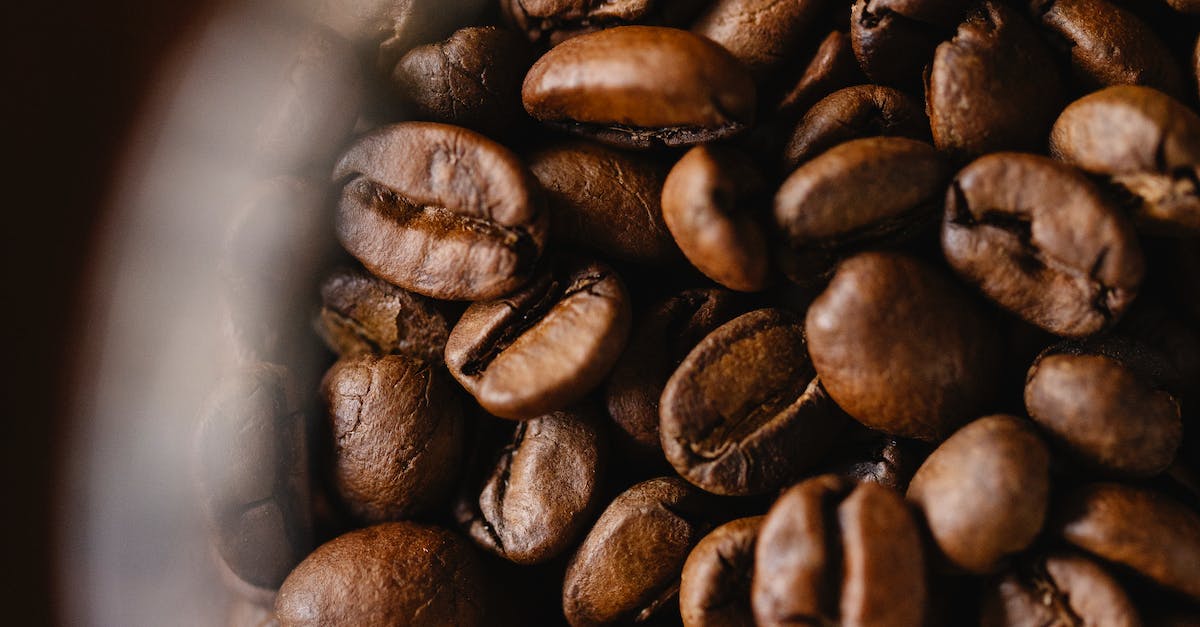
Arabica coffee beans have long been a favorite of coffee lovers around the world, thanks to their rich and varied flavor profiles. This type of coffee bean accounts for the majority of the world’s coffee cultivation, and there is an incredible range of varieties within the arabica category, including Bourbon, Typica and Geisha. Each of these varieties carries unique flavors and characteristics, contributing to the endless variety of coffee experiences. While the Typica variety is known for its clean and mild taste, the Bourbon variety offers a more robust and intense flavor experience. Geisha, on the other hand, has become famous for its exceptional aroma and floral notes, making each cup an exclusive treat.

Tasty varieties from nature’s hand

Nature plays a crucial role in the development of the different Arabica varieties. Through processes such as natural selection and hybridization, new varieties with distinct characteristics are created. These traits can include everything from flavor profiles to resistance to various diseases. Interestingly, this genetic variation helps to produce beans that can offer a myriad palette of flavors and aromas. Bourbon and Typica are just a few examples of how genetic variations can result in coffee beans with fascinating and sought-after flavor profiles. Producers and researchers are constantly working to identify and develop varieties that not only taste good but are also able to cope with the challenges of coffee farming.

Bourbon and Typica – from Ethiopia’s mountains to the world’s coffee cups

These two original Arabica varieties have spread from Ethiopia’s majestic mountain ranges to coffee cups all over the world. Bourbon and Typica are well known for their distinctive flavor profiles that are highly appreciated by coffee enthusiasts. Their spread globally is a story of both adaptation and success, where their genetic traits have allowed them to thrive in a variety of climates and conditions. This adaptability has made them some of the most widely grown and appreciated coffee varieties in the world.

Disease challenges in the coffee industry

Diseases such as coffee rust and cherry disease pose significant challenges to coffee farmers worldwide. These diseases can decimate harvests and thus affect the availability of high-quality Arabica coffee beans. Growers’ choice of variety therefore plays a major role in the quest for resistant plants. Research on disease-resistant varieties is of utmost importance to secure the future of coffee farming and to continue providing consumers with premium Arabica coffee.

The Brazilian coffee giant and its protagonist

Brazil, which is the world’s leading coffee producer, relies mainly on the Bourbon and Typica varieties for its production. These varieties have proven to be particularly well adapted to Brazil’s unique climate and offer the flavor profile that has come to be associated with Brazilian coffee. Despite challenges such as disease, these varieties remain popular with Brazil’s coffee farmers, underlining their value and importance in coffee production.

Exotic varieties take the specialty coffee industry by storm

Ethiopian Heirloom and Geisha have become some of the most sought-after varieties in the specialty coffee industry. Ethiopian Heirloom, which does not refer to a single variety but rather a collection of locally occurring varieties in Ethiopia, offers an incredible diversity of flavors. Geisha, on the other hand, has captured the hearts of coffee enthusiasts with its unique and desirable flavor profile that includes notes of bergamot, jasmine and other floral nuances. The popularity of these varieties underlines consumers’ growing interest in distinctive and high-quality coffee experiences.

The science behind the next generation of coffee beans

While there are no genetically modified coffee beans commercially available yet, scientific research and plant breeding play a central role in developing the next generation of coffee beans. Hybridization and introgression are two of the methods researchers use to produce new Arabica varieties with desirable characteristics such as taste and disease resistance. This research is crucial to ensure a sustainable future for coffee farming and to continue providing coffee lovers with new and exciting taste experiences.

The F1 hybrids – a coffee farmer’s jump

F1 hybrids represent the hope for the future of coffee farming. These plants are the result of crosses between two genetically distinct Arabica varieties, often resulting in a plant that combines the best characteristics of both parents. Features such as improved disease resistance and higher yields make F1 hybrids an attractive choice for growers looking forward to a sustainable and profitable future.

Small-scale varieties attract with big taste

The growing popularity of the specialty coffee industry has led to an increased demand for unusual and flavorful Arabica varieties. Small-scale production methods make it possible to focus on quality rather than quantity, resulting in exceptional coffee experiences for consumers. This trend towards small-scale and quality-conscious production helps to preserve the knowledge and passion of coffee farmers and encourages the development of new and unique Arabica varieties.

Tradition meets innovation at coffee farms

Coffee farming is an industry where tradition and innovation go hand in hand. While older varieties such as Bourbon and Typica continue to play an important role in production, new advances in research and breeding techniques are opening the way for the development of new varieties to meet future challenges. This balance between the preservation of traditional qualities and the pursuit of innovation is key to a sustainable future for Arabica coffee bean cultivation. Arabica coffee beans are at the center of coffee growers’ and consumers’ hearts, and its rich world of flavor variations continues to inspire and delight coffee lovers around the world.

Varieties of Arabica coffee beans

FAQ – Arabica coffee beans – a world of flavor variations

What are the most popular varieties of Arabica coffee beans?

The most popular arabica varieties include Bourbon, Typica and Geisha, all of which are known for their unique and rich flavor profiles. These varieties have found a special place among coffee enthusiasts thanks to their excellent taste and aroma.

How do diseases such as coffee rust and cherry disease affect Arabica cultivation?

Diseases such as coffee rust and cherry disease can have a devastating impact on Arabica coffee farms, leading to large crop losses. Therefore, research and development of disease-resistant varieties is crucial to ensure a sustainable and successful future for the coffee industry.

What characterizes the exotic Geisha variety of arabica?

The Geisha variety of Arabica coffee is known for its exceptional flavor profile that often includes bergamot, jasmine and other floral notes. This unusual and high-quality taste experience has made Geisha a sought-after variety in the specialty coffee industry.

What innovations and breeding methods are used to develop new Arabica varieties?

To develop new Arabica varieties, methods such as hybridization and introgression are used, which help researchers combine desirable traits from different varieties. This includes improved disease resistance and flavor potential, which is critical for a sustainable future of coffee farming.

How do small-scale coffee farmers contribute to the supply of Arabica coffee beans?

Small-scale coffee farmers play a central role in preserving and developing unique Arabica varieties by focusing on quality and craftsmanship. Their work enriches the coffee market with rare, tasty Arabica varieties and encourages biodiversity and innovation in the industry.

Photo by cottonbro studio on Pexels

Photo by mali maeder on Pexels

Photo by Madison Inouye on Pexels

Continue reading

Posted on

Flavor development during roasting: the magic of the griddle effect

“The Maillarde Effect: The Taste Magic of Roasting”

“Through heat and chemistry, the maillard effect transforms the ordinary into a symphony of flavor, where the artistry of roasting meets the precision of science.”

How the Maillard effect transforms the coffee bean

Coffee is more than just a hot drink; it is an experience, a ritual, and for many of us, a daily necessity. But how does a greenish, bean- and grass-like coffee bean turn into a flavorful delight that tantalizes the taste buds? The initial response is roasting, where the coffee beans go through a transformation that leads to the development of 800 to 1000 different aroma compounds. It is in the roasting process that the Maillard effect, a chemical reaction that dramatically changes and enhances the bean’s inherent potential, takes center stage.

The impact of heat on bean flavor profiles

Roasting is a delicate process where the heat slowly creeps in and begins its dance with the humidity of the coffee bean, which is 8-12%. Different degrees of roasting, from light roast to dark roast, give the coffee its character. The lighter roast often produces a more acidic flavor and brings out the original characteristics of the bean, while a darker roast imparts a richer bitterness and flavors reminiscent of charred nuts or deep chocolate. The degree of roasting determines the flavor journey of the bean and this is where the roastmaster’s knowledge and artistic flair play a key role.

The Maillard effect – the secret of flavor development

But what exactly is the Maillard effect, this magical secret that appears in every coffee snob’s vocabulary? Well, it’s simply a chemical reaction between amino acids and reducing sugars that occurs when heat is applied. During the roasting process, especially at the brewing stage which starts at 160°C, the maillard reaction kicks in and creates hundreds of those delightful aroma and color compounds we mentioned earlier. So when you admire the seductive brown hues of your coffee cup, remember that it’s the work of the Maillard effect you’re seeing, a firework of flavors brought to life in your roasting process.

The aromatic dance of coffee – first cracking

A key event in this scenario is the epic moment known as the ‘first crack’. This is when the coffee beans show their true colors for the first time. Chemically, it is a sign that water vapor and carbon dioxide are creating pressure inside the bean, resulting in this noisy and spectacular phenomenon. The complex reactions that occur here add new dimensions of flavors and aromas to the beans. It’s as if someone has just turned up the volume on the coffee bean’s inherent melody.

The impact of rust on your morning cup

Imagine all those delicate flavors waiting to be released through the degree of roasting you choose. Indulge in the caramelized notes thanks to a medium roast or sink your teeth into the roasted robustness that only a dark roast can offer. While many puritans stick rigidly to the standard rules of roasting, the modern coffee lover delves deeper into the art of roasting. Learning how different degrees of heat induce varying flavor profiles can lead to a more personalized and enjoyable coffee experience for the adventurous.

How to choose the right roast for your filter coffee or espresso

We don’t all have the luxury of a personal roast master at home, but you can become your own expert when it comes to choosing the roast level for your filter coffee or espresso. Think about it: espresso traditionally roasted darker to evoke a full body and soften the acidity, or filter coffee usually appreciated lightly roasted to appreciate the fine nuances of the coffee. One tip is to experiment with different roasts – there’s a whole world of flavor to explore! Maybe you’ll find the ultimate balance for your taste buds.

The impact of grate machines on the grinding effect

Although the maillard reaction is universal, the rusting machines play a major role in how well this reaction is carried out. The type and design of the roaster – drum roaster or fluidized bed roaster – determines how the heat is distributed and affects the thermodynamics. This in turn affects which flavors develop and how. So next time you enjoy a cup of coffee, think about the technology and machines that served as the stage for aromatic dances behind the scenes. Each coffee is a small miracle, made possible by the right harmony between raw material and technology.

The warm air effect – fluidized bed sprinklers

Fluidized bed roasters are truly the ace up the sleeve of modernity for even roasting and perfect taste. Instead of resting on a surface, the coffee beans levitate in a stream of hot air, ensuring a uniform heat treatment and thus a uniform roast. This provides a great base for the grinder effect to enthusiastically perform its magic, evoking rich and evenly balanced aroma profiles that can satisfy even the most discerning coffee lover.

Roasting is a journey – not just a science

Roasting is definitely a science, but it’s also a journey, an artistic process that takes raw, green beans and turns them into something magical. It is an experience that is constantly changing and challenging. Discover the magic of roasting for yourself by exploring and enriching your coffee experience. It’s an adventure that starts but never really ends, because there’s always something new to discover in the aromatic universe of coffee.

Find your perfect profile – experiment at home

Roasting at home does not have to be a science college project. Start with small batches and different degrees of roasting, and use your senses – sight for color, smell for aroma, and hearing for the first crack. Each batch you roast is a chance to refine your technique and further customize the flavor profile to your personal coffee heart. Get inspired, experiment and most importantly, enjoy the journey towards the perfect cup of coffee.

Summary – bring the magic of the grid effect home

Overall, the Maillard effect is necessary to create the rich, complex and seductive coffee we all love. It is an invitation to delve into the world of coffee and get to know the nuances that make each roast unique. So next time you sip your morning cup, take a moment to appreciate the chemical wonders that brought you this pleasure. Embark on your own flavor journey, dare to experiment, and marvel at all the nuances the roasting process has to offer. The joy is in exploring, feeling and falling in love with every step of coffee’s transformation – from the green bean to the final, brewed cup worthy of being called your favorite.

Effects of the Maillard reaction on coffee flavor profiles

FAQ – Flavor development during roasting: the magic of the mesh effect

What is the Maillarde effect and how does it affect the taste of coffee?

The Maillard effect is a chemical reaction between amino acids and reducing sugars that starts at high temperatures during the roasting process. This reaction creates hundreds of different aroma and colour compounds that revitalize the complex aromatic profile of the coffee. The effect contributes to the rich and seductive flavor we experience in our coffee, highlighting everything from the acidity of light roast to the bitterness and depth of dark roast.

What role do the different stages of the roasting process play in the final taste of the coffee?

The roasting process consists of three main stages: drying, brewing and developing. During the drying stage, the bean decreases in humidity which prepares it for the chemical reactions to come. The brewing stage involves the onset of the Maillard effect, which is crucial for developing the coffee’s aromas. During the development stage, the final flavor profiles are formed, and this is where the roaster fine-tunes the flavor character of the coffee by controlling the length and temperature of the roast.

How does the flavor profile differ between light roasted and dark roasted coffee beans?

Light roasted coffee retains more of the original bean and its acidity, while dark roasted beans develop a richer bitterness and flavors similar to toffee and dark chocolate. Light roasts bring out the gentle nuances and complexity of the bean, while darker roasts offer intensity and a heavy flavor experience.

Why is the mix of drum roasters and fluidized bed roasters important for the taste of coffee?

Drum roasters and fluidized bed roasters affect the thermodynamics of the roasting process in different ways. Drum roasters allow slow roasting that produces deep and complex flavor profiles, while fluidized bed roasters use hot airflow that provides a fast and even roasting. This results in ensuring optimal flavor development and a more consistent aroma profile across all beans.

How can I best experiment with roasting degrees at home to find my perfect flavor profile?

To experiment at home, start by roasting small batches of coffee and try different degrees of roasting. Use your senses to judge the changes – look at color changes, smell developing aromas, and listen for the first crack. By adjusting the roasting time and temperature, you can discover which roast level best brings out your preferred flavors and personalizes your coffee experience.

Visual representation of the Maillard reaction in the coffee brewing process.

Photo by White Elk Coffee Roasters

Photo by Michael Burrows on Pexels

Photo by Michael Burrows on Pexels

Continue reading

Posted on

Top tips for making French press coffee

Meta title: Top tips for perfect French press coffee!
fresh coffee beans French press brewing

“Mastering the art of French press coffee is not just a way of brewing coffee, it is an invitation to a world of deeper flavors and moments of genuine enjoyment.”

Discover the secrets of French press coffee

Cups of French press coffee have long been a way to enjoy coffee around the world, appreciated by many for its rich taste and easy brewing method. It’s not just a drink; it’s an experience, with each sip telling the story of the bean behind the brew.

My first perfect cup of French press coffee came as a revelation. After years of experimenting with different brewing techniques and equipment, it was through the cafeteria that I found the perfect balance of flavor, aroma, and body.

Fresh start: Start with fresh beans

To achieve the ultimate taste of your French press coffee, it is crucial to start with fresh coffee beans. Coffee loses flavor quickly after roasting, so always use freshly roasted beans to ensure a rich and full flavor profile.

To find freshly roasted beans, visit local coffee roasters or specialty shops that focus on quality coffee. Many of these places offer beans that can be traced back to their origins and coffee plantations, adding an extra dimension to your cup of coffee.

Coffee’s journey from bean to cup

Knowing the origin of the coffee bean is not only interesting but also critical to your taste experience. The origin affects the character and flavor profiles of the coffee. Choosing coffee that can be traced back to its origins reflects not only respect for its taste but also for the sustainability of its production.

The ideal grind for press coffee

For lovers of French press coffee, the degree of grinding is of utmost importance; it should be coarse and even. Too fine a grind can result in a cloudy coffee and a bitter taste, while too coarse a grind can make the coffee weak and watery.

A burr mill is recommended to achieve a perfect, even, and coarse grind. The burr mill crushes the beans to a uniform size, ensuring the best extraction result.

The coffee and water ratio

The balance between coffee and water is crucial to achieve the perfect cup of pressed coffee. A good starting point is 60 grams of coffee per liter of water, but feel free to experiment to find your personal preference.

Arabica or Robusta – the essence of taste

There are two main types of coffee beans: Arabica and Robusta. Arabica beans are known for their milder flavor profiles, with notes of fruit and sugar, and they offer a more complex and nuanced cup of coffee.

Personally, I prefer 100% Arabica beans for my French press coffee as I value the rich and aromatic flavor experience they bring.

The role of water in coffee brewing

Not only the coffee, but also the water you use plays a big role in the final taste of the coffee. Feel free to use filtered water to avoid off-flavors and chlorine, which can spoil the carefully prepared cup of coffee.

The advice to use filtered tap water is based on expert recommendations and preserves the pure taste of coffee without unwanted additives.

Clean tools for the clean taste

Regularly cleaning your cafetière is a critical but often forgotten part of maintaining the quality of your coffee. Coffee residue and oil residue can quickly build up and introduce unwanted flavors to your brew.

A thorough cleaning after each use, including disassembly and rinsing of all parts, is necessary to maintain the best possible flavor.

Fighting the taste thieves

To counteract the build-up of oil residues and mineral deposits, use a mixture of warm water and mild dish soap to clean the cafetière. For deeper cleaning, consider using white wine vinegar to dissolve mineral deposits.

Your route to the perfect gift

Brewing the perfect French press coffee is an art form that involves the right choice of beans, proper equipment and a careful brewing process. By following these steps – from choosing the right beans and water quality to regularly cleaning your cafetière – you can ensure a tasty and enjoyable cup of coffee every time.

Explore the art of brewing perfect French press coffee with fresh coffee beans, achieving the ideal grind size and balancing the coffee-water ratio for a rich flavor experience. Discover the origin of the bean and choose between Arabica or Robusta depending on personal preference. Use filtered water and clean tools to avoid unwanted flavors. By following these steps, you can enjoy an upgraded cup of French press coffee that offers depth and complexity in every sip.

FAQ – Top tips for making French press coffee

Which grind is best for French press coffee?

The ideal grind for French press coffee is coarse and even. Too fine a grind can result in a cloudy and bitter coffee, while too coarse a grind can make your coffee too weak. A burr mill is recommended to achieve the best grinding degree and extraction result.

How important is freshly roasted coffee for French press coffee?

It is of great importance to always use freshly roasted coffee to achieve the best results with French press coffee. Fresh coffee beans ensure a rich and full flavor profile in your coffee and contribute to a more enjoyable experience.

Is the type of water I use important for the taste of my French press coffee?

Yes, the quality of the water you use is crucial to the taste of your French press coffee. Filtered tap water is recommended to avoid unwanted off-flavors and chlorine, which can ruin the subtle taste of your coffee.

Should I choose Arabica or Robusta beans for my pressed coffee?

For a fuller and more aromatic taste experience, 100% Arabica beans are recommended for French press coffee. Arabica beans are known for their milder flavor profiles, with notes of fruit and sugar, resulting in a more nuanced cup of coffee.

How often should I clean my cafetière to maintain the quality of my coffee?

It is important to clean your cafetière after each use to maintain the quality of the coffee. This means disassembling and rinsing all parts to avoid the build-up of coffee residue and oil residue that can introduce unwanted flavors to your brew.

Search for images on

Photo by Burst on Pexels

Photo by Burst on Pexels

Photo by Anete Lusina on Pexels

Continue reading

Posted on

Attracting more café guests – your guide to a vibrant meeting place

“Getting more café guests – the guide for café owners”
café atmosphere, digital presence, social media, collaborations, local engagement, quality events, reputation, customer loyalty, quality coffee, memorable experience

“A café is not just a place for coffee, it is a stage for the many acts of the day. To attract café guests, create a symphony of flavors, aromas and irresistible atmosphere that makes every visit a memorable performance in the theater of life.”

A warm invitation to all café lovers

Waving coffee enthusiasts through the doors is not always easy. For the café owner, the art of attracting customers is a task that requires both passion and creativity. A café whose laughter and buzz can be heard on the street is a place you are naturally drawn to. My personal belief is that the key to a vibrant meeting place is in the details; the visual, the aromatic and the social. When I walk into a café and immediately feel welcome, I know I’ve found a place worth returning to.

Digital presence – your window to the world

In an era where digital presence can be crucial to success, it is increasingly important for cafés to create a visible online presence. Investing in an online profile is both simple and effective and opens the door for coffee lovers to discover your corner of the world.

Add your café to digital maps, such as Google My Business, Yelp, and TripAdvisor. With a few simple clicks, you give customers all over the world a virtual sign pointing straight to your espresso machines. This step is critical; it allows your café to be easily found and to benefit from the increased customer traffic that follows.

Vivid images and updates that entice

Post quality photos of your café – let people see the care you put into the interior, your inviting menu and the perfectly frothed cappuccino. Such images on your business profile can be directly translated into more clicks for directions to your café.

Small talk has a big impact

Local small talk can often lead to big opportunities. By forging links with other local businesses and organizations, you can create a circle of café friends who all benefit from each other. Over a cup of freshly roasted coffee, relationships are created that generate flows of new and curious visitors.

Local tourist offices, hostels and hotels can be your best source of new café guests. Cooperation here can mean anything from distributing flyers to being the recommended rest stop for city walks. Such partnerships build reputation and community – two ingredients that in turn bring people along.

Social media – your creative game plan

Social media is an endless source of creative opportunities to create a buzz around your café. Every post, every picture and every comment is a chance to showcase your unique character and attract both likes and latte orders.

Hashtag your way to the top lists

By using thoughtful hashtags, you can time your café to pop up in feeds as coffee lovers scroll in search of their next coffee break. The right hashtags can take your café from a hidden gem to a trendy destination.

In the spotlight – the road to local fame

To put your café in the spotlight, sometimes all it takes is a mention in a local newspaper or a popular blog post. Such recognition can ensure that your café is talked about among regulars and discovered by those looking for the hottest coffee stop in town.

Reputation as a marketing strategy

Don’t forget that your reputation is your most valuable currency. Word-of-mouth marketing, reinforced by rave reviews on Yelp and TripAdvisor, can be what makes your café a beloved institution. And don’t forget the personal service – it sets the standard and tone for what visitors will convey.

By regularly responding to online reviews, you show that you care and that you are committed to the success of your business. Even a simple ‘thank you’ can do wonders for customer relationships and future sales.

Let the love for your café grow

Introducing loyalty programs is a smart move to keep your café guests coming back. Offer a punch card or reward them with personalized offers, like a free birthday latte, to show your appreciation for their choice of your business as their favorite coffee spot.

Celebrate the customer’s day

Praise and rewards are two things that can make a café guest feel special. Imagine the joy when a regular receives a discount on their coffee on their birthday. This sense of recognition and appreciation creates a strong bond with your café.

Creative events that breathe life into the café

Organizing creative events such as concerts or theme nights is a great way to liven up the café’s atmosphere and attract a diverse range of guests. Such events are transformed into memorable moments that guests are happy to share with friends and on social media.

Variety and novelty are two components that always attract customers. Whether it’s a coffee tasting, a book club or live music, a café culture that embraces events is a culture that is alive and growing.

The most crucial thing is the coffee

Finally, let’s not forget that at the heart of every café is the coffee. Relying on high-quality coffee beans, like those you’ll find at White Elk Coffee Roasters, is an investment in the fundamental experience of your guests. Great specialty coffee is not just a product, it’s a journey where every sipping guest becomes a storyteller of your story.

Unique café interior design ideas

FAQ – Attracting more café guests – your guide to a vibrant meeting place

Which online platforms should I list my café on to increase visibility?

To increase the visibility of your café, it is essential to list it on popular platforms such as Google My Business, Yelp, TripAdvisor and Facebook. By being on these platforms, you make it easier for potential customers to find your café and attract more customer traffic.

How important are quality images for your café’s online marketing?

Quality images are essential for promoting your café online. Images of the café’s exterior, interior and menu can directly translate into an increased number of people clicking for directions and visiting your café. They represent your business and attract visitors by showcasing the charm and quality of your establishment.

How can I work with local organizations to attract more guests?

Work with local tourist offices, hostels, hotels and other businesses to spread the word about your café. Distribute flyers or business cards and offer special promotions or be the recommended location for city tours. This not only builds reputation but also a network that can bring a stream of new and curious visitors.

How can I use social media to generate interest in my café?

Use social media to regularly showcase your café with engaging content, including high-quality images and relevant use of hashtags. This not only increases your café’s visibility, but also engages existing and potential customers in the unique character and offerings of your business.

What types of loyalty programs can I introduce to increase repeat visits?

Introducing loyalty programs such as punch cards or personalized offers like a free birthday latte can effectively increase repeat visits. These programs show appreciation for your customers and encourage them to choose your café as their favorite place for coffee.

Creative café interior design

Photo by On Shot on Pexels

Photo by Canva Studio on Pexels

Photo by Chevanon Photography on Pexels

Continue reading

Posted on

How to use different cups for different coffees

Meta title: “Guide: Cups for coffee – The right choice for your brew”
Translate this into Swedish: cups coffee cup shape aroma sweetness acid intensify specific properties different coffee varieties transform unique experience

“Choosing the right cups for coffee is like giving your brew the stage it deserves – a perfect harmony of form and function that enhances every flavor note.”

Discovery: Cup shape changes the taste of coffee

Have you ever wondered why your morning coffee tastes different at home compared to your favorite coffee shop, despite the same beans and brewing method? The solution may lie in something as simple – yet complicated – as the shape of your cup. Research by Dr. Fabiana Carvalho shows the strong influence of cup shape on how we experience our coffee. The study engaged both professional and amateur consumers and the results were unequivocal: the geometry of the cup can change your impression of everything from the aroma of the coffee to its sweetness and acidity.

These discoveries are revolutionizing the way we enjoy coffee. From grind size to brewing temperature, many parameters have received our attention in the past, but now it’s time to put the shape of the cups in focus. Dr. Carvalho’s research underscores the richness and complexity of coffee cultures, and how such a unique and valued state as the coffee aroma can guide our choices of vessels. Each attribute assessed – from aroma to overall enjoyment – makes us re-evaluate the meaning of the recipe item we pour our brew into.

Tulip-shaped cups – aroma’s best friend

Tulip-shaped cups have long charmed coffee enthusiasts with their elegant design and their ability to enhance the flavors of coffee. The reason for their popularity among those who appreciate an intensely flavored coffee experience is that these cups physically help to concentrate the approximately 1000 volatiles that create the coffee’s aroma, directly under the nose with each sip. Because scent plays such a big role in our perception of taste, a tulip-shaped cup enhances the nuances of flavor and makes coffee time a more profound and pleasurable ritual.

When it comes to being sensitive to the mathematics behind how we perceive flavors, there’s a solid science behind tulip shape. The shape’s ability to retain and even enhance aromatic characteristics lends itself to coffees that have complexly unique profiles, where every nuance deserves to be fully appreciated.

When should which cup be used?

You may have wondered which coffee goes best in a tulip-shaped cup? This is something to explore with, for example, a delicate light roast coffee with notes of citrus or flowers – its aroma will take on an extra dimension in a tulip-shaped cup. If you’re curious and want to delve into the complexities of coffee, a change of cup is the easiest step!

Shattered cups – highlighting sweetness and acidity

Split cups allow for a completely different experience, one that accentuates the sweetness and acidity of the coffee. The open and wide shape of these vessels contributes to a more dispersed diffusion of aroma, which can help the taste buds to perceive an increased complexity, especially in the case of the so-called high notes of the coffee. Dr. Carvalho’s study, which carefully evaluated different cups, confirms that the form we drink from affects our perception of these taste aspects.

For coffee drinkers aiming to realize a full palette of flavors, cup selection can play a crucial role. That’s why split cups are so important: they allow sweet and fruity coffees to spread around the palette and enrich the taste experience.

Why design and shape matter for the taste experience

Design and shape are not only aesthetic choices, they also play a direct role in shaping our taste experience. Tim Wendelboe, who is not only a world champion barista but also a leading coffee innovator, has together with designer Kristin Hærnes Ihlen created a series of cups with the aim of creating the optimal taste experience for different coffee varieties. Their Oslo series is an unprecedented expression of how cup design can change the way we drink and perceive coffee.

Being aware of the shape of cups and how it affects the coffee experience is becoming increasingly relevant. It’s also something that permeates coffee culture, with baristas and designers delving into how cups affect sensory aspects of our prized beverage.

To each his own barista: experimenting at home

So, how does a coffee nerd start experimenting with different cups at home? The key is to explore with an open mind and experiment. You may not have a whole cupboard full of different cups, but starting with two different shapes can give you an immediate insight into how big a role shape actually plays. Imagine experiencing your favorite coffee in a whole new way just by replacing the cup!

It’s about exploring and challenging your previous assumptions. You might find that nutty, chocolate-toned espresso reaches new heights in a split cup, or that za href=”https://whiteelkcoffee.com/butik/kaffebonor/”>sour Kenyan coffee beans find their most expressive expression in a slimmer tulip shape. Home baristas can find new favorites with a simple cup change.

Tips for choosing the right cup for the right coffee

Start by reviewing what kind of coffee you like. Is it light and fruity or thick and spicy? Choose a cup that matches these qualities. For coffees with strong acidity and fruit tones, try a wide split cup and for coffees that are more aroma-focused and floral, go for a tulip-shaped variety. Think about what you appreciate most about your coffee and let the choice of cup reflect that.

Challenges in practice: not everyone can keep up with the trend

Embracing a diversity of cups for coffee may seem like a dream for the enthusiastic coffee drinker, but in the commercial space, such as coffee shops and roasteries, logistical and financial constraints can make it difficult to offer an optimal cup for each coffee variety. Despite obstacles, the growing knowledge of the impact of cups on taste perception can stimulate a more conscious consumer and may also inspire innovative solutions in the industry.

If every café had a plethora of different cups for all their coffees, it could become an operational nightmare. It’s about finding a balance where you can deliver a memorable experience for your customers, while maintaining the efficiency and sustainability of your business.

Finding a balance in coffee culture

For the coffee lover, it is important to find a balance between knowledge and practice. Whether you’re a home barista curious to try out tulip-shaped cups, or a café owner looking to offer the best experience without being overwhelmed by options, the answer lies in how your preferences guide your choices. This is the beauty of coffee culture – an area where learning and discovery are always possible, but where personal enjoyment should always be the guiding principle.

Cups for coffee – an adventure in every sip

Exploring cups shaped for different types of coffee can really transform your drinking experience into a little adventure. By gaining a deeper understanding of how design and shape can change and enhance different aspects of coffee, you will broaden your horizons and become a more conscious consumer. Each new cup is an invitation to explore and enjoy the diversity of coffee, an invitation that is too tempting not to accept.

Think of every new cup of coffee as an opportunity to discover something new, whether it’s your favorite coffee or a variety you’ve never tried before. With the right cup in hand, every sip can be a memorable experience. So, what are you waiting for? Let the adventure begin!

FAQ – How to use different cups for different coffees

How does the shape of the cup affect the taste of coffee?

The shape of the cup has a significant impact on coffee flavor by affecting the perception of aromas as well as the perception of sweetness and acidity. For example, tulip-shaped cups concentrate aromas and can enhance the perception of a coffee’s aroma and flavor nuances, which in turn improves the overall experience.

Why is it important to match coffee with the right cup?

Matching coffee with the right cup is important because the right type of cup can emphasize and enhance the characteristics of the coffee. For coffees with a prominent acidity and fruitiness, a wide split cup can be beneficial, while a more aromatic coffee benefits from a tulip-shaped cup that concentrates the aromatics.

What research supports the claim that cup shape affects taste?

The research supporting the claim that cup shape affects taste comes from a 2018 study by Dr. Fabiana Carvalho, among others, which shows that different attributes assessed – such as aroma, sweetness and acidity – are influenced by cup shape. The same has also been reported regarding the impact of wine glasses and beer glasses on the taste experience of each beverage.

Can you really experience your favorite coffee in a new way by simply changing the cup?

Yes, you can definitely experience your favorite coffee in a new way by simply changing the cup. Even small changes in the shape and size of the cups can demonstrably change the flavor profile experienced, contributing to a new taste experience and potentially improving the sensory enjoyment of the coffee.

Is it practical for cafés to have different cups for each type of coffee?

For coffee shops, it can be challenging to have a specific cup for each coffee variety due to logistical and economic reasons. Nevertheless, knowing how cup shape affects coffee taste can stimulate a more conscious experience for customers, and café owners can strive for a balance that offers a memorable experience while maintaining efficiency and sustainability.

Pictures of coffee cups in tulip and split patterns.

Photo by Marcelo Chagas on Pexels

Photo by Tim Douglas on Pexels

Photo by iam hogir on Pexels

Continue reading

Posted on

Growing coffee in Uganda: one bean’s journey to perfection

Coffee beans from Uganda – a story of perfection
Uganda coffee farming production sustainable methods wet processing quality diversity international market

“Uganda’s lush soils don’t just grow coffee – they sprout a quest for perfection that permeates the essence of each bean.”

From Uganda’s red soil to your coffee cup

Uganda, a country whose name echoes with the aroma of quality coffee, is a key player in the international coffee market. Since the 1980s, coffee has been Uganda’s main export, and it’s not hard to see why. The East African country has overtaken traditional coffee giants like Ethiopia in production, putting Uganda at the forefront as the largest coffee producer in Africa right now. The red, nutrient-rich soil and the country’s commitment to quality have created the perfect environment for growing coffee.

Coffee has a rich and vibrant history in Uganda, with its role as an economic lifeline and a cultural symbol. From the lush hillsides of the landscape to each coffee farmer who grows and harvests these precious beans, every detail contributes to the exceptional character of the coffee. In this article, we take you on a journey where we explore the process of coffee farming in Uganda and reveal the unique character of coffees from different regions of this thriving country.

Uganda’s green gold – the heart and soul of coffee farming

Among the lush landscapes of Uganda’s highland and lowland regions, two types of coffee are grown: Arabica and Robusta. Arabica, a high-altitude bean that thrives between 1,300 and 2,300 meters above sea level, produces coffee with subtle and complex flavors. Robusta beans, which grow at lower altitudes of 900 to 1,500 meters above sea level, boast a nourishing bitterness and low acidity that is robust enough for demanding climates.

The geographical scope of Uganda’s coffee growing is as impressive as its diversity. From the relief of the central plateau to the rolling landscape of the north and east, each region has its own characteristics that benefit the coffee grown. There is a close correlation between each region’s unique soil and climate with the aroma and flavor profile of the coffee from that region.

Arabica – The noble berry of the high altitude

The Arabica coffee, which is synonymous with refinement and complexity, requires special conditions that only high-altitude areas such as the Rwenzori Mountains and Mount Elgon can offer. The temperature range of 15 to 24 degrees Celsius is essential for these noble berries. It is this high altitude that refines the quality of the Arabica beans, slowly developing the desired flavor profiles and acidity levels that coffee lovers seek.

Robusta – The resilient soul of Ugandan coffee farming

While the Arabica bean is the refined aristocrat of the coffee-growing world, the Robusta bean is its rugged workhorse. This bean’s hardy nature and higher caffeine content make it less susceptible to disease. However, robusta is also affected by climate change, with a temperature increase of 2 degrees Celsius risking a reduction in production capacity. However, the Lake Victoria area is a bastion of the Robusta coffee bean, where it is nurtured and grown with great knowledge and tradition.

The role of smallholders in the future of coffee farming

Smallholders in Uganda represent more than just coffee farmers; they are the backbone of the country’s coffee economy. Growing coffee on small-scale farms, often no larger than half a hectare, is an art form that has been passed down from generation to generation. These small farms, where shade cultivation is a common practice, benefit not only the vegetation but also the health of the soil, leading to healthier and more flavorful beans. However, despite their significant role, smallholders face challenges such as market access and climate change, which affect their ability to stay in the market.

In harmony with nature – Sustainable coffee farming

Sustainability has become a key word in Uganda’s coffee farming industry. Advanced practices such as the introduction of high-yielding robusta clones to replace old and diseased trees, and the widespread adoption of wet processing techniques, are improving not only quality but also sustainability. The methods applied in Uganda’s coffee farms have environmental protection very much in mind. The Uganda Coffee Development Authority (UCDA) has a central role in this transition to more sustainable farming techniques, for example by supporting wet processing that generates a more flavorful and higher quality coffee.

The unique character of Uganda’s coffee varieties

Uganda’s coffee offers a world of flavors that can vary dramatically depending on the region it comes from. The regional varieties offer a rich palette of flavors, from fruity and floral notes to deep and earthy notes. This diversity reflects the rich soil and climate that each coffee variety benefits from.

West Nile and Rwensori Mountains – the jewels of Arabia

The Arabica coffee from the West Nile region and the Rwensori mountains are what can be described as the jewels of the region. This premium variety has notes that reflect the region’s volcanic soil and humid climate. Processing techniques also play a major role in the final product, with hand-picking and wet processing methods ensuring the high quality.

Bugisu – Mount Elgon’s coffee culture

Bugisuka coffee beans, which originate from the green hills around Mount Elgon, offer distinctive and desirable flavor profiles. This attractive Arabica variety has a deep flavor with a well-balanced acidity, and is well known among coffee enthusiasts for its unique and compelling characteristics.

Coffee berries’ path to perfection

The journey of coffee from the bright red berry to the deeply aromatic finished bean is a process that requires care and dedication. The ripeness of the berry, the timing of the harvest, and the processing techniques are all critical factors in reaching the full potential of the quality bean. Hand picking is the preferred method in Uganda as it allows for the selection of only the most ideal berries, which directly affects taste and aroma.

The many shades of taste – Production and quality

The production of coffee can involve either wet or natural processing, each method with its own distinct impact on the flavor profile of the coffee. Wet processing is particularly popular because it tends to bring out more of the finer flavor nuances in the coffee beans. It is this type of production that makes Ugandan coffee so exceptional in its diversity of flavors and aromas.

The future of coffee in Uganda

Despite Uganda’s success in the coffee market, there are several challenges facing the country and its farmers, including climate change and the need to conserve biodiversity. However, the outlook for the future is positive, thanks to opportunities offered by the development of sustainable coffee practices and growing global specialty coffee markets. Coffee farming is fundamental to Uganda’s economy and is a crop that deserves to be recognized for its contribution both economically and culturally to the country.

Uganda's coffee production pictures

FAQ – Coffee farming in Uganda: A bean’s journey to perfection

Which coffee varieties are mostly grown in Uganda and at what altitudes?

Uganda specializes in the production of two main coffee varieties: Arabica and Robusta. Arabica coffee is grown at altitudes between 1,300 and 2,300 meters above sea level, while Robusta grows at lower altitudes between 900 and 1,500 meters above sea level.

How has Uganda’s coffee farming developed compared to other African countries?

Uganda has made significant progress in coffee farming and by 2020 was the largest coffee producer in Africa, overtaking traditional coffee-rich nations like Ethiopia.

How does Uganda’s geographical diversity affect the taste of the coffee grown?

Geographical diversity and the unique soil and climatic conditions found in the different regions of Uganda contribute to a rich variety of flavor profiles in the coffee. These range from fruity and floral notes to deep and earthy notes.

What is the difference between Arabica and Robusta coffee from Uganda?

Arabica coffee from Uganda is known to have a more subtle and complex flavor profile, while Robusta is more robust and characterized by a higher bitterness and lower acidity. Arabica is grown at higher altitudes and has a more refined flavor while Robusta is more resistant to disease and is grown at lower altitudes.

How do smallholders contribute to coffee farming in Uganda and what challenges do they face?

Smallholder farmers are crucial to Uganda’s coffee economy because they grow coffee in a sustainable way that maintains the health of the soil, which in turn leads to high-quality and flavorful beans. However, they face challenges such as limited market access and the impact of climate change that may affect their sustainability within the market.

Ugandan coffee farmers' harvesting process

Photo by illustrate Digital Ug on Pexels

Photo by Timon Cornelissen on Pexels

Photo by DIALO Photography on Pexels

Continue reading

Posted on

Coffee giant Brazil: a deep dive into the kaleidoscope of culture

Brazil’s Coffee Culture: A Unique Guide
Brazilian coffee culture traditions

“Brazil is not just a nation; it is a symphony of flavors, colors and traditions dancing together in the beating heart of global coffee culture.”

Brazil: the coffee giant with culture at its core

Good music, dancing and carnival, sure, but if we’re talking Brazil – we’re talking coffee. And lots of it. It’s like samba for the taste buds and an irresistible gasping passion for anyone who takes a sip. In Brazil, coffee is more than a drink; it’s an art of living, a heritage, and humorously, a reason to hang out with friends for an extra minute during the workday. Sure, it’s in your blood.

Introduction to Brazilian culture

Imagine the roar of a river of cultural expressions, and you have Brazil in a nutshell. The country is a melting pot where music, dance, and festivals mix with an easy-going lifestyle. But a cup of Brazilian coffee in the morning is sacred time. Each sip is a tribute to a tradition that goes back centuries, a tradition as Brazilian as the warm sands of Copacabana.

The understanding of coffee in Brazilian culture

In Brazil, you don’t just grab a cup of coffee and move on. No, here coffee is a ritual, almost like a religion, and a time to connect. It’s about community and socializing, about coffee so central that it’s almost a member of the family. Friends, family, and even business partners often share their important moments over a well-roasted cup of coffee.

The origin of coffee in Brazil

The story of how Brazil became the uncrowned king of coffee is a tale worthy of a Hollywood movie. From long sailing ships and dark plantations to the cozy hipster cafés of the big city, the coffee bean has seen it all. It has helped build the country’s economy and identity as much as football, if not more.

How did coffee come to Brazil?

When it comes to coffee and Brazil, it wasn’t love at first sight. In fact, the beans arrived on Brazilian soil through a story involving smuggled seedlings and crafty diplomats. Introduced in the country in the early 18th century, coffee production slowly but surely grew to become what it is today: the backbone of Brazil’s economy.

From a colonial crop to today’s global smash hit, coffee has undergone a transformation in Brazil. Thanks to its hilly landscape, perfect rainfall and the hard work of its farmers, Brazil has parked itself at the top of the coffee-producing world and doesn’t look like moving anytime soon.

Brazil’s coffee regions and their unique character

Mention Brazil’s coffee regions and you’re talking about areas tightly woven into the country’s economy and soul. Each region has its own twist, its rhythm:

Minas Gerais

Inside Brazil’s green heartland lies Minas Gerais, where the coffee smells as sweet as the region’s name. It is the heart of production, where farmers, with the sun as their working lamp, grow some of the world’s finest beans with a love that borders on obsession.

Sao Paulo: A cosmopolitan city with a passion for coffee

Sao Paulo’s urban landscape hides an obsession with coffee that could make any barista green with envy. Innovation in the world of coffee happens here, in the many cafés where tradition meets trend.

Espirito Santo: A diamond in the rough in the coffee industry

Espirito Santo may not be the first thing you think of when you hear ‘Brazilian coffee’, but the region really is a hidden gem. Robust beans are grown here, a tough bean that gives a strong and powerful coffee flavor that will make your eyes perk up.

Bahia: The cradle of Brazilian coffee diversity

Bahia is not only a name, but also a place where the diversity of coffee is in every cup. If you’re looking for nuanced and exciting flavors, Bahia is the place to go. Coffee from here is a carnival in itself.

How coffee is shaping Brazil’s economy

Okay, so the economy might not be the sexiest topic to discuss when talking about coffee, but coffee and the economy in Brazil is like a thriller. We’re talking billions of dollars and millions of jobs, and an influence that extends further than anything else in the country.

The development of Brazil’s economy thanks to coffee is a story of development. From being an economy that could barely hold together, it now seems that the coffee sacks are filled with money instead of beans. Coffee has helped Brazil expand and become a truly globalized country.

Even today, coffee is important for Brazil’s economy. We are talking big industry that still, despite a certain saturation of the market, continues to pump out green beans like there is no tomorrow.

Coffee and social aspects in Brazil

It is an unwritten rule in Brazil that a coffee invitation is mandatory once you want to befriend someone. It’s the perfect excuse for any social occasion, from spontaneous meetings on the street to grand dinners. A cup of coffee facilitates conversation, improves friendships and builds social bonds.

Women’s contribution to Brazil’s coffee scene

Let’s not forget the tireless role of women in Brazil’s coffee industry. They have gone from the backyard of the bean to the glowing lights of the best cafés and roasteries. Their work, care and innovation have given Brazilian coffee an extra touch of magic and robustness.

Brazil’s rich coffee traditions

If you shake up Brazil’s coffee history, the anecdotes fall out like beans from a cracked sack. The traditions are many, immersed in the country’s culture, and every coffee-drinking moment is a tribute to the ancestors who planted the first healthy plants.

But when it comes to brewing coffee, it’s not as anecdotal. It’s not just a matter of throwing in a few spoons of powder and pouring on water. No, here, coffee preparation is treated almost sacredly – it’s a science, with the precision of a watchmaker. To consume it is to follow an ancient ritual – to respect the bean, the water and the fire.

Brazilian coffee’s festivities and festivals are as vibrant as its carnivals – complex, colorful and full of life. These are occasions when towns and villages celebrate their love of coffee, with music, dance and, of course, coffee drinking.

The future of coffee in Brazil

As sure as the sun rises, Brazil and coffee will always be a thing. But the future looks as exciting as the present, with innovation flocking to Brazil’s coffee producers.

Development opportunities and sustainability challenges

The opportunity to achieve sustainable progress in coffee production in Brazil is huge. It is taking its place at the forefront of sustainability as if it had never done anything else. With smarter farming techniques and an increased awareness of responsible production, Brazil’s coffee is ready to step into the future as a leader in sustainable coffee farming.

Specialty coffee in Brazil

The specialty coffee scene in Brazil is also well worth mentioning. With high ratings from the world’s coffee aficionados, the specialty coffee from Brazil is ready to take over. The country is slowly but surely bringing out those small, outstanding beans that can make a coffee connoisseur cry with happiness.

Final thoughts on Brazil as a coffee giant

Brazil and coffee, it’s an eternal love story. Think Romeo and Juliet but with a happy ending every time you take a sip. The country will not give up its coffee giant title in the foreseeable future. They sit there on the throne, with a latte in one hand and the world market in the other.

Deeply rooted in the heart and soul of the nation, Brazil’s coffee industry is not only an economic force, it is also a source of pride. Each cup is a reflection of culture, tradition and dreams for the future. It’s not just a drink; it’s the hot blood of Brazil.

Why Brazil continues to be a coffee giant

Coffee here will always be more than just a morning routine. It’s a cultural artifact, a source of pride, and yep, it’s crazy good too.

Brazilian coffee production

FAQ – Coffee giant Brazil: a deep dive into the kaleidoscope of culture

What does coffee symbolize in Brazilian culture?

In Brazilian culture, coffee is much more than a drink; it is a social ritual and a way to connect people. Coffee is part of daily routines and creates community, it is an art of living that is celebrated in both everyday and festive life.

How did coffee originally come to Brazil and how did it influence the country’s development?

Coffee arrived in Brazil through smuggled seedlings in the early 18th century and has since grown into one of the country’s main economic pillars. The story of coffee’s introduction and its contribution to the development of Brazil’s economy is both fascinating and fundamental to the country’s global status as a coffee producer.

What are the most prominent coffee regions in Brazil and what characterizes them?

The most famous coffee regions in Brazil include Minas Gerais, known for its high-quality coffee; Sao Paulo, where innovation and trend meet tradition; Espirito Santo, which produces strong robust beans; and Bahia, which is known for its coffee diversity. Each region has its unique identity and contributes to Brazil’s coffee culture in different ways.

How does coffee production contribute to the Brazilian economy today?

Coffee production plays a critical role in Brazil’s economy, as an industry that generates billions of dollars and millions of jobs. Coffee is not only an export, but also a source of national pride and a driver of economic growth and globalization of the country.

What does coffee represent during social events in Brazil?

In social contexts, coffee in Brazil is an important part of the incentive for conversation and socialization. Coffee invitations are seen as mandatory to build friendships and a cup of coffee allows for a relaxed environment to improve relationships and create togetherness.

Traditional coffee ceremonies around the world

Photo by Caio on Pexels

Photo by Tim Douglas on Pexels

Photo by sergio souza on Pexels

Continue reading

Posted on

Clean your coffee grinder like a pro – for flavor

Cleaning the coffee grinder – become a pro quickly!
Clean the coffee grinder with warm water, dish soap, soft brush, Urnex Grindz and normal cleaning routine.

“A clean grinder is the secret to every coffee connoisseur’s success. Clean your grinder like a pro, and let the taste of your beans speak for itself.”

Why is it important to clean the coffee grinder?

Every coffee grinder is the heart of the coffee experience, and as with all hearts, they should be kept clean for best performance. It’s easy to forget about cleaning your coffee grinder, but the truth is that a dirty grinder compromises the taste. Fats and oils that are natural components of coffee beans build up layers on surfaces inside the grinder and can create a rancid taste that detracts from the coffee experience. In addition, old coffee particles stuck in the dead spaces of the grinder can lead to a bland and dull taste – imagine a cup of coffee with hints of cardboard. Not cleaning your coffee grinder regularly means that you are unknowingly mixing old flavors with freshly ground beans, which is anything but beneficial for your morning coffee.

Know your coffee grinder

Knowing how your coffee grinder is constructed is essential for a correct and efficient cleaning process. Coffee grinders vary in size, shape and color, but have all the basic components such as compartments for coffee beans, a mechanism to grind and an exit for the ground coffee. Both manual and electric coffee grinders need cleaning, but their needs differ. Manual ones are often easier to dismantle and clean, while electric ones can be trickier. Most electric mills allow at least parts to be taken out, while others may be impossible. Knowing whether your grinder can be easily disassembled, and which parts require the most attention, will help when it’s time to clean it.

Manual vs. electric coffee grinder

How you go about cleaning your coffee grinder depends on whether you have a manual or an electric grinder. Manual grinders are usually easier to handle when it comes to cleaning – they can often be taken apart without tools and cleaned by hand. Electric grinders, on the other hand, sometimes require a tool such as a screwdriver for disassembly, and caution is key so as not to damage any electrical components. It is important to keep track of the disassembly process, as it ensures that all parts are in the right place when the mill is reassembled.

Step by step: How to clean your coffee grinder effectively

Cleaning your coffee grinder does not have to be a complicated process. Start by dismantling the mill, if possible. Take out removable parts such as grinders and containers and make sure to start with these. Use hot water and detergent for the parts that can withstand it, and a brush or soft bristle brush to remove stuck coffee. Don’t forget that a soft cloth can be used to wipe surfaces where coffee has stuck. As soon as everything is cleaned and dry, carefully reassemble the grinder and you’re ready to enjoy fresh and flavorful coffee again.

Dismantling the coffee grinder

Dismantling your coffee grinder may require some care and precision. Make sure you have the right tools at hand, often a screwdriver, and a way to document the steps – either by taking pictures or writing down the process. This is particularly important for more complicated electric mills, as incorrect recollection can lead to damage or a mill that no longer works.

Cleaning without water

For parts of the coffee grinder that should not come into contact with water, the brush is your best friend. Another tip is to use rice or special cleaning granules such as Urnex Grindz, which are created to clean the grinder without water. They work by absorbing grease and dirt accumulated by the millstones or grinding mill. Whether you choose rice or cleaning granules, it’s an effective and safe way to keep your grinder in top condition.

Cleaning products that do the trick

There are products on the market such as Urnex Grindz, specially designed to clean coffee grinders. These cleaning granules take care of the hard work for you by buffing away dirt and oils during use, and can be used for all types of coffee grinders. However, there are alternatives to these products. Plain rice is a housewife tip that can work to clean the grinder: the texture of the rice helps to remove fats and oils. Keep in mind, however, that whatever method you choose, regularity is key.

When should you use cleaning products?

Professional cleaning products should be used depending on how often you use your coffee grinder. For private use, it is recommended to use such products at least every two weeks, and to carry out a more thorough cleaning and disassembly at least every two months. This keeps your grinder in optimum condition and ensures that your coffee always tastes as it should.

Cleaning routine for daily coffee needs

For those who use their coffee grinder daily, a proper cleaning routine is vital. Setting aside time for cleaning, both daily and weekly, will ensure that your coffee grinder continues to deliver the quality and flavors you expect. A daily quick clean may consist of brushing away visible coffee powder residues, while a more in-depth cleaning may take place once a week. Following these procedures will help extend the life of the grinder and ensure a delicious coffee every time.

Maintain coffee quality

The bottom line is simple; by regularly and properly cleaning your coffee grinder, you ensure that your coffee always tastes the best it can. It protects both the grinder and the coffee from unwanted flavors and quality deterioration. Remember that regular cleaning is not only for the sake of your grinder, but also for the taste buds. With these tips and tricks in mind, you can always be sure that your coffee is as fresh and tasty as possible.

coffee grinder maintenance tips

FAQ – Clean your coffee grinder like a pro – for flavor

How often should I clean my coffee grinder to avoid taste deterioration?

To avoid coffee tasting bland or rancid, it is recommended to clean your coffee grinder regularly. For daily private use, parts that can be removed and washed with water should be cleaned at least every two weeks. In order to keep the grinder in optimal condition and prevent flavor deterioration, a thorough disassembly and cleaning should be carried out at least every two months.

What can happen if I don’t clean my coffee grinder regularly?

If you don’t clean your coffee grinder regularly, the coffee experience can deteriorate significantly. Fats and oils naturally present in coffee beans, as well as old coffee particles, build up a layer inside the grinder that can create a rancid or dull taste, like cardboard. In addition, this compromises the taste of the freshly ground coffee and can negatively affect the quality of the coffee.

Can I use water to clean all parts of my coffee grinder?

No, not all parts of the coffee grinder should come into contact with water. Parts that cannot be removed and are sensitive to water should be cleaned using a brush or cleaning products such as Urnex Grindz cleaning granules. Use hot water and detergent only for those parts that can withstand it and can be easily removed and washed. Use rice or cleaning granules to clean the grinder itself and the parts where coffee has stuck.

Is it complicated to disassemble and clean a coffee grinder?

Manual mills are usually easy to dismantle and clean without special tools. Electric mills, on the other hand, can be trickier to disassemble and clean, where a screwdriver and caution may be needed to avoid damaging the mill’s parts. Make sure to document the dismantling process to ensure proper reassembly. Follow the instruction manual and take appropriate precautions.

What cleaning products are recommended for coffee grinders?

For coffee grinders that cannot be dismantled, professional cleaning products such as Urnex Grindz are recommended. These cleaning granules are specially designed for coffee grinders and effectively remove dirt and oils. Plain rice can also serve as an alternative to clean the grinder, but for best results they should be used according to the manufacturer’s instructions and the frequency should be adapted to how often the grinder is used.

Alternative methods for cleaning coffee grinder parts

Photo by Wouter de Jong on Pexels

Photo by Los Muertos Crew on Pexels

Photo by Kelly on Pexels

Continue reading

Posted on

Flat white – more than just milk and coffee

Flat white: More than coffee & milk!

“Flat White – not just a drink, but an art form where every sip is a symphony of perfectly steamed milk and delicious espresso, intertwined in harmony.”

Flat white – more than just milk and coffee

Flat white – a worldwide coffee experience

Coffee has long held a special place in the hearts of drink lovers all over the world, and flat white is no exception. From its humble roots in Australia and New Zealand, this well-balanced coffee drink has sprung into the world and conquered the hearts of coffee lovers. Interestingly, statistics from 2018 show that sales of flat whites in the UK increased by a whopping 56% compared to the previous year. This underlines how popular this coffee concept has become far beyond its original latitudes.

Cafés around the world now have flat whites as a regular feature on their coffee menu, taking pride of place alongside classics like lattes and cappuccinos. The understated charm of a flat white lies in its simplicity and refinement – a symphony of finely steamed milk and spicy espresso. Its prominence in coffee departments around the world not only confirms its flavorful appeal, but is also proof of the drink’s timelessness.

Australia vs New Zealand – a love story with milk and coffee

The origins of flat white are something of a mystery and the subject of a friendly rivalry between Australia and New Zealand. Australian Alan Preston claims to have coined the term ‘flat white’ in the 1980s, while Fraser McInnes from New Zealand claims the drink was the result of a failed cappuccino. Both stories contribute to a fascinating background and cultural context that gives flat white a rich history and deeper meaning.

This dialogue on origins underlines how deeply influential coffee culture is, and how proud people can be of their coffee innovations. Whichever side of the Tasman Sea one prefers to place the flat white’s roots, no one can dismiss its importance in the lives of coffee enthusiasts and the passion they carry for this unique blend of milk and coffee.

The way to the hearts of the world

A key factor contributing to the success of flat whites is latte art – artistic patterns created on the surface of the coffee drink. It is this aesthetic element that has in many cases determined the popularity of the drink. Flat white offers the perfect canvas for baristas to showcase their creativity and craftsmanship, and consumers appreciate the personal touch and photogenic qualities.

More than just milk – Flat White’s signature foam

What really sets flat white apart from other coffee drinks is its unique foam quality. Unlike the thick foam of a cappuccino, a flat white has only a thin, silky layer of foam known as microfoam. This fine foam contributes to a creamy texture without overpowering the distinctive flavors of espresso.

Creating microfoam requires precision and technique – baristas steam cold milk and incorporate air in a controlled way, before the milk temperature reaches 38°C. Once the milk has been steamed to perfection, techniques such as ‘beating’ and ‘swirling’ are used to further refine the foam structure into a smooth and even constellation. The result is a velvety foam that enhances every sip of flat white.

The right touch for a velvet foam

The barista’s ability to create just the right microfoam is crucial when it comes to flat white. The technique behind perfectly steamed milk is central and takes time to master. It’s all about creating a microscopic distribution of air bubbles that give the milk a unique texture and bring the flavors of espresso to life. A properly executed microfoam forms a harmonious union between the sweetness of milk and the complexity of coffee.

The balance between espresso and milk in a flat white

The balance in a flat white is delicate – the role of espresso should not be obscured by too much milk. The goal is for the rich and robust qualities of espresso to be at the forefront, complemented by, but never obscured by, the steamed milk foam. You carefully choose espresso for flat white because it is the foundation that builds the entire flavor profile.

Customer preferences play a major role in the preparation of the drink. Is the focus on a softer, milder experience, or do you want a more powerful coffee flavor? The amount of espresso, single or double, is customized to meet these preferences and results in each flat white being a personalized experience.

A shot or two?

The choice between single or double espresso is vital for how you want your drink. A flat white with single espresso offers a smoother, more milk-influenced taste experience, while double espresso takes coffee flavor to new heights. These options allow for customization that resonates with the customer’s individual preferences and provides a unique coffee moment every time.

The barista’s toolbox for the perfect flat white

To create an authentic flat white, selected coffee varieties are a crucial ingredient. Coffee beans specially roasted for espresso – often with a medium to dark roast profile – are particularly suitable. For example, White Elk Coffee Roasters offers beans that are ideal for getting the right flavor balance in a flat white.

The selection and handling of milk is equally important. It should be fresh and of high quality to create optimal foam. The temperature, the fat content of the milk, and even the type of milk (cow, almond, soy, etc.) can all modify the perception of flat white.

From professional to household barista

The growing interest in specialty coffee has led to more and more people wanting to recreate the barista experience at home. With modern espresso machines available to individuals, it has never been easier to make a flat white in the comfort of your home. By following the barista’s techniques and practicing milk steaming, coffee lovers can approach professional quality even outside the walls of the café.

With patience and practice, you can develop the right techniques to create a flat white that rivals any quality coffee shop. Being able to serve a world-class flat white from home is a refreshing and satisfying skill-set for any coffee enthusiast.

A drink with many faces around the world

Flat white’s universal appeal has led to its adoption and adaptation in countless ways around the world. From adorable cafés in Paris to bustling cafés in Sydney, this versatile drink has been reshaped to suit local palettes. Regardless of cultural variations, flat white has preserved its identity and confirmed its position as a premium choice for coffee lovers internationally.

Through its global footprint and ability to unite different taste preferences, flat white has cemented its position as a favorite among coffee drinks. Whether it’s the pleasure of a well-balanced drink or the lush art of latte making that draws you in, flat white is recognized anywhere in the world as the symbol of quality coffee.

Flat white coffee with perfect microfoam and personalized experience.

FAQ – Flat white – more than just milk and coffee

What distinguishes a flat white from a cappuccino?

A flat white differs from a cappuccino mainly by its foam layer, which is thinner and silkier. While a cappuccino has a thick layer of foam, a flat white has a smaller layer of foam of about 0.5 cm, also called microfoam, which gives a creamier texture and allows the flavors of the espresso to come out more clearly.

How important is espresso in a flat white?

Espresso is the foundation of a flat white and is extremely important for the final flavor profile of the drink. The balance of a flat white aims to bring out the rich and robust character of the espresso, which is complemented by the steamed milk but never overshadowed by it. Therefore, the choice of espresso and its dosage is central to achieving a perfect flat white.

Can you make a flat white with home espresso machines?

Absolutely, with today’s modern espresso machines available for home use, you can create a flat white that approaches café quality. Machines with the capacity to create steamed milk and microfoam allow coffee enthusiasts to recreate the beloved drink at home, and with a little patience and practice, professional results can be achieved.

What is ‘microfoam’ and why is it important for a flat white?

Micro-foam is a very fine and evenly distributed foam layer that characterizes a flat white. To achieve this, baristas steam the milk and incorporate air in a controlled way, before the milk reaches 38°C. The microfoam is important as it provides a creamy texture and combines the sweetness of the milk with the complexity of the espresso, which is essential for a well-balanced flat white.

How has the popularity of flat whites changed over time?

The popularity of flat whites has increased significantly over time, as shown, among other things, by the 56% increase in sales in the UK in 2018 compared to the previous year. This coffee drink has gone from being a specialty in Australia and New Zealand to a beloved global phenomenon, and is now served in cafés around the world as a regular menu item alongside other coffee classics.

Images of flat white coffee with velvety microfoam and customized espresso experience

Photo by Ioana Motoc on Pexels

Photo by Maksim Goncharenok on Pexels

Photo by Ioana Motoc on Pexels

Continue reading

Posted on

Ristretto – Italy’s flavorful little guy

Ristretto: Italy’s flavorful little guy
Translate this into Swedish: Italian ristretto coffee culture enjoyment concentrated intense espresso variant strong rich flavor long lasting aftertaste less caffeine limited Italian coffee ceremonies global favorite bold richness.

“Ristretto is the essence of Italian coffee culture – a small sip of concentrated perfection that awakens the senses and celebrates tradition.”

When ristretto is more than just coffee

In Italy, coffee is more than just a drink – it is a way of life, an art form, and above all a way of communicating. Among the Italian range of coffee rituals, ristretto stands out as a symbol of concentrated enjoyment. Ristretto, which means ‘reduced’ or ‘shrunken’ in Italian, is more than just coffee. It represents a break from everyday life, a moment of reflection or quick energy injection. For Italians, there is a strong emotional connection to their coffee – it’s like tasting a part of their culture and heart.

Whether in the bustling square of Rome or in a quiet alley in Venice, the love of ristretto and coffee is widespread. A small cup of ristretto provides a powerful taste experience and is the basis of many Italians’ daily routine. It is their smallest, but with a richness of flavor that impresses and stands the test of time.

Ristretto versus the rest of the espresso family

The venerable espresso family consists of three members: espresso, lungo and ristretto. Espresso is the best known member, often described as strong coffee pressed under high pressure. Lungo, or “long”, is an espresso brewed with more water, resulting in a larger volume and a slightly milder taste compared to the classic espresso.

Ristretto, on the other hand, is espresso’s more intense relative. With a smaller amount of water used in the brewing process, the ristretto becomes strong and concentrated. What sets ristretto apart is its flavor profile – less bitterness, more depth and a longer-lasting aftertaste than regular espresso. Its short brewing time also contributes to a lower level of caffeine per cup, despite the stronger taste, making it a favorite among coffee connoisseurs.

What does the word ‘ristretto’ mean?

The word ‘ristretto’ comes from the Italian ‘restringere’, which means to limit or reduce. It reflects the nature of the coffee drink – a reduced version of its relative espresso. Ristretto is about half the amount of liquid compared to a regular espresso, resulting in a more concentrated and powerful flavor experience.

The intensity of flavor in a small cup

Ristretto’s flavor is intense and full-bodied, with a well-balanced acidity and lower bitterness than other espresso-based drinks. The concentration of flavors in the small cup makes it highly appreciated by coffee enthusiasts worldwide. A ristretto is dense and has a rich aroma, it is known for its characteristic crema and ability to bring out the true flavor of the coffee bean.

Make your own ristretto at home

Brewing a ristretto at home can be an inviting ceremony for any coffee lover. You start with the basic recipe for an espresso but stop the brewing process when about half the cup is brewed. This gives the desired concentration and intensity that characterizes a ristretto. The key to the perfect roastretto is of course choosing the right coffee beans, but then fine-tuning the amount of coffee, the grind and the brewing time to create the optimal flavor.

To improve technology, it is important to have patience and a willingness to experiment. Each coffee bean and machine may need different adjustments, so experiment with the grind and amount of water to find what best brings out the qualities of the beans in your particular ristretto.

Ristretto – a base for other popular coffee drinks

Ristretto works great as a base for creating other coffee drinks, especially those that are milk-based. In drinks such as latte macchiato or cortado, a ristretto base can contribute to a deeper flavor and a more intense coffee experience compared to regular espresso. Ristretto gives drinks a robust coffee character that is appreciated by connoisseurs.

The reason why ristretto is so sought after is because of its ability to lift and enhance the flavors of the coffee drink without drowning them in water. The concise volume and rich flavor profile make every sip of a ristretto-based drink a unique and enjoyable experience.

Can I make a ristretto with my regular coffee machine?

Yes, it is absolutely possible to make a ristretto even with a regular home coffee machine. Most importantly, the machine allows you to customize the amount of brew so that you can interrupt the process early. One tip is to use an espresso setting and finely ground coffee to recreate the denser and stronger drink that characterizes a ristretto.

How do I know if I have made a perfect ristretto?

To judge the quality of a ristretto, you can look at its texture and taste. The perfect ristretto should have a thick and cohesive crema, a rich aroma and a well-balanced taste that is not overly bitter. A good balance between sweet and sour is also a sign of successful brewing.

Ristretto in coffee culture and its global journey

Ristretto has traveled far beyond Italy’s borders and become a significant part of global coffee culture. What started in small coffee shops in Italy has spread to leading coffee chains and cafés worldwide. Many countries have incorporated this small but powerful drink into their menus, proving its wide popularity.

As more and more people discover this concentrated pleasure, ristretto’s reputation as a flavorful and elegant coffee style is growing.

Personal thoughts on the small but mighty ristretto

The first time I tried a ristretto, I entered a new world of coffee flavors. The small, intense drink captured me with its boldness and richness. Now, every time I take a sip of a ristretto, I pause to really take in the flavors and the feeling it conveys. It is a powerful reminder that great pleasure can come in small packages.

I encourage every coffee lover to discover the rich world of ristretto. It is a journey that offers surprises, both for the palate and the mind. So, why not start your day tomorrow with Italy’s least tasty drink, ristretto, and see where it takes you?

Pictures of espresso shots with a strong and rich taste

FAQ – Ristretto – Italy’s flavorful little guy

What is the difference between ristretto and a regular espresso?

Ristretto is a more concentrated version of espresso made with a smaller amount of water. It leads to a powerful flavor experience that is strong and intense, while a regular espresso uses more water resulting in a larger volume and a taste that is not as concentrated.

How do I brew a ristretto with my home coffee machine?

To brew a ristretto at home, use the basic espresso recipe but stop the brewing process early, when about half the coffee is brewed. It is important that your coffee machine allows you to adjust the brewing quantity and that you use finely ground coffee.

Can I carry out any specific preparations to improve my homemade ristretto?

To improve your ristretto, you can experiment with the degree of grinding of the coffee beans and the amount of water used. Since each coffee bean and machine can vary, it’s good to experiment to find the perfect balance that brings out the flavors of your beans.

What other coffee drinks can I make with ristretto as a base?

Ristretto can be used as a base for several other coffee drinks, especially milk-based ones such as latte macchiato or cortado. The roastretto contributes to a deeper and more intense coffee experience and gives the drinks a robust coffee character.

How can I know if I have made a perfect ristretto?

To judge whether your ristretto is perfect, you should look for a thick and smooth crema on top, a rich and inviting aroma, as well as a well-balanced and not too bitter taste. A ristretto should have a good balance of sweetness and acidity and not feel overwhelmingly strong.

Photos of traditional Italian coffee ceremonies

Photo by Nao Triponez on Pexels

Photo by Chevanon Photography on Pexels

Photo by Andrea P. Coan on Pexels

Continue reading