Posted on

Coffee with balance: decaf vs low-caf

low-caffeine coffee alternative with unique taste

“For the conscious coffee drinker, low-caf offers the best of both worlds: the pleasure of a rich coffee aroma with significantly less caffeine. There is balance in every cup.”

Morning coffee with a twist – welcome to the world of low-caf

Coffee is an important part of our morning routine. But what if you love the taste of coffee but want to avoid the negative effects of caffeine? This is where low-caf coffee comes in. Low-caf, or low-caffeine coffee, offers a solution for those who want to enjoy coffee without having to worry about the side effects of caffeine.

Low-caf coffee is a great alternative to traditional coffee, especially for those who are sensitive to caffeine or simply want to reduce their caffeine intake. This coffee gives you the same great taste but with less risk of nervousness, sleep problems and other negative health effects of too much caffeine.

Why coffee is more than just a morning routine

Drinking coffee is about more than just waking up in the morning. Coffee contains over 1000 different antioxidants that can have positive effects on your body. For example, regular coffee consumption can protect you from illnesses and help you feel more alert and awake during the day.

But there is also a dark side. Too much coffee can lead to nervousness, sleep problems and, in the worst cases, anxiety disorders. This is particularly important to consider for people with high blood pressure, who should be careful not to over-consume coffee.

When coffee becomes too much of a good thing

Drinking too much coffee can lead to several negative health effects. Many people can experience nervousness and anxiety from high caffeine levels. It can also affect your sleep and make it difficult to fall asleep or get a deep, coherent sleep.

For some individuals with high blood pressure, high levels of caffeine can increase the risk of heart problems. Therefore, it is important to balance your coffee consumption and consider alternatives such as decaf or low-caf coffee to reduce these risks.

Decaf coffee – not always the healthier choice

Decaf coffee, or decaffeinated coffee, is another popular option for those who want to reduce their caffeine intake. But decaf is not always the healthier choice. Decaf is coffee that has undergone a process to remove caffeine, and this process can vary in effectiveness and impact on taste and the environment.

There are several methods to decaffeinate coffee, including direct and indirect methods, the carbon dioxide method and the Swiss Water method. Each method has its advantages and disadvantages, and not all of them are equally environmentally friendly or maintain the taste of the coffee.

The Swiss Water method – tasty but with an environmental footprint

The Swiss Water method is one of the best known methods for removing caffeine from coffee beans. This method uses water and activated carbon to remove the caffeine, resulting in coffee that retains much of its original flavor. Unfortunately, this method is less environmentally friendly as it requires large amounts of water and energy-intensive processes to regenerate the activated carbon.

European standards for a safe cup of decaf

According to European guidelines, decaf coffee must contain no more than 0.1% caffeine to be considered decaffeinated. This is a small amount, but it can still have effects on people who are sensitive to caffeine. It is therefore important to read labels and choose decaf coffee from reliable producers that comply with these standards.

Discover low-caf – naturally low in caffeine

Low-caf coffee, on the other hand, means coffee that is naturally low in caffeine. A perfect example of this is Laurina, a coffee variety known for its low caffeine content. Laurina contains only 0.3-0%-0,7% caffeine, compared to the average content of 1.6% in arabica beans.

By choosing low-caf coffees like Laurina, you can enjoy the great taste of coffee without having to worry about the negative effects of too much caffeine. This makes low-caf a great option for coffee lovers who want a more balanced caffeine level.

Laurina’s story and challenges

Laurina was discovered in the 18th century and is originally from the island of La Réunion in the Indian Ocean. This particular coffee variety is known for its exceptionally low caffeine content. But with this low caffeine content also comes challenges.

Caffeine acts naturally as an insecticide for coffee plants. Therefore, coffee plants with lower caffeine content, such as Laurina, are more susceptible to pests. This makes growing Laurina more challenging and costly, and the beans are therefore only grown on a few farms around the world.

From seedling to coffee cup – La Escondida Laurina’s journey

La Escondida Laurina is an excellent example of how careful processing of coffee can affect its final quality. The process starts on the coffee plantations, where the beans undergo a ‘honey process’. In this process, the beans are shelled but the sticky parchment skin is left behind, giving the coffee a unique flavor profile.

After the beans are shelled, they are dried on plastic wrap to dry the sticky layer. They are then placed on African beds where they are regularly turned, 3-4 times per day, for 12 to 15 days until the humidity has dropped to the ideal level of 12%. The total drying time is approximately 14 to 16 days. This careful process helps to preserve the unique taste and high quality of the coffee.

The drying process for a unique coffee

The drying of the La Escondida Laurina beans is a meticulous process that requires great care. The beans are first dried on plastic wrap to dry the sticky honey-like layer from the ‘honey process’. After this, they are placed on raised African beds where they are turned regularly to ensure even drying.

The beans are kept in partial shade for 12 to 15 days, and the aim is to bring the humidity level down to 12%. This extensive drying method helps to develop the coffee’s pure flavor with balanced notes, making La Escondida Laurina an excellent example of high-quality low-caf coffee.

Alternative to low-caffeine coffee with moderate caffeine and distinctive taste

FAQ – Coffee with balance: decaf vs low-caf

What are the benefits of drinking low-caf coffee compared to regular coffee?

Low-caf coffee offers the same pleasure and taste as regular coffee but with significantly lower caffeine levels, reducing the risks of nervousness, sleep problems and other negative effects of high caffeine consumption. It is ideal for those who are sensitive to caffeine or who want to reduce their caffeine intake without sacrificing the taste experience of coffee.

Is decaf coffee a healthier option than low-caf coffee?

Decaf coffee is decaffeinated and may contain traces of caffeine, but it is not automatically healthier than low-caf. The decaffeination process and its impact on taste and the environment vary, and for people sensitive to caffeine, even the small amounts in decaf coffee can make a difference. Low-caf coffee offers a naturally low caffeine content without the need for chemical treatment, which many perceive as a healthier alternative.

How can too much coffee affect people with high blood pressure?

For people with high blood pressure, high intake of coffee and caffeine can lead to further health complications such as increased blood pressure and, in the worst case, heart problems. It is therefore recommended for these individuals to limit their caffeine intake or choose alternatives with less or no caffeine, such as decaf or low-caf coffee.

What’s special about Laurina beans compared to other coffee varieties?

Laurina beans are special because they naturally have an extremely low caffeine content of only 0.3-0%-0,7%, which is significantly less than the average level of 1.6% in Arabica beans. This coffee variety thus offers an excellent alternative for those who want to enjoy coffee with a lower risk of the negative effects of caffeine.

How does the drying process affect the quality of La Escondida Laurina beans?

The drying process is central to developing and preserving La Escondida Laurina’s unique flavor profile. By carefully performing the ‘honey process’ and drying the beans in a controlled manner, with regular turns and under partial shade, an even drying and a high final quality of the coffee is ensured, resulting in pure flavors with balanced notes.

Alternative to decaffeinated coffee with moderate caffeine and distinct flavor profile.

Photo by Tim Douglas on Pexels

Photo by Ketut Subiyanto on Pexels

Photo by Michael Burrows on Pexels

Continue reading

Posted on

How to turn coffee beans into decaffeinated coffee

decaffeinated coffee beans process methods chemicals Swiss water process decaffeinated coffee natural flavors

“Understanding the process behind how to decaffeinate coffee is key to appreciating every decaffeinated cup – from the selective removal of caffeine to the preservation of flavor and aroma.”

How to turn coffee beans into decaffeinated coffee

What is coffee without caffeine?

Decaffeinated coffee, also known as decaffeinated coffee, is coffee where the majority of the caffeine has been removed from the coffee beans. Although caffeine plays a central role in giving coffee its stimulating effect, decaffeinated coffee has become increasingly popular. This is not least because more people want to enjoy coffee without the potential negative effects of caffeine.

Caffeine works by binding to a specific receptor in the brain, blocking the molecule adenosine from attaching itself there. Adenosine is a chemical that promotes relaxation and sleep, so when caffeine blocks it, we feel more alert and awake. But too much caffeine can cause anxiety, sleep disturbances, increased heart rate and sweat production. Therefore, many people choose to drink decaffeinated coffee to avoid these negative effects. For example, the half-life of caffeine in the human body has been estimated to be around six hours, which means that caffeine can still be present in the system long after drinking coffee. For those who are sensitive to caffeine or want to avoid it for health reasons, decaffeinated coffee is an excellent option.

The story behind decaf

Decaffeinated coffee has an interesting history. It was Ludwig Roselius who first discovered the possibility of decaffeinating coffee in the early 1900s. This discovery happened by chance when a shipment of coffee was exposed to seawater during transportation, resulting in the loss of much of the caffeine.

Roselius further developed a method to decaffeinate coffee by opening up the pores of green coffee beans with a steam bath of salt. He then used benzene to remove most of the caffeine. However, it was later discovered that benzene posed health risks and was replaced with other chemicals. This method laid the foundation for further development of decaffeination processes used today.

How to make coffee decaffeinated?

After harvesting and processing green coffee, coffee beans can be decaffeinated using various methods. These methods include the use of chemicals as well as natural decaffeination with water and activated carbon filters. Not all methods succeed in removing 100% of the caffeine, but usually 94% and up. Under EU rules, coffee beans sold as decaffeinated must not contain more than 0.3% residual caffeine. The decaffeination method guarantees a residual caffeine content of less than 0.1%, ensuring that the coffee is almost completely decaffeinated.

Chemical methods – are they as dangerous as they sound?

One of the most common methods of decaffeinating coffee involves the use of chemicals. Two of these are dichloromethane and ethyl acetate. The green coffee bean is first steamed to open up the pores, allowing the chemicals to remove the caffeine effectively. After the caffeine has dissolved, the beans are thoroughly washed to remove all chemical residues, ensuring that the coffee is safe for consumption.

Dichloromethane is a widely used chemical, but there are strict rules on its use to ensure safety. Ethyl acetate, which is also used, is found naturally in many fruits and is considered a more natural solution. Despite the initial use of benzene by Ludwig Roselius, methods of decaffeination with chemicals have evolved and improved to be both safe and effective for consumers.

Solvent-free alternatives – friendlier to both beans and the environment

The Swiss Water Process is a method of decaffeinating coffee that uses no solvents. This method was developed in Switzerland in the 1930s and has been widely used since the 1980s. The process involves soaking green coffee in water to dissolve the caffeine. Then activated carbon filters are used to separate the caffeine from the water. After being decaffeinated, the beans are returned to this water, which retains the natural flavors of the coffee.

Another solvent-free option involves the use of liquid carbon dioxide. By pressurizing the carbon dioxide together with the coffee, the caffeine dissolves. The caffeine is then separated so that the carbon dioxide can be reused. These methods are considered more environmentally friendly and gentle on both the beans and the taste of the coffee compared to chemical methods. This is the method by which our decaffeinated coffee is decaffeinated.

The right proportions – when almost all caffeine disappears

It is important to understand that not all decaffeination methods can completely remove caffeine. Usually about 94% to 99% of the caffeine is removed from the coffee beans. Under EU rules, coffee beans sold as decaffeinated must not contain more than 0.3% residual caffeine, and the methods used often guarantee less than 0.1% residual caffeine.

In addition to fully decaffeinated coffee, there are also low-caffeine coffees that naturally contain less caffeine. For example, Günter Coffee Roasters markets a Lowcaf blend that mixes decaffeinated and raw coffee beans in equal parts. This produces a low-caffeine coffee without having to go through a full decaffeination process.

Choose your next decaffeinated coffee with care

Despite being decaffeinated, quality and craftsmanship are still essential for a good coffee. It is important to choose coffee beans that have been carefully processed to maintain the natural aromas and flavors of the coffee even after decaffeination. Many coffee makers and coffee bean retailers focus on providing high-quality decaffeinated options that are as enjoyable as their caffeinated counterparts.

To find quality advice and deeper knowledge about decaffeinated coffee, you can turn to specialized coffee shops and online resources. Many offer workshops where you can learn more about how to brew the perfect decaffeinated coffee and what equipment is best to use. By choosing your decaffeinated coffee carefully, you can enjoy a cup that is both tasty and satisfying, without the negative effects of caffeine.

Methods for producing decaffeinated coffee
Alternative methods for decaffeinating coffee beans

Photo by Sara on Pexels

Photo by Esra Afşar on Pexels

Photo by Uriel Mont on Pexels

Continue reading

Posted on

Refine your brewing art by blooming your pour over coffee

Flower pour over coffee: Upgrading brewing
Improve coffee flavor flower pour over coffee fresh roasted beans proper storage one-way valve bags adjust coffee amount water temperature experiment brewing time precise pouring precise accuracy even flower perfect coffee brewing

“Let your pour over coffee blossom to discover the full potential of brewing; every drop is a celebration of the finest nuances of coffee art.”

Bring your coffee to life: the art of blooming pour-over coffee

Blanching your pour over coffee is a technique that for many is an unfamiliar ritual, but is crucial to the end result in your cup. The process involves moistening the coffee grounds with hot water before the actual brewing begins. This allows the coffee to ‘come to life’, where gases – mainly carbon dioxide – can be released. The carbon dioxide, which has become trapped in the beans during the roasting process, when released it improves the coffee’s ability to bind water and thus inhibits the extraction of flavor and aroma.

So the flowering of coffee is not just a visual experience, but a critical part of creating a full flavor spectrum. In addition, by using freshly roasted beans, you can maximize the amount of carbon dioxide, resulting in a more vigorous flowering. But freshly roasted beans are not enough, proper storage is also necessary to preserve quality. Storage in bags with a one-way valve prevents external air from entering while allowing carbon dioxide to escape, helping to preserve freshness.

Choosing the right beans

Choosing the right coffee beans is crucial for the taste experience. Our first step in refining the art of brewing starts with the freshness of the bean. Freshness is synonymous with quality when it comes to coffee beans. After roasting, the bean immediately starts to lose its aromas and the presence of carbon dioxide decreases. It is precisely these gases that play the main role in the blooming process, and without a proper bloom, the coffee will not reveal its full flavor potential.

Therefore, it is important to choose coffee beans that have been stored in bags with one-way valves. This allows the natural by-product of the roasting process, carbon dioxide, to be released without exposing the coffee to oxygen, which can accelerate rancidity. So by choosing beans with the right maturity, you can ensure that every cup of pour over coffee has the best chance of a complete and even flowering.

The steps to a perfect bloom

Before starting the flowering of your coffee, preparation is key. Make sure you have a quality brewer and a clean filter, as well as a precision grinder to get the right grind. Then weigh out the amount of coffee you need, and remember that a good scale and timer will help you get consistent results. The equipment should be supplemented with a watering can with a narrow neck to gain control over the pouring of the water.

To perform the bloom, start by pouring hot water, at the right temperature between 90°C and 96°C, evenly over the coffee grounds. This initial pouring should be enough to just wet the grounds, allowing the gases in the coffee to release and the grounds to swell – this has now had its bloom. After a few seconds, when the bloom has subsided, you then continue your brewing process.

The subtleties of brewing technology

To refine your brewing skills, knowing the little tricks of the brewing trade is important. This includes finding the right balance between brewing time and water temperature, which has a direct impact on how well the flavors are extracted from the coffee beans. If the water is too hot or the brewing time too long, the coffee may have a burnt or bitter taste. On the other hand, if the water is too cold or the brewing time too short, the rich and subtle flavors of the coffee may not fully blossom.

The quantity of coffee to water as well as the grinding quality are also critical points. Too coarse a grind can result in an under-flavored coffee, while too fine a grind can result in an over-extracted and bitter coffee. A good rule of thumb is a coffee water ratio of about 1:15 to start with and then adjust to taste.

Adjusting for success

Refining your brewing skills often means being prepared to make small adjustments. Start by adjusting the amount of coffee and grind to your own taste preferences. If the coffee tastes a little too weak, you may need to increase the amount of coffee or adjust the grind to a finer level. If it tastes too strong or bitter, reduce the amount of coffee or try a coarser grind.

The chosen method of brewing also has an impact on the taste experience. For example, a French press will provide a fuller body while a Hario V60 offers a more nuanced and clean flavor profile. Depending on the equipment and technology, you can experience completely different dimensions of the same coffee bean.

The secret to the right water temperature and brewing time

For an enthusiastic coffee lover, understanding water temperature and brewing time is as valuable as the coffee itself. The optimum water temperature is generally between 195°F and 90°C and 96°C. Water that is too hot can cause over-extraction, resulting in a bitter taste, while water that is too cold does not fully extract the flavors in the coffee, resulting in a watery and weak coffee.

Brewing time is also important and varies depending on the brewing method used. For example, pour over methods such as the Hario V60 typically have a brew time of around 2 to 4 minutes. It is important that you use a timer to carefully control this time to ensure a consistent quality of each brew.

Experiments for fine-tuning

Becoming a master at brewing your pour over coffee means never settling for “good enough”. To really dive into what creates the perfect cup, you should not be afraid to experiment. Try changing the water temperature slightly or adjusting your brewing time. Every little change can have a big impact on the final product, so take the time to try different combinations to find the one that suits your palette best.

The importance of small details

In the quest for the perfect coffee, no detail is too small to overlook. An accurate measurement of both coffee and water is necessary to achieve a constant quality and to manage the flowering correctly. Use a digital scale to dose coffee and water and a timer to monitor brewing time. These tools are as important as the coffee beans themselves.

It is also important to note how accuracy plays an important role in the brewing process. By paying close attention to times and measurements, you can ensure that each cup of coffee is as good as the last. It’s these small steps that make a big difference when it comes to consistently creating a world-class brew.

Storing and grinding like a pro

In order for coffee beans to maintain their freshness and thus their ability to flower optimally after brewing, storage is a critical factor. Beans should be stored in a cool and dry environment, preferably in an airtight container and in the absence of direct sunlight. And when it comes to grinding the beans, this should be done as close to the time of brewing as possible to avoid losing flavor and aroma.

Grinding your coffee beans just before brewing ensures that the oils and flavorings are still intact, resulting in a more flavorful and aromatic cup of coffee. By following this simple rule and grinding your own coffee, you can take your coffee brewing to the next level.

Become a master of pouring over

The pouring technique when making pour over coffee is another detail that requires precision. Pouring the water with an even and steady stream over the coffee beans ensures that they are properly soaked for an even bloom. It is important to pour in a circular motion for the coffee to be extracted evenly and for every part of it to come into contact with the water.

It is not only the pouring itself that is important, but also keeping track of the brewing temperature. A thermometer can be an important tool for checking the temperature of the water, which is a prerequisite for a consistent and seductive coffee.

Final thoughts: the practice behind perfect coffee

As with any art form, refining your coffee brewing requires practice. The more you practice, the more you will get to know the little subtleties that go into making a delicious cup of pour over coffee. Don’t be afraid to customize and experiment with proportions, temperatures and times.

With each cup you brew, your skill and understanding of the wonders of coffee brewing grows. In the end, patience and persistence will lead you to a cup that not only tastes amazing, but also becomes an extension of your passion and craft. By developing a deeper understanding of the complex coffee brewing process, you can achieve world-class brewing – one that rivals the best coffee bars.

FAQ – Refine your brewing art by blooming your pour over coffee

What role does CO2 play in the flowering process of pour over coffee?

Carbon dioxide (CO2) has a crucial role in the flowering process as it helps to release the rich flavors and aromas of the coffee beans. When CO2 is released from the moistened coffee grounds during flowering, this creates space for a better flow of water through the coffee, improving the extraction of flavorings.

How does the storage of coffee beans affect their ability to flower?

Storage in single-valve coffee bags helps preserve the freshness of the beans by allowing CO2 to escape while preventing air from entering. Properly stored beans preserve a higher level of CO2, which is essential for a vigorous and efficient bloom in the brewing process.

What temperature should the water be for optimal flowering of pour over coffee?

For optimal flowering of pour over coffee, the water should be between 90°C and 96°C (195°F and 205°F). This temperature allows the coffee grounds to properly “come to life” by releasing the trapped gases and contributing to a balanced and even extraction.

How does the degree of grinding affect the taste profile and quality of the brewed coffee?

The choice of grinding degree is critical for the flavor profile and quality of brewed coffee. Too coarse a grind can result in an underflavored coffee, while too fine a grind can lead to over-extraction and a bitter taste. The degree of grinding should be adapted to the brewing method to optimize extraction and taste.

How to use timing and measurement to achieve consistent quality when brewing pour over coffee?

Accurate measurement of both coffee and water and the use of a timer during brewing are essential to maintain consistent quality and manage blooming optimally. This ensures that every cup of coffee is brewed under the same conditions and contributes to a predictable and satisfying taste experience.

Techniques for brewing pour over coffee

Photo by Michael Burrows on Pexels

Photo by Ketut Subiyanto on Pexels

Photo by Mikhail Nilov on Pexels

Continue reading

Posted on

Create a unique brand for your café – here’s how!

Meta title: Build your café brand – unique tips!

“A successful café brand is built not just with the aroma of coffee, but through a unique blend of personality, passion and precision that touches the minds and hearts of customers.”

Time to create your café brand

A strong café brand isn’t just a logo or a name – it’s the soul of your business. It creates a memorable impression and differentiates you from the competition. With a well thought-out brand, your café can become the most visited place, as the statistics confirm. This article aims to guide you through the process of creating a unique brand identity for your café, from finding your mission to keeping your brand profile current and inviting.

Find your why and your mission

Every strong café brand starts with a clear ‘why’ and a compelling mission. Understanding the brand’s core – its mission statement – is crucial. This statement explains why your café exists beyond just making money and conveys this purpose to your customers. Your mission statement should be simple, direct and imbued with your passion for coffee and community. For example, it could be “To spread joy through every cup of coffee, and to unite the community with every encounter.”

What really defines your café

Having a clear purpose strengthens your café in the marketplace. If your mission is to contribute to the local community, this purpose should permeate the brand and experience of your café. Keep in mind that your brand is how customers perceive you – it’s a feeling or a relationship. By actively managing and communicating your values and purpose, you can create a customer experience that remains consistent and genuine.

Core values – the heart of your café brand

Core values act as a compass for your brand’s behavior and decisions. They define what your business stands for and influence everything from who you hire to how you market your café. If one of your core values is sustainability, this could be reflected in your choice of local suppliers or in how you minimize waste. Living these core values every day is essential to building an authentic café brand.

Living examples of brand values

Putting core values into practice can look different. For example, if a core value is community, you could organize local events or display customers’ art on the walls. By encouraging your employees to act in line with these values, you not only strengthen your brand’s image, but also the trust and loyalty of your customers.

Design that speaks – your visual identity

A café aiming to build a strong brand identity should not underestimate the power of visual identity. Your logo and design are often the first thing customers see, and a unique logo can greatly increase your brand recognition and customer loyalty. Good design is simple but effective and should reflect your café’s core values and mission in a creative way.

The menu that reflects the brand

The menu is a key component of your café’s brand. By creating a menu that is in line with your brand strategy – from the choice of dishes to the layout and descriptions – you can reinforce the brand experience. If transparency is part of your core values, consider including information on the origin of the goods.

Your café in the digital world – online presence and social media

The digital presence is central to a modern café brand. A strong online presence and use of social media can reinforce your brand and showcase the café’s unique personality. Platforms like Instagram and Facebook offer invaluable opportunities to engage with customers and showcase your café – from the atmosphere to the daily special.

Tips for creating engaging content on social media

Success on social media requires engaging content that reflects your brand values. Showcase your coffee rituals, share upcoming events or behind-the-scenes material. Fun and relevant content encourages followers to interact with your brand and spreads the word to potential new customers.

A brand that lives – the art of maintaining your café brand

Maintaining a brand requires consistency and commitment. By consistently delivering on your brand promises and exceeding customer expectations, you build a strong relationship that can translate into a loyal customer base. Continuous care and attention to your brand keeps it relevant and appealing in the eyes of customers.

How to keep your brand fresh and relevant

For your café brand to continue to flourish, it must remain dynamic and adaptable. By strategically developing and improving your brand over time, you keep it fresh and relevant. Openness to customer feedback and dialog is crucial to understanding how your brand can grow and improve.

Time to put it all together – your brand journey starts here

You are now at the start of your journey to creating a unique café brand. With the tools, methods and mindsets presented, it is time to take the first steps. Your café has the potential to become a brand that people talk about, return to, and recommend to others. Don’t wait – your branding journey starts now!

Unique ideas for café branding

FAQ – How to create a unique brand for your café

What is the first step to create a strong brand identity for my café?

The first step is to define your café’s ‘why’ and design a compelling mission statement. This will serve as the basis for your entire brand strategy and help customers understand why your café exists and what makes it unique. Your mission statement should be simple and reflect your passion for coffee and community.

How can I make sure my café brand reflects its core values?

For your café brand to reflect its core values, you should integrate these values into every aspect of your business. From the hiring process to customer interactions and marketing materials, your core values should be present and visible. By acting in line with these values, you can create an authentic and credible image for your café.

What does the design and logo mean for my café brand?

The design and logo are critical components of your brand as they are often the first impression customers get. A unique and recognizable logo can make your café more memorable and increase customer loyalty. Make sure your design communicates your café’s core values and mission in an impactful and aesthetically pleasing way.

How can I use social media to improve my café brand image?

To improve your café brand image on social media, start by creating engaging and authentic content that reflects your core values. Share photos and stories that showcase your café’s personality, everyday rituals and special events. Also use the platforms to interact with customers and capture their interest through regular updates and posts that encourage dialog.

How do I keep my café brand relevant and refreshed over time?

To keep your café brand relevant, it’s important to be receptive to customer feedback and open to changes that can improve the brand experience. Update your design, menu and marketing strategies while staying true to your core values. Strive to continuously offer new experiences to customers and experiment with trends in the café industry to keep your brand fresh and inviting.

Creative ways to reinforce the café's brand identity

Photo by Helena Lopes on Pexels

Photo by Helena Lopes on Pexels

Photo by On Shot on Pexels

Continue reading

Posted on

Should I use different coffee filters for different roasting profiles?

Coffee filters & roasting: a guide
coffee filters affect the taste experience, optimize taste, aroma, brewing method, experiment with different filter types

“The choice of coffee filter can be as crucial to your brew as the bean itself. Match your filter to the roasting profile and let the true character of your coffee flow freely.”

A world of variety – the impact of coffee filters on taste

When it comes to coffee brewing, the coffee filter has an incredible ability to change the end result in the cup. Choosing the right coffee filter can be crucial to bring out the subtle and complex flavors of each unique coffee variety. It’s not just about filtering out the coffee grounds, but also what flavors and oils are allowed to pass through the filter. There is a wide range of paper filters, and each has its own characteristics that affect the taste in different ways.

Many coffee connoisseurs prefer paper filters as they tend to result in a cleaner taste and allow for the more vibrant flavors of the coffee to come out. Understanding how the porosity and material of the filter affects the taste of the coffee can be central to fulfilling the search for the optimal coffee experience.

Paper filters with style – pure flavors and aromas

Compared to filters made of other materials such as metal and fabric, paper filters often offer a more pronounced purity of flavor. They effectively separate finely ground coffee and sediments that would otherwise lead to a cloudier drink. The material of a paper filter and its porosity play a major role in determining which flavorings pass through. For example, filters with shorter fibers, which tend to be less porous, will retain a greater amount of the coffee’s oils and finer particles, which can produce a lighter and brighter flavor profile.

Porosity also determines how fast the water flows through and thus controls the extraction time. With the right paper filter, you can therefore fine-tune the brewing process and bring out the desired well-balanced flavors and mute any excessive bitter notes. It becomes an art to match the right filter with the right coffee to show its full potential.

Roasting determines the choice – adapt the filter to the character of the bean

Understanding the link between the roasting profile of the coffee beans and the choice of coffee filter is crucial. Lighter roasts often have a more tart and fruity character, and using a thinner and denser paper filter can help prolong extraction to allow these subtle flavors to fully develop.

For darker roasts that tend to have a more robust and bitter flavor profile, a thicker and slightly looser paper filter may be preferable. These thicker filters prevent over-extraction, which is especially important for the strong and deep flavors of dark roast. When selecting filters for these different types of roasts, the degree of grinding and brewing method should also be taken into account to ensure an even and balanced brew.

Coffee knowledge basics – what is a roast profile?

A roast profile is fundamental in the world of coffee and refers to how the beans are roasted, which determines the flavor profile of the coffee. Beginners who want to understand the purpose of matching coffee filters to the roast must start by understanding the roasting process itself. The roasting profile controls the aromas and flavors that the coffee can offer. Parameters such as temperature, airflow and time are critical in shaping the character of the coffee.

The natural characteristics of the coffee such as origin and processing method are affected by these roasting parameters. This means that the choice of coffee filter should be made with care and an understanding of how the roast profile can change the taste experience.

From light to dark – a journey through roasting

The color and flavor of the bean changes dramatically during the roasting process and is often divided into the informal categories of light, medium and dark roast. A light roast retains a high degree of the coffee’s original character, including its acidity and fruitiness. A medium roast balances sweetness and acidity with an extended body and flavor. The dark roast is distinguished by its robust flavor, more bitter notes and a fuller body.

These differences in roasting degree require different types of coffee filters to adequately extract the flavors and aromas that both refine and define each roast profile. It is therefore critical to have a thorough understanding of how degree of roasting affects the type of filter that best complements the brew.

The chemistry of coffee – the impact of roast profile on extraction

The impact of the roasting profile on the coffee is a chemical dance that determines how well the flavors are extracted. A properly matched roast profile with matching paper filters gives the coffee the best possible conditions for a rich and complex flavor profile. The chemical reactions that take place during roasting create hundreds of compounds that affect both taste and aroma.

Lighter roasts have higher acidity and different natural sugars that are not as caramelized as in darker roasts. Filters are needed that can handle faster throughput and avoid bridging. Darker roasts, on the other hand, can tolerate a more porous filter because they extract more easily and thus risk developing too bitter flavors if the brewing process is not carefully controlled.

Getting to know your filter – an expert guide

To truly understand how to match coffee filters with the roast profile requires an expert who can interpret the roast and its relation to filters. The importance of choosing the right filter to really get the best out of each coffee bean’s unique roast profile cannot be overemphasized. The right choice of filter material also plays a critical role in flavor development!

The aim is to extract the optimal aromas without introducing unwanted flavors from the filter itself, which means that the equipment and accessories used in brewing must be of the highest quality and properly adapted to each specific roasting profile.

Bleached or uncoated – a matter of taste?

In the discussion of bleached versus uncoated paper filters, it is often a matter of taste, but there are also practical considerations to be made. Pale filters generally have a lower risk of adding their own flavors to the coffee, making them more preferable for those seeking a clean and unaffected taste experience. Uncoated filters can sometimes contribute a papery taste, especially if they are not rinsed thoroughly before brewing.

Rinsing the filter with hot water before brewing is therefore an essential step to remove any residue that may impart off-flavors. By paying attention to these details, you can ensure that you get the most authentic and satisfying coffee out of your brew.

The way to the perfect coffee – choose the right filter for the roast

The choice of coffee filter based on roasting profile is essential to achieve the perfect coffee. Understanding the interaction between the filter’s material and its ability to handle different types of roasting is key. Each step of the brewing process must be customized to complement the quality of the coffee beans and their unique roasting profile. Not least, one has to consider that the many variables of coffee beans such as moisture content, bean density and brewing method affect the outcome as much as the characteristics of the filter.

Consistent expert recommendations and the use of paper filters from high-quality brands can help you get the best out of your coffee. Experimenting with different roasts and filter thicknesses and densities can take brewing to new heights.

Thin and dense vs. thick and loose – matching filters and rust

Choosing between thin and dense filters versus thick and loose ones can be confusing, but the following recommendations can serve as a guide. Light roasts benefit from thin and denser filters that can delay water flow and extend extraction time. This allows the delicate and acidic flavors to fully emerge. In contrast, thicker and looser filters deliver a faster flow, which can balance the intense and rich flavors of a medium to dark roast.

The key is to recognize the factors that play a role in your brewing method and control them to achieve a consistent and perfect cup of coffee. The right combination of filter material and degree of roasting can result in a more prominent and enjoyable flavor profile.

Test your way to the top – experiment with your coffee

The encouragement to experiment with your coffee cannot be overstated – trying different coffee filters with different roast profiles is the best route to a perfect flavor experience. Each brew becomes a culinary experiment where control over all variables is key. By slightly adjusting the conditions, you can slowly and methodically approach the perfect brewing result and thus turn your coffee time into a highly satisfying ritual.

This means not only choosing the right coffee filter, but also adjusting the grinding degree, water temperature and pouring technique to balance the extraction process. The coordinated interplay of all these factors is what forms the basis of artistic and expert coffee brewing.

Bigger picture of the art of brewing – other important factors

To fully understand the complexity of coffee, we need to look beyond the coffee filter and see it as part of a larger context. A single filter is just one of many variables that together create the final brew. Integrating knowledge of these variables is what separates good coffee brews from the extraordinary ones.

It’s about seeing the whole journey of coffee from the origin of the bean through the roasting process, to finally being nuanced by the brewing method and the filter. Understanding how each aspect interacts with the others creates a tapestry of nuances that enrich the overall impression of each cup of coffee.

Coffee is more than just a filter – the whole picture is crucial

Coffee is a beverage with a wealth of character, and the whole plays a bigger role than just the coffee filters on the façade. Grind, water temperature, brewing time – all these variables combine to create the cup that lands in your hand. None of them can be dismissed, and none can take sole credit for the success of brewing.

Nerding out on details like which paper filters go with a specific roast profile can be both fun and informative, but don’t forget to brew with your heart and the joy of discovering new dimensions of flavor. Coffee is a journey to explore. Every cup is an opportunity to refine and further develop your technique and knowledge.

Types of coffee filters to optimize taste and aroma

FAQ – Should I use different coffee filters for different roasting profiles?

How does the porosity of the paper filter affect the taste of the coffee?

The porosity of a paper filter plays a significant role in what compounds and oils are extracted from the coffee. A less porous filter, with shorter fibers, allows fewer oils and finer particles to pass through, resulting in a lighter and more subtle flavor profile. On the other hand, a more porous filter with longer fibers can extract more oils and provide a deeper mouthfeel and aftertaste. This shows how important it is to match the porosity of the filter with the characteristics of the coffee bean to optimize the taste experience.

Is it important to rinse the paper filter before brewing and why?

Yes, it is important to rinse the paper filter before brewing, especially in the case of uncoated filters. Rinsing the filter with hot water helps to remove any residues that may give the coffee unwanted papery flavors. In addition, it preheats the brewer, contributing to a smoother extraction and a more consistent coffee quality.

What type of paper filter is recommended for light roasts?

For light roasts, which often have tart and fruity flavor profiles, a thinner and denser paper filter is usually recommended. This is because a denser filter can slow down the water flow and extend the extraction time, allowing the subtle flavors to fully emerge and providing a more defined flavor profile.

How to choose the right paper filter for darker roasts?

For darker roasts that often have robust and bitter flavor profiles, a thicker and more porous paper filter may be preferable. This helps to counteract over-extraction, which can be particularly problematic for darker grids. Such thicker filters allow a faster water flow which leads to a more balanced extraction and prevents the development of unwanted bitter tones.

Can the paper filter material contribute its own flavors to the coffee?

Yes, paper filter materials can sometimes contribute their own flavors, especially if they are uncoated and not rinsed properly before use. Bleached filters have a lower risk of adding flavors to the coffee, as any residue from the paper’s bleaching process is usually eliminated during manufacturing. For this reason, bleached paper filters tend to be more popular among those who prefer a coffee with a clean and unaffected flavor profile.

Effects of different coffee filters on flavor and aroma profile

Photo by Nicola Barts on Pexels

Photo by Maria Orlova on Pexels

Photo by Marta Dzedyshko on Pexels

Continue reading

Posted on

How to make an espresso martini at home

Best home recipe for Espresso Martini
Translate this to Swedish: espresso martini recipe vodka coffee liqueur fresh espresso simple syrup cocktail London 1980s roots choose coffee beans master blending techniques homemade espresso martini explore variations chocolate vanilla personal touch non-alcoholic version become your own home barista coffee cocktail magic

“Espresso martini – where the darkness of night meets the energy of day in the elegant dance of a cocktail glass.”

Espresso martini – a nice classic to make at home

The espresso martini is a drink that manages to bring together the worlds of busy city nights and the relaxed feeling of a tasty cup of coffee. This flavorful masterpiece was born in London’s vibrant cocktail scene in the 1980s thanks to famed mixologist Dick Bradsell. A quick-witted businesswoman was looking for something to cheer her up, and voilà, the espresso martini was born. This drink, with a perfect balance of bitterness from the coffee and sweetness from the liqueur, has become synonymous with both style and strength. In addition, espresso martinis are the perfect icebreaker, creating stimulating conversations and an invigorating atmosphere at social events.

How to mix your own espresso martini

Conjuring up the perfect espresso martini takes more than just having the right ingredients; it’s an art form that combines technique with precision. The role of the ingredients in the drink is as important as the mix itself. The prominent components are the essence of the whole drink: espresso for the power, vodka for the clarity and coffee liqueur for a deep and cohesive sweetness. But even simple syrup plays its part in fine-tuning the sweetness to personal taste. Not to mention the decorative garnish of coffee beans that adds the final touch. Both beginners and more experienced home baristas may need some guidance and a few tools to guarantee a correct result. Cocktail shaker, jigger, espresso machine or coffee maker, a bar spoon, a martini glass, ice, a strainer and garnishing tools will transform you from a passionate amateur to a home mixology expert.

The ingredients you need in your pantry

To perform mixing magic in the kitchen and conjure up an authentic espresso martini, you’ll need the following ingredients: 40 ml of vodka for the sharp base, 20 ml of coffee liqueur for a rich coffee essence and 20 ml of freshly brewed espresso to give the drink its soul, and 10 ml of simple syrup to round out the flavors. The flavor profiles of the ingredients work together to create a nuanced experience. The vodka offers a clean, neutral flavor base, the coffee liqueur adds depth and complexity, while the freshly brewed espresso puts a lively and robust feel on the tongue. The simple syrup allows you to adjust the sweetness to taste without disturbing the overall harmony of the drink.

Equipment for a home barista

It is said that a craftsman is only as good as his tools and the same goes for a home barista. A cocktail shaker is indispensable for combining and chilling ingredients together with the ice. The use of a jigger is critical for measuring accurate proportions. To make the essential espresso, an espresso machine or coffee maker is a must. A bar spoon comes in handy for mixing in the simple syrup, and a nice martini glass is needed for serving. Ice is a given to chill the drink, while a strainer is essential to obtain a smooth and fine cocktail. Don’t forget the garnishing tools needed to apply the last coffee beans for the visual impression.

Step by step – how to make the classic espresso martini

The approach to mixing a classic espresso martini is both simple and enjoyable. Start by adding 40 ml vodka, 20 ml coffee liqueur, 20 ml freshly brewed espresso, and 10 ml simple syrup to the cocktail shaker filled with ice. Close the shaker, then shake vigorously for about 15-20 seconds to achieve a chilled drink with perfect foam. Then carefully strain the cocktail through a bar strainer into a chilled martini glass, observing the characteristic cream formed by the shaking. Finally, garnish with a couple of whole coffee beans floating on the surface like little islands of flavor. These coffee beans not only look inviting, but also contribute to the aroma experience when you take the first sip of your homemade espresso martini.

Vary your espresso martini – exciting options

While there’s a charm to the classic recipe, there’s every reason to experiment with new flavors to personalize your espresso martini. Why not try adding chocolate liqueur for a truly decadent touch or using vanilla vodka to create a sweet and smooth version. Many people like to add crème de cacao for stronger chocolate tones or cream to soften the overall experience. Variety is key, and the possibilities are virtually endless. Just remember to balance the sweet and sour ingredients so that the coffee flavor still shines.

Chocolate and vanilla – for the sweet tooth

For those who want to indulge their taste buds with something really tasty, chocolate and vanilla can be mixed into the espresso martini for a dessert-like experience. One suggestion is to add 10 ml of chocolate liqueur or crème de cacao to the classic mixture, and perhaps a pinch of cream to smooth the drink. Or you can replace the regular vodka with vanilla vodka, thus flavoring the whole cocktail with a mild vanilla aroma. Whatever your preference, a chocolate- or vanilla-infused espresso martini will be a hit with guests.

Coffee talk – choosing the right beans and brewing method

Choosing the right coffee beans and brewing method is essential when creating the perfect espresso martini. The different varieties of beans and roasting levels directly affect the final flavor profile of the cocktail. Arabica and Robusta are two popular varieties, with Arabica often contributing a smoother and more balanced flavor, and Robusta providing a stronger bitter undertone. Experimenting with different types of roast and origins can lead to fascinating discoveries and further deepen the flavor experience in an espresso martini.

The difference between Arabica and Robusta

If you understand the difference between Arabica and Robusta, you are already well on your way to improving your espresso martini. Arabica is known for a softer and sweeter profile with notes of fruit and berries, making it a crowd favorite in the coffee world. Robusta, on the other hand, which often has twice the caffeine content of Arabica, offers a stronger and more bitter taste, which can add a stronger punch to your espresso martini. Preference depends on personal taste, but a mix of the two can result in an exciting and satisfying composition. In addition, by clicking on this link coffee beans you can explore a fantastic range of high quality beans for your next mixing adventure.

Tips for extra foam and flavor variations

The fine details, such as how to get that extra foam on top of your espresso martini, can make all the difference. A good tip is not only to shake the drink, but also to shake it a little longer and perhaps a little more vigorously than you think is necessary. Even the flavor variations are a world to discover. A little tip is to think outside the box and use tequila instead of vodka, for example, or to introduce cinnamon for a spicy twist. Flavoring by adding new elements such as mint or a pinch of sea salt can also enhance the experience for the true taste connoisseur.

Become your own mixologist at home

There’s something deeply satisfying about making and serving your own espresso martini at home. The feeling of mixing, tasting and fine-tuning to your own perfect flavor profile is a passionate process. Encourage yourself to play with the ingredients, try new combinations, and introduce your own signature twists. With a little practice and a lot of exploration, the home barista can fine-tune his craft and possibly invent a whole new version of the espresso martini that could become tomorrow’s classic.

Alcohol-free and family-friendly

For those occasions when you want a captivating drink without alcohol, you can make a non-alcoholic version of the espresso martini. Using coffee syrup and vanilla extract instead of vodka and coffee liqueur, you can create a cocktail to suit all ages and occasions. This gives all guests, regardless of age or preference, the opportunity to enjoy sophisticated flavors without the influence of alcohol. The experiment continues!

Creative coffee cocktail recipes with a twist

FAQ – How to make an espresso martini at home

What ingredients do I need to make a classic espresso martini?

A classic espresso martini consists of 40 ml of vodka, 20 ml of coffee liqueur, 20 ml of freshly brewed espresso and 10 ml of simple syrup. A few whole coffee beans are often used for the garnish.

How to create the perfect foam on an espresso martini?

To get the perfect foam on your espresso martini, make sure to shake the drink mix vigorously in a cocktail shaker with ice for about 15-20 seconds. This will create a rich foam and a well-chilled drink.

Can you make an espresso martini without alcohol?

Yes, a non-alcoholic version of the espresso martini is possible by replacing the vodka and coffee liqueur with coffee syrup and vanilla extract. This creates an exciting drink that can be enjoyed by everyone regardless of age.

Are there any alternative flavors I can add to my espresso martini?

For variety, you can experiment with adding chocolate liqueur or crème de cacao for a decadent touch, for example. You can also use vanilla vodka for a sweeter and smoother taste, or why not try tequila and cinnamon for a spicy twist.

What tools are needed to make an espresso martini at home?

The basic tools for making an espresso martini at home include a cocktail shaker, jigger to measure the ingredients, espresso machine or coffee maker, a bar spoon, martini glass, ice, a strainer, and garnishing tools to add the final touches.

Photo by Ayberk Mirza on Pexels

Photo by Pixabay on Pexels

Photo by Ketut Subiyanto on Pexels

Continue reading

Posted on

Lungo: when espresso takes a bigger leap

Lungo: espresso’s big leap – Experience the difference
lungo coffee brewing method

“Lungo: where the espresso unfolds and reveals its full character with every sip.”

A first encounter with lungo

Lungo is an espresso that is taking a bigger step and becoming increasingly popular among coffee-loving Swedes. Unlike a regular espresso, where the focus has often been on intensity and depth, lungo allows us to explore something gentler and more nuanced. Historically, coffee culture in Sweden has been about filling the cup, more coffee than concentration, but with a growing curiosity towards quality and international influences – especially from Italy – the scene is now changing.

But how does a lungo differ from its close relatives? Well, while a standard espresso prides itself on its compact volume and powerful flavor, the lungo takes a more relaxed stance. A lungo simply allows more water to flow through the carefully ground coffee, extending the brewing time and creating a larger quantity of coffee. And unlike an americano, where hot water is added to the pre-brewed espresso to soften the flavor, the lungo retains some of the intensity of the espresso while offering a smoother experience.

How lungo is made

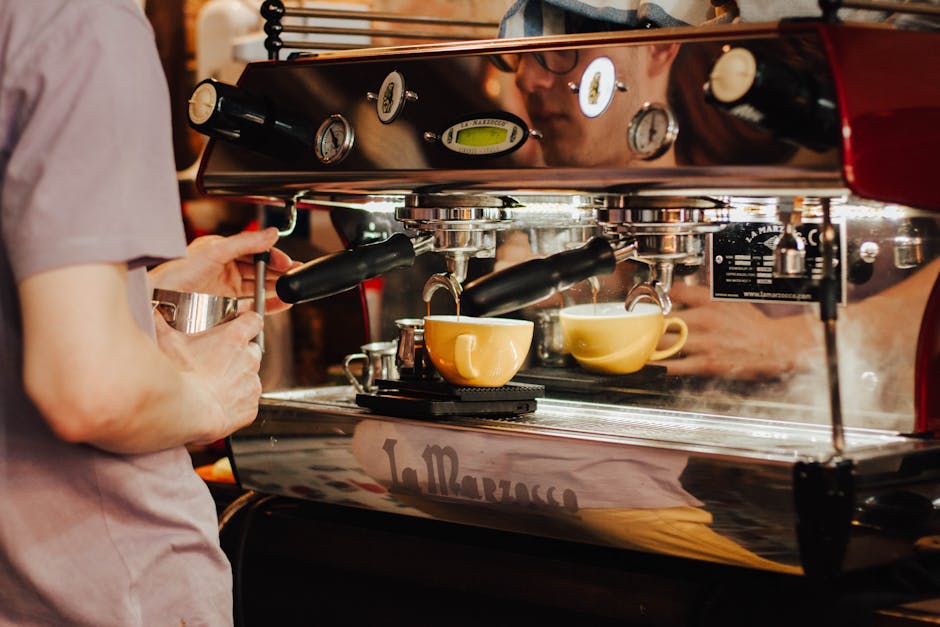
Brewing a lungo is an art that requires precision. Start with your espresso machine and use the same amount of ground coffee as you would for a regular espresso. The difference comes in the brewing time and the amount of water. For a lungo, you need to let the machine work for about 40 seconds, which compares to a standard espresso’s quick 20-30 seconds.

It is during this extended brewing that the water has the opportunity to both extract more flavor and also create a larger quantity of beverage. Lungo usually gives us 50-70 ml of coffee, which is a marked increase from the 30 ml or so that defines an espresso. Now, when you decide to make the leap to lungo, it’s this combination of longer brewing time and greater water volume that will give you a well-balanced and flavorful cup of coffee.

The golden rule – brewing time

When we talk about lungo, we inevitably talk about the brewing time. This is because it is crucial to the final taste. A slow and methodical flow of water through the coffee allows flavors and oils to be released and integrated into the drink, revealing the character of the lungon. It’s about finding the perfect harmony between strength and softness, where every second counts. The brewing time is the golden rule that defines not only the volume of the coffee drink, but also its complexity and level of bitterness.

The role of water quantity

Once we understand the importance of time, we also need to assess the impact of water quantity. A lungo, in its essence, is about allowing more water than usual to pass through the coffee cake. It creates a more drawn-out and water-thin coffee experience compared to the concentrated espresso. But it’s not just the quantity of water that matters, but also its quality and temperature. Soft, clean water at the right temperature helps bring out the delicate flavor nuances of your lungo, which is essential for a perfect tasting experience.

A taste experience in balance

Coffee lovers around the world are constantly searching for the perfect balanced coffee. And many find that lungo is just that compromise. Its flavor profile differs from both the robust espresso and the milder americano. Lungon proudly stands in the middle, not only in strength but also in depth of flavor. It’s intense enough to stimulate without overwhelming, and round enough in flavor to welcome those who prefer a softer coffee cut.

Unlike ristretto, which further minimizes the amount of water and creates an almost black coffee elixir, lungo offers a more restrained intensity and a greater space for the subtle flavors found in the coffee bean to emerge. It is a perfect centerpiece for those looking for a powerful flavor without committing to the full depth of espresso.

Why lungo could be your new favorite coffee

Personal experience speaks for itself when it comes to coffee. As a coffee enthusiast, I have explored many different brewing methods and flavors, but always returned to the lungo. It contains a complexity that can be easily adjusted with the amount of water and brewing time. Lungon can suit both the morning need for a sharper wake-up and the afternoon craving for a more relaxed coffee moment. This makes it a versatile favorite that can change character from day to day, or even cup to cup.

Make your own lungo at home

Brewing a lungo at home is easier than you might think. The first thing you need is a reliable espresso machine that allows you to control both water volume and brewing time. Use high-quality coffee beans, preferably freshly ground for best results. The amount of coffee should be the same as for an espresso, around 7-9 grams, but your brewing time extends to 40 seconds, giving you that extra water that defines a lungo.

To adjust and find your personal favorite, you can experiment with the brewing time and the amount of water. You may find that a few seconds more or less, or a gram of coffee here or there, can make a big difference. Making a lungo at home is all about fine-tuning these parameters until you reach your perfect cup balance.

The importance of the coffee bean

The coffee bean is the essence of all coffee drinks and lungo is no exception. To achieve an optimal taste experience, the choice of coffee bean is fundamental. Different beans have different flavor profiles; some are fruity and light, while others are dark and robust. For a lungo, a well-balanced blend is often recommended, which can add both body and complexity as more water passes through the coffee. Experimenting with different coffee beans is exciting and can lead to impressive results in the search for your ultimate lungo.

Boo or baa with lungo

Lungon has many reasons for its growing following in Sweden. As a milder alternative to traditional espresso, it has the ability to convince even those who are normally hesitant about stronger coffee. Its ability to adapt to individual taste preferences and to easily vary in strength makes it a versatile and accessible drink. The larger volume also satisfies Swedes’ long-standing habit of enjoying more coffee per occasion.

But there are also those who may not prefer lungo because of misconceptions about its taste or strength. A common concern is that it may taste diluted or weak compared to a pure espresso. However, this can be easily corrected by adjusting the brewing parameters and thus the flavor profile of the beverage. The truth is that lungo can be both deep and rich, depending on how you brew it.

Time for lungo in Swedish coffee culture

The lungo is playing an increasingly important role in Swedish coffee culture. With an increased interest in quality and flavor diversity, more coffee lovers across the country are looking for alternatives to the usual brewed coffee. “Lungon is a coffee revolution, a bridge between tradition and modernity,” says one esteemed coffee connoisseur. The continued popularization of lungo is predicted to bring a wave of curiosity and knowledge-seeking about coffee in general.

It is precisely this mix of tradition and openness to new ideas that makes lungo so exciting. Swedes have experienced Italian coffee on espresso and cappuccino, but now it is the lighter, yet flavorful lungo that captures the interest. Its presence in cafés and in homes is proof of a maturing of Swedish coffee tasters and a step towards a richer coffee culture.

Final thoughts on lungo

Lungo may well be the perfect compromise for all of us who love coffee. It combines the powerful nuances of espresso with a lighter and more accessible character, contributing to a genuinely versatile coffee drink. Sweden’s coffee lovers are known for their love of cup after cup of good coffee, and lungo gives them the opportunity to experience something new without losing the feel and volume they appreciate.

If you’re a keen coffee lover but haven’t yet explored lungo, it’s time to get started. Make this Italian-inspired brew part of your daily ritual and let your taste buds be the judge. Lungon’s days are here to stay, and the future of coffee looks as bright as its golden crema.

Alternative coffee brewing methods

FAQ – Lungo: when espresso takes a bigger leap

What is the main difference between a lungo and a regular espresso?

The main difference between a lungo and a regular espresso is that the lungo allows more water to flow through the coffee, resulting in an extended brewing time of about 40 seconds and a larger amount of finished coffee, often between 50-70 ml. This creates a smoother taste experience than the intense, concentrated flavor of a standard espresso.

How does a longer brewing time affect the taste of a lungo?

Longer brewing time allows the water to extract more flavors and oils from the coffee, giving the lungo its special character. A well-balanced combination of strength and smoothness is achieved, allowing the subtle flavor nuances of the coffee beans to emerge and create a more complex and less bitter coffee drink compared to a short-brewed espresso.

Can I make a lungo with my regular espresso machine at home?

Yes, you can brew a lungo at home with a regular espresso machine. Use the same amount of ground coffee as for an espresso, but let the machine run for about 40 seconds to get the increased volume of water that characterizes a lungo. Experiment with the brewing time to fine-tune your coffee to your taste.

Is lungo a good middle ground for those who find espresso too strong?

Yes, lungo is a great middle ground for those who find a pure espresso too strong, but still want to keep some of its intensity. It is softer than an espresso but retains more body and flavor than an americano thanks to the fact that it does not add hot water after the espresso is brewed, making it an appealing option for many coffee enthusiasts.

What type of coffee beans are best to use for a lungo?

To brew a perfect lungo, a well-balanced coffee blend is recommended that can handle the larger amount of water without losing complexity in the flavor profile. The best thing is to experiment with different beans to discover which flavor profile best complements your personal preference for a lungo.

Swedish coffee culture and traditions

Photo by Marta Dzedyshko on Pexels

Photo by Begüm Arıcı on Pexels

Photo by Chevanon Photography on Pexels

Continue reading

Posted on

The charms of the Perculator – a coffee experience like no other

Meta title: Perculator coffee – Charming experience!
Percolator coffee deep complex flavor fast easy morning personalized taste explore different coffee types roasting levels robust construction easy cleaning durable quality eco-friendly master the art of brewing percolator coffee

“Perkulator coffee – where every drop of tradition and craftsmanship simmers together for an outstanding brewed moment.”

Perculator coffee – A journey to the heart of morning coffee

There is something special about the perculator, it is like a symbol of tradition and simplicity in the coffee lover’s kitchen. This charming appliance holds an honorable place in many homes, infamous for its ability to quickly and efficiently brew a rich and robust cup of coffee. My own mornings were transformed when I replaced my old drip coffee maker with a shiny, eye-catching percolator. Its magical world is not only smooth but also exploratory, as each new coffee variety I try seems to reveal new depths of the flavors I thought I knew.

Waking up to coffee – the speed and convenience of the percolator

Mornings can be hectic, but the perculator’s quick brewing process has simplified my routine considerably. The perculator works quickly and brings a tasty cup to life in just a few minutes. In less time than it takes to shower and dress, you can have a freshly brewed cup of coffee in hand, ready to face the day. This ability to quickly transform cold water into hot, inviting coffee makes the percolator a must-have for those who value both time and quality in the morning.

Construction and operation of the perculator

The genius of a perculator lies in its simplicity. Water is poured into the bottom container, the coffee is placed in a strainer on top of a tube and reaches the container via a ring at the bottom. When the percolator is turned on, the water heats up, creates pressure and is led up through the pipe. Once up, it drips through the coffee and picks up its essence. This process is repeated until a perfect cup of coffee is brewed. The included cleanable strainer, which replaces the need for disposable filters, further adds to the charm and eco-friendliness of the perculator.

How coffee gets its character in the percolator

The water circulating through the coffee in a percolator creates an intense and flavorful brew. Unlike regular coffee makers, the percolator cements the distinct flavor profiles of the coffee by passing water through ground coffee repeatedly. This meticulous brewing approach extracts oils and aromas in a way that makes every sip an extraordinary experience. The resulting coffee gains not only depth and complexity, but a certain ‘soul’ that is often lost with simpler brewing methods.

The perfect taste for every coffee drinker

The final taste of coffee is a personal affair. It can be fine-tuned by experimenting with different amounts and varieties of coffee, as well as with the degree of roasting. Dark roast contributes a powerful and bittersweet character, while a medium roast evokes a more balanced and chocolatey undertone. Light roast, on the other hand, is often preferred for a lighter, sweeter and slightly fruity taste. The perculator is adapted to these variations and brings out the qualities of each coffee variety.

Dosage and measurements – personal taste above all

Coffee is often dosed with a standardized scoop, with a recommendation of one scoop (6-7 grams) per 1 dl of water. But the flexibility of the perculator allows us to adapt the amount to personal preferences. Want a stronger brew? Simply add an extra scoop. And once the coffee is ready, the percolator keeps it hot and delicious without compromising the flavor, ensuring that every cup is just the way you want it.

The Perculator – a kitchen friend you can trust

With the percolator in your kitchen, you never have to worry about burnt coffee, thanks to its ability to keep coffee hot safely. This reliable kitchen appliance offers not only great taste and convenience, but also a timeless aesthetic that complements any interior design. Its durable materials, often stainless steel, ensure that it will be a faithful servant year after year. And when it’s time for a clean, the easy handling of the reusable strainer gives the perculator notable points for durability.

Durability of a percolator

The robust nature of a perculator makes it a sustainable investment for the kitchen. Cleaning the reusable strainer is easy and eliminates the need for disposable paper filters. Choosing a percolator means choosing an environmentally friendly method of coffee brewing and ensuring that your prized morning brew is also kind to the planet.

Choosing the right coffee variety for your percolator

Choosing the right coffee variety is crucial for a successful cup of percolator coffee. The right beans can enhance the brewing method’s ability to bring out the rich and deep flavors that percolator brewing is known for. Whether you prefer a strong and robust dark roast, a round and conversational medium roast, or a fresh and invigorating light roast, it’s important to choose based on individual flavor preferences and how these interact with the percolator brewing method.

From dark roast to light roast – a taste journey

Exploring the world of coffee means traveling through a rich palette of roasting degrees. Dark roasted beans can evoke a sense of tradition and depth, while lighter roasting brings freshness and acidity. By taking advantage of the characteristics of the percolator, you can explore and nuance these aspects to perfect your coffee intake in a way only possible with this brewing method.

Experiment for best results

I highly encourage all coffee lovers to try different coffees and grinds with their percolator. Experimentation is the key to discovering that ultimate cup flavor profile. Try, adapt and experiment with quantities and techniques to find what works best for you and your percolator. The joy of finding the perfect brew is equal parts trade-off and ingenuity.

Maintenance and care of your percolator

To ensure that your percolator continues to provide the best possible taste experience, regular maintenance and care is essential. Cleaning after each use, using the right amounts of water and coffee, and regular descaling will help keep the machine in top condition.

Where to find the best coffee for the percolator?

If you want to expand your horizons, there is a world of specialty coffee to explore. Many traders offer coffee varieties specially selected for percolator brewing, and often these can be purchased both in physical stores and online. Exploring different shops and e-stores can be an exciting side mission in your quest for that perfect cup of percolator coffee.

To fully enjoy percolator coffee

Learning to master the art of brewing coffee with a percolator is a journey well worth taking. It’s about finding the small pleasures in our everyday lives, taking time to enjoy them and allowing ourselves the moment of relaxation that a good cup of coffee can offer. The Perculator offers a unique and delicious coffee experience that goes hand in hand with a lifestyle that celebrates care, both for yourself and for the coffee you drink. Take a moment to sink in, take a deep breath and let yourself be enveloped by the warm, inviting aroma of your percolator – this is where the journey to the heart of morning coffee begins.

Percolator coffee brewing process visualization

FAQ – The charms of the Perculator – a coffee experience beyond the ordinary

How fast can I brew coffee with a percolator?

With a percolator, you can enjoy a tasty cup of coffee in just a few minutes. The process is fast and allows you to have a freshly brewed coffee in your hand in less time than you probably spend in the shower in the morning.

Do I need to use special coffee filters in a percolator?

No, the beauty of a percolator is that you don’t have to deal with disposable coffee filters. Instead, use the cleanable strainer provided, saving both time and the environment.

Can I adjust the strength of my coffee when using a percolator?

Absolutely! The dosage can be easily adjusted to your personal taste preference. If you want stronger coffee, just add more coffee – use one scoop (6-7 grams) per 1 dl of water as a starting point and adjust from there.

Is the percolator a sustainable option for brewing coffee?

Yes, a percolator is definitely a sustainable option. The robust construction and reusable strainer minimize waste and eliminate the need for disposable filters. This contributes to a more sustainable coffee brewing process.

What type of coffee is recommended for use in a percolator?

It is recommended to use regular brewed coffee or some coarsely ground coffee in a percolator. The perculator is adaptable to different degrees of roasting, and you can choose according to personal taste preferences; from dark roast for a powerful flavor to light roast for a sweeter and fruitier experience.

Photos of percolators brewing aromatic coffee

Photo by dagensfokus.se

Photo by Karolina Grabowska on Pexels

Photo by John-Mark Smith on Pexels

Continue reading

Posted on

Do you know the coffee berry?

Discover the secrets of the coffee berry
Translate this into Swedish: coffee berry flavor plantations, coffee berry stocks, coffee berry processing methods, coffee berry flavor profiles, washed coffee, natural processed coffee, coffee berry handling and coffee experience, coffee berries and sustainability, cascara coffee products, understanding coffee berries for a richer coffee experience.

“The coffee berry is not only at the heart of our beloved morning ritual, it is a window to a world of flavors, traditions and innovation that weaves together cultures across the globe.”

Welcome to the world of coffee berries

As a true coffee lover, you probably know that every sip of your morning coffee starts its journey long before it reaches your cup. The origin of coffee is closely linked to the coffee berry. In this article, we take a deeper dive into what the coffee berry really is, its journey from plant to cup and its impact on the coffee experience. Prepare to have your knowledge of coffee expanded and your appreciation for your coffee enhanced.

The journey from seedling to your cup

The coffee berry originates in the lush environment where the coffee plant thrives best. Imagine a coffee bush covered in dark green leaves with a waxy surface and adorned with flowers that give rise to beautiful red, and sometimes even yellow or pink, berries. These coffee berries are the starting point for the beloved coffee beans.

At its peak, a coffee plant can bear hundreds of these colorful berries. Inside each berry hides the essence of future enjoyment: the coffee beans. But for these beans to give us the rich and complex beverage we know as coffee, extensive care and processing is required. Each coffee berry has several layers, each with a unique role in the development of the bean and the flavor profile of the final coffee.

Discover the secrets of the coffee berry

The different layers of the coffee berry

The coffee berry resembles a Russian matryoshka in its structure, with several layers surrounding the core – the coffee beans. The outer layer, the exocarp, turns different colors as the berry ripens. Next, we find the mesocarp, which is the sweet layer, necessary during fermentation. In the center of this structure we find the coffee bean, which is technically a seed, enclosed in a silver skin and a parchment casing. Each of these layers plays a crucial role in the preparation of the coffee we drink.

From berry to bean

The process of transforming a coffee berry into a roasted coffee bean is both complex and fascinating. After harvesting, the seed is separated from its different layers by different methods. These methods, called the washing method, the natural method, and the honey and pulp method, exist to bring out certain flavors in coffee. But the journey does not end there. After the removal of the parchment, the green beans are ready for roasting, which is the last step before they get to grinding and finally your cup.

The impact of berries on your coffee taste

Processing methods that shape the taste

The processing methods used to remove the skins and pulp from the coffee beans determine the flavor profile of the final product. A washed coffee has lost all its pulp before drying, giving a clean and consistent taste. On the other hand, naturally processed coffee retains the pulp until after drying, which accentuates the fruitiness, sweetness and body of the coffee. The honey and pulp-natural process offers a middle ground where only the skin is removed before drying.

Flavor profiles from different processes

The taste experience of the coffee is hugely influenced by how the coffee berries are treated. If the pulp of the coffee berry is left to dry, as in the honey process, this results in a sweeter coffee. The washed coffee tends to have high acidity and a cleaner profile, while natural coffee varieties provide a robust fruitiness and a fuller body. Each process requires careful monitoring, as a single misstep can lead to unwanted bitter flavors.

More than just a coffee bean

For a long time, parts of the coffee berry, such as the skin and pulp, have been considered waste. However, with an increased interest in sustainability and innovation in the coffee world, new uses have emerged. Cascara, for example, is a tea-like brew made from dried coffee berries.

With insights into the importance of coffee berries and the process from berry to your morning cup, your coffee experience can be significantly deepened. Learn more, experiment with different types of processing and discover a world of flavor nuances. Let your newfound knowledge of the coffee berry lead you to a more comprehensive coffee experience.

Explore the effects of coffee berry processing on coffee flavor and shelf life.

FAQ – Do you know about the coffee berry?

What is the role of coffee berries in coffee production?

The coffee berry is the starting point in the journey of coffee where it serves as the home of the seeds that, with the right treatment, become the coffee beans we enjoy. It is in the colorful berries, which grow on the coffee plant, that the coffee beans develop and ripen before being harvested.

How do the different layers of coffee berries affect the taste of coffee?

The multiple layers of the coffee berry, including the sweet mesocarp and the protective parchment covering, influence the development of the coffee beans and thus the flavor profile of the final coffee. Each stage of the processing, from drying to roasting, can change the flavor nuances depending on how the berry layers are handled.

What are the processing methods for coffee berries, and how do they differ?

The most common processing methods for coffee berries are the washing method, the natural method and the honey/pulp-natural process. The washing method involves removing all the pulp before drying the bean, while the natural method leaves the pulp on the bean until after drying. The honey and pulp-natural process is an intermediate route where part of the pulp is removed before drying, resulting in different flavor profiles and levels of sweetness in the finished coffee.

Can parts of the coffee berry be used for purposes other than producing coffee beans?

Indeed, although the husks and pulp of the coffee berry were previously considered waste, they are now finding use in products such as cascara, a tea-like drink made from the dried husks of the coffee berry. It is an example of how more sustainable and innovative uses of the coffee berry are gaining ground.

What does understanding the coffee berry process mean for my coffee experience?

Knowing the journey of the coffee berry and its impact on the different flavor profiles allows for a deeper appreciation of the coffee you drink. Understanding the process helps you to experiment with different processing methods and find flavor nuances that appeal to your own palette, enhancing the whole coffee experience.

Exploring the role of coffee berries in flavor development and sustainability.

Photo by Michael Burrows on Pexels

Photo by Michael Burrows on Pexels

Photo by Michael Burrows on Pexels

Continue reading

Posted on

Headache from coffee: 6 unexpected reasons

Headaches from coffee – 6 reasons you didn’t know
causes of headaches from coffee, caffeine withdrawal to overdose and relief of caffeine allergy remedies for pain hydration rest natural remedies peppermint oil reduce intake of caffeine to reduce the risk of headaches

“Enjoying a cup of coffee is a daily ritual for many, but when that long-awaited kick turns into a coffee headache, it’s time to explore the unexpected reasons behind your brewed disappointment.”

Do you know the unexpected causes of coffee headaches?

Coffee is not only a warm and comforting drink, it is also a particularly popular source of caffeine – a stimulant that is famous the world over. With its ability to sharpen both memory and concentration, it’s no wonder it has become an indispensable start to the day for many. But caffeine also has a downside – namely headaches. Coffee headaches are more common than you might think, and the causes range from the well-known to the more unexpected. So let’s dive into three common and three lesser-known reasons why your cup of coffee can lead to a bad head.

The hidden culprit: caffeine withdrawal and your headaches

You may have experienced that if you don’t get your usual dose of caffeine in the morning, a headache can occur quickly. Caffeine withdrawal is a real phenomenon and headaches are one of the most prominent symptoms. It is a reaction of your body that has adapted to the regular stimulus and suddenly misses it. These withdrawal symptoms can start to appear as early as 12-18 hours after the last cup and can vary in intensity from mild to severe.

What happens when you skip your morning coffee?

Skipping your morning coffee can trigger a range of unpleasant symptoms. In addition to headaches, you may experience difficulty concentrating, irritability and a general feeling of tiredness. These effects are your body’s signal that it expects caffeine – and when it doesn’t get it, it takes out its disappointment in the form of headaches and other symptoms.

Caffeine overdose: when too much is too much

Yes, there is such a thing as a caffeine overdose, and the consequences can be anything but pleasant. Consuming too much caffeine can cause both physical and mental discomfort, with headaches being a common sign. But it doesn’t stop there – everything from anxiety and irritability to more serious symptoms such as dizziness, nausea and even heart palpitations can occur. If you experience any of these serious signs, it is important to seek medical help immediately.

Irritability to headaches: the body’s signals of caffeine excess

The first warning signs that you have had too much to drink may be that you feel excessively irritable or perhaps even a little shaky. Consider these signs as a first precaution – your body is trying to tell you that you should cut down on caffeine intake and thus reduce the risk of headaches.

Am I allergic to caffeine? The symptoms you should not ignore

Feeling a little shaky after too much coffee can be one thing, but if you experience more serious symptoms such as hives, swelling or breathing problems, it could be a sign of a caffeine allergy or hypersensitivity. Although not very common, it is important not to ignore these warnings. To determine if you have a caffeine allergy, a skin test can be done. If you suspect an allergy, it is absolutely essential to avoid caffeine.

Common allergic reactions to caffeine to watch out for

Allergic reactions can take many forms, but those related to caffeine usually include symptoms such as itching of the mouth, swelling of the lips or tongue, rashes or difficulty breathing. Are these symptoms familiar? Then it might be time to consider whether you are hypersensitive to the coffee you drink.

Three simple steps to get rid of coffee headaches

But fear not! There are ways to tackle caffeine-related headaches. Here we will go through three steps you can take to alleviate your discomfort.

Quick relief: choose the right painkiller

Caffeine-related headaches usually respond well to over-the-counter pain relief. But remember to take them as directed and not to exceed the recommended dose.

Water and rest: your best friends in the fight against headaches

A good recovery with enough water and rest can do wonders for headaches, especially if they are caused by caffeine. Make sure to stay well hydrated and take time to relax and rest.

A cup of coffee for a headache: when caffeine is the solution

Ironically, it can sometimes be the case that the best cure for headaches from lack of caffeine is to drink just one cup of coffee, as long as you are not allergic or hypersensitive. A small amount of caffeine can break the pattern of headaches that come from withdrawal.

Bonus tips to relieve your headache

In addition to the basic strategies, there are additional methods for managing coffee headaches. The following bonus tips can bring extra relief to those struggling with this discomfort.

Natural home remedies that can work wonders

Applying peppermint oil to the forehead or stimulating certain pressure points are simple, natural methods to relieve headaches. In addition, a cold ice pack can be placed on the neck for further relief. Embracing these alternative solutions can be very helpful when you encounter discomfort after your coffee drinking habit.

Relief for caffeine headaches

FAQ – Coffee headache: 6 unexpected reasons

Can I get a headache from caffeine withdrawal even if I only miss one day?

Yes, headaches due to caffeine withdrawal can occur even after a short period of time such as 12 to 18 hours without caffeine, meaning that symptoms can appear as early as the day after missing your usual coffee intake.

What are the first signs that I’ve had too much caffeine?

The first signs of a caffeine overdose may include feelings of irritability, anxiety and being shaky. These warning signals are your body’s attempt to signal that it is time to reduce caffeine consumption to avoid further discomfort such as headaches.

Can a skin test really tell if I’m allergic to caffeine?

Yes, a skin test can be used to determine if you have a caffeine allergy. If you experience allergic symptoms after drinking coffee, it is important to consult a doctor who can perform appropriate tests.

Are there any natural home remedies that can relieve headaches caused by caffeine?

Certainly, natural methods such as stimulating certain pressure points, applying peppermint oil to the forehead, or placing a cold compress or ice pack on the neck can help relieve headaches linked to caffeine consumption.

Is it safe to treat headaches from caffeine with more coffee?

Ironically, a small amount of caffeine can sometimes be the solution to headaches arising from caffeine withdrawal. But this should only be tried if you are not allergic or hypersensitive to caffeine, and you should not exceed the amount of coffee your body can tolerate.

Photo by Andrea Piacquadio on Pexels

Photo by Michael Burrows on Pexels

Photo by Liza Summer on Pexels

Continue reading