Posted on

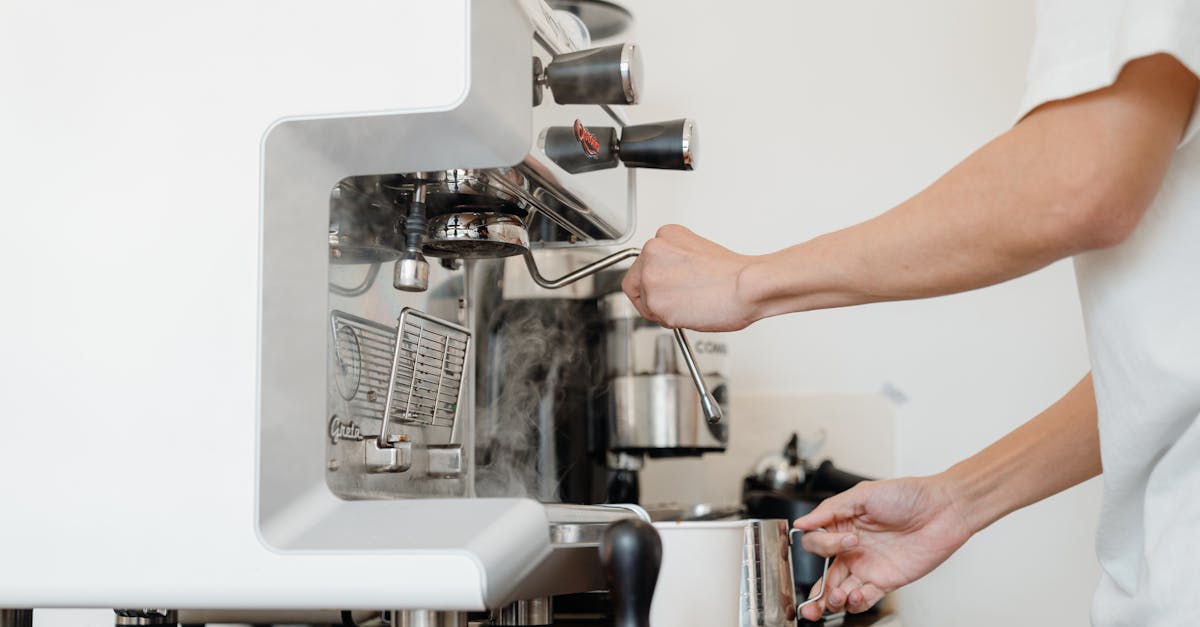
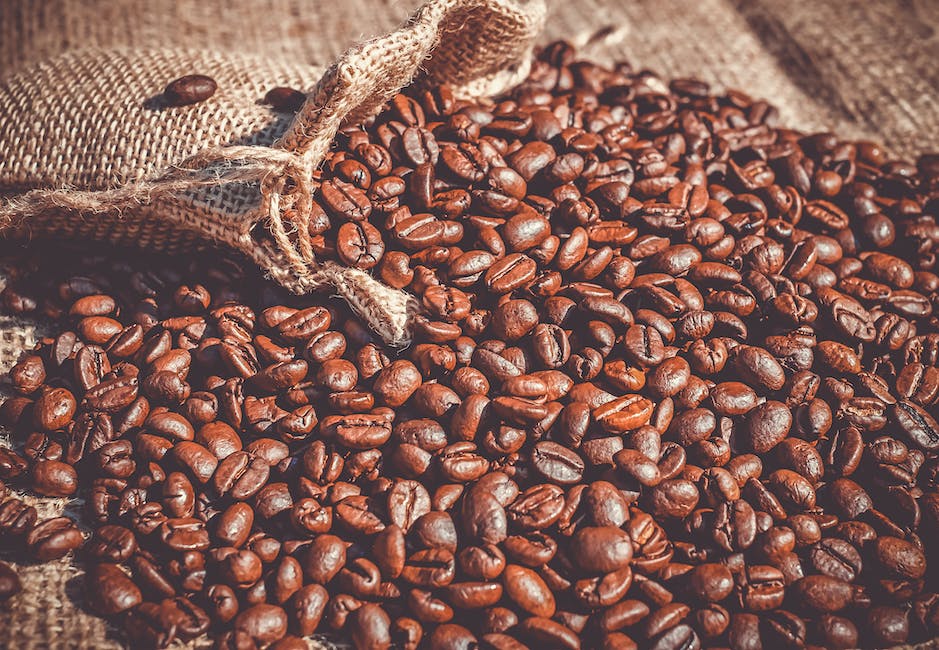
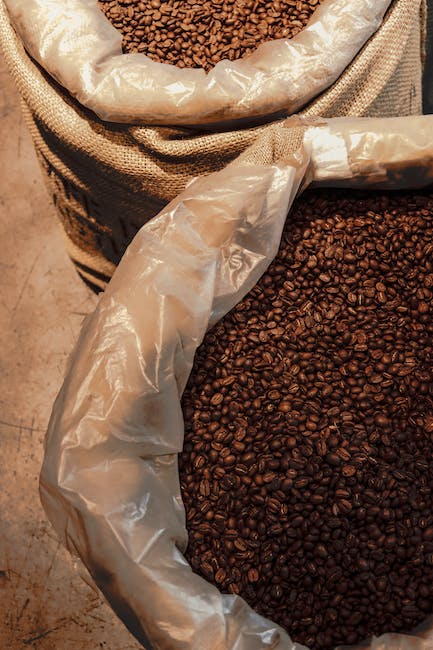
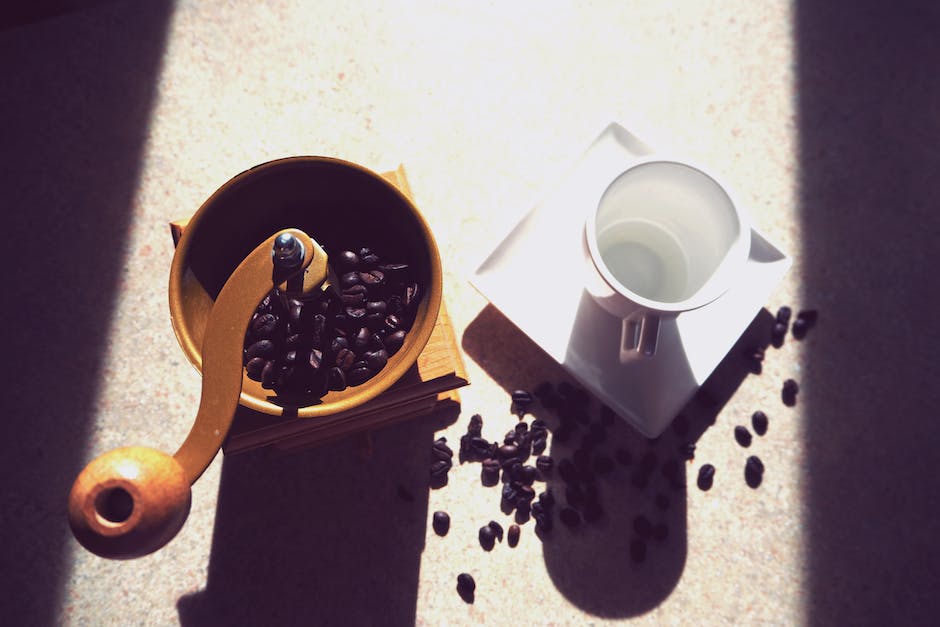
Storing coffee beans properly: guide and tips

“Storing Coffee Beans: Best Tips!”
optimal methods for coffee bean storage

“To preserve your coffee at its aromatic peak, remember to store coffee beans as you would cherish a precious treasure – with care and attention to detail.”

The art of storing coffee beans

Maintaining the freshness of coffee beans is a bit like caring for a frail love – it requires attention and care, but the rewards are heavenly. Storing coffee beans correctly is essential to ensure the enjoyment of every cup. The four factors that cast shadows over coffee’s youth are air, humidity, heat and light. If these four work together, we can say goodbye to those wonderful notes of caramel and citrus that we love. They accelerate the aging of our dear beans, turning them into a shadow of their former selves.

Protection against the four taste-deteriorating factors

Air is vital – but not for coffee beans. Oxidation is a nemesis that actively works against the freshness of coffee. Therefore, airtight storage is essential to keep the expiry date at bay. Moisture and heat are like putting your beans in a baking oven and expecting them to come out equally delicious. The heat makes the beans sweat out their oils earlier than expected, and the moisture? Yes, it turns your prayers into a boring story. Let’s not even talk about UV light, because darkness is the bean’s best friend. Forget the see-through Instagram-beautiful jars and go for dark storage heroes that shun light like vampires.

Choosing the right storage container

So how should you choose the storage container that best protects your coffee? Things to consider when choosing storage containers include the material, the darkness factor and removing the impact of air. Materials that support freshness are usually opaque glass or metal. These materials not only block light, but also air from entering. Ensuring that containers are filled to the top reduces the risk of air molecules inside the can deteriorating the coffee beans, which is inevitable if there is too much space.

The perfect storage temperature

A cool, dry place, that’s the sweet spot we’re talking about when storing coffee beans is on the agenda. And we aim for a temperature zone between 15-24°C, which means that you and your beans will be most comfortable with a temperature similar to a nice Swedish summer weather. Thinking about refrigerators? It may be tempting, but unfortunately it is not a good solution.

Customize storage by roasting type

Different types of roasting mean different storage methods and shelf life. If you prefer a lighter roast, you should be on your toes – these beans are more delicate and tend to take on the temperament of the deteriorating factors faster. The darker, oilier roasts, can withstand more adverse conditions, thanks to their more robust nature. Keeping them in small batches and using them within 2-4 weeks provides a freshness that keeps the flavors longer.

Keeping track of coffee freshness

To keep control over the freshness of your coffee, a small marker pen will be your best friend. Label the storage containers with the roasting date and when you opened the package. This is super simple but oh so effective in maintaining the quality of the coffee beans. Checking the freshness of coffee beans and ground coffee is like checking the shoots of your houseplants – do it regularly, and you’ll be rewarded with a vibrant home and a healthy brew.

Keep the oxygen out with innovative technology

Planetary Design’s Airscape coffee cans are like the Iron Man of storage solutions – innovative, strong and right on time. These cans use a patented plunger system that literally pushes the air out of the container, creating a small vacuum. So instead of letting your beans sit and languish in an air-filled jar, you let them kick a little vacuum-style, which keeps them on their toes and fresh longer.

A fresh coffee bean can stay in good shape for 4-6 weeks after roasting if stored correctly. But coffee doesn’t go bad like milk – the taste just gets a little blander and a little less inviting over time. And no, coffee won’t be dangerous, but it can taste like a boot to the taste buds if stored incorrectly.

To freeze or not to freeze?

Freezing your coffee beans is a hotly debated topic. If done correctly, it can prolong freshness, but it’s not like throwing a pizza in the freezer. Preparation and the right technology are key. To avoid frostbite, pack your beans in smaller, dense batches and use each batch without re-thawing and re-freezing – it’s a no-go!

It’s the little details that always prove to be most important in the quest for the perfect cup. Using the coffee within the recommended two to four weeks of opening the package is the beans’ best chance to shine. And, isn’t it worth all the fuss? Of course it is, because really good coffee is pure art!

coffee bean storage containers

FAQ – Storing coffee beans properly: guide and tips

How long can coffee beans keep their freshness after roasting?

Coffee beans can stay fresh and retain their flavor for 4-6 weeks after roasting if stored correctly. It is important that storage is protected from air, moisture, light and heat to optimize shelf life.

What type of container is recommended for storing coffee beans?

It is recommended to use opaque, airtight containers to store coffee beans. These containers protect against the four environmental factors – air, moisture, light and heat – that accelerate the aging of the beans.

Is it appropriate to store coffee beans in the refrigerator?

Coffee beans should not be stored in the refrigerator as the refrigerator invites increased humidity and the risk of the beans absorbing unwanted odors and flavors from other foods stored there.

Why is it a bad idea to freeze and defrost coffee beans repeatedly?

Repeated freezing and thawing of coffee beans can lead to frost damage and loss of flavor. The beans can also be exposed to condensation and moisture, which damages their quality. It is recommended to pack the beans in smaller batches if you choose to freeze them and to use each batch without re-thawing and re-freezing.

What are the benefits of Airscape coffee canisters for storage?

Airscape coffee canisters are storage containers that use a patented plunger system to push out the air and create a vacuum around the coffee beans. This helps keep the beans fresh for longer by preventing air and oxidation, two of the factors that accelerate the aging of the coffee.

Creative ways to store coffee beans to preserve freshness and taste

Photo by Cup of Couple on Pexels

Photo by Karolina Grabowska on Pexels

Photo by cottonbro studio on Pexels

Continue reading

Posted on

A deep dive into the world’s oldest brewing method

Exploring the oldest brewing method in the world – a deep dive
antique coffee brewing techniques, traditional tools, cezve, ibrik, coffee culture, global celebration, UNESCO recognition, handmade brewing methods, flavor profiles, personalized taste journey, cultural heritage

“Exploring the oldest brewing method is like flipping back through the most aromatic chapters of humanity, where every drop tells the story of our quest for refinement and community.”

The ancient art of coffee

Cezve, ibrik and briki are not just kitchen utensils; they are symbols of an ancient tradition of coffee making that binds generations and cultures together. Considered to be some of the oldest tools in the world for brewing coffee, these vessels have been used for centuries to create a beverage that is so much more than just coffee. It is a ritual, an art form and an expression of hospitality. The origins of the method in the Middle East and its spread through the Ottoman Empire have played a crucial role in the development of coffee culture globally. It is not only the story of a drink, but also the story of people’s encounters, cultural exchanges and the social role that coffee has played throughout the ages.

Even UNESCO has recognized the deep cultural significance of this coffee brewing method. Since 2013, Ottoman mocha and Turkish coffee culture have been inscribed as Intangible World Heritage Sites, underlining its place not only in the history of coffee but also as an important part of the world’s cultural heritage.

Tradition meets competition

The ancient art of brewing coffee with cezve or ibrik has not only survived centuries, but has also found a place on the global competition scene. First introduced in Cologne in 2009, the Cezve/Ibrik Championships is an arena where baristas from all over the world showcase their skills in this traditional brewing method. The competitions are more than just a display of technical skill; they are a celebration of the rich history of coffee culture and its continuing legacy. By highlighting this ancient brewing method, the competitions combine tradition with innovation, underlining the versatility of coffee culture and its ability to still inspire passion and craftsmanship.

The way of coffee from Mocha

The name ‘Mocha’ is for many today synonymous with a certain coffee drink, but few know its historical connection to the port city of Mocha in present-day Yemen. It was here, in the 16th and 17th centuries, that the coffee trade flourished, helping to spread coffee beans and brewing methods around the world. This rich history of trade and cultural exchange formed the basis of coffee’s global journey – from Mocha to all corners of the world. This link between name and place is not only an interesting historical note, but also a reminder of coffee’s deep roots and its importance as a cultural link connecting peoples and nations.

From cups to capsules

The history of coffee brewing is a fascinating journey from the 19th century to our modern times. We have seen everything from the refinement of the filter coffee invention, which revolutionized the way we consume coffee by separating coffee grounds from the finished beverage, to the introduction of the first electric filter coffee machine by Gottlob Widmann in 1954. Since then, technological advances have continued to transform the coffee experience, from advanced espresso machines to user-friendly capsule systems. These innovations have undoubtedly helped make coffee more accessible and easier to enjoy. Despite this, there is a growing desire among many coffee lovers for more authentic and traditional brewing methods that offer a deeper connection to the culture and history of coffee.

Is the tradition coming back?

There is a growing trend among coffee enthusiasts to rediscover and embrace the hand-powered brewing methods. This revived interest in traditional coffee brewing, including the use of cezve, ibrik and briki, reflects a desire for authenticity, craftsmanship and a deeper experience of coffee drinking. This movement away from mass-produced coffee and towards more personalized and carefully crafted coffee shows that even in our high-tech world, there is still a place for tradition and history in our daily coffee drinking.

The endless journey of taste

Different brewing methods can dramatically affect the flavor profile of coffee, opening up a world of taste experiences. By experimenting with different techniques, from the timeless art of brewing in a cezve to modern methods like espresso or pour-over, coffee enthusiasts can discover new dimensions of flavor. Each method adds its unique nuances and accentuates different aspects of the coffee bean, making the journey through the coffee flavor landscape both fascinating and endless. Exploring this diversity not only gives a greater appreciation for coffee itself, but also for the many cultures and traditions that have contributed to its development.

The personal choice of coffee

Ultimately, the choice of brewing method is about exploring and identifying what suits your taste preferences best. By experiencing the different ways of brewing, you can deepen your understanding of coffee and develop a more personal connection to this beloved beverage. Whether you prefer the rich and full-bodied flavor of a traditionally brewed cezve or the clean and clear flavor profile of a filter-brewed coffee, the beauty of coffee brewing lies in its variety and the almost endless possibilities for personalized taste experiences. So take the chance, experiment with different methods and find the one that speaks to you. The world of coffee is yours to explore.

The art and creativity of coffee making

FAQ – A deep dive into the world’s oldest brewing method

What are the oldest tools for making coffee and what are they called?

Cezve, ibrik and briki are some of the oldest vessels used by man to brew coffee. These classic tools are deeply rooted in the coffee-making tradition and have been used for centuries to prepare coffee in a way that connects cultures and generations.

What does it mean that Mocha and Turkish coffee culture are listed as Intangible World Heritage?

Since 2013, the Ottoman mocha and Turkish coffee culture are recognized as Intangible World Heritage by UNESCO. This confirms the deep cultural significance of this coffee brewing method and its role not only in the history of coffee, but also as an important part of our global cultural heritage.

How have the Cezve/Ibrik championships affected the perception of the traditional brewing method?

The Cezve/Ibrik Championships, first introduced in Cologne in 2009, have helped to honor and keep alive the traditional art of coffee brewing. The competitions showcase the technical know-how and passion for this craft, also highlighting the richness of coffee culture and its continued relevance in today’s society.

What makes traditional coffee brewing methods appealing today?

Although we live in an age of technological advancement and rapid availability of coffee, many coffee lovers are looking for a deeper and more authentic brewing experience. Traditional methods such as cezve or ibrik offer just that, allowing a connection to the history and cultural significance of coffee that modern methods can rarely match. This yearning for tradition is reflected in the revived interest in hand-powered and carefully executed brewing methods.

Which brewing method should I choose to suit my taste preferences?

Ultimately, your choice of brewing method is a highly personal matter. The best way to decide which method is right for you is to explore and try it out. Each method, from traditional cezve to modern pour-over or espresso, offers unique flavor profiles and experiences. By experimenting with different brewing methods, you can develop a deeper understanding of coffee and find the taste you prefer most.

Explore modern coffee brewing innovations and techniques

Photo by Svetlana Ponomareva on Pexels

Photo by Ashford Marx on Pexels

Photo by Efecan Efe on Pexels

Continue reading

Posted on

How to make cold brew coffee at home

How to make cold brew coffee at home – follow these simple steps
cold brew coffee, mild and low acidity, homemade brewing, perfect for hot days, adjustable strength and sweetness, perfect equipment, fast cold coffee, lovingly brewed pot, versatile and customizable coffee solution

“Enjoy refreshing elegance in every sip – homemade cold brew coffee combines tradition and trend for a refreshing break in everyday life.”

Treat your taste buds to cold brew coffee

Cold brew coffee is a breath of fresh air for coffee lovers, and its popularity continues to grow. Cold brewing is the technique of brewing coffee without heat, which produces a smoother and more nuanced taste than the one we get from the usual instant cup. The mildness and low acidity of this coffee make it a perfect option during the warmer months of the year. While traditional brewed coffee can tend to contribute to dehydration, cold brew varieties tend to be more gentle on the body when the sun is beating down. The difference is also in the preparation – no hot water here!

The quick solution for iced coffee – instant coffee with a chilled twist

Yes, you can definitely make coffee with cold water! And the convenience of instant coffee is indispensable when time is short. Mixing instant coffee powder with cold water or milk is child’s play and can take as little as five minutes. However, the taste experience often falls flat in comparison to freshly brewed coffee. This is where cold brewing comes in as a lifesaver to deliver an extended and richer flavor profile.

Get in the spirit with homemade cold brew coffee

Making cold brew coffee at home is a fun brewing experience. Start by choosing the right roast and grind, as this will lay the foundation for your coffee brew. And here’s how you do it: you measure out the beans, grind them, pour the ground stuff into a jug, fill with cold water, stir, and let your brew flirt with the water molecules for an 8 to 12 hour dance. Patience is the key here; no sunlight, no rush.

The grinder and the pot – the heroes of your coffee cabinet

Your choice of grinder and pot plays a major role in cold brewing. The right grinder will give you the optimal grind for your cold brew adventure. Choose a burr grinder for the best precision and use a jug that makes it easy to both mix and later strain your brew. Keep in mind that coarse grinding is preferable as it ensures even extraction.

Patience is a coffee lover’s new best friend

The brewing time can be seen as a kind of meditation. The 8 to 12 hour wait is necessary for the coffee to fully blossom in flavor. It’s the wait that unleashes that velvety, rich profile that cold brew coffee is known for.

Personalized touch in your cold brew coffee

The best thing about cold brew coffee is that you are the conductor. Do you want it stronger? Brew longer. Do you want it sweeter? Add some honey, agave syrup or maybe a teaspoon of cinnamon. Milk, or milk products, or nothing at all? The choice is yours!

Everyone has different taste buds, and to complete your coffee experience, you can experiment with different sweeteners or flavorings. A few drops of vanilla extract, a sprig of fresh mint or why not some coconut milk to bring out an exotic flavor profile?

Get to know the finer points of cold brewing

Diving into the world of cold brewing can be an exciting journey. When you feel ready to take your cold brew to the next level, take a look at different brewing vessels or cold brew machines designed specifically to bring out the character of coffee when cold brewed. Experimenting with brewing times and temperatures can also add new dimensions to your drink.

Cold coffee for every occasion

With cold brew coffee in your reportoar, you always have a brew for every situation. Are you thrown into unforeseen situations where time is short? Well, then maybe instant coffee could be an option. However, we do not recommend it. Instant coffee can never be of the same quality as a specialty coffee that is freshly roasted and ground. So when you can, take your time, refine and fall in love with the process and the result of cold brew coffee made from really good coffee beans. The result is a cup that delights both body and soul, and thanks you for your patience with an unbeatable taste experience.

cold brew coffee ice cream

FAQ – How to make cold brew coffee at home

How to make coffee with cold water?

To make coffee with cold water, you can either mix instant coffee powder with cold water or milk, which is easy and quick. But for a more full and rich flavor profile, cold brewing is preferable. The process for cold brew coffee involves coarsely grinding coffee beans, mixing the grind with cold water in a pot, stirring, and leaving at room temperature or in the refrigerator for 8 to 12 hours before it strains and is ready to enjoy.

Can you use instant coffee to make iced coffee?

Yes, you can use instant coffee to make iced coffee. Simply mix instant coffee powder with cold water or milk, and then optionally add ice cubes for an even cooler and refreshing drink. But note that the flavor will not be as rich and full-bodied as when cold brewing freshly ground coffee.

How long should cold brew coffee stand before it is ready?

Cold brew coffee should be left to brew for about 8 to 12 hours depending on how strong a flavor you want. This long brewing time at room temperature or in the refrigerator helps to develop a more nuanced and complex flavor and makes coffee appear milder and more acidic.

What equipment do I need to make cold brew coffee?

To make cold brew coffee, you’ll need a grinder to grind the beans (preferably a burr grinder for even grinding), a large pot or container to mix and let your coffee brew in, and some kind of strainer to filter out the coffee grounds from the finished beverage. Some cold brew kettles have built-in filters which simplify the process.

How do I store cold brew coffee?

After the coffee has been brewed and the grounds have been strained out, cold brew coffee should be stored in an airtight container in the refrigerator. There it can be kept fresh and enjoyable for up to two weeks. Keeping it cold helps maintain its flavor and extends its shelf life.

Pictures of refreshing iced coffee drinks

Photo by Ánh Đặng on Pexels

Photo by Betül Nur on Pexels

Photo by Charlotte May on Pexels

Continue reading

Posted on

Mexico’s forgotten beans: a journey into the coffee kingdom

Beans of Mexico: Coffee adventures in Mexico
Discover Mexico's hidden coffee treasures, where small-scale farms with big hearts grow organically and responsibly, contributing to a rich flavor profile ranging from fruity notes to chocolate notes. Mexico's coffee, deeply rooted in tradition and culture, offers a unique symphony of flavors that reflect the country's diverse coffee regions. Despite challenges, Mexico's coffee beans are shining brightly on the global stage, where tradition meets innovation for a sustainable future. While enjoying a cup, taste a piece of Mexico.

Search question:

“Mexico’s lush highlands hide a treasure more aromatic than gold – the beans that carry a tale of time, tradition and the art of flavor. Join us on a journey into the realm of coffee, where every cup is a celebration of the rich heritage of forgotten farms.”

Introduction: the secrets of Mexican coffee

Are you ready for a taste journey that not many people know about? Mexico’s coffee is a secret hidden in the closed embrace of the mountains, a treasure of beans waiting to be discovered by the world. In this coffee kingdom, the legacy of a rich and complex history thrives and Mexico still keeps its traditional heritage alive today. Come and discover the heart of Mexico and its forgotten beans!

A deep dive into the history of Mexican coffee

When the coffee bean first reached Mexico’s fertile soil, it became a catalyst for a new era of agriculture and culture. It was a time when the big haciendas ruled the countryside, but with time came the agricultural reforms that changed everything. The reorganization led to the small owners taking over the scene, and with them a closeness to the bean rarely seen in the commercial world of coffee. Many of these farms are run by indigenous people who preserve ancient wisdom and practices, giving the coffee an extraordinary dimension of history and flavor.

The small farms with a big heart

The farms that adorn Mexico’s coffee landscape are not the giant plantations many people imagine when they think of coffee farming. No, here it is the small, often family-owned, lots that count. These small farms, over 95% of which are less than three hectares, are driven by a love of the pure essence of the coffee bean. However, they face challenges, from harsh climatic conditions to economic pressures, but their determination and passion for farming never waver.

Ecological responsibility in coffee production

The everyday life of these small-scale farms also includes a strong sense of responsible farming. Mexico is a superstar on the organic scene, and with up to 8% of producers growing certified organic coffee, it’s clear that this philosophy is deeply rooted. This ecological spirit permeates not only the practice, but also the taste. The coffee beans dance on the tongue with notes as pure as their origin.

From shade to sunlight: Mexico’s diverse coffee varieties

Sun and shade play an important role in Mexico’s coffee history. Most of the varieties grown here are of the Arabica type, which grows best under the shade of trees. This care for the environment gives the coffee a creamy and mild flavor profile that delights the most selective of coffee enthusiasts. The quality of these beans is further enhanced by the high altitude, where the cold helps to slowly mature the beans and lock in their unique flavors.

Profiles of authentic taste

Let’s not forget the outstanding flavors of Mexico’s three major coffee regions – Chiapas, Oaxaca and Veracruz. Each region offers a symphony of flavors and farming techniques. Think fruity and floral notes from Chiapas, strong and spicy elements from Oaxaca and notes of nut and chocolate from Veracruz. And the prize-winning varieties? They are masterpieces that evoke the individual essence of Mexico’s rich soils and can provide a tasting of paradise itself.

Processing the harvest: the art of making coffee

The process of harvesting and processing coffee is as complex as the culture surrounding it. In Mexico, traditional methods are blended with modern techniques to bring out the bean’s natural notes. Most of the coffee is washed, but there is a nice mix of honey and natural process as well. Each technology contributes its own unique flavor profile, giving coffee a distinctive character that can be distinguished from the rest of the world.

Moving forward through adversity: the struggle and progress of the coffee industry

Growing coffee in Mexico is not a walk in the park. Producers have been battling low prices on global markets and diseases such as coffee leaf rust. Despite these obstacles, Mexico’s coffee industry has made important strides. With government intervention and grassroots projects, industry heroes are struggling to develop disease-resistant beans.

Working together for a sustainable future

Projects like PECA show a common front for sustainable farming and support for small producers. It’s a collaboration that not only protects the environment but also improves the lives of the people who practice this ancient art. With guidance, access to resources and knowledge, farms can develop in a way that protects both the land and their own future.

Mexican beans on your coffee cup

The user may not think about it, but there is a good chance that the coffee brewed in their kitchen has its roots in the highlands of Mexico. Mexican coffee has found its way onto store shelves and coffee shops all over the world. The impact of the global market is both challenging and enriching, and for Mexico it is an opportunity to showcase its unique coffee to an even wider audience. Think about it next time a hot cup is poured: it represents a whole nation of celebration and culture.

Closing: the continuation of the Mexican coffee song

So, we reach the end of our journey but the Mexican coffee song sings on. It’s an imprint of commitment and the qualities that make Mexico’s beans stand out in the crowd; a fiery dance of flavors, passion and traditions that coalesce into something wonderful. It’s now up to the world to listen, explore and delve into the rich and diverse sounds of Mexico’s coffee. So take a break, take a sip, and let your soul sing along to these sweet notes!

Images of organic coffee farms in Mexico with fruity and chocolatey notes.

FAQ – Mexico’s forgotten beans: a journey into the coffee kingdom

What characterizes the different coffee varieties from Mexico’s main growing regions?

Mexico’s coffee regions – Chiapas, Oaxaca and Veracruz – are characterized by unique flavour profiles and growing techniques. Chiapas offers fruity and floral notes, Oaxaca is known for its strong and spicy elements while Veracruz offers notes of nut and chocolate. These distinct flavors reflect the rich soil and specific climatic conditions of each area.

How have Mexico’s coffee plantations evolved from the large plantations to the current landscape?

Mexico’s coffee farming has undergone a major change from the days when large haciendas dominated, to today when the country consists mainly of small owned plots. This transformation has led to over 95% of farms being less than three hectares and run by indigenous people or small-scale producers. This transition has also contributed to a more present approach to cultivation and a strong affinity with the quality and origin of the coffee bean.

What role does organic farming play in Mexico’s coffee industry?

Organic farming is essential in Mexico’s coffee production, with up to 8% of producers growing certified organic coffee. This responsible farming is deeply rooted in the country’s coffee culture, which not only benefits the environment but also enhances the quality of the coffee beans and gives them a pure and authentic taste.

How is Mexico addressing the challenges facing the coffee industry?

Mexico has faced several challenges in the coffee industry, especially in terms of low global coffee prices and diseases such as coffee leaf rust. However, the government and various cooperatives have supported producers by providing more disease-resistant plants and helping to obtain certifications to strengthen economic sustainability and environmentally friendly cultivation. These initiatives have led to an increase in exports and a recovery of the industry.

How do small-scale farms and cooperatives contribute to Mexico’s coffee heritage?

Small-scale farms and cooperatives are the backbone of Mexico’s coffee heritage. They preserve traditional farming and promote organic and sustainable practices. This cooperation ensures not only the well-being of the environment but also the social and economic welfare of local producers. Projects like PECA strengthen the community and the exchange of knowledge between farmers, helping to preserve and develop Mexico’s rich coffee culture.

Images of organic coffee farms in Mexico with fruity and chocolatey notes.

Photo by Scott Webb on Pexels

Photo by Elina Fairytale on Pexels

Photo by Los Muertos Crew on Pexels

Continue reading

Posted on

Cortado – more than just coffee and milk

Cortado: more than coffee – Discover now!
Authentic cortado coffee recipe with strong espresso, silky milk, perfect balance, specialty coffee, espresso beans, carefully frothed milk, simple but sophisticated drink, unique taste, ideal choice for coffee breaks and social moments, avoid common mistakes like overheated milk and overextracted espresso, enjoy a perfect cortado.

“Cortado – not just a balanced symphony of coffee and milk, but an invitation to a world of refined taste and moments of pure pleasure.”

Cortado – An introduction to the art of coffee

Cortadon is a master of coffee drinks, a perfect symbiosis of robust espresso and silky milk. Originating from the warm climate of Spain, Cortadon, whose name means “shared”, is precisely a balanced creation where the intense character of the espresso is beautifully complemented, or “shared”, with the warmth of the milk. Drinking a cortado is a simple and honest coffee experience, where no elements compete for attention but cooperate for a harmonious taste experience.

Espresso and milk in harmony

Creating a cortado that resonates with authenticity requires an understanding of how the strength of the espresso interacts with the softness of the milk. The strong character of a well-brewed espresso is given a subtle softener in the form of steamed milk. The right proportions are key here: an equal part espresso to an equal part milk. This even balance allows the drink to evoke the best of both worlds, a smoothness of the espresso without losing its foothold in the smoothness of the milk.

Choosing the right coffee beans

The choice of coffee beans is important for the depth and texture of the cortado. The beans must have the strength and quality to withstand the softening nature of milk without losing their identity. A full-bodied espresso blend with some sweetness is recommended to create the distinctive cortado impression. Don’t have access to an espresso machine? Don’t worry, because brewed or pressed coffee can step in as a substitute in an emergency. If you want to explore different types of coffee beans, there are plenty of options that could be suitable for a cortado.

The perfect milk

Milk handling is an art form and for cortadon it is subtle. The goal is to get a slightly frothy, warm milk that complements without taking over the dominance of espresso, a milk temperature of around 65 degrees is optimal. Unlike a macchiato or cappuccino, where the foam plays a main role and is further texturized, the cortado milk is only lightly frothed to merge with the espresso, not cover it.

Simple recipe for the home barista

You don’t need to be a professional to recreate the magic of Cortadon in the comfort of your own home. Start by brewing a strong espresso. Then pour it into a cup followed by steamed milk, which you have heated and frothed to the mentioned mild consistency. Experimenting with quantities can help you find just the right strength for your cortado, so feel free to explore and find your personal balance.

Serving tips for a perfect Cortado

A well-prepared cortado is a work of art. Serve it in a small, preheated transparent cup – this not only adds a visual component but also ensures that the drink retains its ideal temperature. It makes coffee lovers truly experience both the taste and beauty of your cortado.

How Cortado stands out in the coffee world

Cortadon may share its foundation of espresso and milk with other familiar drinks like the latte or the cappuccino, but it’s the complex simplicity that makes it stand out. In a world where coffee novelties tend to complicate more than complement, the cortadon is a reminder that sometimes less is more. Its unique position is reinforced by baristas and coffee lovers who value quality over quantity.

The social context

In the rich culture of coffee, cortado is a social drink; it invites conversation without distracting. Its length and strength are adapted for a break in everyday life or a stimulating conversation. It’s a connection that unites and a drink often shared between new acquaintances and old friends.

Common mistakes to avoid

Creating a cortado may seem simple, but even small mistakes can affect the end result. Common missteps include overheating the milk, which destroys its texture, or overpowering the espresso so that it becomes bitter. A careful eye on temperature and extraction time is crucial to avoid these mistakes.

Cortadon in the world

Although the cortado has its roots in Spain, it has won hearts around the world. Different cultures have adapted it to their preferences, leading to a variety of regional variations. Some countries prefer to spice it up with a little chocolate or cinnamon, while others stick to the classic interpretation.

Take part in Cortadon

Cortado is not just a drink, it is an invitation to embrace a culture’s love of coffee in the most direct and honest way. Making your own cortado at home is a journey in taste and an educational process. Every cup is a chance to tweak to perfection, and eventually the cortado can become an indispensable part of your daily coffee ritual.

Pictures of cortado coffee with espresso and milk in perfect balance

FAQ – Cortado – more than just coffee and milk

What is the origin of Cortado?

Cortado is a coffee drink that has its roots in Spain, where it has evolved to become a popular choice for coffee enthusiasts. The name ‘cortado’ means ‘split’ in Spanish, referring to how the strength of the espresso is balanced or ‘split’ with the mildness of the milk.

How does Cortadon’s milk foam differ from that in Macchiato and Cappuccino?

Cortadon is characterized by less fluffy milk foam compared to Macchiato and Cappuccino, resulting in a more subtle texture. Cortado contains lightly frothed hot milk that aims to complement the espresso without taking over, creating a harmonious blend of coffee and milk.

What does “split” mean in the context of a Cortado?

The term “split” in a Cortado can refer to several things, including the balanced mix of equal parts coffee and milk, as well as the idea of softening the acidity of the espresso with the milk to allow the intensity of the coffee to stand out more clearly. It is this fusion that gives Cortadon its characteristic flavor profile.

Can I use regular brewed coffee instead of espresso to make a Cortado?

Although an authentic cortado is made with espresso, you can use brewed or pressed coffee in case of emergency. It is important that the coffee is strongly brewed to provide the robust base needed when mixed with the milk to achieve Cortadon’s signature taste.

How to make a perfect Cortado at home?

To make a perfect Cortado at home, start by brewing a strong espresso. Heat and steam the milk until it reaches a temperature of about 65 degrees and has a slightly frothy consistency. Then pour the espresso into a preheated transparent cup, followed by the steamed milk in equal proportions. Adjust the amounts to your own taste preference to find the perfect balance for your Cortado.

Pictures of cortado coffee making with real espresso beans and carefully frothed milk. Avoid common mistakes like overheated milk and over-extracted espresso for a perfect cortado experience.

Photo by Ketut Subiyanto on Pexels

Photo by Tirachard Kumtanom on Pexels

Photo by Karolina Grabowska on Pexels

Continue reading

Posted on

This is the role pressure plays in the art of espresso brewing

Learn about the role of pressure in the art of espresso brewing
espresso machine bar pressure extraction creamy foam

“In the art of brewing espresso, pressure is not just a gauge of power; it is the conductor orchestrating the symphony of flavor.”

What does ‘pressure’ mean in the world of espresso?

In the world of espresso, the term ‘pressure’ is crucial to understanding how a perfect cup of espresso is made. Pressure, measured in bars, refers to the force used to push the hot water through the finely ground coffee powder. This process is at the heart of espresso making and requires precise control to achieve the right balance of flavors. The ideal pressure is approximately 9 bar. It is this pressure that allows for the efficient extraction of the coffee’s oils and flavors, which are essential for creating a rich and aromatic espresso.

The reason why 9 bar has become the golden standard for espresso brewing is that this pressure has proven to be the most effective in extracting the right flavors and aromas from the coffee. A higher or lower pressure than this can result in an espresso that is either over-extracted and bitter, or under-extracted and watery. Therefore, it is important for both professionals and home baristas to be able to accurately control the pressure to ensure a consistent quality of their espresso.

Emulsifying oils and the perfect cream

One of the most visible effects of the right pressure during espresso brewing is the creation of crema – the thick, flavorful foam that forms on the surface of the espresso. The pressure emulsifies the oils in the coffee, resulting in the desired cream consistency and contributing to a superior taste experience. The crema is not only aesthetically pleasing; it also plays an important role in flavor, as it contains finely dispersed coffee particles and oils that are crucial to the rich flavor profile of espresso.

The crema adds to the espresso experience by making the flavor more nuanced and deep. A perfect crema indicates that the extraction process has been successful, meaning that the pressure has been applied correctly to optimize the flavour extraction from the coffee beans. That’s why baristas and coffee enthusiasts strive to fine-tune their techniques and machines to always produce the ideal quality of crema, which is the sign of a skillfully made espresso.

From beans to rich taste – the role of pressure

Pressure plays a key role in the extraction process, where hot water under high pressure is forced through finely ground coffee. This method helps to quickly but efficiently extract the complex flavors and aromas from the coffee beans. By using a pressure of around 9 bar, one can ensure that the water is pushed through the coffee in a way that extracts its rich flavor profiles without overpowering and thus producing a bitter and undesirable taste.

The fine flavor notes brought out thanks to the optimal pressure are what make espresso a unique coffee drink. The pressure allows a concentration of flavors that would be difficult to achieve with other brewing methods. It is the ability to extract a symphony of flavors from a small amount of coffee that makes espresso brewing an art form. Therefore, knowing how pressure affects coffee extraction is essential for anyone who wants to produce high-quality espresso drinks.

Achieving consistent quality with the right pressure

The importance of constant pressure levels

Maintaining constant pressure is not only important – it is crucial for espresso quality. Because pressure affects how water passes through the ground coffee, the slightest variation can result in a noticeable difference in taste. To brew consistently good espresso drinks, baristas must carefully monitor and adjust the pressure as needed. This involves an understanding of the mechanics of the espresso machine and an ability to fine-tune the settings based on the characteristics of the coffee beans and the desired end result.

For home baristas, this may sound daunting, but many modern espresso machines offer built-in pressure gauges and adjustable settings that allow you to control and customize the pressure more precisely. Investing time in learning how to read these meters and understanding what the adjustments mean can make a big difference in espresso making.

Technology meets taste

The use of modern technology in espresso machines has revolutionized the way we approach the role of pressure in coffee brewing. Innovative features such as pressure profiling allow baristas to fine-tune the pressure during the different phases of the extraction process to tailor the flavor profile as desired. This type of technology is not only reserved for professional espresso machines. Even home baristas can benefit from similar technologies in consumer machines to experiment with and improve their coffee drinks.

Combining traditional brewing techniques with the latest technology allows for a unique opportunity to create espresso drinks with unrivaled taste and quality. By understanding and exploiting the role of pressure in espresso making, home baristas can achieve results that were previously only possible in professional settings. This opens up a world of creativity and taste experiences for coffee enthusiasts everywhere.

Frequently asked questions about pressure in espresso production

Many questions revolve around the ideal standard of 9 bar pressure: “Why 9 bar?” This standard is the result of a long period of experimentation and has proven to provide the best balance point for extracting rich flavors and desirable crema from coffee. It is a balance between being high enough for effective extraction and not too high to avoid negative off-flavors.

Another common question is the difference between machines with different maximum pressure levels. Although some machines can offer higher pressures than 9 bar, it is important to remember that it is the machine’s ability to consistently maintain the ideal pressure that is crucial, and not its maximum pressure capacity. Learning how to adjust and control the pressure based on the specific characteristics of your machine and the coffee you are using will help improve your espresso significantly.

Final words on the magic of pressure in every espresso

Mastering the pressure of espresso brewing is an art form that can take time to learn, but the reward of premium espresso makes the journey worth the effort. Each coffee variety and brewing session offers a new opportunity to explore and discover how subtle changes in pressure can affect the final product. I encourage every espresso enthusiast to keep experimenting, learning and refining in search of the perfect cup. With the right knowledge and tools, every espresso is a chance to reach new heights of coffee art. Take the time to explore the magic of pressure – your coffee drinking will never be the same again.

Factors affecting espresso taste and quality

FAQ – The role of pressure in the art of espresso brewing

What is the ideal pressure for brewing espresso and why is it important?

The ideal pressure for brewing espresso is about 9 bar. This pressure is important because it allows for the efficient extraction of the coffee’s oils and flavors, which produce a rich and aromatic espresso. The 9 bar pressure is the result of a long period of experimentation and has proven to be the best balance to achieve the desired crema and a well-balanced taste.

How does pressure contribute to the creation of crema in an espresso?

The pressure in the espresso brewer emulsifies the oils in the coffee during the extraction process, resulting in crema – the thick and flavorful foam that forms on the surface of the espresso. The right pressure is crucial for this as it ensures that the finely divided coffee particles and oils are properly emulsified, contributing to the complex flavor profile of the espresso and the desired creaminess.

What role does pressure play in the taste of espresso?

Pressure plays a crucial role in extracting the complex flavors and aromas from the coffee beans, contributing to a concentration of flavors unique to espresso. A correctly calibrated pressure ensures that the water is pushed through the finely ground coffee in a way that optimizes flavour extraction, while the wrong pressure can lead to over- or under-extraction and negatively affect flavour and quality.

Can too much or too little pressure affect the quality of espresso?

Yes, a pressure higher or lower than the recommended 9 bar can have a significant impact on the quality of the espresso. Too much pressure can result in an over-extracted espresso that is bitter and has negative off-flavors, while too little pressure can result in an under-extracted and watery taste. Therefore, it is important to carefully control and adjust the pressure to obtain a consistent and high-quality espresso.

How can I, as a home barista, control the pressure during espresso brewing?

As a home barista, you can control the pressure by using espresso machines with built-in pressure gauges and adjustable settings. Investing the time to understand how these meters work and how the adjustments affect the brew can make a big difference to the quality of your espresso. Continuous experimentation and adaptation to the characteristics of the coffee beans and the desired flavor result are also key factors in achieving optimal pressure and thus better espresso.

The importance of bar measurement in espresso brewing

Photo by Pixabay on Pexels

Photo by Valeriia Miller on Pexels

Photo by Jannet Serhan on Pexels

Continue reading

Posted on

Large pack of coffee beans: Is it for true coffee lovers?

Bulk coffee beans: now even coffee lovers can buy it!
large pack of coffee beans

“Bulk coffee beans: not just a matter of quantity, but an invitation to coffee lovers to dive into the world of aromas and flavors with every brew.”

Large pack of coffee beans: Is it for true coffee lovers?

Welcome to the world of coffee beans

When morning comes and sleep-deprived eyes seek out the first light of day, there is a passionate ritual that awakens the senses. It is the sacred moment to grind and brew a cup of coffee, whose aromas fill the room and promise a new beginning. But how do you make sure you don’t lose that love in the daily grind? Yes, you scale up – bulk coffee beans are the thing for those who know that coffee is more than just a drink, it’s a way of life, and it should never run out.

For the true coffee lover, each coffee bean is like a friend, and when those friends come in larger groups, it should only get better.

What does the size of the coffee pack actually say?

When you are deciding between buying a small, neat package and a larger one, what really determines your choice? For many, it’s a question of freshness and flavor – undoubtedly two vital aspects for the optimal coffee experience. Many people turn their noses up at the idea of buying large packs of coffee beans. But what if you drink roughly the same coffee every day, if you can guarantee the quality of the beans even in bulk, and if you grind just before use? Well, then there are not many obstacles left to really save money (which becomes even more significant if the coffee beans are a rather expensive specialty coffee).

Bulk coffee beans – an economic love story

When it comes to the love of coffee, as many of us know, it can get quite expensive. And the choice to buy large packs of coffee beans is an economically smart move. Imagine, fewer shopping trips, less time wasted on shopping and more time to actually enjoy coffee.

Plus, in the bargain, you get that invaluable sense of security. Because no coffee lover wants to wake up and realize they’ve run out of coffee.

Of course, there is another reason to reduce the price by buying bulk packs of specialty coffees: if you run a café or restaurant, don’t want to compromise on quality, but would like to save a bit of money. If so, contact us directly at White Elk Coffee Roasters, and we will work out a good arrangement just for you.

Quality versus quantity

Now you’re faced with the dilemma: can the quality really last in a large pack?

True coffee lovers can breathe a sigh of relief: our customers are more than happy to tell us about the coffee they bought in bulk from White Elk Coffee Roasters. You don’t have to compromise on quality just because you choose more of the good stuff. With bulk packs of freshly roasted coffee beans that you grind yourself at home, you save money without compromising on freshness and taste.

The storage that turns you into a coffee master

You’ve hit on a big pack of coffee beans, congratulations on the engagement! But now it is important not to waste the love through poor storage. It’s like any good relationship: without the right conditions, passion fades. To extend your love affair with the beans, you need the right containers – vacuum packs or specially designed coffee cans.

Vacuum packs are like a time machine for your beans, they retain their youthful vigor and retain flavors better. A must for those who consider themselves a true coffee master.

Environmental thinking in coffee culture

It’s not just the taste that’s at stake when you step up a gear and choose larger quantities. The environment smiles a little wider when you avoid the smaller packaging that generally consumes more resources. As a coffee lover, there is an environmental responsibility that rests on your shoulders; bulk coffee beans can be your contribution to a greener planet and a more sustainable coffee culture.

The cool thing about being conscious? It’s contagious, and your choice can inspire others to think big – environmentally speaking.

The secret life of coffee beans in bulk

From the remote plantation to taking pride of place on your kitchen counter, the coffee bean has made an epic journey. In bulk, this journey becomes an even bigger fairy tale. But it’s not just the scale that impresses; buying larger quantities gives you the opportunity to influence and support the coffee farmers who live to provide you with quality beans.

Buying from a roaster that takes specialty coffee directly from the producers and also chooses to support fair trade, only makes for better decisions when buying in bulk. Unexpectedly, your big-pack decision can make a positive difference to the people who grow your favorite beverage.

Round-up: Are bulk coffee beans the way to go?

So, have we convinced you yet? Going from small to large packs may seem like a leap for mankind, but for you personally, it could be the step towards a bigger love affair with your coffee. Rethink, rethink, think big – and not just for the sake of taste, but for the sake of your wallet, quality, sustainability and yes, even coffee farmers.

Benefits of buying coffee beans in large quantities

FAQ – Bulk pack of coffee beans: Is it for true coffee lovers?

Can the quality of coffee beans be preserved even in bulk?

Absolutely. Our customers at White Elk Coffee Roasters are very satisfied with the quality of our bulk coffee beans. By buying freshly roasted beans and grinding them just before use, you can enjoy freshness and rich flavors even when buying in larger quantities.

Is it cheaper to buy coffee beans in bulk?

Yes, it is often economically advantageous to buy in bulk. Not only do you save money per unit, but also time and resources that would otherwise be spent on more shopping trips. You also reduce packaging waste, which is better for the environment.

How should I store bulk packs of coffee beans for best freshness?

To maintain the freshness and flavor profile of the coffee beans, storage in vacuum packs or specially designed coffee cans is recommended. These practices help to extend the shelf life of the beans and maintain their quality.

As a café or restaurant owner, can I benefit from buying coffee beans in bulk?

Definitely. For businesses that use large quantities of coffee on a daily basis, purchasing bulk packs can be very cost-effective without compromising on quality. Contact us at White Elk Coffee Roasters to discuss an affordable package customized for your business.

Do I support sustainability and fair trade by buying bulk from White Elk Coffee Roasters?

Yes, by buying our bulk packs you are not only supporting more sustainable consumption through reduced packaging use, but also fair trade as we aim to have a direct relationship with coffee farmers and support their work.

coffee beans in bulk

Photo by Ilo Frey on Pexels

Photo by Ayşenur Sağlam on Pexels

Photo by Jessica Lewis on Pexels

Continue reading

Posted on

How to harvest coffee: Methods with precision and care

Harvesting coffee: Precision & care in the process
coffee harvesting methods, traditional picking, dehulling, mechanization, coffee bush, aromatic coffee, expertise, precision, taste, quality

“Harvesting coffee is not a routine activity; it is an art form that requires precision and care, where the fate of each bean is intimately linked to the final pleasure of the coffee drinker.”

Start your day with a cup of coffee harvesting knowledge

What could be more refreshing than a cup of freshly brewed coffee in the morning? But have you ever wondered what it takes for these aromatic beans to reach your morning cup? In this article, we explore the precision and care behind harvesting coffee, a process that consists of three main methods: picking, shelling and mechanical harvesting. Each method has its unique processes and affects the final product in its own way. The ripening of coffee berries is one of the main roles in this symphony of flavors – and just like grapes, coffee berries must be harvested when they reach their optimal ripeness, ranging in color from green to shimmering red or bright yellow tones. Let’s dive into the fascinating world of coffee harvesting!

Coffee on the branch – a look at the coffee bush

To understand the coffee harvest, we must first look at the basic element – the coffee bush. Embedded inside tiny berries are the coffee beans that eventually end up in our coffee cups. Coffee bushes thrive in tropical climates, often on slopes where sun and shade meet in a way that is ideal for coffee. As the berries ripen, they turn from green to different shades of red and yellow, depending on the variety. Coffee farmers around the world have developed precise techniques to identify when the berries are ready to be picked – an accuracy that has major implications for the taste of the coffee we enjoy.

From bush to brew: different types of coffee berries

Not all coffee berries are created equal. They come in a palette of colors at maturity, which not only tells the grower if it’s time to harvest, but also gives a taste of what flavor profile the different varieties can contribute to the coffee. Recognizing these colors is crucial to the entire harvesting process and is a skill that growers and harvesters develop with years of experience.

Picking: A method for the sake of taste

The method of picking coffee berries by hand is not only traditional, it is also essential for producing the highest quality coffee, especially when it comes to specialty coffee. This labor-intensive method involves workers selecting and picking only the ripe berries with expertise and precision. This selectivity ensures that every coffee berry that ends up in the harvest has reached optimal condition and taste. The process is time-consuming and requires extensive knowledge of the coffee bush and its fruits, but the results speak for themselves – coffee that is rich and complex in flavor.

The role of the harvester in the picking process

The picking process relies on the skill and attention to detail of the harvester. Their ability to quickly identify ripe from non-ripe coffee berries is crucial for the quality of the harvest. A harvester who understands the coffee bush and its rhythm plays an important role in the production of premium coffee and represents the human touch that cannot be replaced by machines.

Remedies: A question of efficiency

The peeling method, or striping, contrasts with picking in its focus on efficiency and quantity. This method involves removing all the berries from the bush at the same time, whether they are ripe or not. This can lead to a mixed harvest where ripe and unripe berries have to be sorted afterwards. Strip tillage is often used where the terrain allows and where time is a factor, for example on larger crop areas that require rapid cultivation.

Quantity versus quality

While stripping is a method that prioritizes speed and quantity over careful selection, it often involves extra work afterwards with sorting to ensure quality. This trade-off between quantity and quality has to be constantly balanced by coffee farmers, especially as demand increases and the market expects high-quality coffee.

Mechanization: The harvest of the future

The mechanization of coffee harvesting can be compared to passing the coffee bushes through a narrow car wash – it is an efficient way to handle large amounts of berries in a short time. Mechanized harvesters help collect the berries by shaking or stripping them from the bushes. The benefits include noticeable reduction in labor and time. However, the disadvantages may relate to how gently the berries have been handled during the process, which affects quality.

The role of machinery in coffee production

In areas where coffee is grown on a larger, industrial scale, machinery has taken a prominent place in production. Efficiency has become a key factor, with machines able to handle large harvest volumes with consistent quality. But the challenge of balancing the impact of machines on the quality of beans remains a central theme in the coffee industry.

The changing rhythms of time: when do you harvest coffee?

Coffee is a global phenomenon, but the harvest season varies depending on the location. These geographical and climatic variations determine the timing of the harvest, which for the coffee farmer means careful planning to maximize both quality and quantity. While some regions undergo a harvest period once a year, others follow several harvest periods, often referred to as main and intermediate harvests.

The diversity of the workforce

Depending on the size and timing of the harvest, the number of harvest workers employed can fluctuate significantly. During the main harvest season, it is common to see an increased number of workers helping with the intensive collection of the berries. This is a period of hard work but also a time for fellowship and cooperation within coffee farming communities.

After harvest: sorting for quality

Once the coffee berries have left the branch, it’s time for sorting – a critical phase to ensure the quality of the coffee. The sorting process is different depending on the harvesting method used. For hand-picked coffee, sorting may involve removing only the few unripe or damaged berries that happened to be present. With stripping and mechanized harvesting, more extensive processes are generally required to separate the good from the bad.

Advanced technology in sorting

With advanced sorting systems using cameras and air pressure, sorting has been revolutionized. These systems can efficiently and quickly separate ripe and intact berries from those that are defective or overripe. Water bath sorting is another method that uses the natural properties of water to sort beans based on their density. Such advanced technologies help maximize efficiency and quality, even in the largest of harvests.

Summary thoughts on the art of coffee harvesting

Harvesting coffee is as much an art as it is a science. It requires in-depth knowledge of the coffee bush and its climate, as well as a sensitivity to the inherent qualities of the raw material. From the careful hand-picking to the more rapid techniques such as grinding and mechanization, each method has its purpose and contributes to the rich tapestry of coffee varieties enjoyed by people all over the world. The next article will focus on the post-harvest process – a continuation of coffee’s journey from bush to brewed beverage.

coffee harvesting technician

FAQ – How to harvest coffee: Methods with precision and care

What are the main methods used to harvest coffee?

The three main methods used to harvest coffee are picking, stripping and mechanical harvesting. Picking means that only the ripe berries that are ripe by hand are selected, the shelling method removes all berries at the same time regardless of ripeness, and mechanization uses machines to remove the berries from the bush.

How does the sorting of coffee berries differ depending on the harvesting method?

Sorting differs depending on the method used for harvesting. When picking berries by hand, sorting tends to be minimal as only the ripe berries are picked. In the case of dehulling and mechanical harvesting, more extensive subsequent sorting is required to separate ripe berries from the unripe and possibly damaged berries.

Why is hand-picking coffee berries important for the quality of specialty coffee?

Hand-picking is important for specialty coffee as it ensures that only the best ripened berries are selected, contributing to a higher quality of the final product. This selectivity during the picking process results in a coffee that is rich and complex in flavor.

How can climate and geography affect the timing of the coffee harvest?

The climate and geographical location of coffee plantations determine the optimal time for harvesting. Variations in climate affect the time when berries ripen, and because of this, different regions may have harvest seasons at different times of the year. Many areas have both main and intermediate harvests to optimize collection and quality.

What are advanced sorting systems used for in coffee production?

Advanced sorting systems combining cameras with air pressure help to efficiently and accurately identify and separate ripe and intact coffee berries from defective or overripe berries. These systems increase the speed and precision of sorting, which is particularly useful for large harvest volumes and helps to maintain a high quality of coffee beans.

Different types of coffee beans

Photo by Michael Burrows on Pexels

Photo by Michael Burrows on Pexels

Photo by Tim Douglas on Pexels

Continue reading

Posted on

Four factors that determine the acidity of coffee

“Coffee and acidity: 4 factors that create the acid”
coffee acid cultivation processing roasting brewing temperature grinding milk balance enjoyment

“Like the terroir of wine, it is a harmony between the origin of the coffee and its processing that determines the dance between coffee and acidity, creating a symphony of flavors in each cup.”

When coffee talks: understanding acidity

Have you ever taken a sip of coffee and felt an exuberant experience that makes your taste buds dance? This article dives into this very phenomenon: the acidity of coffee. We will explore what factors create this distinctive flavor nuance. Is coffee acidic or just elusively sour? We’ll help you recognize and appreciate a tart flavor profile in your next cup of coffee.

The origin of the taste: the role of the coffee variety

Not all coffee beans are created equal – they have a history, a place they call home, and this plays a big part in that acidity we’re talking about. Let’s start by understanding how the acidity in your particular cup of coffee started its journey.

The mountain and the shade – an acidic combination

In the shady slopes of the high mountains, coffee varieties with a sour taste are often found. This is where factors such as altitude and shady plantations come into play, like venues on a stage of flavors. Shade-grown coffee plants and high altitude plantations tend to offer higher levels of chlorogenic acid, citric acid, malic acid, and phosphoric acid, all contributors to coffee acidity. When we compare Arabica and Robusta, it’s like comparing a finely tuned violin to a sturdy drum – Arabica often offers a higher and more seductive acidity compared to Robusta’s more powerful, but less acidic, flavor.

From flower to prayer – the impact of fruit formation

From delicate flowers to juicy berries, the fruit of the coffee is smoothly phased into the final bean form. During this metamorphosis, conditions play a crucial role; humidity, temperature, and the management of the coffee farm can ultimately enhance or dampen the acidity of your morning brew.

More than just a coffee bean: the effects of processing

Processing the coffee bean is the next big step in our delicate dance with acid. It is during this phase that the innermost essences of the coffee berry decide to stay or to flee.

Once harvested, coffee berries are faced with a choice: to be washed, semi-washed, or to dry in the sun. Washed coffee, which undergoes a process of pulping followed by soaking, is a real acid bomb in the flavor profile. It is during these practices that the final acidity level of the coffee bean can be refined and shaped. Each technique has its own enchanting effect on the acidity that we then taste in our coffee.

Sun-drying and washing are like different choreographies for the final flavor presentation of the coffee bean. It is during these procedures that we can adjust the steps that characterize the acidity levels of a cup of coffee. With these methods, we can expect the acidity of a bean to be more pronounced or subtle in the final beverage.

The heat of coffee: the art of roasting

While the beans take their place in the hot roaster, the penultimate act of our acidity journey is underway. Roasting can bring acidity to life or let it settle – let’s explore how it works.

Bright is right for acidity

Light brings life and this also applies to coffee roasting. Light roasting brings out the acidity and evokes flavors that can be described as sharp and almost like the citrus notes we recognize. This light roasting process preserves many of the acids such as malic acid, making light roasted beans much loved among coffee enthusiasts who appreciate a lively and tart cup.

In the hands of the brewer: brewing and taste

Brewing – the final touch where you, as a coffee artist, can paint the picture of acidity in your cup. By fine-tuning the temperature, time, and grind, you have the power to bring out or soften the acidity of the coffee.

Once you’ve brewed your coffee and let it cool down, you’ll notice how the acidity can come out and take over. Temperature plays a major role in the flavor profile of coffee, and the change that occurs as the coffee cools is crucial to the intensity of its acidity. With the right brewing temperature and controlled cooling, you can decide for yourself how much of this flavor dimension you want to offer your taste buds.

The secret of the balanced cup

Looking for balance in your cup? Brewing time and grinding degree are like a duo that, when dancing in perfect harmony, give a cup of coffee its balanced character. To capture your desired level of acidity, try playing around with these factors – a fine grind can enhance acidity while a longer brew time can make the cup’s flavor profile rounder and more complete.

Softer cup with the magic of milk

If you find that your cup is a little too sour or bitter, a splash of milk can be a lifesaver. A splash of milk can smooth out the sharp edges and give your drink a creamier and milder character. It’s a welcome gesture that balances the flavor and will make you look at your cup of coffee with new, loving eyes.

Summarizing the buzz of acidity

Through this deep dive into the acidic world of coffee, we have explored how factors such as cultivation, processing, roasting and brewing individually and together create and influence acidity. There are many ways to influence the taste of coffee, and the fascination with coffee and acidity is shared by many. Now I hope you feel inspired to experiment and share your own experiences. What dance with acidity will you perform in your cup tomorrow?

Exploring coffee acidity and flavor profile

FAQ – Four factors that determine the acidity of coffee

How do growing conditions affect the acidity of coffee?

Growing conditions, such as altitude and whether the plant is shade-grown, directly affect the levels of organic acids in the coffee. Shade-grown coffee plants and plants grown at higher altitudes tend to have higher levels of chlorogenic, citric, malic and phosphoric acids, which contribute to a distinct acidity in the flavor.

Why does washed coffee have a higher acidity?

Washed coffee that has undergone a process of pulping and soaking the beans retains a high acidity in the flavor profile. This is because the washing process preserves the acids responsible for the acidic character of the coffee by reducing the interaction with the pulp during drying.

How does the degree of roasting change the acidity of coffee?

The degree of roasting has a decisive impact on the acidity level of the coffee. Light roasting brings out the acidity and characteristic flavors, such as citrus notes, which can often be attributed to the presence of malic acid. Darker roasts can reduce acidity and promote other flavor profiles, such as bitterness and sweetness.

Why does the acidity of coffee increase as it cools?

As the coffee cools, the acidity may become more prominent as the fresh acidic flavors become more apparent at lower temperatures. This means that the acidity of the coffee can be perceived as stronger and more intense compared to when the coffee is hot.

Can grinding degree and brewing time affect the acidity of coffee?

Yes, milling degree and brewing time are two factors that influence the extraction of flavors and acids during the brewing process. A finer grind can lead to faster extraction and more acidity, while a longer brewing time can result in a more rounded and balanced flavor profile where acidity is more integrated and less prominent.

Improving coffee flavors through brewing techniques and ingredients.

Photo by Irina Iriser on Pexels

Photo by Caio on Pexels

Photo by Ann poan on Pexels

Continue reading

Posted on

The role of soil health in sustainable coffee

Soil health for sustainable coffee
sustainable coffee farming regenerative agriculture biodiversity nutrient-rich soil fertilizer cooperation coffee industry responsible consumption healthy soil

“Soil health is not only the foundation of sustainable coffee production, but also the root of a richer ecosystem where every grain of soil nourishes the aroma and flavor we treasure in every cup.”

Coffee farming meets climate challenges

Growing consumer awareness has led to an increased demand for responsibly produced coffee. People today want to know that their coffee consumption does not harm the environment or exploit the workforce. A persistent focus on the impact of coffee farming has highlighted the importance of sustainable practices. Climate change plays a crucial role in this development, as it has caused systematic disruptions in coffee production over the past four decades, threatening harvests globally.

Coffee farmers across the world are struggling with challenges such as unsettling climate change and varying rainfall patterns, which can lead to unhealthy coffee bean plants. The future of coffee farming is thus in need of regenerative practices, which can transform and create a more resilient agriculture. The market has begun to take a serious interest in these practices, which emphasize healthy soils with high biodiversity to ensure the quality and quantity of the coffee harvest.

Soil well-being – the heart of coffee quality

The understanding of the relationship between soil health and coffee quality is becoming clearer. A healthy soil is the basis for healthy, productive coffee plants. It is therefore crucial that we focus on taking care of the soils where our coffee grows. A healthy soil means that it maintains the right balance of nutrients, has a good structure and rich biological activity. This creates optimal conditions for the development of the coffee bean, leading to better quality and taste experience for coffee lovers worldwide.

It’s essential that we don’t just look at the well-being of the plant, but start at the root, with the soil it grows in. Healthy soils contribute to more robust plants, which in turn can cope with external stressors such as weather fluctuations and diseases much more easily. When we drink coffee, we are enjoying an extension of the health of the planet.

Key factors for a healthy soil

A key factor for healthy soil is a well-balanced nutrient management. Coffee plants require a wide range of nutrients, including nitrogen, phosphorus and potassium, as well as a wide range of micronutrients. Optimal pH is also crucial, as it affects nutrient availability and overall soil fertility. Water management plays an important role in preserving soil structure and preventing erosion. By paying attention to these factors, we can not only promote the health of all living organisms in the soil, but also ensure that coffee beans are grown in the best conditions.

Without a healthy soil biology where microorganisms such as bacteria, fungi and worms thrive, we will see a decline in both the quality and quantity of coffee. Analytical and digital tools that help farmers manage nutrients more precisely are examples of innovations that can significantly boost soil health. These tools can help ensure that each coffee bean gets the best possible conditions for growth.

The role of soil health in crop productivity

A nutrient-rich, well-structured and biologically active soil is a prerequisite for good crop yields. Soil health is at the heart of sustainable coffee farming, and research shows that farmers who focus on regenerative agriculture can see a significant increase in crop productivity. Improved soil health means better water infiltration and storage, reduced erosion and stronger biological activity, which together promote plant growth and production capacity.

Healthy soil not only plays a role in direct production improvement; it is central to adaptation to a changing climate. Carbon sequestration is another important aspect where soil can reduce its environmental footprint. By sequestering more carbon in the soil, the coffee industry can contribute to mitigating greenhouse gas emissions and thus climate change.

Fertilizers that boost soil health

As coffee is harvested, the soil loses valuable nutrients that must be returned to maintain its fertility. Therefore, careful consideration of fertilization is important, where a balanced use of high-quality fertilizers can provide the soil with the nutrients it needs to remain productive. Research on potassium use in Brazil shows great potential in optimizing the use of this important resource.

To achieve the best possible results with fertilizer, it is critical to adapt the application to the specific needs of the soil. Over-fertilization can lead to unnecessary costs and environmental damage, while a lack of nutrients can stunt plant growth and production capacity. The key is to find the right balance.

Working together for healthier soil and better coffee harvests

Healthy agriculture is linked to a strong and stable supply chain in the coffee industry. Investments in soil health can pay off several times over for both agricultural producers and roasters. With better soil health, farmers can see increased incomes through improved harvests and higher quality beans. Roasters, on the other hand, gain access to premium raw materials, making their final product more attractive to consumers.

Resilience and adaptability are necessary qualities of the coffee industry to respond to the threats of climate change. By promoting and implementing practices that support soil health, a foundation is created for growing sustainable coffee. I share the knowledge of these practices with all producers, including women who can account for up to 70% of work in the coffee industry in some regions.

Summary: Soil health as the foundation for sustainable coffee

It has never been clearer that soil health is crucial for the future of coffee. Healthy soil facilitates sustainable coffee farming and helps producers adapt to changing climate conditions. We need to actively make wise choices about our coffee intake and its impact on the well-being of the planet – from the fertilizer used to the farming practices applied.

Whether it’s a small-scale coffee farmer or a large-scale producer, it’s in everyone’s interest to think about soil health. It is a joint effort towards more responsible coffee farming that ultimately leads to responsible consumption and a more sustainable society. So reflect on how your choice of coffee can contribute to a better world – one cup at a time.

Images of coffee farming practices that promote soil health and biodiversity.

FAQ – The role of soil health in sustainable coffee

How does climate change affect global coffee farming?

Climate change has caused increased systematic disruptions to coffee cultivation over the past four decades, resulting in reduced harvests and challenges such as unsettling climate transitions and variable rainfall patterns. These disruptions lead to an increased need for sustainable and adaptive agriculture to secure future coffee production.

What does regenerative agriculture mean for coffee farmers?

Regenerative agriculture involves the use of farming techniques that promote soil health and biodiversity, which are essential for producing high-quality coffee. This practice helps farmers increase the quality and quantity of their harvests, as well as improving their resilience to climate change by supporting soil nutrient balance and structure.

What factors determine soil health in coffee farming?

Soil health is dictated by the availability and balance of nutrients, soil structure and biological activity. Factors such as a well-balanced nutrient management, optimal pH and good water management are critical to grow quality coffee and create a healthy ecosystem for coffee plants and soil microorganisms.

How to improve soil health for sustainable coffee production?

To improve soil health, coffee farmers should use high-quality fertilizers in a balanced way and apply laboratory analysis and digital tools to administer nutrients more precisely. This ensures that nutrients are optimally replaced after harvest and contributes to a healthy soil environment for the coffee plants.

How can investing in soil health benefit both coffee farmers and consumers?

Investments in soil health lead to increased income for coffee farmers through improved yields and higher quality beans, which is reflected in better taste and attractiveness of the final product’s market value. For consumers, this means access to premium coffee whose production supports sustainability and environmental responsibility.

Images of sustainable coffee farming practices that promote healthy soil and biodiversity.

Photo by Christian Heitz on Pexels

Photo by Michael Burrows on Pexels

Photo by Daniel Reche on Pexels

Continue reading