Posted on

Specialty coffee for beginners: how to make it

Meta title: Specialty coffee for beginners – simple tips
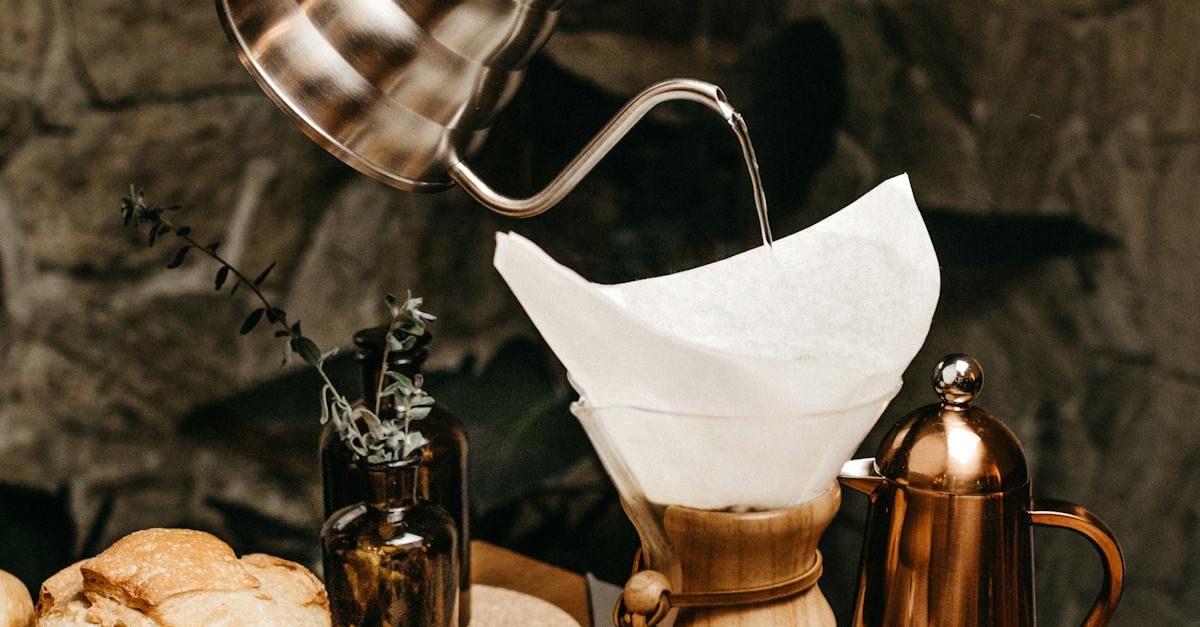
Specialty coffee brewing techniques and tools

“Specialty coffee for beginners is not just a drink, it’s a journey to the heart of coffee where every sip tells a new story.”

The awakening of a coffee connoisseur

Interest in specialty coffee can be sparked almost by itself. You try a cup of exceptionally good coffee at a friend’s house or at a café and suddenly realize that that deep, rich play of flavours is actually what coffee can and should be. The reasons for switching from regular to specialty coffee are many: the complexity of the taste, the personal satisfaction of brewing your own perfect coffee, and the joy of exploring the origin and history of coffee beans. For a beginner, this world can seem overwhelming, but fear not. The journey from beginner to coffee lover is not only exciting, it is also extremely rewarding. Every cup is an adventure and every new bean variety a discovery.

Choose your hatchet – pour-over or French press

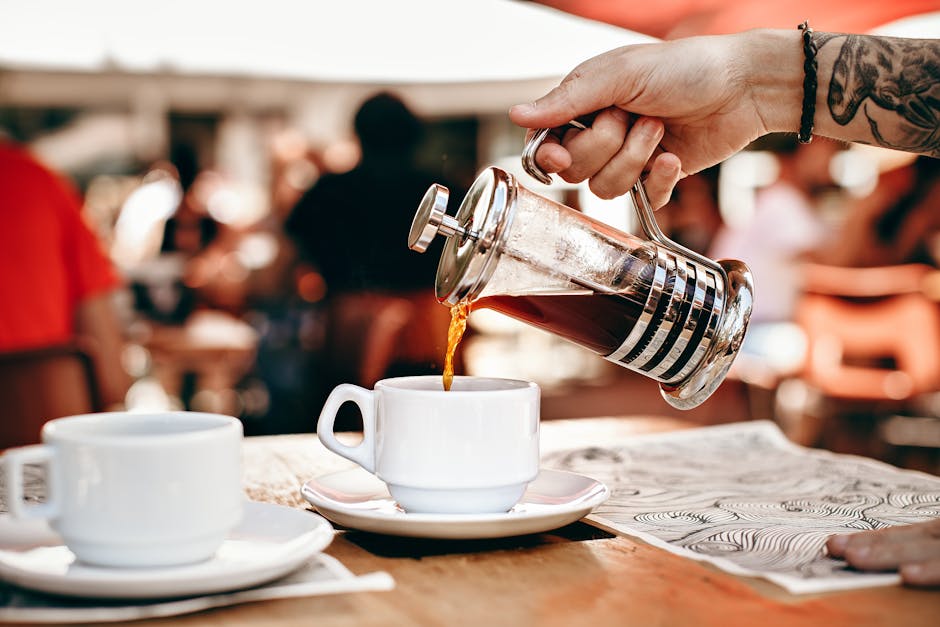
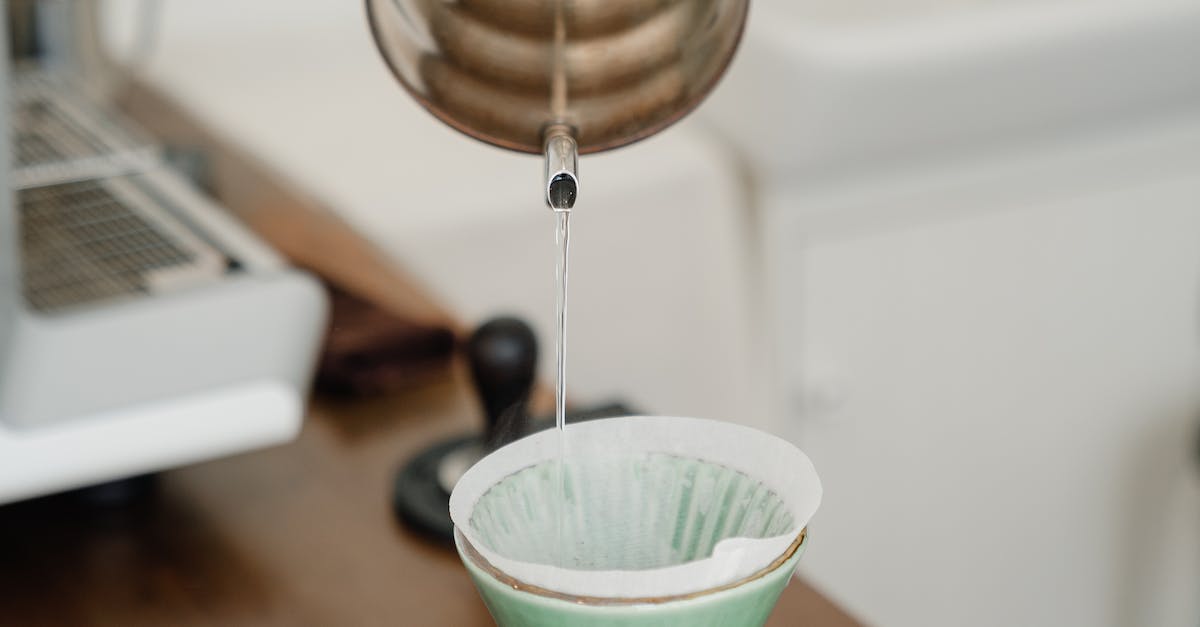
Choosing between pour-over and French press can be a beginner’s first big decision in the specialty coffee world. Both methods have their merits, but why do many tend to recommend French press for beginners? A big part of the answer lies in simplicity. With a French press, little more than coarsely ground coffee and hot water is needed, making the process both straightforward and forgiving. For example, the French press can be highlighted for its direct way of bringing out the character of the coffee without the need for technical equipment. pour-over, on the other hand, requires more precision and technique, which can be daunting for those just starting their journey towards becoming a coffee connoisseur.

Making specialty coffee with a French press

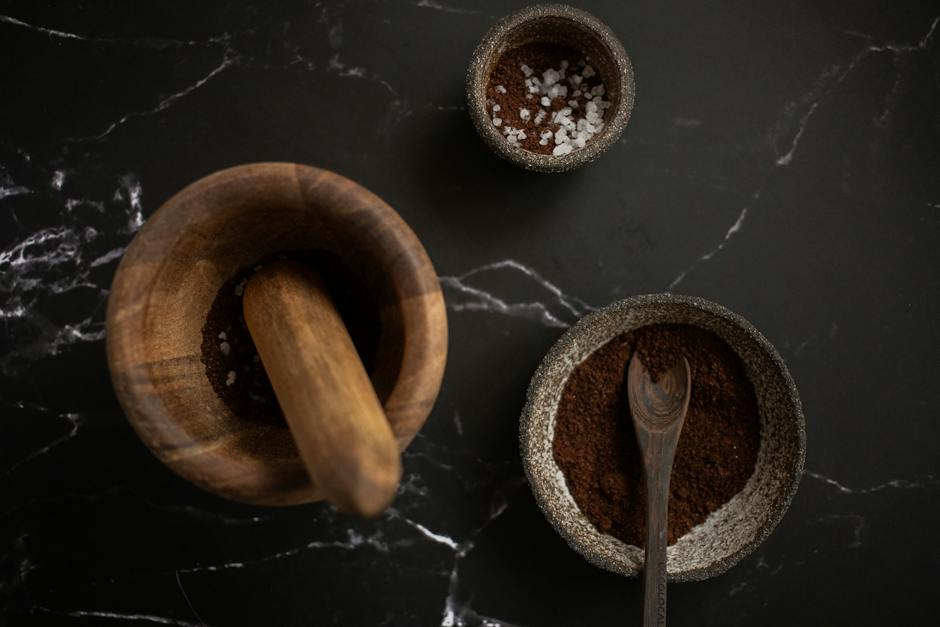
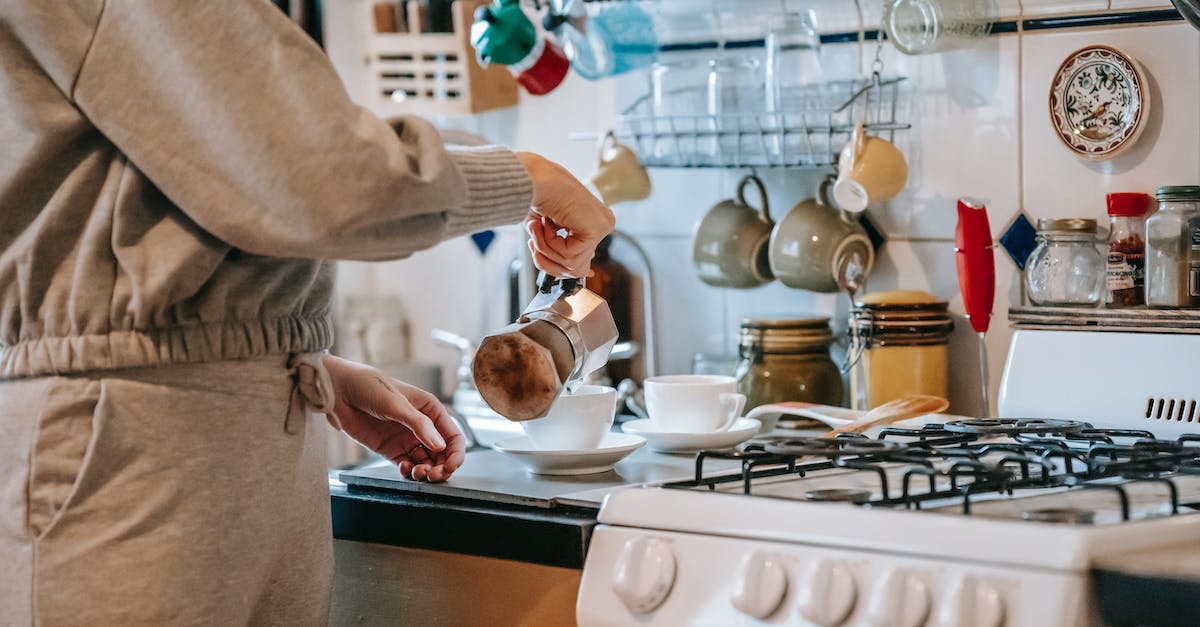
Brewing specialty coffee with a French press is not only easy, it’s also a great introduction to the world of coffee. Start by grinding your beans coarsely, a consistency similar to sea salt is ideal. Heat your water to a temperature of around 95°C – remember that too hot water can ruin the finer nuances of your coffee. When you pour the hot water over the coffee, let it steep for four minutes. After that, slowly press down the press. The result? An aromatic and flavorful cup of coffee. This process brings out the depth and complexity of the coffee without fuss.

Equipping the kitchen for specialty coffee

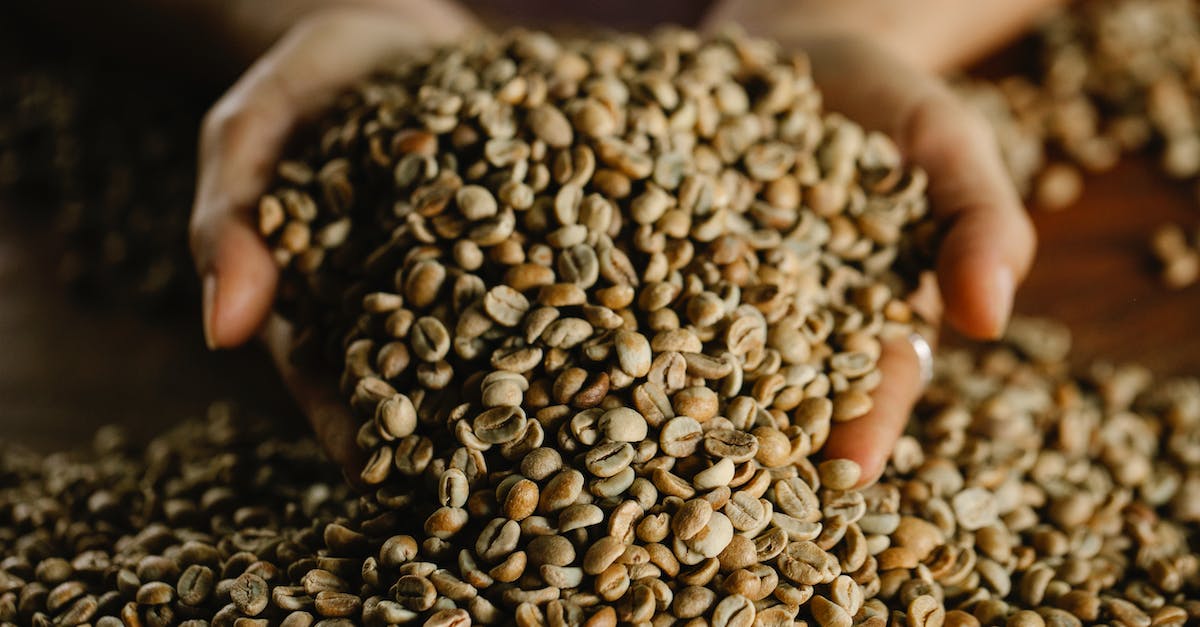
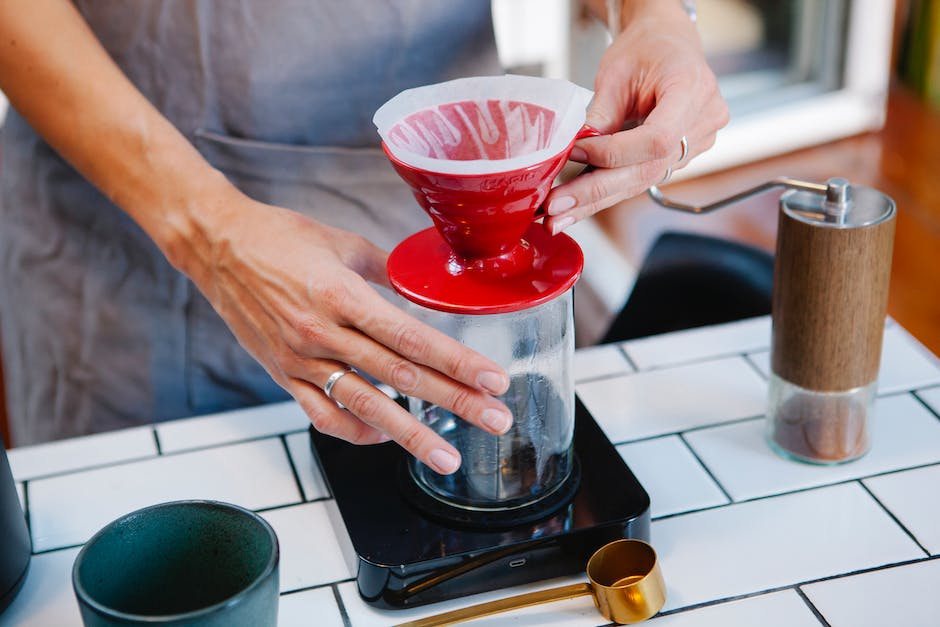
Embarking on a journey into the world of specialty coffee doesn’t require emptying your wallet of expensive accessories. The key to good brewing lies in four basic tools: a scale to measure ground coffee and water, a coffee grinder to get the beans just as coarsely or finely ground as you prefer, a French press, and of course, quality coffee beans. Such a simple set of utensils enables you to explore and enjoy specialty coffee without feeling like you have to be an expert.

Architects of taste – milling and water

The degree of grinding and the amount of water are two of the most crucial factors in creating a perfect cup of specialty coffee. Too coarse a grind can result in a watery and weak coffee, while too finely ground beans can make the coffee bitter and over-extracted. Finding balance requires experimentation. Start with recommended proportions and adjust from there. The amount of water also affects the strength and consistency of the coffee, so it is important to adjust the amount according to personal taste. It’s a science but also an art, where your own taste benchmark plays the main role.

A variable test in practice

A fun and educational way to get to know your coffee better is to conduct a variable test. Take out your scale and your measure and change one variable at a time. Start by adjusting the grind, then brew a couple of cups, adjusting the amount of water for each test. Taste each cup and note the differences. This method not only allows you to experience how each change affects the end result, but also teaches you how to fine-tune your coffee brewing to perfection.

Beans with character – choose carefully

The freshness of the coffee beans plays a crucial role in the quality of your coffee. Avoid buying coffee from regular grocery stores where the beans may have been stored for a long time. Instead, look for coffee that indicates a roast date and try to use it within a month of that date. Fresh beans give the coffee depth and nuances that make every cup an experience. It is these details that transform coffee from an ordinary beverage into a luxurious pleasure.

Friend or foe of heat – finding the right temperature

The right water temperature is critical to bring out the full character of the coffee without burning away its delicate flavor notes. The optimal range is between 90°C to 96°C. Too hot water can give a burnt taste, while too cold water will not extract all the desirable flavors from the beans. A common tip is to let boiling water cool for about 30 seconds before pouring it over your coffee. This simple trick will ensure that the temperature is within the optimal range for a heavenly coffee.

Your home, your coffee kingdom – the next step in the journey

Venturing into the world of specialty coffee is a journey of discovery, and the best part is that you don’t have to leave your own kitchen to embark on this adventure. With each new coffee bean, each adjustment to the grind or water temperature, you open the door to new flavors and experiences. Think of your home as a laboratory where you explore all aspects of specialty coffee with playfulness and curiosity. Remember that every failure is just one step closer to your perfect cup. So dare to experiment, enjoy the process and discover the endless possibilities that specialty coffee offers.

The beginner's guide to exploring specialty coffee at home

FAQ – Specialty coffee for beginners: how to make it

What are the best methods to start with as a beginner in specialty coffee?

The easiest and most accessible methods to start with as a beginner are Pour-Over and French Press. French Press is often recommended for beginners because it’s a simple method where you just need to coarsely grind your beans, add hot water and you have a perfect cup of coffee in minutes.

What equipment is needed to make specialty coffee at home?

As a beginner, you only need a few tools to make specialty coffee: a scale to measure the coffee and water, a coffee grinder to grind the beans, a French Press or other brewing method, and quality roasted coffee beans. You can make a good coffee with these basic tools without investing in expensive equipment.

How important is it to experiment with grinding degree and water quantity?

It is very important to experiment with the size of the grind and the amount of water, as these are crucial to adjust the strength and taste of the coffee. It is recommended to change only one variable at a time to better understand how each change affects the final result in the coffee cup.

How does the freshness of the coffee beans affect the quality of the coffee?

The freshness of the coffee beans plays a crucial role in the final taste experience. Avoid buying coffee in regular grocery stores where the beans may have been stored for a long time. Instead, look for coffee listed with a roast date and use it within a month to ensure maximum freshness and flavor.

What is the optimal water temperature when brewing specialty coffee?

The optimal water temperature when brewing specialty coffee is between 90°C and 96°C. Water that is too hot can destroy the flavor notes of the coffee while water that is not hot enough will not extract all the flavors from the coffee beans. A practical tip is to let freshly boiled water cool for 30 seconds before use to achieve a temperature within the recommended range.

Beginner-friendly brewing methods for specialty coffee at home

Photo by Nicola Barts on Pexels

Photo by The Lazy Artist Gallery on Pexels

Photo by Nicola Barts on Pexels

Continue reading

Posted on

Where is filter coffee the most loved brewing method?

Meta title: Filter coffee: Sweden’s top choice in brewing
global coffee rituals, Scandinavian daily tradition, simple enjoyment, Japanese ceremonial precision, cultural institution, simplicity and efficiency, artistic coffee, local traditions, special coffee trend, brewing tools, authentic charm, cultural significance

“Filter coffee is not just a brewing method, it is a declaration of love for the original taste of coffee, where every drop is a tribute to tradition and craftsmanship.”

Filter coffee – a worldwide favorite

From the barren landscapes of Scandinavia to the vibrant cities of the United States and the artistic coffeehouses of Japan, filter coffee is a method loved across much of the world. It is particularly widespread in Scandinavia, where it is part of the daily ritual, and in the United States, where it is enjoyed in homes and offices alike. In Japan, filter coffee is prepared with a ceremonial precision that reflects a deep respect for the craft.

Here in Scandinavia, where we are notoriously known for our coffee drinking, filter coffee is not just a drink but a cultural institution, with rituals and traditions that go back a long way. In North America, where the pace and versatility of everyday life demands simplicity, filter coffee is a rock in the storm. Japan, on the other hand, has embraced filter coffee as an art form, where each cup is a masterpiece in itself.

Filter coffee’s love affair with Scandinavia

Filter coffee and Scandinavia have an almost inseparable relationship. Coffee consumption has steadily increased here, especially during the 20th century when alcohol prohibition in Norway and high taxes on alcohol in the rest of the region encouraged people to seek out the black gold. Coffee culture flourished and filter coffee soon became the faithful companion of every Northerner.

Social life in our Nordic countries is often shaped around the welcoming phrase “let’s have a coffee”. Whether in the workplace or at home, a cup of brewed coffee is never far away, and it symbolizes community and relaxation. Filter coffee is the contingency plan for unexpected visits and warmth in the cold wind that binds us Scandinavians together.

USA and the everyday charm of filter coffee

In America, morning coffee is as common as the morning paper. Filter coffee home brewers are all the rage and form the heart of many American kitchens. Despite an ever-expanding palette of brewing methods, traditional filter coffee stands firmly on its pedestal – 41% of Americans choose it daily over other options.

The reasons for the continued strength of filter coffee in the US revolve around its simplicity and effectiveness. In a culture where time is money, the filter brewer provides an unbeatable combination of convenience and consistent quality – ready-to-go coffee in minutes without compromising on taste. Filter coffee is a staple in life’s pantry; a reliable friend in busy times.

Melitta Bentz – the woman who changed the game

Behind every successful innovation is a story worth telling. For filter coffee, it was Melitta Bentz, a German entrepreneur, who revolutionized coffee brewing with the invention of the paper filter in 1908. Her breakthrough paved the way for the global expansion of filter coffee, shaping it into the method we know and love today. Bentz’s idea of using paper to filter out the grounds changed the rules of the game, bringing out the pure taste and aroma of coffee.

Japan’s hand-brewed filter coffee culture

Japanese society is characterized by attention to detail and a quest for perfection, which is reflected in their filter coffee culture. Here, each cup is brewed with care and precision, often as a celebration of the pure, clean essence of coffee. The coffee is prepared as part of a ritual, where traditional methods and aesthetic presentation enhance the experience.

In Japan, the hand-brewed cup of filter coffee represents a contrast to the high-tech society. Kissaten, the classic Japanese cafés, became a sanctuary where time seemed to stand still and where every sip of brewed coffee became a moment of respite from the stresses of everyday life.

Filter coffee in other cultures

Although its popularity is strong in Scandinavia, North America and Japan, filter coffee has found a place in many other cultures with their own, unique ways of appreciating this brewing method. Coffee-growing regions often lean towards more traditional approaches, which convey the locality and terroir of the coffee.

In India, filter kaapi has a special place in the south of the country. It is brewed with a strong and aromatic blend of coffee and chicory, and traditionally served sweetened with milk and sugar. Costa Rica’s café chorreado, a simplified version of filter coffee, is brewed over a cloth bag that catches the coffee and is an admirable display of the simplicity of the craft.

Local variants on the outside world

Around the world, the love of filter coffee is expressed in a multitude of local varieties. From the Indian filter kaapi which is dense and flavorful, to the Costa Rican café chorreado which offers a smoother and more subtle brew option. Each local variety reflects not only flavor preferences, but also adaptations to available resources and historical influences on brewing methods.

Filter coffee and the specialty coffee trend

With the specialty coffee trend gaining momentum, filter coffee has undergone a renaissance. Quality has been raised and new interest is being generated by manual brewing tools such as Chemex, Hario V60 and AeroPress, all offering different aspects and nuances of brewing.

These tools have broadened the playing field for coffee enthusiasts, with each brewer having the potential to turn coffee beans into a masterpiece in the cup. The manual process brings us back to the roots of coffee brewing and allows a deeper understanding and appreciation for each step of the process.

Today’s filter coffee – a look ahead

Even in the age of high-speed automated espresso machines, filter coffee retains its authentic charm. This classic method continues to win hearts with its uncomplicated capture of the essence of the coffee bean.

The future of filter coffee looks bright, renewed by technological advances that bring consistency and quality to brewing. It opens up the possibility of even finer nuances in taste and easier sharing of brewing knowledge.

The role of culture in coffee brewing

Culture plays a central role in how we appreciate and brew our coffee. The traditions surrounding filter coffee are as important as the drink itself, preserving the importance of the method in our lives.

Why do we cling to certain brewing methods even as technology leaps forward? Perhaps because in these practices, and in filter coffee in particular, there is a story about ourselves, our origins and part of our identity. In every cup, there are traces of traditions that continue to shape the way we enjoy this timeless drink.

Alternative coffee brewing methods

FAQ – Where is filter coffee the most loved brewing method?

Which countries are best known for their consumption of filter coffee?

The countries best known for their consumption of filter coffee are Scandinavia, where it is seen as part of the daily ritual and cultural identity, the United States, where it is enjoyed next to every breakfast and in offices, and Japan, which sees brewing as an artistic and precise process. In these regions, filter coffee is an iconic part of the national coffee culture.

What contributed to the significant increase in coffee drinking in Scandinavia in the 20th century?

The significant increase in coffee drinking in Scandinavia in the 20th century can be attributed to the prohibition of alcohol in Norway and high taxes on alcohol in the rest of Scandinavia. These policy changes made people turn to coffee as an alternative, which greatly benefited the popularity and consumption of filter coffee.

How has the impact of the specialty coffee industry contributed to a renaissance of filter coffee?

The impact of the specialty coffee industry has led to a renaissance of filter coffee through innovations in brewing tools and technology. Manual brewing tools such as Chemex, Hario V60 and AeroPress have allowed coffee enthusiasts to explore new nuances and qualities of coffee, and increased the appreciation and understanding of the craft behind a good cup of filter coffee.

What is the importance of Melitta Bentz in the history of filter coffee?

Amalie Auguste Melitta Bentz has a central role in the history of filter coffee as the inventor of the first commercial paper filter in 1908. Her innovation revolutionized the way we brew coffee and contributed to the global expansion of filter coffee, allowing a clearer emphasis on the pure taste and aroma of coffee.

How does the brewing of filter coffee in India differ from Scandinavia?

In India, a special variant of filter coffee is known as ‘filter kaapi’, which is brewed with a metal filter and a mixture of coffee and chicory. It is usually served sweet with milk and sugar, which is a big contrast to the traditional Scandinavian filter coffee that is often drunk black or with a simple splash of milk. These practices reflect the cultural differences and local preferences in the experience of filter coffee.

Photo by Iain on Pexels

Photo by Jonathan Borba on Pexels

Photo by cottonbro studio on Pexels

Continue reading

Posted on

Create the perfect coffee blend

Create the perfect coffee blend!

“Creating the perfect coffee blend is not just an art, it’s a dialog between the bean and your senses, where every flavor note is a word in the story of tomorrow’s coffee.”

Coffee blending – more than just taste

Coffee blending is an art form that goes beyond simply mixing different types of coffee for flavor. It’s about creating a product that surpasses the qualities of the individual coffees, bringing together their unique flavors and aromas into a harmonious whole. This process can result in a signature blend, which over time can become strongly associated with a specific brand, thus contributing to its unique identity in the market. For big coffee brands, maintaining a consistent flavor profile over time is also essential. This creates a relationship of trust with customers, who can rely on their favorite coffee always tasting the same, no matter when they buy it. Consistency in flavor profile is achieved through carefully selected blends that blend coffees together in a way that compensates for natural variations in individual coffee lots.

The art of creating the ultimate coffee blend

Creating the ultimate coffee blend requires a deep understanding of the flavor profiles of individual coffees, as well as a clear vision for the end result. A skilled coffee roaster knows that the finest coffee blends are not necessarily made up of only the most exclusive beans. Rather, it’s about finding the perfect balance, where each coffee variety brings something unique to the blend that would not be achieved with a single variety. It is also important to realize that even high-quality Arabica beans, which can stand on their own in terms of taste and quality, can contribute positively to a blend. The process should always start with a clear vision: what do you want to achieve with the mix? A balanced, round taste or perhaps a flavor profile with more character and acidity? By methodically mixing different varieties and roasting degrees, you can approach the ideal cup of coffee.

Mixing before or after roasting?

A crucial question in the coffee blending process is whether to blend the coffee beans before or after roasting. Proponents of roasting the beans individually argue that this allows each coffee variety to develop its full potential, with the optimal degree of roasting for its unique characteristics. This may be particularly relevant for Melange blends and specific coffee types used in espresso blends. In general, it is not recommended to have more than about five different coffees in a blend, to avoid the taste becoming too complicated and confusing. Keeping the number of varieties within this range, and roasting them according to their individual needs, allows for a more targeted and higher quality coffee blend.

The balance of a Melange

Melange is a well-known method of creating coffee blends that really showcase the flexibility of roasting art. By combining beans roasted to different degrees, a unique balance of flavors and aromas can be achieved. An example would be a blend containing beans from Colombia, Mexico and Kenya, roasted to varying degrees to bring out the characteristics of each origin – from sweet fruit notes to deep, earthy richness. The Melange blend is a skillful balancing act that demonstrates how different roast levels can harmonize to create a complex and enjoyable coffee experience.

Historical coffee blends

Some of the most beloved and timeless coffee blends have historical roots. For example, Mokha-Java is a classic blend that combines Indonesian coffee with coffee beans from Ethiopia or Yemen. Known for its rich body and complex aroma profile, this blend demonstrates the long history of coffee blending and its potential to create deeper and more multifaceted coffee experiences. By bringing together these traditional coffees, it manages to carry forward both its historical heritage and its flavor uniqueness – a demonstration of the timeless value of the coffee blend.

Modern espresso blending – a new era

The development of espresso blends represents a fascinating evolution in the coffee industry. Traditionally, espresso blends have often been built on a base of high-quality Brazilian arabicas, supplemented with African beans for acidity or Central American for a clearer, purer acidity. However, this method has been challenged and further developed with new flavor models, inspiring a new wave of creativity in blending espresso beans. Examples of modern innovation include the use of single-origin beans to create distinctive, characterful espresso blends that highlight specific flavor notes. Sweet Maria’s approach to developing Standard Blends that are consistently offered, alongside Espresso Workshop editions based on particular batches of coffee, reflects this drive to constantly explore and innovate in coffee blending. This new perspective on espresso blending emphasizes the importance of both a careful and creative process to create unique and enjoyable coffee experiences for those looking for something out of the ordinary.

unique coffee blend recipes

FAQ – Creating the perfect coffee blend

What is the purpose of creating a coffee blend?

Blending coffee aims to create a product that is of higher quality than its individual ingredients. The aim is to create a harmonious whole that combines the different flavors and aromas of individual coffees, thus surpassing the individual characteristics of each variety. This also provides the opportunity to create a signature blend that can become strongly associated with a brand’s image.

How many types of coffee are recommended in a blend?

It is recommended not to have more than about five different coffees in a blend to avoid the taste becoming too complex and difficult to perceive. If you have a logical process for blending and a clear picture of the flavor profile you want to achieve, this number should be sufficient to create a consistent and enjoyable product.

Is it better to blend the coffee beans before or after roasting?

There are arguments for both methods, but it is often recommended to roast the beans individually to allow each variety to develop its full potential and optimal roasting degree. This is particularly relevant for Melange blends and specific coffees used in espresso blends, where you want to highlight the unique flavor profiles of each origin.

What is one of the oldest and most famous coffee blends?

Mokha-Java is one of the oldest and most classic coffee blends with roots in history. This blend combines Indonesian coffee with coffee beans from Ethiopia or Yemen and is known for its rich body and complex aroma profile. It demonstrates the long tradition of the coffee blend and its ability to create deep and multifaceted taste experiences.

How have espresso blends changed over time?

As the coffee industry evolves, the methods of creating espresso blends have changed and inspired new creativity. Traditional espresso blends based on a Brazilian Arabica base are now being challenged by new flavor models using single-origin beans. This is reflected, for example, in Sweet Maria’s new approach to offering Espresso Workshop editions, where they explore and innovatively create unique espresso blends based on specific batches of coffee, alongside their consistent Standard Blends.

Creative coffee blending techniques

Photo by Karolina Grabowska on Pexels

Photo by Maria Orlova on Pexels

Photo by Michael Burrows on Pexels

Continue reading

Posted on

Salt in coffee – for different coffee drinks, throughout history and in different cultures

“Salt in Coffee: A Global Taste Tour”

“From rugged sailors’ morning brew to finely honed barista creations, ‘salt in coffee’ has been a journey of taste that has touched countless cups and cultures through the ages.”

The role of salt in coffee

Putting a jar of salt next to the coffee maker may seem like a kitchen mistake, but the combination of salt in coffee is not a new trend. It has been with us through the centuries, bringing a joyful and sometimes shocking twist to our everyday brew. But what’s really behind this seemingly bizarre habit, and why do so many cultural coffee rituals around the world incorporate salt?

Why salt in coffee?

When you add a pinch of salt to your cup, something fascinating happens at the chemical level. The salt’s sodium ions work to neutralize bitter flavours and round out the sometimes harsh bitterness of coffee, thanks to its interaction with the taste receptors on our tongue. Research suggests that a small amount of salt can actually make coffee milder and more enjoyable, a discovery that delights our coffee-loving senses without overwhelming us with scientific terms.

A taste journey through time

Exploring the place of salt in our coffee cups is like taking a time machine to different corners of the world where this tradition has a long and colorful history. Long ago when trade routes carried exotic goods and new flavors, the unsuspected connection between salt and coffee was discovered. In some countries, it became part of the culinary heritage, an adaptation that responded to local taste preferences as well as to prevailing climate and water conditions that affected the flavor profile of coffee.

It’s not just a Swedish thing

Ethiopia’s highlands or Turkey’s bustling bazaars may not be the first places you think of when discussing ‘salt in coffee’, but the fact is that these cultures season their brew with salt. Ethiopia, the birthplace of coffee, sometimes goes for a salty edge in their ceremonial coffees, while Turkish coffee can include both salt and cardamom for extra depth and dimension.

The unexpected turns of salt – Behind the scenes

Throwing a pinch of salt into your coffee has surprising effects that go far beyond traditional brewing. From a crisp espresso coffee to an icy cold brew, salt can refine and enhance flavor profiles in a way that neither sugar nor milk can. It’s about daring to experiment and letting your finely tuned taste buds lead the way. In a world where we often chase the ultimate taste experience, perhaps salt is the unexpected hero waiting to step into the spotlight.

Gourmet coffee or quick fix

Although gourmet coffee is often associated with precision and accuracy, salt plays a chameleon-like role, adapting to needs. A simple quick fix in the morning or a carefully crafted specialty coffee can both benefit from the flavor-enhancing properties of salt. Interestingly, salt can bridge the gap between a quick caffeine kick and a slow-brewed pleasure, and do so with aplomb.

Used in moderation – How much salt is really needed?

While salt may seem like magic in our cup, it’s important to remember that it’s all about balance. Too much salt, and you’ve turned your morning delight into something approaching seawater. The experts’ advice is to start gently, perhaps with only a pinch or a couple of grains, and gradually adjust according to taste. Finding the perfect amount of salt in your coffee can be the secret ingredient in your morning ritual.

Experimenting with combinations

Are you adventurous? Salt opens the door to a world of possibilities when it comes to flavor experimentation. Think the combination of salt and caramel in a latte, or a spicy note with cayenne pepper to really bring your morning brew to life. The possibilities are endless when you start exploring salt as a flavor enhancer in conjunction with a variety of spices and additives. The world is your coffee mug!

Salt, coffee and health – is there any reason to worry?

Perhaps you are wondering if there is a flip side to the coin? Is it really okay to add salt to coffee, a drink that so many of us enjoy daily? Studies and expert opinions reassure exaggerated fears, but stress the importance of moderation. A few grains of salt are unlikely to significantly affect your salt intake, but as with anything else, it should be done with judgment and self-disclosure.

Can the body take a little more?

Adding salt to coffee becomes a matter of common sense. Research suggests that as long as we keep salt intake low, and coffee intake does not become excessive, there are few concerns about long-term health effects. It’s worth remembering that the body is amazing at dealing with variations in diet, and a few extra grains of salt in your coffee is hardly a cause for concern, especially if it takes your coffee experience to new heights.

Ending with a pinch of salt – When and how did you start?

Writing about ‘salt in the coffee’ is like sipping a cup filled with surprises. As a writer myself, I have come to love this unlikely combination and appreciate how it can transform the simplest of drinks into a symphony of flavors. How did you come into contact with the concept yourself? Was it a coincidence, a tradition or pure curiosity that made you try it? Whatever the starting point, the world of coffee is an open book waiting to be explored with every cup – maybe the next one with a pinch of salt?

Pictures of coffee with salt tradition from Ethiopia to Turkey

FAQ – Salt in coffee – for different coffee drinks, throughout history and in different cultures

What effect does salt have on the taste of coffee?

When salt is added to coffee, its sodium ions interact with the taste receptors on the tongue to neutralize bitter flavours and make the bitter taste of the coffee rounder and milder, which can make the coffee more enjoyable for some people.

Is there a specific coffee culture that traditionally uses salt in its coffee?

Several cultures have historically used salt in their coffee, including Ethiopia and Turkey. In Ethiopia, salt can sometimes be included in the ceremonial coffee gatherings and Turkish coffee can include salt and cardamom to add extra flavor dimensions.

Can salt in coffee negatively affect my health?

A small amount of salt in coffee is generally not harmful to health as long as consumption is moderate. Studies and experts recommend starting with a very small amount and adjusting according to taste, without adding so much that it has a noticeable effect on daily salt intake.

How much salt is recommended to start with in the coffee?

It is recommended to start with a very small amount of salt, such as a pinch or a few grains, and then adjust the amount according to personal taste to find the perfect balance without overdoing the salt intake.

Are there other flavor combinations that work well with salt in coffee?

Salt acts as a flavor enhancer and can be combined with different ingredients to create exciting flavor combinations, such as salt and caramel in a latte or a spicy note with cayenne pepper that can add an extra flavor dimension to your coffee.

Images of salt being added to coffee all over the world.

Photo by Monstera Production on Pexels

Photo by Evgenia Basyrova on Pexels

Photo by Michael Burrows on Pexels

Continue reading

Posted on

Your guide to the perfect grind for moka

“Moka: Guide to the Ideal Grind!”
Optimize the grind size for moka to achieve perfect brewing with moka brewers. The importance of a medium-fine grind must not be underestimated; it is the difference between an aromatic cup and disappointment. Use the right equipment, such as a mill with millstones, and fine-tune carefully to bring out the right flavors. Discover how the right grind size and coffee beans turn your moka experience into an art form.

“To enjoy a heavenly mocha brew, it’s essential to understand the art of fine-tuning the grind – that’s where the magic happens and the flavor profiles blossom in their full glory.”

Grinding grade moka – your coffee companion to perfection

Let’s have some coffee talk. If you’re a true coffee lover, you know that the moka pot is a classic. It’s been pumping out divine coffee for decades and if we’re talking perfect moka, the grind isn’t just a detail – it’s the essence! Finding the right grind for your moka is like finding the perfect bass riff in a rock song. It sets the tone for the whole experience.

Why grinding consistency is key

You may think that coffee is just coffee, but alas, you are deluding yourself. The grind is dealbreaker number one. We’re talking about the difference between a cup that vibrates with finely balanced flavors and one that’s just dull and bitter. Consistent grinding is your ticket to the coffee Olympics, what determines whether your moka cup is a masterpiece or a disaster.

Major misunderstandings about coarse and fine grinding

Look, many people get it wrong and think it’s just a matter of choosing between rough and smooth. But in the grinding world, mediocre knowledge is your worst enemy. If you use too coarse a grind in your moka, the coffee will be under-extracted and flat – more boring than a rainy Tuesday. And if you go too fine, you overextract and it will be like taking a slap of bitterness. It’s medium-fine grinding that counts – fine precision that plays the whole band right.

The secret to the perfect grind

Coffee is chemistry and art at the same time, and the perfect grind is a science that demands respect. For the moka pot we are talking medium-fine grinding. Not too rough, not too fine, but right there in the middle where the magic happens. When you reach that sweet spot, you get a brew that brings out the soul of the coffee bean without overpowering. A medium-fine grind gives you just the right extraction time and ensures that every drop is packed with flavor.

But how do you do it? No, you don’t just take a handful of coffee beans and throw them into the first available grinder. You need a grinder that knows what it’s doing and can give you the precision that mocha coffee requires.

A step-by-step guide? Sure, we start by choosing the right mill. Then adjust to the desired grind – medium-fine. Add the right amount of beans, which tends to be around 20-22 grams for a 6-cup Moka pot, and grind evenly. Voilà, you are well on your way to perfection.

Counting and grinding – the importance of precision

It’s not about pouring and hoping for the best. No, coffee brewing, especially with a moka pot, is a science. Every gram counts, and every second of brewing is critical. If you are loose on your hands and just take chances with the amount of beans and the grinding time, then please reconsider your coffee responsibilities. Precision is the key to the perfect mocha coffee, and a little discipline goes a long way.

The equipment that lifts your grind

Do you think all coffee grinders are created equal? Nope, it’s time to wake up and smell the coffee. A burr mill, unlike a blade mill, gives you that coveted uniform grind. You want control and adjustability that lets you dial in mocha perfection. And guess what, a Wilfa coffee grinder might be just what you need to do just that. Invest in a really nice burr grinder that takes your coffee brewing to a whole new level.

Problems coffee lovers face – and how to fix them

What can go wrong on the way to the perfect mocha coffee? When your coffee tastes sour, bitter or just not at all like it should, you probably have a problem with your grind. Fortunately, we rarely talk about quantum physics. Does the coffee taste bitter and strong? Scale down the grind a notch. If it’s too watery or flavorless, go the other way and grind a little finer. It’s a dance with the molecules where you have to lead.

Your coffee, your rules – fine-tuning for the true coffee enthusiast

Making the perfect cup of mocha is certainly an art, but it’s not written in stone. Coffee is personal and playing with beans and roasts is part of the charm. Now you might be thinking: “But what if I use pre-ground coffee?” And sure, in a tight situation it might do, but if you want to give your taste buds the love they deserve, grind just before brewing. It gives you the freedom to keep your grind on point and get it just the way you want it.

A world of flavors – choosing the right type of coffee bean

Each coffee bean has its own character, its own temperament. Roasting and grinding your own beans is optimizing a big and important part of life. Adjust the grinding strategy to match the bean’s profile and degree of roast, and soon you’ll be sitting there with a smile on your face and a cup that speaks your language.

Here at White Elk Coffee Roasters we have well selected green coffee that you can roast yourself. If you don’t want to or can’t roast it yourself, we offer freshly roasted specialty coffee at great prices.

Search for images on

FAQ – Your guide to the perfect grind for moka

What is the ideal grind for brewing coffee with a Moka pot?

A medium-fine grind is ideal for Moka pots, providing a good balance between extraction rate and even water flow. This facilitates a good extraction of the coffee’s flavors and oils, resulting in a rich and tasty cup of coffee.

How does uneven grinding affect the quality of coffee from a Moka pot?

Uneven grinding can lead to inconsistent extraction where some coffee particles are over-extracted and others under-extracted. This can ultimately result in a coffee that is bitter, sour or watery. Striving for an even grind is essential for a consistent extraction and a good cup of coffee.

Is it possible to use pre-ground coffee in a Moka pot to get a good result?

While you can use pre-ground coffee in a Moka pot, it is recommended to grind your own beans just before brewing to achieve the freshest and most flavorful cup of coffee. Ready-ground coffee can lose much of its aroma and nuance as it oxidizes quickly after grinding.

What type of grinder is recommended to grind coffee for a Moka pot?

Burr grinders are preferred for grinding coffee for a Moka pot as they provide a more consistent and precise grind than blade grinders. Milling uniformity is central to an optimal brewing process and burr mills offer adjustable settings that can be customized to achieve the perfect grind.

How do I know how much coffee to use in my 6-cup Moka pot?

For a 6-cup Moka pot, it is recommended to use between 20-22 grams of coffee. It is important not to overfill or pack the coffee in the filter basket; it should be loose to expand and for water to flow through it for an even extraction.

Search for images on

Photo by Elle Hughes on Pexels

Photo by EKATERINA BOLOVTSOVA on Pexels

Photo by Gary Barnes on Pexels

Continue reading

Posted on

What is cupping coffee and how is it done?

“Cupping – not just a ritual, but the art form that transforms the whispers of coffee into a symphony of flavor. Explore, experience and fully understand the story of your bean.”

An introduction to the world of coupling

Coffee cupping is a method used to systematically assess and taste the different qualities of coffee. This technique is central to coffee culture as it provides a deeper understanding of the complex characteristics, variables and potential of coffee. Coffee cupping gives producers, baristas, and coffee enthusiasts the opportunity to identify the unique characteristics of different coffee varieties and assess the quality of a coffee blend. It is a term that sums up different methods of coffee tasting and quality assessment.

Various people from the entire coffee chain join the cupping. These include growers who see their product become the final result, roasters who hone their techniques, and Q-graders, highly trained experts specialized in the sensory assessment of coffee. Even coffee enthusiasts who want to immerse themselves in the world of coffee often attend cupping sessions. Linkage provides all these actors with a valuable tool to assess and improve coffee, contributing to the continuous development and innovation of the coffee industry.

Step by step: How to carry out a clutch

To make a cup, you need to start with the right equipment and a carefully measured amount of coffee. The right degree of grinding is crucial; the coffee should be coarsely ground, as for a French press. A standard method of cupping involves freshly roasted coffee that is ground and poured into glasses with 200 ml of hot water. The temperature of the water should be just below boiling point to avoid destroying the delicate flavors in the coffee.

After the hot water is poured over the coarsely ground coffee, a crust forms on the surface, which after about four minutes should be broken with a special cupping spoon. This moment is crucial, as the breaking of the crust releases the coffee’s aromas, which are essential for assessing its quality. This is followed by the taste test. The technique of slurping the coffee is key; by drawing in air, the flavors of the coffee come together and the right experience can reach all parts of the taste buds.

A complete cupping includes preparations such as grinding the coffee, weighing, timing, and preparing cupping spoons, cupping glasses, water glasses for rinsing spoons, and note-taking utensils. This way, you can carefully document and compare each tasting.

Characteristics to look out for in coffee

During a cupping session, it is important to identify and assess elements such as flavor, acidity, sweetness, and the body of the coffee. The acidity should be pleasant and balanced; it is often what gives the coffee its life. The sweetness can range from being subtle to distinct and adds depth to the overall flavor profile of the coffee. The body of the coffee refers to its weight or mouthfeel, sometimes described as lightness or fullness.

Recognizing these characteristics requires training and experience. The goal is to build a personal reference library of flavors and aromas, which can be helped by using The Coffee Taster’s Flavor Wheel. It is a tool based on extensive research that helps tasters identify and describe sensory notes in coffee.

Cupping as an assessment tool and competition discipline

Cupping is much more than just a way to enjoy great coffee aromas. It is a powerful assessment tool used professionally by Q-graders. These are certified experts who use a cupping technique to assess and score coffee. A Q-grader is trained to identify and comment on the sensory characteristics of the coffee, where an accurate cup can take around 8 minutes.

Cupping is also a popular sport. The Cup Taster Championships test participants’ ability to distinguish between the subtlety and complexity of different coffee flavors. Competitors must rely on their cultivated sensory skills to differentiate and identify the finest coffees. Furthermore, the Cup of Excellence event, which is an annual competition where coffee varieties are cupped at least five times by Q-graders, provides important recognition to the best coffee growers. This competition raises the standard of quality and strengthens the status of coffee farmers in the global market.

The journey of the coffee grounds from cup to compost

After enjoying the coffee, there is more to do with the leftover coffee grounds than just throwing them away. Instead, they can be recycled and become a welcome addition to the compost or as fertilizer for plants. Coffee grounds are rich in nitrogen and other nutrients that can contribute to improved growth and health of plants.

Using coffee grounds as fertilizer not only supports a more sustainable lifestyle but also ensures the full life-cycle value of coffee farm products. It’s really resource-efficient and easy to integrate into regular gardening, with benefits for both your wallet and the environment.

The history of cupping and its impact on the coffee market

The cupping method has been used for over a century and originated from the need of coffee farmers to assess and ensure the quality of their products. Over the years, cupping has evolved from a simple test to a sophisticated and detailed procedure that is now standard in the coffee industry.

The tradition of cupping has had an immeasurable impact on the coffee market, where it has been crucial to the development of quality assessment and transparency. It is also the method used to determine which coffee roasters brew the best products and which coffee farmers grow the finest beans. Cupping has thus played a major role in shaping both consumer taste preferences and coffee farmers’ growing practices.

From the grower to your coffee cup

Cupping not only serves as a quality control for large roasters and distribution chains, it is also very helpful for small coffee farmers. Through professional linkage, these growers receive valuable feedback that can improve their products, increasing their chances of reaching the competitive market.

For coffee farmers, the possibility of direct trade and better prices for their products is a potentially life-changing aspect of cupping. It strengthens the ability of smallholders to independently develop their businesses, which in turn contributes to a fairer and more sustainable coffee industry globally.

In conclusion

Cupping is a fascinating and indispensable aspect of the coffee industry. It is not just a scientific method or a quality control tool, but an adventure and an invitation to explore more deeply the multidimensional world of coffee flavors. It also encourages further training, participation and cooperation throughout the chain from coffee farmer to consumer.

For coffee enthusiasts and professionals, cupping is both a passion and a discipline. It’s a journey that starts at the farmer’s farm and continues all the way to the finished cup in your hand. Learning cupping and understanding its importance will not only enhance your coffee experience, but also give you a profound appreciation for every step and every hand that worked to create the perfect cup. Why not start your own cupping journey today and explore the infinite flavor universe of coffee?

FAQ – What is cupping coffee and how is it done?

What does the cupping method mean in terms of coffee?

Cupping is a process of tasting and assessing the different qualities of coffee. It involves the systematic tasting of ground coffee mixed with hot water in order to identify and describe its flavors, aromas and other sensory characteristics. This helps coffee growers, roasters, baristas and coffee enthusiasts to understand and improve the quality of coffee.

How to prepare a clutch?

To prepare a cup, you need the right equipment and a measured amount of coarsely ground coffee. This includes coffee beans, a fine scale, timer, cupping glasses or cups, labeling materials, cupping spoons, a water glass for spoons, hot water, and note-taking materials. The coffee is ground, weighed and then poured into the glasses where it is to be mixed with 200 ml of hot water, and after about 4 minutes you break the crust formed on top of the coffee with the cupping spoons.

What is a Q-grader?

A Q-grader is an expert in coffee sensory analysis and has undergone official training to certify in coffee quality assessment and scoring. They are trained to identify, comment on and assess the flavor profiles and individual characteristics of coffee by cupping. A thorough coupling performed by a Q-grader normally takes about 8 minutes.

What are Cup Taster Championships and Cup of Excellence?

The Cup Taster Championships is an annual competition where participants test their ability to distinguish subtle flavor differences between different coffee blends, while the Cup of Excellence is another prestigious competition where the best coffees are cupped by Q-graders and the top coffees are rewarded. Both competitions are based on the participants’ skill in sensory analysis through cupping.

How can you reuse ground coffee after brewing?

The ground coffee left over after a cup can be reused as fertilizer for plants. Coffee grounds are rich in nitrogen and nutrients which can improve the growth and health of plants. Incorporating coffee grounds into compost or directly into the soil provides a more sustainable lifestyle and gives the coffee product a full life cycle value.

Coffee cup evaluation process

Photo by cottonbro studio on Pexels

Photo by Jakub Zerdzicki on Pexels

Photo by cottonbro studio on Pexels

Continue reading

Posted on

Simplify coffee accounting – book coffee to the office

Accounting for coffee for the office – how to do it!
Images of office coffee, accounting, coffee, snacks, transparency, accounting, workplace, employees, tax benefits, business economics.

“By booking coffee breaks to the office, every coffee break becomes not only a moment of relaxation but also an investment in job satisfaction that is elegantly woven into the company’s financial tapestry.”

Make it fun at work – book coffee to the office without hassle

Pausing for a coffee is like a warm hug for the work atmosphere. Imagine being able to satisfy your colleagues’ caffeine cravings while keeping hassle-free accounts – a dream, right? Studies show that a much-needed coffee break at work not only increases well-being but also productivity. Therefore, it is important that these tasty expenses are properly recorded. But what does it actually mean to book coffee for the office?

It involves carefully documenting the costs of coffee, tea, and the yummy side dishes in the company’s accounting system. In this way, expenditure on this small-scale form of staff care can be transparent and properly managed in the company’s finances. Yes, because we all know it’s the details that do it – even in the world of accounting!

Tax-free employee healthcare benefits – what applies?

It’s not just the coffee itself that makes the working day, but also the knowledge that it can be tax-free. However, here’s some bad news for bonus hunters: in order for the coffee to be classified as a tax-free employee benefit, it must not be exchanged for coins in the pay envelope. These delicacies, such as freshly roasted coffee and cakes, are allowed to abound as long as they are offered regularly to everyone, without exception. And remember, while employees’ coffee bills may enjoy tax exemption, partners who don’t draw a salary must take these goodies as taxable benefits – a small administrative pastry to consider.

Everyone should be invited to the common coffee table

Democracy in the break room is a front where no exceptions are tolerated. All employees should have the opportunity to enjoy a cup of coffee or a fragrant biscuit, whether they are a salesperson with sharp numbers or the guardian of the beloved office plant. This is where the essence of a tax-free employee healthcare benefit lies: in its accessibility and equality. So bid generously – and then book just as generously.

Accounting for coffee – step by step

Now is the time to roll up your sleeves and dive into the wonderful world of accounting. It’s like a dance between debit and credit, where the fika bread swings superbly to the strings of the violin. Firstly, we should distinguish between coffee for employees – a staff cost at home in account group 76 – and partners’ coffee cravings, which show up in the form of a taxable benefit. Eventually, these expenses merge into the symphony of the income statement, with each cost getting its unique note in the financial score.

When the coffee becomes a staff cost

Here in the small corner of the accounting world of personnel costs, we find the coffee shop conveniently recorded in account group 76. And just like a well-planned layer cake, the VAT is then added as input VAT – you can only applaud such administrative finesse. The profit and loss account then proudly shows how the coffee shop expenses have found their home, and the business appears as a harmonious masterpiece.

Own withdrawal saves the partner from tax

Partners, mainly in sole proprietorships or partnerships, are faced with a tactical decisive point: to claim their own withdrawal and thus avoid taxation on the benefit. It’s like balancing on a tightrope – you want to enjoy your coffee without attracting the attention of the tax authorities. Handled correctly, the personal allowance becomes a hero in the darkness of tax time, bringing the cost of the allowance to the safety of the right side of the tax return.

VAT – an important piece of the puzzle

VAT – it’s that little extra spice that can either turn a coffee break into a lost cause or a tax success. When the coffee benefit is tax-free, we can enjoy a 12% VAT deduction – a small but important deduction for all VAT-registered people. But, in a world where coffee shop expenses are classed as taxable benefits to partners, well, there is unfortunately no place for deductible VAT. It’s important to keep a straight face!

Double-check that the financial statements are correct

At the end of the day, when the lights go out in the break room and the coffee cups rest in the sink, it’s time for the final test: the closing of the books. You don’t want to be the one bidding on a double booking, no, here accuracy should be as reliable as an old wall clock. Follow the Annual Accounts Act to the letter and report elegant disclosures on your company’s coffee shop expenses. Boredom is forbidden in this process, so keep your spirits up – it is the financial statement that carries the financial destiny of your company.

FAQ – Simplifying coffee accounting – accounting for coffee in the office

Are coffee breaks for employees a tax-free benefit?

Yes, expenses for coffee, tea, cakes and other light refreshments offered to employees can be considered as tax-free employee benefits. This assumes that they are offered regularly and cannot be exchanged for cash compensation.

How are expenses for tax-free refreshments recorded in company accounts?

Expenditure on tax-free refreshments for staff is recorded as a staff cost in account group 76. VAT is added to this as input VAT, as these costs are deductible for the company and thus have a positive impact on the company’s income statement.

Are coffee and buns for partners tax-free or taxable benefits?

Coffee and buns for non-employed partners are considered taxable benefits. However, if the partners are sole traders or part of a partnership, they can make their own deductions for these costs to avoid preferential taxation.

Can we deduct VAT on coffee shop expenses that are tax-free benefits?

Yes, for VAT-registered businesses, the VAT rate is normally 12% on expenses for tax-free benefits such as refreshments and is deductible. On the other hand, VAT on taxable benefits to non-employee partners is not deductible as input VAT.

Do tax-free meals need to be taxed?

No, tax-free benefits such as coffee, tea, and similar light refreshments offered to employees do not have to be taxed. They are considered to be part of the company’s staff care and should therefore not be recorded at market value including VAT.

Pictures of office coffee schemes and activities to strengthen cohesion among employees.

Photo by Alexander Suhorucov on Pexels

Photo by Mikhail Nilov on Pexels

Photo by Pixabay on Pexels

Continue reading

Posted on

Coffee at home – the trend that will finally take over in 2024?

Coffee at Home: Biggest Trend in 2024!
coffee revolution home kitchen cozy coffee corner espresso machines coffee grinders coffee core trend brewing perfect coffee Generation Z coffee culture online financial savings home coffee news

“As time goes by, our homes are transforming into personal coffee bars, where every cup is a celebration of the art of personal taste. Coffee at home is not just a trend, it’s a lifestyle that brews comfort and quality with every steaming brew.”

Welcome to the coffee revolution at home

Swedish kitchens are bubbling with enthusiasm as the coffee-at-home trend washes over the nation like a much-needed caffeine wave. But wait, is this a fad or are we heading for a caffeinated utopia in 2024? The pandemic’s unforeseen stay-at-home work, coupled with high inflation and massive commodity price increases, has left its mark on our daily lives and our wallets. The result? We Swedes have become baristas in our own homes. One cup at a time, kitchens are being transformed into cozy coffee corners, and as coffee prices rise, the home brewer is taking an increasingly central role in our lives.

From coffee breaks to kitchen brewers

Forget the old “fika-fiket”. Now it’s time for kitchen brewers! The changing landscape of work has created a coffee paradise in our own kitchen. With roughly 30% of remote workers having invested in a new coffee machine since the time of the pandemic, it’s no surprise that we’re seeing an uptick. According to the National Coffee Association, data shows that 84% of coffee enthusiasts now choose to enjoy their daily dose of java in the comfort of their home, a steady increase compared to just a few years ago. And yes, these figures are spilling over into the Swedish market too, where home coffee-making has become as popular as tacos on a Friday.

Investing in a barista experience

The Swedish love of coffee has reached a stage where a simple coffee maker is no longer enough. The fascination with recreating the café experience has led many to go all in. Espresso machines, coffee grinders and specialty coffee equipment take pride of place on the counter. The luxury milk frothers are not only a way to impress your neighbors, they also reflect our growing interest in taking coffee craftsmanship to a whole new level.

The new luxury: exclusive coffee in the living room

With the trend term “cafe core” predicted to be big in 2024 according to Pinterest, we can expect living rooms to become the new local cafes. Pinterest searches like “coffee bar styling” and “coffee station decor” have exploded by 1120% and 145% respectively between 2021 and 2023. There is no doubt that Swedes are designing their own little coffee oases. From specialty beans that feel as exotic as a vacation to Bali, to personalized café design that gives the feel of a private barista – we demand quality and style, at home!

Details that make the difference

A quality brewer here, a bottle of homemade hazelnut syrup there, and the market for coffee accessories is booming more than canola fields in May. Consumers are looking for complementary brewing tools and appliances. Brands like Fellow have taken this craving to heart, attracting $30 million in funding last year for their high-quality coffee beverages.

The technology behind the perfect coffee

Let’s not underestimate the role of technology in our home-brewed adventures. Companies like Keurig and Nespresso have found their way into our kitchens and hearts. When it comes to perfecting that homemade cup of coffee, we don’t settle for second best – home coffee makers today come with everything from programmable brew times to personalized flavor profile settings.

When Generation Z takes over the coffee scene

The young and excited Gen Z generation arrives on the coffee scene with smartphones in hand and TikTok in sight. Their influence is undeniable – with a desire to make an impact and a sense of trendiness, they are creating new movements in coffee culture. With 49% of Gen Z accessing their coffee knowledge via TikTok, we can be sure that their coffee decisions are well filtered and hashtagged.

At the time of writing, the hashtag #coffee has over 71.4 billion views on TikTok and #coffeestationidea over 62.4 million. Influencers share their tricks and tools – not only for the enjoyment, but also to show how easy it is to make your favorite Pixar movie-inspired latte at home, instead of hustling at Espresso House.

Goodbye café chains, hello home-brewed convenience

It’s beginning to look like the big coffee shop chains will have to watch out, as the convenience of brewing coffee at home becomes apparent across the country. Starbucks swallowed a bitter pill in the fall of 2023 when it lost over 10% of its market capitalization, a loss that amounts to an extreme $12 billion. Could this be a sign that we are choosing the sofa and the home brew over the local café?

By rejecting the expensive coffee chains, there may actually be enough money saved for something bigger; maybe even a house in the long run. When we gigglingly make our own frosted frappuccinos at home, we can laugh all the way to the bank! Every penny saved on a coffee shop visit is another penny in the till to reach our financial goals – and maybe even to put a silver lining on the coffee mug.

The future of coffee at home – what’s around the corner?

Speculating about the future can be as risky as predicting the Swedish summer, but one thing is certain in the world of coffee: innovation is always around the corner. And with the home coffee industry bubbling with excitement, we can expect everything from AI-based brewers to climate-smart coffee pod systems. The potential is huge, and soon even the last skeptic may be turning on his espresso machine and muttering “the best coffee is the one brewed at home.”

Home coffee brewing equipment and accessories

FAQ – Coffee at home – the trend that will finally take over in 2024?

Is the reason for the home coffee trend solely the pandemic?

No, although the pandemic was a catalyst, it’s a combination of factors that have influenced the at-home coffee trend, including increased coffee prices and an increased interest in quality experiences at home. In addition, technological developments in coffee machines and specialized equipment have played a major role in making home brewing more accessible and enjoyable.

How much growth have we seen in home espresso since the start of the pandemic?

Espresso consumption at home has increased by a significant 30% since the pandemic started. This shows a strong shift from coffee in cafés to a more intimate and personalized coffee experience at home.

What are the most popular searches related to home coffee on Pinterest?

The most popular searches on Pinterest related to home coffee are “coffee bar styling” and “coffee station decor”, which have seen an increase of 1120% and 145% respectively between 2021 and 2023. This indicates a growing interest in coffee tablecloths and the creation of personalized coffee stations at home.

Is there an economic advantage to home brewing compared to buying coffee out?

Yes, by brewing coffee at home instead of buying it in cafés, consumers can save money that can eventually be used for other larger investments, such as putting some of the savings towards a home. Making your own coffee drinks such as frosted frappuccinos at home can be both an enjoyable and cost-effective experience.

What can we expect from the home coffee industry in the future?

In the future, we can expect continued innovation in the home coffee industry, such as AI-based brewers and climate-smart coffee pod systems. With the demand for specialized and premium home coffee-related products and experiences, the potential is huge, and it is likely that we will see more advanced and convenient coffee brewing at home.

coffee brewing technician

Photo by azzam zicc on Pexels

Photo by Timi Keszthelyi on Pexels

Photo by Tim Douglas on Pexels

Continue reading

Posted on

Moka maker: Step-by-step guide to perfect coffee

Moka maker: Perfect coffee in steps.
Step-by-step guide to brewing perfect coffee with a moka pot.

“The moka pot – an indisputable partner for perfect coffee art.”

Moka maker: Step-by-step guide to perfect coffee

Come and discover the history of mocha brewing

The moka maker is a simple and convenient coffee maker that can deliver a great tasting cup of coffee when used properly. But do you know where this magical coffee maker comes from? Let’s take a closer look at the history of the mocha and its Italian origins.

The moka pot was invented in 1933 by Italian engineer Alfonso Bialetti. His vision was to create a coffee maker that could produce similar results to traditional espresso machines, but at a more affordable price. The result was the mocha maker, which quickly became a favorite in Italian kitchens and went on to conquer the rest of Europe.

What you need before you start

Before we dive deeper into how to brew the perfect coffee with your moka pot, let’s first talk about what sets the best moka pots apart from the mass-produced varieties. One of the most important factors is the material of the brewer itself. You can choose between mocha makers made of either stainless steel or aluminum. Both variants have their advantages and disadvantages, but a stainless steel moka pot tends to be more durable and has better thermal conductivity compared to an aluminum one.

Different sizes of mocha makers

Another aspect to consider before buying a moka machine is how many cups of coffee it can brew for you. There are different sizes to choose from, ranging from 1-cup moka pots perfect for single coffee lovers to the 9-cup version ideal for serving coffee to the whole party. So make sure you choose the right size for your needs and preferences.

No more bitter mugs – the secret to perfect brewing

Now it’s time to find out how to avoid bitter cups and instead achieve the perfect brew with your mocha maker. There are some common mistakes that many people make when brewing coffee with the moka pot, but we’ll help you avoid them. Then we’ll go through a step-by-step guide to ensure you get the best possible results every time.

One of the most common mistakes is to use ground beans that have become old and lost their freshness. To really bring out the flavors in your coffee, you should use freshly ground beans. Also avoid grinding the coffee too finely, as this can lead to over-extraction and clogging of the filter. A medium roast is usually the best choice for a moka maker, as it results in a well-balanced and tasty cup of coffee without unwanted bitterness.

In addition to choosing the right coffee, it is also important to have the right water temperature and brewing time. When filling the bottom chamber of your moka pot with water, make sure it is cold water and not hot water straight from the tap. Optimal brewing temperature is around 90-95 degrees Celsius. When it comes to brewing time, you can use a rough rule of thumb and remove the brewer from the heat when half of the coffee has been brewed. This is to avoid the last drops becoming bitter and affecting the taste.

Finally, we’d like to share some additional tips and tricks to bring out the flavor of the coffee in your mocha maker. If you want to experiment with different flavors, you can add a pinch of spices, such as cinnamon or vanilla, to your coffee before brewing. Remember to clean your moka maker thoroughly between each use to avoid old coffee stains and coffee grounds affecting the taste of future brews.

Tips for brewing coffee with a moka pot

FAQ – Moka maker: Step by step guide to perfect coffee

Where does the mocha maker come from?

Invented by Italian engineer Alfonso Bialetti in 1933, the mocha has since become popular in Italy and the rest of Europe.

What is the difference between stainless steel and aluminum mocha makers?

A stainless steel moka pot is more durable and has better thermal conductivity compared to an aluminum pot.

What sizes are available for mocha brewers?

There are different sizes to choose from, from 1-cup moka pots for single households to the 9-cup variant for serving coffee to several people.

How do I avoid bitter flavors when brewing with the moka maker?

To avoid bitter flavors, you should use freshly ground beans and avoid grinding the coffee too finely. A medium roast usually gives the best results in the moka maker without unwanted bitterness.

How do I clean my moka pot?

To clean the mocha maker, you can disassemble it and rinse all parts with water. It is important to avoid washing the moka pot in a dishwasher as this can cause corrosion.

Photo by Elle Hughes on Pexels

Photo by Taryn Elliott on Pexels

Photo by Jack Sparrow on Pexels

Continue reading

Posted on

Coffee brewing or pour over – what suits you best?

Coffee Brewing or Pour Over – Your Guide!
coffee brewing techniques batch brewing pour over images

“Whether you choose the safe embrace of coffee brewing or explore for creative freedom, every cup is an invitation to a world of flavors waiting to be discovered.”

Welcome to the two worlds of coffee lovers

Let’s dive into the parallel universe of the coffee lover. On the one hand, we have the traditional coffee maker, a faithful friend over the decades for brewing several cups at a time. On the other side is pour over, the trendy option that challenges the taste buds with its precision. From ordinary workplaces to fashionable cafés, coffee making has evolved in its sophistication. And coffee culture in general has been a driving force in its development; each sip should now reflect a history of taste and craftsmanship.

The transformation of coffee culture

There is talk of a transformation, a coffee renaissance, where the craft of brewing is increasingly admired and now seen as an art form. With the evolution of different methods, we have gone from a simple push of a button in the morning to intricate hand rituals by coffee artists. Specialty coffee shops are popping up like mushrooms and with them, a new appreciation for batch brew (brewing many cups in your coffee maker) and the more artisanal pour over.

The influence of specialty cafés

The trend is set, and specialty cafés and micro-roasteries are driving the development. Thanks to simple yet sophisticated coffee equipment like the Hario V60, even baristas in cafés have been able to offer a pour-over show that dares to challenge the static brewer. It’s a new era of coffee experiences where carefully selected beans get their moment in the spotlight, and the brewing method is as much part of the conversation as the drink itself.

A worldwide trend

In Japan, pour over is not just a trend, it’s almost a religion. The same preference is evident among coffee lovers in Taiwan, and in Thailand, you’d have to look hard to find a regular coffee maker in the corner café. This global trend in coffee brewing is creating a diversity of flavors and traditions that all respect the deep knowledge and passionate craftsmanship required to make a superior cup of coffee.

Pour over – an art form in the world of coffee

On paper, pour over looks like a simple method: what could be so difficult about pouring water over ground coffee? But it’s much more than that for it to be good. It’s control over every parameter – from the temperature of the water to the degree of grinding, from the flow of water to which bean you use. Pour over is a symbiosis of science and emotion, where the barista can tweak and engineer the perfect cup based on the customer’s preferences.

The barista’s favorite

Talk to any barista and they will often name pour over as their favorite method. They will tell you how to fine-tune the ratio of water to coffee for each unique cup. They love the experimentation, the effect of a well-executed pour over ritual for a customer who puts taste first and respects the craft.

Batch brewing – efficiency and consistency

On the other hand, we have the good old coffee maker for workplaces and cafes that want to be able to brew a large volume of coffee with minimal effort. 15 to 20 years ago, 90% of German households stood faithfully by their regular coffee machine every morning. Today, the trend is away from coffee makers, despite great machines like the Moccamaster. Instead, it’s about keeping quality consistently high, a challenge that can only be achieved with well-calibrated recipes and precision in perhaps small, simple machines that require craftsmanship.

Technology before quality

But if you ask a professional barista about the benefits of batch brewing, they’ll tell you about the ability to serve consistent, great-tasting coffee, cup after cup. They can also use these heavy hitters in the coffee world to carry out convenient taste and quality tests on different roasts and grinds. A valuable asset in modern fast-paced coffee life, where quality must never be compromised.

Your café, your choice – combining the best of both worlds

Many café owners face the choice: coffee maker or pour over. A challenge, certainly, but not an impossibility. Smart owners know their audience and adapt their offerings accordingly, with the option of a pour over during slow periods to keep customers coming back, and a quick batch brew during peak times for that short break.

Intertwining taste and experience

Coffee is so much more than just a drink, it is an experience, a ritual moment in everyday life. With each method offered come considerations of quality, economy and aesthetics. It’s about weaving together an experience that keeps customers coming back for more.

So what’s best for you, whether you run a café or just want a great cup of coffee? Are you the meticulous soul who takes time for the ultimate pour over every morning? Or are you in constant search of efficiency? Whatever your preferences and personality type, you have the opportunity to define your next coffee experience. Explore, experiment and, above all: enjoy every sip of your decision.

Modern coffee brewing methods and pouring coffee

FAQ – Coffee brewing or pour over – what suits you best?

What are the main advantages of pour over compared to batch brew?

The main advantages of pour over are the flexibility of the brewing process and the ability to customize the coffee for each unique cup. Baristas can refine the water-to-coffee ratio, temperature and grind to bring out specific flavors and strengths based on customer preferences. It also provides a more personalized experience for both the barista and the customer, creates opportunities for experimentation and is usually cheaper in terms of equipment than good batch brewers.

Can pour over really make a difference in taste compared to batch brew?

Yes, pour over can definitely make a difference in terms of flavor compared to batch brew thanks to the controlled brewing process. This method allows fine-tuning of the brewing parameters, which in turn can extract different flavor profiles from the coffee beans. However, it is worth mentioning that some customers may not notice the subtle difference in performance, especially if they are not used to specialty coffee.

How can specialty coffee shops balance the need for quick pour overs and the efficiency of batch brew?

To balance the need for quick pour overs and the efficiency of batch brew, specialty coffee shops can offer both options. During quieter periods, they can focus on serving personalized pour overs, while during times of higher customer flow, they can rely on batch brew to quickly and consistently serve quality coffee. It is important to carefully develop brewing recipes and ensure that equipment and processes are optimized for the best possible results whatever the method.

What should a coffee shop owner consider when choosing between pour over and batch brew?

A coffee shop owner should consider the preferences of the customer base, the skill of the staff involved and the time taken to serve coffee when choosing between pour over and batch brew. It is also important to consider the desired coffee experience, economic aspects such as equipment cost and the volume of coffee expected to be served. A combination of both approaches may be optimal to meet different customer needs and manage varying customer flows.

Is it economically viable to invest in both pour over and batch brew equipment for a coffee shop?

The investment in both pour over and batch brew can be economically justifiable, especially if the café has a broad customer base with varying preferences. Pour over equipment is relatively inexpensive and can increase the appeal of the café by offering an artisanal, personalized service. Batch brew is an efficient way to handle large volumes and guarantee a consistent product. By offering both methods, a café can attract both customers in a hurry and those looking for a unique coffee moment, which in turn can increase revenue and customer loyalty over time.

Artistic coffee brewing methods and specialty coffee experiences

Photo by Jonathan Borba on Pexels

Photo by Ketut Subiyanto on Pexels

Photo by Ketut Subiyanto on Pexels

Continue reading