Posted on

Discover El Salvador: the coffee country with a rich culture

Discover El Salvador: the coffee country with rich culture | El Salvador
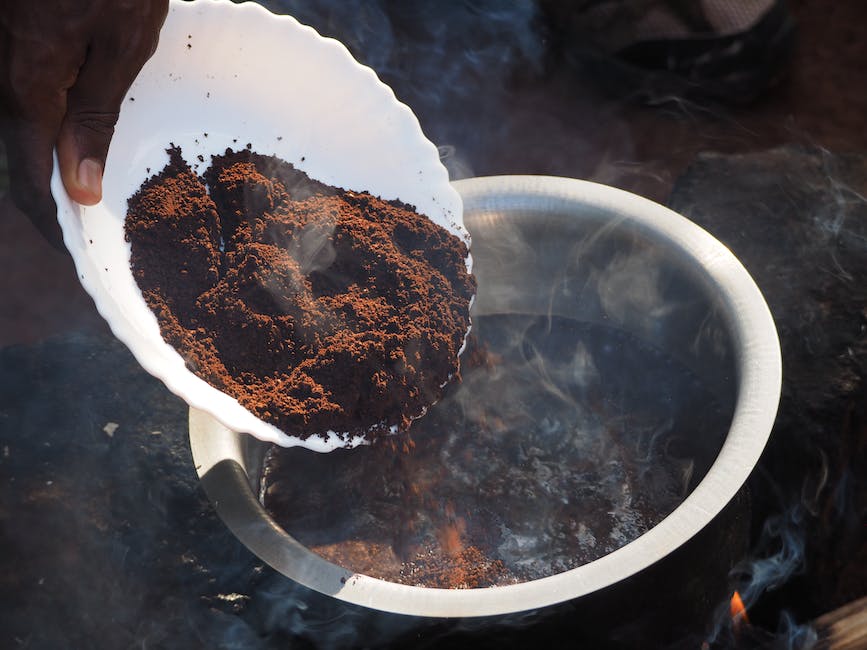
images of coffee production in El Salvador

“El Salvador – where every drop of coffee carries a whole cultural treasure.”

El Salvador: Central American coffee production center

El Salvador is known as one of Central America’s top coffee production centers. The country’s unique topography and perfect climate create an ideal environment for growing high-quality coffee beans. One area that stands out is the so-called ‘coffee triangle’, consisting of Sonsonate, Ahuachapán and Santa Ana. The lush valleys and mountain slopes of these areas provide ideal conditions for coffee growing.

The beauty of the ‘coffee triangle’

The beautiful ‘coffee triangle’ is home not only to impressive coffee plantations but also to outstanding natural beauty. Here visitors can enjoy breathtaking views of green hills and beautiful waterfalls. Many tourists choose to explore the area on foot or by taking a guided horseback ride to really take in the spectacular scenery.

Tea vs. coffee: El salvador that makes the difference

While coffee is perhaps El Salvador’s best-known export, tea also has a significant place in the country’s history and culture. In fact, El Salvador has a rich tradition of tea growing, and many of the tea plantations that were once abandoned due to the coffee trend have now been reopened to grow quality tea. So if you are a tea lover, you have the chance to discover the delicious flavors of Salvadoran tea during your trip.

How to evaluate coffee from El Salvador

When visiting El Salvador, don’t miss the chance to try the local coffee. To assess and appreciate the quality of coffee, you can use a few simple methods. First of all, check the color of the beans, they should be dark brown and have no defects. Aroma and taste are also important factors to consider – the coffee from El Salvador has a fruity and floral taste with a balance between acidity and sweetness. And remember, the trip to El Salvador is not complete without learning more about the history and process of coffee farming by participating in a guided tour of one of the many coffee fincas.

Meet the people behind the coffee in El Salvador

Behind every cup of coffee from El Salvador are hard-working people who dedicate their lives to making coffee production possible. It gives you an insight into their daily lives and their passion for what they do.

Family-owned coffee plantations: a lifestyle, not a job

Family-owned coffee plantations are common in El Salvador and it is not uncommon for generations of the same family to have worked on the same plantation. Running a coffee plantation is more than just a job – it is a lifestyle that is passed on. Most plantation owners take pride in their work and on their plantation you can expect genuine quality and attention to every detail.

Overcoming the odds: women in El Salvador’s coffee industry

The coffee industry in El Salvador is traditionally dominated by men, but in recent years, more and more women have begun to make their voices heard. Facing challenges and prejudices, they struggle to make their mark in the industry and contribute to the country’s success in coffee production. By visiting the women’s driven and inspiring coffee plantation, you can support their work and learn more about their journey.

Coffee beans and hospitality: how local brewers welcome you

One of the best things about visiting El Salvador is the warm hospitality you will be met with. Local producers take pride in their coffee and are happy to open the doors of their homes to share their passion with visitors. You’ll have the chance to see every step of the coffee process – from bean to cup – and enjoy their hospitality while tasting their delicious brews.

Beyond coffee: El Salvador’s diversity and rich culture

El Salvador is not only known for its coffee. The country has a diverse and rich culture that extends far beyond the coffee business. Explore the historical roots, vibrant art scene and fascinating cultural diversity of this amazing country.

Historical roots: Mayan influences in El Salvador’s culture

The Mayan civilization had a strong impact on the history and culture of El Salvador. With ruins like Tazumal and Joya de Cerén, visitors can get an insight into the fascinating Mayan civilization. These sites offer not only historical learning opportunities but also a chance to experience the mysterious and enigmatic.

Inspiring art scene: creative expression from El Salvador

El Salvador’s art scene is vibrant and inspiring. From street art to modern museums, there’s plenty to explore for art lovers. The country also has many artists working with traditional Salvadoran techniques and materials to create unique and captivating works.

Cultural diversity: an insight into the indigenous Lenca culture

One of the indigenous cultures of El Salvador is the Lenca culture. Their traditions and language still live on in the country and visitors have an opportunity to learn more about their way of life and history. Many local villages welcome visitors and offer an authentic experience of Lenca culture through music, dance and traditional crafts.

Explore natural beauty and urban charm in El Salvador

When you visit El Salvador, you’ll be mesmerized by the natural beauty and dynamic urban charm. From breathtaking landscapes to vibrant cities and a lively surf culture, there’s something for everyone.

The impressive landscapes of El Salvador

El Salvador is known for its impressive natural views. From volcanoes to national parks and mountain landscapes, there are amazing places to explore for adventure enthusiasts and nature lovers. One of the most spectacular sites is the Montecristo Nebula Forest, a World Heritage Site offering a unique flora and fauna.

Not just rural: San Salvador and its urban allure

San Salvador is the capital of El Salvador and offers a dynamic mix of culture, history and entertainment. The city has many museums, churches and art galleries to explore. In addition, there is a lively restaurant and nightlife scene where visitors can enjoy Salvadoran food and music.

Surfing culture in El Salvador: Tackling the waves at El tunco

El Salvador has become a popular destination for surfers from all over the world. With its consistent waves and beautiful beaches, El Salvador attracts both experienced surfers and beginners. El Tunco is one of the most popular surfing beaches in the country and offers excellent conditions to try surfing or to improve your skills.

Hotel and accommodation tips for your trip to El Salvador

When it comes to accommodation options, El Salvador has something for everyone. From luxurious resorts on the coast to charming boutique hotels in the countryside and comfortable apartments and bed & breakfasts in San Salvador, there are options to suit every traveler.

Luxury resorts on the El Salvador coastline

If you want to pamper yourself and enjoy relaxation along the coast, there are several luxury resorts to choose from. These resorts offer great facilities such as spas, private beach access and gourmet restaurants, so you can relax and enjoy the best that El Salvador has to offer.

Charming boutique hotels in rural El Salvador

For an authentic experience of El Salvador’s countryside, you can choose to stay in a charming boutique hotel. These hotels offer comfortable and unique accommodation options that reflect the country’s culture and history. Many of them are also environmentally friendly and promote sustainable tourism.

Comfortable apartments and bed & breakfast in San Salvador

If you want to be close to the hustle and bustle of the city, it’s a good idea to book a comfortable apartment or bed & breakfast in San Salvador. These accommodation options offer a simpler and more relaxed atmosphere while allowing you to explore the city’s sights and attractions.

Enjoying the flavor of El Salvador: food and drinks besides coffee

El Salvador’s gastronomy is rich in flavors and influences from both Indian and Spanish cuisine. In addition to the famous coffee, there are a variety of delicious dishes and traditional drinks that you should not miss during your trip to El Salvador.

Signature foods of El Salvador’s cuisine: from pupusas to yuca frita

One of the most popular dishes in El Salvador is pupusas, which can be described as a kind of corn dish filled with different ingredients such as cheese, beans or meat. Other popular dishes include yuca frita (fried white manioc), ceviche (marinated fish with lime juice) and chicharrón (crispy fried pork).

The best local restaurants to explore in El Salvador

If you want to experience the most authentic Salvadoran food, it’s best to visit the local hooks and street corners where the best dishes are served. You won’t be disappointed with the flavors and traditional cooking methods used.

Traditional drinks in El Salvador: Besides the global coffee

Besides coffee, there are several other traditional drinks worth trying in El Salvador. A popular drink is horchata, which is a sweet and cold drink made from rice and cinnamon. Another traditional drink is tamarind juice, which has a unique and fruity taste. And for those who like something stronger, you can try tasting Salvadoran rum and traditional matches.

Adventures and attractions not to be missed in El Salvador

El Salvador offers a wealth of adventures and attractions for all types of travelers. Explore the country’s ancient sites, active volcanoes and impressive natural wonders to make the most of your trip.

Immortal ancient sites: the Mayan ruins of Tazumal and Joya de Cerén

El Salvador has a rich heritage of ancient sites worth visiting. Tazumal and Joya de Cerén are two of the most impressive Mayan ruins in the country. Tazumal is known for its well-preserved pyramid structures and ceremonial sites, while Joya de Cerén is a unique archaeological site where you can get an insight into everyday life during the Mayan period.

Experience the volcanic landscape of El Salvador: Santa Ana and San Salvador volcanoes

El Salvador is home to several active volcanoes that offer spectacular views and the opportunity for adventure. The Santa Ana volcano is the highest and most impressive with its turquoise crater, while the San Salvador volcano offers hiking and great views of the capital.

Ecotourism opportunities in the Montecristo Nebula Forest and Lake Coatepeque

For nature lovers, there are great ecotourism opportunities in El Salvador. The Montecristo Nebula Forest is home to many rare bird species and has a rich biodiversity. Lake Coatepeque is a scenic lake surrounded by beautiful mountains and is ideal for fishing and water sports.

Images of El Salvador's coffee culture

FAQs – Discover El Salvador: the coffee country with a rich culture

What makes El Salvador one of Central America’s top coffee production centers?

El Salvador’s unique topography and perfect climate create an ideal environment for growing high-quality coffee beans. In particular, the ‘coffee triangle’ area consisting of Sonsonate, Ahuachapán and Santa Ana offers lush valleys and mountain slopes that provide perfect conditions for coffee growing.

What can you experience in the beautiful ‘coffee triangle’ besides coffee plantations?

In the beautiful ‘coffee triangle’ you can also enjoy breathtaking views of green hills and beautiful waterfalls. Many tourists choose to explore the area on foot or by taking a guided horseback ride to really take in the spectacular scenery.

Is there anything else besides coffee that is unique to El Salvador?

Yes, in addition to coffee, tea also has a significant place in the history and culture of El Salvador. The country has a rich tradition of tea growing, and many previously abandoned tea plantations have now been reopened to grow quality tea. There is a chance for tea lovers to discover the delicious flavors of Salvadoran tea during their trip.

Images of Salvadoran traditional artwork and crafts.

Photo by Robby McCullough on Pexels
Photo by Gül Işık on Pexels
Photo by Ryan on Pexels

Continue reading

Posted on

How to soften water yourself

Softening water yourself – Simple methods for home use

“Give yourself the power to soften water and turn it into pure joy for your home.”

How to soften water yourself

Understanding the importance of softening water

Softening water can have many benefits for your household. But before we dive into the techniques to do it yourself, it’s important to understand what it means to soften water and why it’s important.

What does it mean to soften water?

Softening water involves removing or reducing the level of minerals such as calcium and magnesium in the water. These minerals, also known as lime, can cause problems in your household which we will discuss later.

Why should you soften water?

There are several reasons for softening water. Firstly, hard water can damage household appliances such as dishwashers and washing machines. It can also negatively affect our skin and hair, making them dry and lifeless. In addition, hard water can put deposits on our pipes and heating systems, which can reduce efficiency and lead to expensive repairs.

Know the effects of hard water

Hard water can have several negative effects on your household and your body. Let’s take a closer look at some of them.

Negative effects on household appliances

Hard water can cause deposits and wear in household appliances such as dishwashers and washing machines. This can lead to machines becoming less efficient and even breaking down earlier than expected.

Impact of hard water on skin and hair

Hard water can make our skin dry and irritated. It can also make our hair lifeless and difficult to style. By softening water, we can improve our skin and hair care.

Impact on heating systems

If your water contains high levels of calcium and magnesium, it can leave deposits in your heating system. It can reduce efficiency and force you to spend more money on energy to heat your house.

How hard water affects the coffee you brew

If you love brewing coffee, you may not be aware that water hardness can affect the taste. Hard water can reduce the taste of the coffee and make it less rich and aromatic. By softening the water, you can improve the taste of your coffee.

Identifying hard water at home

Before you can start softening the water, it is important to identify whether it is actually hard water you have in your home. Here are some ways to discover it.

Marks to look for in metal tanks and pipes

Check for white or gray deposits that may form on the surface of sheet metal tanks or piping. This can be a sign that your water is hard and that deposits have built up over time.

Test kit to check water hardness at home

If you want to be absolutely sure about the water hardness in your home, you can use a test kit to measure the level of calcium and magnesium in the water. These test kits are easy to use and can help you get a better picture of your water quality.

Techniques for softening water yourself

Now that you know you have hard water and understand its effects, it’s time to find out how to soften it yourself. There are several techniques and methods to choose from.

Use of magnetic water softeners

A popular technique for softening water is to use magnetic water softeners. These devices use magnetic fields to change the structure of minerals in the water, making them less likely to cause deposits.

Installation of an ion exchange device

An ion exchange device works by replacing the calcium and magnesium ions in the water with sodium ions. This helps to reduce water hardness and minimize its negative effects.

Chemical method for softening water

One chemical method of softening water is to add a chemical agent that can bind to the minerals and remove them from the water. This will reduce water hardness and provide a softer water.

Use of water softening filters

A water softening filter is another effective method of softening water. These filters can be installed at the main water source in your home and remove minerals and sediment from the water, resulting in softer water.

Softening water without a water softening system

If you do not have access to a water softening device, you can still use household tricks to soften the water. Boiling the water or adding vinegar can be a temporary solution to reduce the mineral content.

Household tricks to soften water

In addition to the previously mentioned techniques, you can use some household tricks to reduce water hardness. For example, you can use lemon or citric acid to reduce the mineral content.

Maintenance and care of your water softening system

If you decide to install a water softening device in your home, it is important that you take care of it properly to get maximum efficiency.

Regular cleaning and maintenance

To keep your water softening system in top condition, it is important to regularly clean and maintain it. Follow the manufacturer’s instructions to keep the system clean and functioning.

Identify and solve problems with your system

If you notice any problems with your water softening system, such as leaks or reduced softening efficiency, you should fix these problems immediately. Contact a professional if you need help or advice.

Safety measures to follow during maintenance

During maintenance of your water softening system, it is important that you take the necessary safety measures to protect yourself and others from possible injuries. Wear protective equipment and follow the instructions carefully.

Take the next step to soften water yourself

If you are ready to take the next step to soften water yourself, there are a few things you need to do.

Buying the necessary equipment

Depending on the method you choose to soften water, you will need to buy the right equipment and materials. Find out what is needed and get everything before you start.

Installing your water softening device

If you have chosen to install a water softening device, you must follow the manufacturer’s instructions to install it. Make sure you have the necessary tools and knowledge to perform the installation correctly.

Check the efficiency of your water softening system

After installing your water softening device, it is important to regularly check its effectiveness. Carry out measurements and tests to ensure that the system is working properly.

Methods to improve water quality and remove hardness at home

FAQs – How to soften water yourself

How does a water softener work?

A water softener removes minerals and limescale from water through ion exchange. Replacing calcium and magnesium ions with sodium ions reduces the hardness of the water, improving water quality.

How can I use boiling water to soften it?

By boiling the water for a few minutes, you can reduce the mineral and calcium content. However, this is only a temporary solution and works best for small amounts of water when making tea or coffee, for example.

How to use natural agents such as vinegar or citric acid to soften water?

Adding a few teaspoons of vinegar or citric acid to the water and letting it stand for about 30 minutes is an effective method to soften the water. Vinegar and citric acid can also be used to clean faucets and appliances that have been affected by limescale build-up.

How does a limescale removal device work?

A liming device changes the mineral structure of the water using electromagnetic waves. This prevents minerals from getting stuck in water pipes and appliances, leading to a significant reduction in limescale build-up.

Which water softening method is best?

The most suitable method depends on your specific needs and preferences. If you want a permanent solution, a water softener or scale removal device may be best. For smaller amounts of water, boiling or using natural softeners may be sufficient.

Alternative methods to soften water and improve water quality at home

Photo by Photo by Dziana Hasanbekava on Pexels
Photo by Anna Tukhfatullina on Pexels
Photo by Ron Lach on Pexels

Continue reading

Posted on

How to get up in the morning: coffee and other tips

Cheer up in the morning: coffee & more tips!
Energizing morning routine with good quality sleep, caffeine, healthy drinks like green tea and fruit, morning yoga and running, proper nutrition, positive mindset.

“How to get up in the morning is an art that can be achieved with a cup of coffee and a dose of positivity.”

How to get up in the morning

The beginning of a life of morning vigor

For many, the morning is the most challenging part of the day. Getting up and alert straight after waking up can be a struggle, but there are ways to make the morning routine a little easier. Here are some tips on how to get up in the morning and kick-start your day with energy.

The value of sleep for waking up alert

Sleep habits and their impact on morning energy

To be alert in the morning, it is important to have a good quality of sleep. Having regular sleep habits and sleeping enough hours can boost morning energy. Try to go to bed and wake up at about the same time every day and make sure to get 7-8 hours of sleep.

Sleep disorders and other things you want to avoid

Certain factors can disrupt sleep and make it difficult to wake up alert in the morning. Avoiding caffeine, alcohol and heavy meals late at night can help improve sleep quality. In addition, it is important to create a calm and relaxing sleeping environment by keeping the room cool, dark and quiet.

The pleasure of morning ground coffee

The awakening effect of caffeine

Coffee is a classic morning drink that helps many people wake up feeling refreshed and alert. The stimulating effect of caffeine can increase alertness and provide an energy boost in the morning. After drinking a cup of coffee, you can expect increased focus and energy.

Why does coffee contribute to increased alertness?

The scientific explanation for coffee’s stimulating properties is that caffeine blocks the adenosine receptors in the brain, reducing fatigue and increasing alertness. Coffee can help improve concentration and provide an energy boost in the morning.

Alternatives to coffee

Green tea – a healthy alternative

For those who don’t like or can’t drink coffee, there are other drinks that can help boost morning alertness. Green tea is a healthy option with a slight wake-up effect. It also contains antioxidants that can kick-start your day.

Fruit – nature’s own energy booster

Eating a piece of fruit in the morning can give you a natural energy boost. Fruits contain natural sugars and vitamins that can increase alertness. Try eating a banana or an orange for a quick and healthy kick-start in the morning.

Morning exercises for lasting energy

Light morning yoga: start your day with mindful movement

Doing some simple yoga movements right after waking up can increase blood circulation and provide an energy boost. Focus on gentle stretching exercises and deep breathing to gently awaken the body. Morning yoga can help you feel refreshed in the morning and get your day off to a good start.

Morning run: a kickstart to the day

Another effective way to wake up in the morning is to go for a short run. Physical activity releases endorphins and increases blood flow, providing a natural energy boost. Try running in the morning sun to really get your body going and get your day off to the best possible start.

The right nutrients make you feel better

Healthy breakfast: start your day right

A balanced breakfast is essential to feel refreshed in the morning. Make sure you get a good mix of protein, carbohydrates and healthy fats. Eggs, wholemeal bread and fruit are just a few examples of healthy and energizing foods that can help you start your day off right.

The importance of water to stay alert

Drinking enough water is one of the most overlooked but most important factors in getting up in the morning. Water helps to cleanse the body and keep you hydrated, which is necessary to maintain energy levels. Make sure to drink a glass of water right after waking up and continue to stay hydrated throughout the day.

The psychology of being alert in the morning

The importance of a positive attitude

Your mental attitude can have a big impact on your alertness in the morning. Try to wake up with a positive attitude and focus on what makes you happy. Being optimistic and enthusiastic can help you get out of bed with energy and joy.

Morning meditation and its effects on morning mood

Meditation is another effective method to increase morning alertness. By taking a few minutes in the morning to sit in silence and focus on your breathing, you can calm the mind and create a sense of inner peace. Morning meditation can help you become more present and balanced, which in turn can give you a positive start to your day.

Final thoughts on how to get up in the morning

Finding your optimal method for morning alertness

There is no universal method for getting up in the morning, so it is important to experiment and find what works best for you. Try different combinations of sleep habits, drinks, exercise and proper nutrition to see what gives you the best morning energy.

From tired morning to energized start – a journey

Getting up in the morning can be a challenge, but by implementing these tips you can improve your morning routine and get an energized start to your day. Remember, it’s a journey, so be patient and don’t give up. Soon you will be able to wake up refreshed and ready to face the day!

Natural energy boosters for mornings

Frequently asked questions on how to get up in the morning

What is the importance of having regular sleep habits?

Having solid sleep habits is important to boost morning energy. Going to bed and waking up at roughly the same time every day allows the body to adapt to a regular sleep cycle and get enough rest to wake up alert in the morning.

Can caffeine really increase morning alertness?

Yes, the stimulating effect of caffeine can help increase alertness and provide an energy boost in the morning. By blocking the adenosine receptors in the brain, caffeine reduces fatigue and increases alertness, which can improve concentration and boost energy levels.

Are there any healthy alternatives to coffee to boost morning alertness?

Yes, for those who don’t like or can’t drink coffee, there are other drinks that can help boost morning alertness. A healthy alternative is green tea, which has a slight wake-up effect and contains antioxidants that can kick-start your day. Eating a piece of fruit in the morning can also provide a natural energy boost.

How can morning yoga and morning running help boost morning energy?

Morning yoga can increase blood circulation and provide an energy boost by focusing on gentle stretching exercises and deep breathing. Morning running releases endorphins and increases blood flow, providing a natural energy boost. Both methods can help get your body moving and get your day off to a good start.

How does proper nutrition affect our energy levels in the morning?

A balanced breakfast with a good mix of protein, carbohydrates and healthy fats is essential to increase morning alertness. Foods such as eggs, wholemeal bread and fruit can provide healthy and energizing nutrition to start the day off right. In addition, it is important to drink enough water to cleanse the body and maintain energy levels.

Photo by Andrea Piacquadio on Pexels
Photo by Taryn Elliott on Pexels
Photo by cottonbro studio on Pexels

Continue reading

Posted on

Discover the coffee country of Vietnam!

Discover Vietnam – the land of coffee!
Images of Vietnamese coffee farms and unique coffee culture

“Vietnam, where the coffee adventure takes you on a flavorful journey to endless heights.”

Discover the coffee country of Vietnam!

Vietnam as a place

Vietnam is an extraordinary country in many ways. Located in Southeast Asia, it offers a beautiful and varied geography, from coastal cities to mountainous regions and lush valleys. The country is also rich in history and culture, with a fascinating mix of influences from both East and West.

A glimpse into the geography of Vietnam

Vietnam stretches along the coast of the South China Sea and borders China, Laos and Cambodia. The country is known for its beautiful beaches, which attract tourists from all over the world. In addition, the country has mountainous regions such as Sapa and valley regions such as the Mekong Delta, providing a diverse and impressive geography to explore.

The rich history of Vietnam

Vietnam’s history spans thousands of years and has been shaped by a range of cultures and colonial influences. The country has been a place of war and conflict, but also has a deep-rooted pride in its independence. From the Kingdom of Champa to Vietnam’s modern history, the country has a fascinating story to tell.

Vietnam’s proud coffee tradition

When it comes to coffee, Vietnam is a country to be reckoned with. With a long and proud tradition of coffee production, the country is today among the world’s largest coffee producers. Coffee has become an important part of the country’s culture and identity.

The origins of coffee culture

Coffee culture in Vietnam has its roots in colonial times, when the French brought coffee plants to the country. However, it was only after the Vietnam War in the 1970s that coffee production really took off and became an important source of income for the country.

Coffee production in Vietnam

Vietnam is known for producing high-quality robusta coffee. Robusta coffee beans are less susceptible to disease and are more resilient than the better known Arabica coffee beans. This has made Vietnam one of the top producers of robusta coffee in the world.

France’s influence on Vietnam’s coffee industry

The French colonial period left a strong influence on Vietnam’s coffee industry. The French introduced methods of growing and producing coffee, which contributed to the development of Vietnam’s coffee production.

Vietnam’s unique coffee varieties

In addition to the robusta coffee, Vietnam has also developed some unique coffee varieties. One example is ‘weasel coffee’, where the coffee beans mature through the digestion of a captured weasel, resulting in a unique flavor profile.

Experience coffee plantations in Vietnam

Visit to Buon Ma Thuot – the capital of coffee

Buon Ma Thuot, located in central Vietnam, is known as the coffee capital of the country. Visitors can get an insight into coffee production by visiting local coffee plantations and seeing how the coffee beans are grown and processed.

Journey through Dalat – nature and coffee tours

Dalat, a charming town high in the mountains, offers a great combination of scenic views and coffee tours. Visitors can enjoy both beautiful surroundings and learn more about Dalat’s coffee production.

Vinh – the lesser known gem of coffee production

Vinh, a lesser-known town located along the coast of Vietnam, also has a solid coffee production. Here, visitors can experience local coffee farming and get a taste of Vietnamese coffee.

The Vietnamese coffee ritual

Traditional Vietnamese coffee cooking

The traditional Vietnamese coffee brewing involves a special filter and simple kitchen accessories. By using condensed milk and ice, you get the famous Vietnamese coffee flavor with its unique combination of sweetness and strength.

Cultural differences in coffee consumption

In Vietnam, coffee is more than just a drink – it’s a social activity. Sitting in a café and talking with friends is an important part of the Vietnamese cultural tradition. Coffee is a meeting place where people gather to socialize and enjoy the good drink.

The role of coffee in everyday life for Vietnamese

Coffee plays a central role in the daily lives of many Vietnamese. It is a common drink at mealtimes and during work breaks, and serves as a source of energy and enjoyment for many people.

Ca phe trung – Vietnam’s famous egg coffee

The story behind the egg coffee

One of the most unique coffee drinks in Vietnam is egg coffee, also known as ca phe trung. It was originally created during the milk shortage of the 20th century when eggs were used as a substitute.

How to make egg coffee the Vietnamese way

To prepare egg coffee Vietnamese style, brewed coffee is mixed with a sweet egg cream made from egg yolks and sugar. The result is a creamy and tasty egg coffee experience that must be tried when visiting Vietnam.

Coffee trends in Vietnam

The influence of Western coffee culture on Vietnam

In recent decades, Vietnam has become increasingly influenced by Western coffee culture. Cafés and coffee shops serving espresso-based drinks and specialty coffees have grown in popularity, especially among the younger generation.

How you can experience Vietnam’s coffee culture at home

Choosing the right variety of Vietnamese coffee

To enjoy Vietnam’s coffee culture at home, it is important to choose the right variety of Vietnamese coffee. Robusta beans are usually the best choice to recreate the authentic Vietnamese coffee flavor.

Accessories for preparing perfect Vietnamese coffee

To prepare perfect Vietnamese coffee at home, you need a traditional coffee maker, a coffee filter and a glass with condensed milk and ice. These accessories will help you recreate the authentic Vietnamese coffee ritual.

Brewing Vietnamese coffee at home

Brewing Vietnamese coffee at home is easy and doesn’t require much time or knowledge. By following the simple steps, you can enjoy a cup of authentic Vietnamese coffee in the comfort of your own home.

Vietnam ahead – sustainable coffee production

Modernization in coffee production

To meet the demands of sustainable coffee production, Vietnam has implemented modern methods and techniques. Better farming techniques and the use of organic fertilizers are some examples of complementary measures being taken.

Environmental cooperation in the coffee sector

Vietnam’s coffee sector has also worked to promote environmentally friendly practices and collaboration. Initiatives promoting organic farming and recycling of coffee waste have contributed to more sustainable coffee production.

Challenges and opportunities for sustainability in Vietnam

Despite progress, Vietnam still faces challenges in terms of sustainable coffee production. Tackling water management, soil degradation and working conditions are some of the challenges facing the country. Despite this, there is also great potential to improve sustainability and preserve Vietnam’s rich coffee heritage.

Pictures of traditional Vietnamese coffee brewing method

FAQs – Discover the coffee country Vietnam!

Where does the coffee culture in Vietnam originate from?

Coffee culture in Vietnam has its roots in colonial times, when the French brought coffee plants to the country. However, it was only after the Vietnam War in the 1970s that coffee production really took off and became an important source of income for the country.

What are the characteristics of coffee production in Vietnam?

Vietnam is known for producing high-quality robusta coffee. Robusta coffee beans are less susceptible to disease and are more resilient than the better known Arabica coffee beans. This has made Vietnam one of the top producers of robusta coffee in the world.

How did France influence Vietnam’s coffee industry?

The French colonial period left a strong influence on Vietnam’s coffee industry. The French introduced methods of growing and producing coffee, which contributed to the development of Vietnam’s coffee production.

What are Vietnam’s unique coffee varieties?

In addition to the robusta coffee, Vietnam has also developed some unique coffee varieties. One example is ‘weasel coffee’, where the coffee beans mature through the digestion of a captured weasel, resulting in a unique flavor profile.

What are some popular places to visit to experience coffee plantations in Vietnam?

A popular place to visit to experience coffee plantations in Vietnam is Buon Ma Thuot, known as the coffee capital of the country. Visitors can get an insight into coffee production by visiting local coffee plantations and seeing how the coffee beans are grown and processed.

Images of Vietnamese coffee culture and traditional brewing techniques

Photo by foc foodoncam on Pexels
Photo by Jackie Ingraffia on Pexels
Photo by Taryn Elliott on Pexels

Continue reading

Posted on

Start your own coffee shop at home – here’s what you need!

Start a coffee shop at home – everything you need!
home coffee shop design ideas

“The road to a coffee bar at home starts with your own heart and ends with the perfect cup.”

Plan your coffee shop at home

Starting your own coffee shop at home is an exciting idea, and to make it a reality you need a carefully thought-out plan. First of all, you need to visualize your space – where will your coffee shop be located? Is it in the kitchen, living room or maybe a separate place? Then choose the aesthetic that appeals to you most – modern, rustic or perhaps minimalist. Last but not least, you should consider your budget and make sure you have enough money to buy the necessary equipment and ingredients.

Understanding the basics of a coffee shop

Once you have planned your coffee bar at home, it is important to understand some basic principles. Freshness is the key to a good cup of coffee, so make sure to buy fresh coffee beans and grind them just before brewing. Also remember that quality is more important than quantity – aim to offer a few, but really good, coffee options. Take the time to learn the difference between different types of coffee, including their origin and flavor profile.

Selected coffee beans for your home coffee bar

When it comes to choosing coffee beans for your home coffee bar, there is a world of possibilities. You can choose between specialty beans and other beans, depending on the taste experience you want to offer your guests. You can also consider using organically grown beans, supporting certain coffee farmers, buying only from a certain country, and so on. For the really ambitious, there’s the option to roast your own coffee beans, giving you even more control over the taste and aroma.

At White Elk, we are happy to help you choose the right coffee beans for your coffee bar and can offer larger batches of unroasted beans if you want to roast them yourself.

Choose the right coffee machine

A good coffee machine is key to the success of your home coffee bar. There are a number of different types of machines to choose from, such as filter or espresso machines. You can also choose between manual or automatic machines, depending on how much time and effort you want to put in. If you don’t want to invest in a machine, you can also learn how to brew coffee without a machine using simple tools like a kettle and a press pot.

Coffee bar at home: Accessories

To complete your coffee bar at home, you will also need the necessary accessories. Make sure you have all the tools needed to make coffee, such as a good coffee grinder and a coffee brewing tool. Also invest in beautiful and functional cups to serve your coffee in style. You can also get creative and find smart storage solutions for your coffee accessories, such as shelves or cabinets.

Making coffee in style

To give your customers the best coffee experience, it is important to master some basic brewing techniques. Learn how to brew coffee using different methods, such as pour-over or espresso, to achieve different flavor profiles. You can also learn latte art and other presentation techniques to make your coffee drinks even more beautiful and inviting. Don’t be afraid to experiment and create your own signature coffee drink that will impress your guests.

Experience the coffee shop at home to the fullest

To really enjoy your coffee bar at home, it is important to create a relaxing atmosphere. Think about choosing the right music to suit the mood, either calm and relaxing or perhaps more energetic and inspiring. Don’t forget to invite friends and family to coffee tastings to share your passion and create pleasant moments together.

Sustainability in your home coffee shop

As a responsible coffee enthusiast, it is important to think about sustainability within your home coffee bar. Implement recycling strategies to reduce waste and choose environmentally friendly coffee beans that are sustainably grown and produced. Strive to minimize waste and maximize enjoyment both for yourself and the environment.

Taking your home coffee shop to the next level

If you want to take your home coffee shop to the next level, consider attending home coffee courses and workshops to further develop your knowledge and skills. You can also experiment with introducing coffee flavors into your cooking to create exciting and unique flavor combinations. If you really want to deepen your coffee knowledge, you can even plan trips to coffee plantations to understand the origins and history of your favorite drink.

FAQs – Starting your own coffee shop at home – what you need

How can I choose the right location for my home coffee bar?

To choose the right place for your coffee bar at home, you should consider which space is best suited – the kitchen, the living room or perhaps a separate location. Think about accessibility, convenience and the atmosphere you want to create for your guests. Make sure the space has enough room for the coffee machine and any additional equipment.

What type of coffee machine should I choose for my home coffee bar?

There are different types of coffee machines to choose from for your home coffee bar. If you prefer simplicity and speed, an automatic coffee machine might be the right choice for you. On the other hand, if you want to have more control over the brewing process and experiment with different brewing methods, a manual coffee machine may be more suitable. Assess your needs and preferences to choose the right coffee machine.

How can I choose the right coffee beans for my home coffee bar?

When choosing coffee beans for your home coffee bar, you should consider the flavor experience you want to offer your guests. Be sure to choose between specialty beans or other quality beans, and also consider factors such as their origin and flavor profile. If you want even more control over the taste and aroma, consider roasting your own coffee beans.

What tools and accessories do I need for my home coffee shop?

For your coffee bar at home, you need basic tools and accessories. A good coffee grinder and a coffee brewing tool are necessary to make high-quality coffee. Also invest in beautiful and functional cups to serve your coffee in style. You can get creative and find smart storage solutions for your coffee accessories, like shelves or cabinets.

How can I create a relaxing atmosphere in my home coffee shop?

To create a relaxing atmosphere in your coffee bar at home, you can think about details like the right choice of music. Choose music that suits the mood you want to create, either calm and relaxing or more energetic and inspiring. Also invite friends and family to coffee tastings to share your passion and create pleasant moments together.

Home coffee bar aesthetics and accessories

Photo by John Zook on Pexels
Photo by Samson Katt on Pexels
Photo by Helena I on Pexels

Continue reading

Posted on

How long does caffeine stay in the body?

Caffeine in the body: how long does it last?
duration of caffeine effects in the body, duration of caffeine effects individual differences, adaptation of caffeine consumption, sleep disorders, benefits of caffeine

“How long does caffeine stay in the body? Like a welcome guest who doesn’t know when it’s time to leave, caffeine can stick around longer than we think. It is important to be aware that the effects of caffeine can be present in the body for several hours, and that we should be careful with our consumption to avoid sleepless nights and an over-stimulated daily life.”

What is caffeine and how does it work in the body?

Caffeine is a popular substance found in many drinks such as coffee, tea and energy drinks. It is a natural stimulant used by people all over the world to stay awake and boost performance. But how does caffeine actually work in the body?

The role of caffeine in the central nervous system

The main effect of caffeine is to block adenosine receptors in the brain, which increases the production of neurotransmitters such as dopamine and noradrenaline. This leads to the brain becoming more alert and awake.

Caffeine and its effects on the brain

When caffeine reaches the brain, it affects several different processes. It can improve cognitive functions, such as reaction time and concentration, as well as boost mood and reduce feelings of fatigue. However, too much caffeine can lead to anxiety, fear and sleep disturbances.

How long does caffeine stay in the body?

Caffeine metabolism: a deep dive

The body breaks down caffeine through a process called metabolism. This happens mainly in the liver, where caffeine is converted into various metabolites. The half-life of caffeine is about 3-5 hours, which means that it takes about that time for the body to eliminate half of the caffeine that has been consumed.

Variables that can affect the action of caffeine in the body

There are several factors that can affect how long caffeine stays in the body. Among these are your genetics, gender and age, as well as your weight and metabolic rate. In addition, pregnancy and the use of contraceptive pills can affect how long caffeine stays in the body.

Factors affecting how long caffeine stays in the body

Genetic factors

A person’s genetics can affect how quickly caffeine is broken down in the body. Some people may have a faster metabolism, which means that the caffeine is eliminated more quickly from their system. Others may have a slower metabolism and may feel the effects of caffeine for longer.

Gender and age as influencing factors

Women can eliminate caffeine more slowly than men due to biological differences. In addition, age can also affect how the body handles caffeine, as older people often have a slower metabolism.

Weight and metabolic rate

Your weight and metabolic rate can also affect how long caffeine stays in your body. People with a faster metabolism can eliminate caffeine faster than those with a slower metabolism.

Pregnancy and the pill’s impact on the lifespan of caffeine in the body

Pregnant women may find it more difficult to eliminate caffeine from their systems, and the same applies to women taking oral contraceptives. These hormones can affect the body’s ability to metabolize caffeine and can prolong the time it takes for caffeine to disappear from the body.

Caffeine intake and health

Caffeine and sleep problems

Caffeine can have a negative effect on sleep, as it can increase wakefulness and reduce sleep quality. Therefore, caffeine intake close to bedtime should be avoided to prevent sleep problems.

How caffeine can negatively affect your health

Excessive caffeine intake can lead to side effects such as heart palpitations, anxiety, stomach upset and sleep problems. It is therefore important to be aware of your caffeine intake and keep it within reasonable limits.

Potential health benefits of caffeine

Despite its negative effects, caffeine can also have some health benefits. Studies have shown that moderate amounts of caffeine can improve physical performance, boost metabolism and reduce the risk of certain diseases such as Alzheimer’s and Parkinson’s.

How to reduce caffeine in the body

Tips to reduce caffeine intake

To reduce caffeine intake, you can gradually reduce the amount of caffeinated drinks you consume and replace them with decaffeinated alternatives. It can also be useful to be aware of the caffeine content of different foods and drinks to avoid accidental overdose.

Managing caffeine withdrawal

When reducing caffeine intake, some withdrawal symptoms may be experienced, such as headaches, fatigue and irritability. It is important to be aware of these symptoms and allow the body to adapt gradually to the reduction of caffeine.

Conclusion: how to manage and understand the caffeine in your system

Finding your own balance with caffeine

It is important to understand how caffeine affects your body and to find a balance that works for you. This may mean reducing your intake or avoiding caffeine altogether if it is necessary for your health and well-being.

The importance of listening to your body and what it needs

The best way to manage caffeine in your body is to pay attention to the signals your body sends and to adapt your caffeine intake to your individual needs. Listen to your body and do what is best for you.

The effects of caffeine on the body and the duration of its impact

FAQ – How long does caffeine stay in the body?

How long do the effects of caffeine last?

The effects of caffeine usually last around 3-5 hours. After this period of time, half of the caffeine has disappeared from the body, but its effects do not disappear completely.

What factors influence how long caffeine stays in the body?

There are several factors that can affect the duration of caffeine in the body. Individual differences, such as metabolism, play a role in how quickly the body breaks down caffeine. In addition, the intake of other substances, such as alcohol, can affect the duration of caffeine.

Do I need to adapt my caffeine intake to my own body’s needs?

Yes, each person’s reaction to caffeine can be unique. If you want to avoid possible sleep disturbances, it may be best to avoid consuming caffeine late in the day, especially if you are particularly sensitive to its effects. It is important to be sensitive to your own body’s needs and adjust your caffeine intake accordingly.

What is the half-life of caffeine in the body?

The half-life of caffeine, i.e. the time it takes the body to eliminate half the amount of caffeine, is usually 3-5 hours.

Why do the effects of caffeine vary between people?

Caffeine can have different effects on different people due to individual differences and sensitivity to the substance. The body’s reaction to caffeine is unique to each person.

Effects of caffeine metabolism in the body

Photo by Ketut Subiyanto on Pexels
Photo by Kader D. Kahraman on Pexels
Photo by Stas Knop on Pexels

Continue reading

Posted on

A cake with your coffee: more than just an expression

Cake with coffee: more than just an expression
Swedish coffee culture traditional pastries

“A cake with your coffee is a tasty break that enriches your life and provides a moment of everyday luxury.”

The story behind “a cake with your coffee”

In Swedish culture, the expression “en kaka till kaffet” is more than just a coffee ritual. It has a deep historical meaning and has undergone changes over time.

The importance of ‘cake with coffee’ in Swedish culture

The expression “a cookie with your coffee” is a symbol of community and friendship. It’s not just about enjoying a delicious cake with a cup of coffee, but it also has an inherent meaning of sharing moments of joy and togetherness. By “a cookie with your coffee” we mean that little extra that adds a little something to life.

Historical change of expression

In earlier times, when baking and cooking were a major part of women’s responsibilities in the home, ‘a cake with your coffee’ was also associated with the stereotypical housewife life. Going the extra mile was something that was looked up to at a time when women were outside the public workforce. But over the years, the term has changed and become more inclusive, with a broader meaning of offering something extra and creating pleasant moments together.

Real cookies with your coffee

What cakes and buns have we traditionally eaten with coffee?

In Sweden, we have a long tradition of baking and enjoying different kinds of cakes with our coffee. Some popular traditional cakes are cinnamon buns, sugar cookies, and cookies such as oatmeal and chocolate squares.

What new cakes have emerged in recent decades?

Over time, new varieties of cookies have also become popular in Sweden. Examples include macarons, cupcakes and various types of raw food cakes suitable for those who choose a healthier lifestyle.

The importance of the cake variety for the coffee ritual

The type of cake you choose for your coffee can be important to create the right atmosphere. Traditional cakes often convey a sense of security and nostalgia, while new and modern varieties can bring excitement and playfulness.

Cake with coffee in practice

The perfect occasion for a cake with your coffee

Offering a cake with your coffee can be appropriate in different situations. It can be an everyday moment to treat yourself or as a way to show appreciation for someone else. It can also be a welcome addition to family gatherings or festive occasions.

Cookies at work

In many workplaces, a cake with coffee is a tradition that creates a pleasant working environment. Having a short break to socialize and enjoy a good cake with a good cup of coffee can contribute to increased job satisfaction and community.

Cake-eating in the light of health trends

With increased awareness of health and diet, some people have reduced their intake of cookies. This has led many people to look for alternatives that satisfy their taste buds while being healthier, such as gluten-free or sugar-free pastries.

Substitutes for the cake – what could be next?

In a time of constant change and innovation in the food world, substitutes for traditional cakes can also emerge. It could be new baked goods that haven’t yet reached their audience, or perhaps something completely different that takes its place on the coffee table.

Recipes for the most common pastries to go with coffee

Here are some commonly used recipes for pastries that are suitable for coffee time both at home and at work:

Cinnamon buns

Ingredients:
\- 50 g butter
\- 2 dl of milk
\- 25 g yeast
\- 0.5 dl sugar
\- 0.5 tsp salt
\- 1 tsp ground cardamom
\- 7-9 dl of wheat flour

Do this:
1\. Melt the butter in a saucepan, add the milk and heat until finger warm.
2\. Crumble the yeast into a bowl and pour over the lukewarm liquid. Stir until the yeast dissolves.
3\. Add the sugar, salt, cardamom and most of the flour. Work the dough smooth, adding more flour if necessary.
4\. Bake the dough covered for about 30 minutes.
5\. Roll out the dough into a rectangle, spread with butter, sugar and cinnamon.
6\. Roll up the dough from the long side and cut into pieces.
7\. Place the buns on a baking sheet and leave to rise for about 30 minutes.
8\. Bake in the oven at 225°C for about 8-10 minutes.

Sugar cookies

Ingredients:
\- 200 g butter
\- 3 dl of sugar
\- 3 eggs
\- 5 dl of wheat flour
\- 2 tsp baking powder
\- 1 tsp vanilla sugar
\- 1 dl of milk

Do this:
1\. Beat the butter and sugar until fluffy.
2\. Add the eggs, one at a time, beating well between each egg.
3\. Mix the wheat flour, baking powder and vanilla sugar and add to the batter.
4\. Add the milk and stir until smooth.
5\. Pour the batter into a greased and browned pan.
6\. Bake in the oven at 175°C for about 30-35 minutes.

Oat flarn

Ingredients:
\- 100 g butter
\- 1 dl of oatmeal
\- 1 dl of sugar
\- 1 tbsp wheat flour
\- 1 tbsp light syrup
\- 0.5 tsp vanilla sugar

Do this:
1\. Melt the butter in a saucepan.
2\. Mix all the ingredients in the butter.
3\. Press the batter out onto baking paper in small dollops.
4\. Bake in the oven at 175°C for about 8-10 minutes.

Chocolate squares

Ingredients:
\- 200 g butter
\- 4 dl of sugar
\- 2 dl of wheat flour
\- 4 tbsp cocoa
\- 1 tsp vanilla sugar
\- 3 eggs

Do this:
1\. Melt the butter in a saucepan and add the other ingredients.
2\. Pour the batter into a greased mold.
3\. Bake in the oven at 175°C for about 20-25 minutes.

Macaroons

Ingredients:
\- 110 g almond flour
\- 225 g icing sugar
\- 110 g egg white (about 3 eggs)
\- 30 g of sugar
\- Colored pasta paint (optional)

Do this:
1\. Mix the almond flour and icing sugar in a bowl.
2\. Whisk the egg whites and sugar to a firm meringue.
3\. Fold the almond flour mixture into the meringue and mix gently.
4\. Add any pasta coloring and mix.
5\. Spread out small circles on a baking sheet lined with baking paper.
6\. Let the macarons rest for about 30 minutes to create a “crust”.
7\. Bake in the oven at 150°C for about 12-15 minutes.

Cupcakes

Ingredients:
\- 125 g butter
\- 2 dl of sugar
\- 2 eggs
\- 3 dl of wheat flour
\- 1.5 tsp baking powder
\- 1 tsp vanilla sugar
\- 1 dl of milk

Do this:
1\. Beat the butter and sugar until fluffy.
2\. Add the eggs, one at a time, beating well between each egg.
3\. Mix the wheat flour, baking powder and vanilla sugar and add to the batter.
4\. Add the milk and stir until smooth.
5\. Divide the batter into muffin tins.
6\. Bake in the oven at 175°C for about 15-20 minutes.

Go out and bake some delicious cookies for your next coffee break and enjoy the Swedish tradition of “a cookie with your coffee”!

Alternative coffee breads

FAQ – A cake with your coffee: more than just an expression

What does the expression “a cake with coffee” symbolize in Swedish culture?

The expression “a cookie with your coffee” symbolizes community, friendship and sharing moments of joy and togetherness. It’s not just a coffee ritual, but it represents that little extra something that adds a little something extra to life.

How has the meaning of the term changed over time?

In earlier times, ‘a cake with your coffee’ was associated with the stereotypical housewife life and doing little more than the necessary. Over the years, the term has become more inclusive and broader, with the meaning of offering something extra and creating pleasant moments together.

What traditional cakes and buns do we usually eat with coffee in Sweden?

In Sweden, we have a long tradition of baking and enjoying different kinds of cakes with our coffee. Some popular traditional cakes are cinnamon buns, sugar cookies, and cookies such as oatmeal and chocolate squares.

What new types of cookies have become popular in recent decades?

Over time, new varieties of cookies have also become popular in Sweden. Examples include macarons, cupcakes and various types of raw food cakes suitable for those who choose a healthier lifestyle.

What could replace traditional cookies in the future?

In a time of constant change and innovation in the world of food, substitutes for traditional cakes may emerge. It could be new baked goods that haven’t yet reached their audience, or perhaps something completely different that takes its place on the coffee table.

International coffee cake recipes

Photo by ROMAN ODINTSOV on Pexels
Photo by Ioana Motoc on Pexels

Continue reading

Posted on

Benefits of coffee breaks in the company and workplace

Coffee at work: enjoy the benefits | Fika company
Benefits of having coffee breaks in the workplace

“Company coffee breaks are not just a break to enjoy coffee and pastries, they are an opportunity to build stronger teams and foster a positive work culture.”

Fika companies – an important workplace culture

History and origins of coffee culture in Sweden

Fika is an essential part of Swedish culture and we have been making it for hundreds of years. But it wasn’t until around 1910 that we started calling it fika. Fika is so-called backslang where the syllables of the dialectal word kaffi are reversed. This is how the word fika came about. Today, coffee breaks are an important part of the working day and an opportunity for employees to relax and socialize, while getting a much-needed energy boost.

Fika companies – more than just a coffee break

Coffee breaks in the workplace are about so much more than just a coffee break. It is a time for togetherness and community. Sitting down together and enjoying a cup of coffee or tea is an opportunity to get to know your colleagues better, build strong relationships and foster a positive working environment. By offering a company coffee break, the workplace shows that it cares about its employees and their well-being. It can help increase employee motivation and engagement, while creating a good workplace culture.

How coffee promotes workplace culture and work environment

Coffee and team building

Fikatid gives employees the opportunity to get to know each other on a more personal level. It is an opportunity to talk about life outside the workplace, share experiences and laugh together. By fostering a strong team culture, fikan can promote collaboration and increase the efficiency of work teams.

Coffee as a channel for non-formal communication

Coffee breaks provide a relaxed and informal environment where ideas, suggestions and questions can be discussed outside formal meetings. It is a chance for employees to express their views and be listened to. Fostering communication allows companies to access valuable feedback and solve problems more effectively.

Coffee and employee well-being

Taking a break and relaxing with a cup of coffee or tea is crucial to increase employee productivity and well-being. Coffee breaks provide an opportunity to release stress and recover, which in turn can improve concentration and creativity in the workplace. By offering regular coffee breaks, the company shows that it prioritizes the health and well-being of its employees.

Coffee and work performance

How breaks can improve productivity

Studies show that regular breaks, such as coffee breaks, can improve work performance. Taking a short break for a coffee break can help renew energy levels and counter fatigue. After a coffee break, it is common to feel refreshed and more ready to face work tasks in an efficient way.

The role of coffee breaks for creativity and innovation

Coffee breaks provide an opportunity to let your mind wander and take a break from the intense focus on tasks. Research has shown that the best ideas often come when we relax and give our minds a chance to wander. By promoting coffee breaks, the workplace can stimulate creativity and open up to new innovative solutions.

Coffee as a tool for efficient time management

Coffee breaks can also be a time for reflection and planning. Using the break time to organize thoughts and set goals allows employees to use this time in a structured way. The coffee break can serve as a mini-meeting place where tasks are discussed and deadlines are set, which can contribute to a smoother work process.

How to create good coffee in the workplace

Get the best and most out of your coffee break

To get the best and most out of your coffee break, it’s important to create a relaxed and enjoyable coffee environment. Make sure there is comfortable seating and enough space for everyone to sit down and enjoy their coffee. Also, be sure to offer different coffees and teas to meet different tastes and preferences.

Fika label

There are some unwritten rules of coffee shop etiquette that are good to know in the workplace. It is important to be respectful and inclusive towards all employees. Have rules for handling phones and other technological devices during coffee breaks to encourage mutual presence and conversation.

What not to do at fika

Avoid using coffee breaks to discuss controversial or sensitive topics. Keep the discussion positive and professional and avoid creating uncomfortable situations. It is also important to be aware of employee allergies or dietary restrictions and offer options to include everyone.

What should a coffee break contain?

Coffee solutions to make a coffee break in a large workplace

In a large workplace, it can be a challenge to meet the needs of all employees when it comes to coffee breaks. One solution could be to install different coffee machines on different floors or departments to increase accessibility and give employees more choice.

Can you go out for a coffee?

In good weather conditions, it can be nice to take coffee breaks outside. Getting out and enjoying nature and fresh air can help renew energy and provide a break from the cramped office environment. Providing outdoor areas for coffee breaks can be beneficial for the workplace.

Snacks for the coffee break

Fika doesn’t just have to be about coffee or tea. Offering different types of snacks such as cakes, fruit or sandwiches can make the fika even more enjoyable and satisfying. It gives employees the opportunity to choose something that suits their tastes and can create an even more relaxed atmosphere.

The future of workplace coffee culture

How can coffee breaks be adapted to working from home?

With the growing trend of working from home, the coffee shop culture has had to adapt. Instead of gathering in person, coffee breaks can take place on digital platforms, where employees can relax together over a virtual coffee. It can be a way to maintain togetherness and social interactions even at a distance.

Benefits of digital coffee breaks

Digital coffee breaks have their own unique advantages. They can be more flexible and accessible to employees across different geographical locations or time zones. It also provides the opportunity to invite external speakers or experts to the coffee breaks and expand the level of knowledge of staff.

Expectations for future coffee breaks in the workplace

In the future, it is expected that workplaces will continue to value the coffee shop culture and its positive effects on the work environment. It can be an important component in attracting and retaining talented employees. Employers can also become more aware of offering healthy and environmentally friendly coffee options to promote both employee well-being and a sustainable working life.

Benefits of introducing coffee breaks in the workplace

Frequently asked questions – Benefits of coffee breaks in the company and workplace

How does coffee and tea promote workplace culture and work environment?

Fika promotes workplace culture by giving employees the opportunity to get to know each other better and build strong relationships. It also promotes collaboration and increases the efficiency of work teams. In terms of the work environment, coffee breaks allow employees to relax, recover and increase both concentration and creativity in the workplace.

How can coffee breaks contribute to non-formal communication?

The coffee break creates a relaxed and informal environment where staff can discuss ideas, suggestions and questions outside formal meetings. It gives employees the opportunity to express their views and be listened to, providing the company with valuable feedback and increasing the effectiveness of problem management.

How does coffee and tea contribute to employee well-being?

Taking a break and relaxing with a cup of coffee or tea is crucial to increase employee productivity and well-being. It allows them to release stress and recover, which in turn can improve their concentration and creativity in the workplace. By offering regular coffee breaks, the company shows that it prioritizes the health and well-being of its employees.

How can coffee improve work performance?

Regular coffee breaks can improve work performance by renewing energy levels and combating fatigue. Taking a short break for a coffee break can help employees feel refreshed and more ready to face their tasks effectively. In addition, the coffee break provides a chance to stimulate creativity and open up to innovative solutions.

How to create a good coffee shop environment in the workplace?

To get the best out of your coffee break, it’s important to create a relaxed and enjoyable coffee environment. It’s good to make sure there is comfortable seating and enough space for everyone to sit down and enjoy their coffee. It is also important to offer different coffees and teas to meet different tastes and preferences.

Benefits of informal breaks at work

Photo by Cup of Couple on Pexels
Photo by Karolina Grabowska on Pexels

Continue reading

Posted on

How to best clean your coffee maker

Best way to clean coffee makers
the best way to clean the coffee maker with mild dish soap, white wine vinegar and clean water

“A well-cleaned coffee maker puts the flavor in focus and extends the life of your beloved morning kick.”

How to best clean your coffee maker

Are you a real coffee enthusiast? Do you value the taste of freshly roasted and ground coffee and take your morning cup seriously? Keeping your coffee maker clean and in top condition is then of the utmost importance! In this article, we will give you a step-by-step guide on how to clean your coffee machine in the best way, so that you can continue to enjoy the best coffee taste every morning.

Before cleaning

The first step is to prepare everything you need to clean your coffee maker. You will need mild dishwashing liquid, white wine vinegar and clean water. Make sure you also have a soft cloth or sponge at hand.

Descaling the coffee maker

To remove limescale and improve the taste of your coffee, you should descale your coffee machine regularly. Start by filling the water tank with a mixture of half water and half white wine vinegar. Start the brewing process as usual and let the machine run half the cycle. Then turn it off and leave the mixture to work for about 15 minutes to dissolve the lime deposits. After 15 minutes, complete the brewing cycle.

Clean the coffee basket and filter holder

Once you’ve descaled your coffee maker, it’s time to clean the coffee basket and filter holder. Remove the coffee basket and rinse it under hot water to remove any coffee sediment. Use a soft cloth or sponge with a small amount of detergent to clean the filter holder. Remember to rinse them thoroughly and dry them off before putting them back in your coffee maker.

Clean the coffee pot and water tank

The coffee pot and the water tank are two important parts of your coffee machine that also need to be cleaned regularly. To clean the coffee pot, fill it halfway with hot water and add a few drops of washing-up liquid. Scrub the inside thoroughly, then rinse and wipe it dry.

Cleaning the water tank

The best way to clean the water tank is to fill it with a solution of warm water and white wine vinegar. Leave the solution to stand for about 15 minutes to eliminate any dirt and bacteria. Then empty the water tank and rinse thoroughly with clean water.

Regular cleaning and maintenance

Regularly cleaning your coffee machine is essential to maintain its performance and extend its lifespan. It also helps to keep a good taste to your coffee. Follow these steps at least once a month. If you use your coffee machine daily or if the water is very hard, you may need to clean it more often.

After you have cleaned your coffee maker in the best way, you will notice the difference in the taste and quality of your coffee. So make sure to prioritize cleaning and enjoy a perfectly brewed cup of coffee every day!

Effective methods for cleaning coffee makers to maintain taste and quality.

FAQ – How to best clean your coffee maker

How often do I need to descale my coffee maker?

It is recommended to descale your coffee maker at least once a month. If you use it daily or if the water is very hard, it may need to be descaled more often.

How do I clean the coffee basket and filter holder?

To clean the coffee basket, rinse it under hot water to remove any coffee sediment. To clean the filter holder, use a soft cloth or sponge with a little detergent. Rinse them thoroughly and dry them off before putting them back in the coffee maker.

How do I clean the coffee pot and water tank?

To clean the coffee pot, fill it halfway with hot water and add a few drops of washing-up liquid. Scrub the inside thoroughly, then rinse and wipe it dry. To clean the water tank, fill it with a solution of warm water and white wine vinegar, let it stand for about 15 minutes, then rinse thoroughly with clean water.

How can I maintain my coffee machine?

To maintain the performance and extend the life of your coffee machine, make sure to clean it regularly. Follow the steps in the cleaning guide at least once a month. If you use your coffee machine on a daily basis or if the water is very hard, you may need to clean it more often.

What ingredients do I need to clean my coffee maker?

To clean your coffee maker, you will need mild dishwashing liquid, white wine vinegar and clean water. You can use these ingredients to descale and clean different parts of the brewer to maintain its best performance and taste.

The right cleaning routine to maintain the taste and quality of the coffee maker.

Photo by Cátia Matos on Pexels
Photo by Tim Douglas on Pexels
Photo by Valeria Boltneva on Pexels

Continue reading

Posted on

How to grind coffee beans without a grinder

Grinding coffee beans without a grinder – simple guide!
Coffee beans grinding methods without coffee grinder

“Creativity is the best grinder to grind coffee beans without a mill.”

Grinding coffee beans without a grinder – easy ways to do it yourself

Enjoying a cup of freshly made coffee in the morning is a wonderful start to the day. But what if you don’t have access to a coffee grinder? Don’t worry, there are still ways to grind coffee beans without a grinder and get the perfect coffee. Here are some simple methods:

Take the help of a mortar

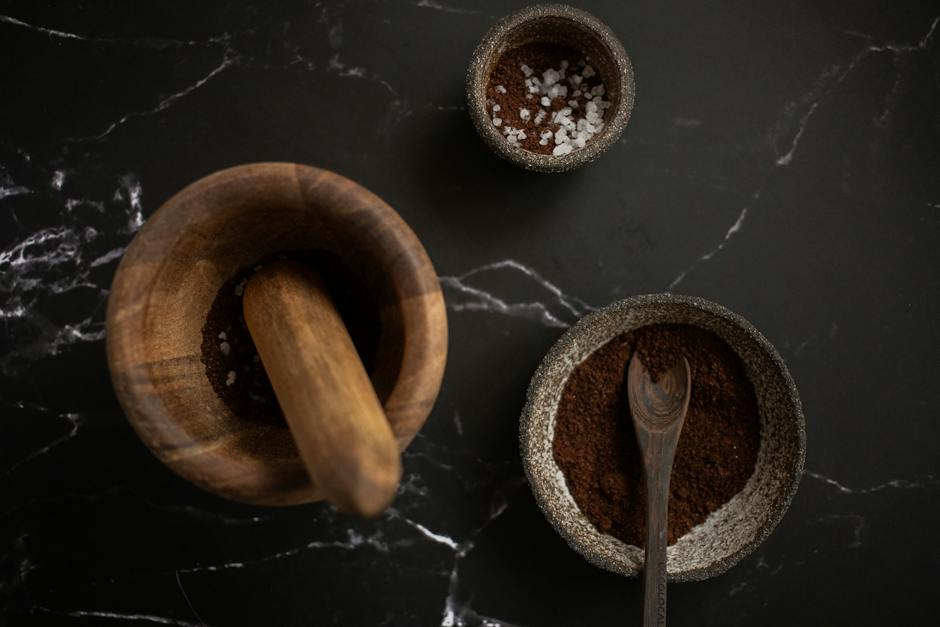
One of the easiest ways to grind coffee beans without a grinder is to use a mortar. It may take a bit of work and time, but the result is still fantastic. Crush the coffee beans using the mortar until you have achieved the desired consistency. Make sure to work in smaller portions to get an even grind.

Hit the beans with a hammer

An alternative way to grind coffee beans without a grinder is to use a hammer or a meat mallet. Put the coffee beans in a cloth bag and place it on a firm surface. Then beat the bag until you achieve the desired degree of grinding. However, be careful not to break the bag.

Visit a coffee roastery

If you really don’t have the possibility to grind the coffee beans yourself, you can always visit a coffee roaster or a specialized coffee shop. They usually have professional equipment and can grind the coffee beans for you. This way you can still enjoy freshly ground coffee at home.

Concluding thoughts

Being able to grind coffee beans without a grinder may not be the optimal option, but it still works in emergencies. By using a mortar and pestle, or by visiting a coffee roaster, you can still make the perfect cup of coffee without having to buy a coffee grinder. So why not try this? Who knows, you might be surprised by the results!

Alternative methods for grinding coffee beans without a coffee grinder

FAQ – How to grind coffee beans without a grinder

How to grind coffee beans without a grinder?

To grind coffee beans without a grinder, you can use a mortar. Crush the coffee beans with the mortar until you achieve the desired consistency. Work in smaller portions for even grinding.

Can I use a hammer to grind coffee beans without a grinder?

Yes, you can use a hammer or a meat mallet to grind coffee beans without a grinder. Place the coffee beans in a cloth bag and gently beat the bag until you get the desired grind.

Are there any alternatives if I cannot grind the coffee beans myself?

If you can’t grind the coffee beans yourself, you can visit a coffee roaster or a specialized coffee shop. They can grind the coffee beans for you with professional equipment, so you can enjoy freshly ground coffee at home.

Is it optimal to grind coffee beans without a grinder?

Grinding coffee beans without a grinder may not be the optimal option, but it works in emergencies or when you don’t have access to a grinder. By using a mortar and pestle, or by visiting a coffee roaster, you can still make a perfect cup of coffee without having to buy a coffee grinder.

Why should I try grinding coffee beans without a grinder?

By trying to grind coffee beans without a grinder, you can discover new and easy ways to make the perfect cup of coffee. It can be an exciting challenge and the result might surprise you!

Methods for grinding coffee beans without a coffee grinder image search

Photo by Lukas on Pexels
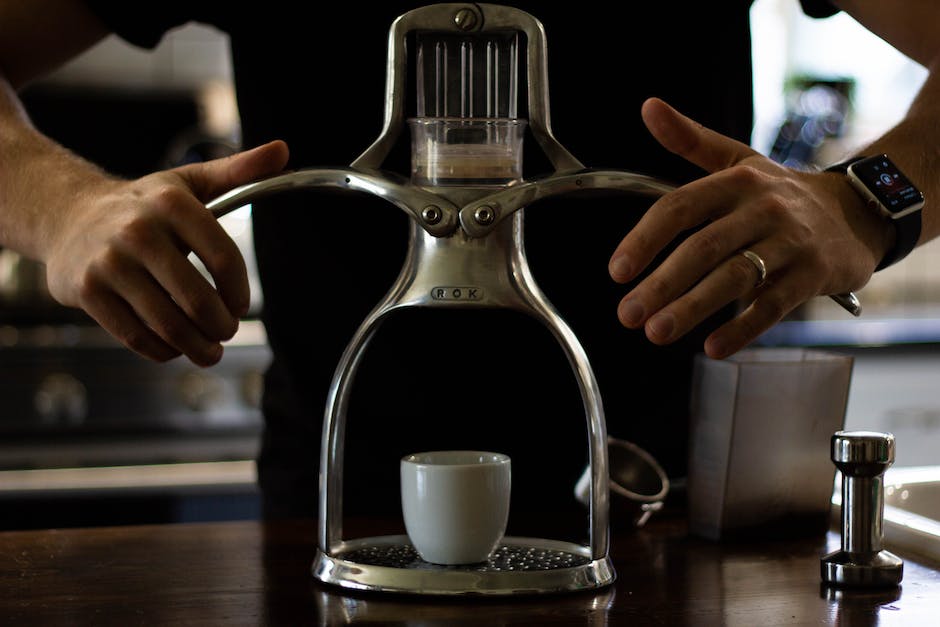
Photo by Skyler Ewing on Pexels
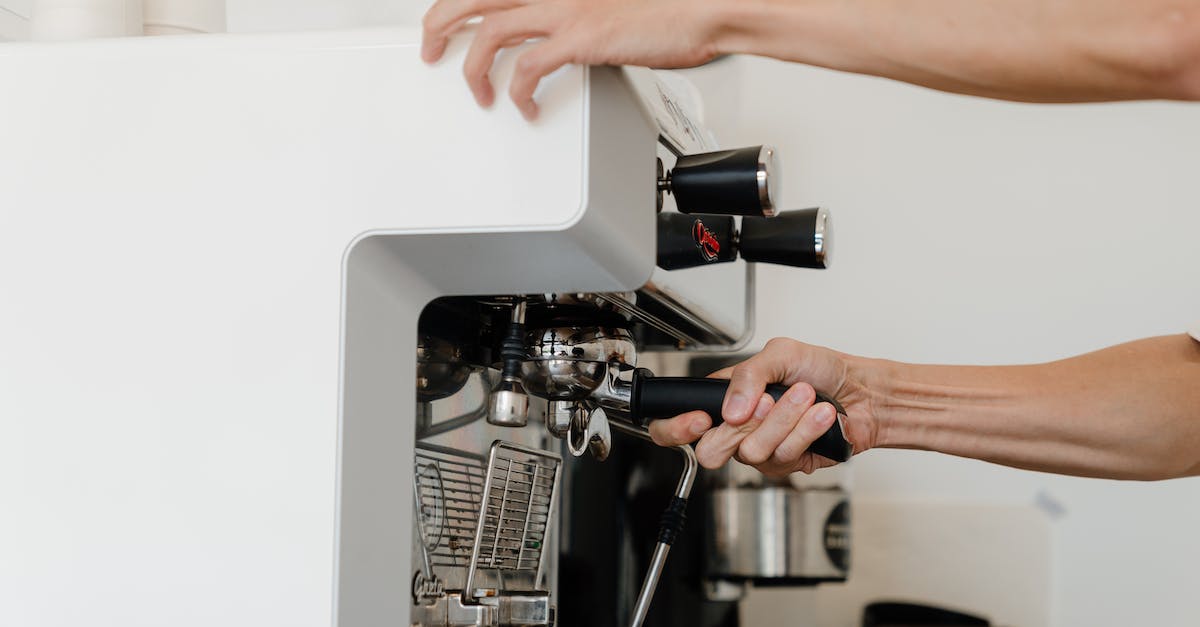
Photo by Tim Douglas on Pexels

Continue reading