Posted on

This is the role pressure plays in the art of espresso brewing

Learn about the role of pressure in the art of espresso brewing
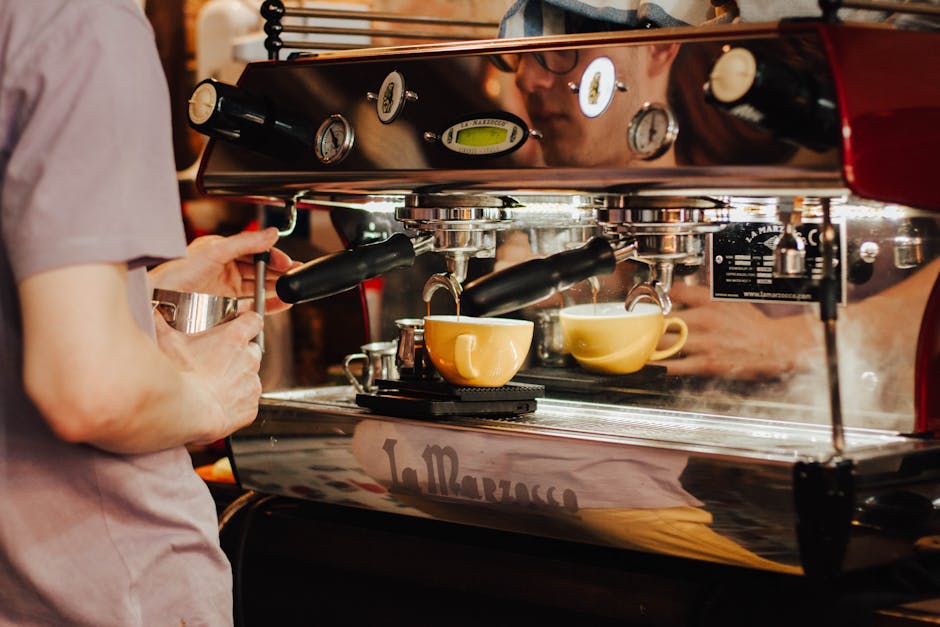
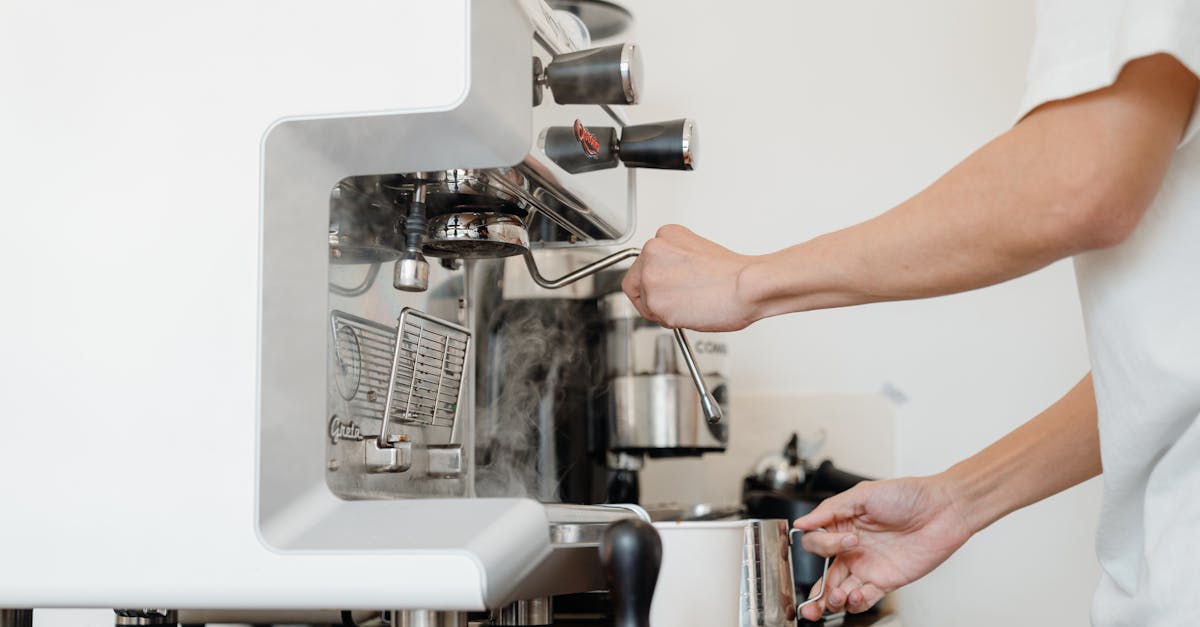
espresso machine bar pressure extraction creamy foam

“In the art of brewing espresso, pressure is not just a gauge of power; it is the conductor orchestrating the symphony of flavor.”

What does ‘pressure’ mean in the world of espresso?

In the world of espresso, the term ‘pressure’ is crucial to understanding how a perfect cup of espresso is made. Pressure, measured in bars, refers to the force used to push the hot water through the finely ground coffee powder. This process is at the heart of espresso making and requires precise control to achieve the right balance of flavors. The ideal pressure is approximately 9 bar. It is this pressure that allows for the efficient extraction of the coffee’s oils and flavors, which are essential for creating a rich and aromatic espresso.

The reason why 9 bar has become the golden standard for espresso brewing is that this pressure has proven to be the most effective in extracting the right flavors and aromas from the coffee. A higher or lower pressure than this can result in an espresso that is either over-extracted and bitter, or under-extracted and watery. Therefore, it is important for both professionals and home baristas to be able to accurately control the pressure to ensure a consistent quality of their espresso.

Emulsifying oils and the perfect cream

One of the most visible effects of the right pressure during espresso brewing is the creation of crema – the thick, flavorful foam that forms on the surface of the espresso. The pressure emulsifies the oils in the coffee, resulting in the desired cream consistency and contributing to a superior taste experience. The crema is not only aesthetically pleasing; it also plays an important role in flavor, as it contains finely dispersed coffee particles and oils that are crucial to the rich flavor profile of espresso.

The crema adds to the espresso experience by making the flavor more nuanced and deep. A perfect crema indicates that the extraction process has been successful, meaning that the pressure has been applied correctly to optimize the flavour extraction from the coffee beans. That’s why baristas and coffee enthusiasts strive to fine-tune their techniques and machines to always produce the ideal quality of crema, which is the sign of a skillfully made espresso.

From beans to rich taste – the role of pressure

Pressure plays a key role in the extraction process, where hot water under high pressure is forced through finely ground coffee. This method helps to quickly but efficiently extract the complex flavors and aromas from the coffee beans. By using a pressure of around 9 bar, one can ensure that the water is pushed through the coffee in a way that extracts its rich flavor profiles without overpowering and thus producing a bitter and undesirable taste.

The fine flavor notes brought out thanks to the optimal pressure are what make espresso a unique coffee drink. The pressure allows a concentration of flavors that would be difficult to achieve with other brewing methods. It is the ability to extract a symphony of flavors from a small amount of coffee that makes espresso brewing an art form. Therefore, knowing how pressure affects coffee extraction is essential for anyone who wants to produce high-quality espresso drinks.

Achieving consistent quality with the right pressure

The importance of constant pressure levels

Maintaining constant pressure is not only important – it is crucial for espresso quality. Because pressure affects how water passes through the ground coffee, the slightest variation can result in a noticeable difference in taste. To brew consistently good espresso drinks, baristas must carefully monitor and adjust the pressure as needed. This involves an understanding of the mechanics of the espresso machine and an ability to fine-tune the settings based on the characteristics of the coffee beans and the desired end result.

For home baristas, this may sound daunting, but many modern espresso machines offer built-in pressure gauges and adjustable settings that allow you to control and customize the pressure more precisely. Investing time in learning how to read these meters and understanding what the adjustments mean can make a big difference in espresso making.

Technology meets taste

The use of modern technology in espresso machines has revolutionized the way we approach the role of pressure in coffee brewing. Innovative features such as pressure profiling allow baristas to fine-tune the pressure during the different phases of the extraction process to tailor the flavor profile as desired. This type of technology is not only reserved for professional espresso machines. Even home baristas can benefit from similar technologies in consumer machines to experiment with and improve their coffee drinks.

Combining traditional brewing techniques with the latest technology allows for a unique opportunity to create espresso drinks with unrivaled taste and quality. By understanding and exploiting the role of pressure in espresso making, home baristas can achieve results that were previously only possible in professional settings. This opens up a world of creativity and taste experiences for coffee enthusiasts everywhere.

Frequently asked questions about pressure in espresso production

Many questions revolve around the ideal standard of 9 bar pressure: “Why 9 bar?” This standard is the result of a long period of experimentation and has proven to provide the best balance point for extracting rich flavors and desirable crema from coffee. It is a balance between being high enough for effective extraction and not too high to avoid negative off-flavors.

Another common question is the difference between machines with different maximum pressure levels. Although some machines can offer higher pressures than 9 bar, it is important to remember that it is the machine’s ability to consistently maintain the ideal pressure that is crucial, and not its maximum pressure capacity. Learning how to adjust and control the pressure based on the specific characteristics of your machine and the coffee you are using will help improve your espresso significantly.

Final words on the magic of pressure in every espresso

Mastering the pressure of espresso brewing is an art form that can take time to learn, but the reward of premium espresso makes the journey worth the effort. Each coffee variety and brewing session offers a new opportunity to explore and discover how subtle changes in pressure can affect the final product. I encourage every espresso enthusiast to keep experimenting, learning and refining in search of the perfect cup. With the right knowledge and tools, every espresso is a chance to reach new heights of coffee art. Take the time to explore the magic of pressure – your coffee drinking will never be the same again.

Factors affecting espresso taste and quality

FAQ – The role of pressure in the art of espresso brewing

What is the ideal pressure for brewing espresso and why is it important?

The ideal pressure for brewing espresso is about 9 bar. This pressure is important because it allows for the efficient extraction of the coffee’s oils and flavors, which produce a rich and aromatic espresso. The 9 bar pressure is the result of a long period of experimentation and has proven to be the best balance to achieve the desired crema and a well-balanced taste.

How does pressure contribute to the creation of crema in an espresso?

The pressure in the espresso brewer emulsifies the oils in the coffee during the extraction process, resulting in crema – the thick and flavorful foam that forms on the surface of the espresso. The right pressure is crucial for this as it ensures that the finely divided coffee particles and oils are properly emulsified, contributing to the complex flavor profile of the espresso and the desired creaminess.

What role does pressure play in the taste of espresso?

Pressure plays a crucial role in extracting the complex flavors and aromas from the coffee beans, contributing to a concentration of flavors unique to espresso. A correctly calibrated pressure ensures that the water is pushed through the finely ground coffee in a way that optimizes flavour extraction, while the wrong pressure can lead to over- or under-extraction and negatively affect flavour and quality.

Can too much or too little pressure affect the quality of espresso?

Yes, a pressure higher or lower than the recommended 9 bar can have a significant impact on the quality of the espresso. Too much pressure can result in an over-extracted espresso that is bitter and has negative off-flavors, while too little pressure can result in an under-extracted and watery taste. Therefore, it is important to carefully control and adjust the pressure to obtain a consistent and high-quality espresso.

How can I, as a home barista, control the pressure during espresso brewing?

As a home barista, you can control the pressure by using espresso machines with built-in pressure gauges and adjustable settings. Investing the time to understand how these meters work and how the adjustments affect the brew can make a big difference to the quality of your espresso. Continuous experimentation and adaptation to the characteristics of the coffee beans and the desired flavor result are also key factors in achieving optimal pressure and thus better espresso.

The importance of bar measurement in espresso brewing

Photo by Pixabay on Pexels

Photo by Valeriia Miller on Pexels

Photo by Jannet Serhan on Pexels

Continue reading

Posted on

A deep dive into the world’s oldest brewing method

Exploring the oldest brewing method in the world – a deep dive
antique coffee brewing techniques, traditional tools, cezve, ibrik, coffee culture, global celebration, UNESCO recognition, handmade brewing methods, flavor profiles, personalized taste journey, cultural heritage

“Exploring the oldest brewing method is like flipping back through the most aromatic chapters of humanity, where every drop tells the story of our quest for refinement and community.”

The ancient art of coffee

Cezve, ibrik and briki are not just kitchen utensils; they are symbols of an ancient tradition of coffee making that binds generations and cultures together. Considered to be some of the oldest tools in the world for brewing coffee, these vessels have been used for centuries to create a beverage that is so much more than just coffee. It is a ritual, an art form and an expression of hospitality. The origins of the method in the Middle East and its spread through the Ottoman Empire have played a crucial role in the development of coffee culture globally. It is not only the story of a drink, but also the story of people’s encounters, cultural exchanges and the social role that coffee has played throughout the ages.

Even UNESCO has recognized the deep cultural significance of this coffee brewing method. Since 2013, Ottoman mocha and Turkish coffee culture have been inscribed as Intangible World Heritage Sites, underlining its place not only in the history of coffee but also as an important part of the world’s cultural heritage.

Tradition meets competition

The ancient art of brewing coffee with cezve or ibrik has not only survived centuries, but has also found a place on the global competition scene. First introduced in Cologne in 2009, the Cezve/Ibrik Championships is an arena where baristas from all over the world showcase their skills in this traditional brewing method. The competitions are more than just a display of technical skill; they are a celebration of the rich history of coffee culture and its continuing legacy. By highlighting this ancient brewing method, the competitions combine tradition with innovation, underlining the versatility of coffee culture and its ability to still inspire passion and craftsmanship.

The way of coffee from Mocha

The name ‘Mocha’ is for many today synonymous with a certain coffee drink, but few know its historical connection to the port city of Mocha in present-day Yemen. It was here, in the 16th and 17th centuries, that the coffee trade flourished, helping to spread coffee beans and brewing methods around the world. This rich history of trade and cultural exchange formed the basis of coffee’s global journey – from Mocha to all corners of the world. This link between name and place is not only an interesting historical note, but also a reminder of coffee’s deep roots and its importance as a cultural link connecting peoples and nations.

From cups to capsules

The history of coffee brewing is a fascinating journey from the 19th century to our modern times. We have seen everything from the refinement of the filter coffee invention, which revolutionized the way we consume coffee by separating coffee grounds from the finished beverage, to the introduction of the first electric filter coffee machine by Gottlob Widmann in 1954. Since then, technological advances have continued to transform the coffee experience, from advanced espresso machines to user-friendly capsule systems. These innovations have undoubtedly helped make coffee more accessible and easier to enjoy. Despite this, there is a growing desire among many coffee lovers for more authentic and traditional brewing methods that offer a deeper connection to the culture and history of coffee.

Is the tradition coming back?

There is a growing trend among coffee enthusiasts to rediscover and embrace the hand-powered brewing methods. This revived interest in traditional coffee brewing, including the use of cezve, ibrik and briki, reflects a desire for authenticity, craftsmanship and a deeper experience of coffee drinking. This movement away from mass-produced coffee and towards more personalized and carefully crafted coffee shows that even in our high-tech world, there is still a place for tradition and history in our daily coffee drinking.

The endless journey of taste

Different brewing methods can dramatically affect the flavor profile of coffee, opening up a world of taste experiences. By experimenting with different techniques, from the timeless art of brewing in a cezve to modern methods like espresso or pour-over, coffee enthusiasts can discover new dimensions of flavor. Each method adds its unique nuances and accentuates different aspects of the coffee bean, making the journey through the coffee flavor landscape both fascinating and endless. Exploring this diversity not only gives a greater appreciation for coffee itself, but also for the many cultures and traditions that have contributed to its development.

The personal choice of coffee

Ultimately, the choice of brewing method is about exploring and identifying what suits your taste preferences best. By experiencing the different ways of brewing, you can deepen your understanding of coffee and develop a more personal connection to this beloved beverage. Whether you prefer the rich and full-bodied flavor of a traditionally brewed cezve or the clean and clear flavor profile of a filter-brewed coffee, the beauty of coffee brewing lies in its variety and the almost endless possibilities for personalized taste experiences. So take the chance, experiment with different methods and find the one that speaks to you. The world of coffee is yours to explore.

The art and creativity of coffee making

FAQ – A deep dive into the world’s oldest brewing method

What are the oldest tools for making coffee and what are they called?

Cezve, ibrik and briki are some of the oldest vessels used by man to brew coffee. These classic tools are deeply rooted in the coffee-making tradition and have been used for centuries to prepare coffee in a way that connects cultures and generations.

What does it mean that Mocha and Turkish coffee culture are listed as Intangible World Heritage?

Since 2013, the Ottoman mocha and Turkish coffee culture are recognized as Intangible World Heritage by UNESCO. This confirms the deep cultural significance of this coffee brewing method and its role not only in the history of coffee, but also as an important part of our global cultural heritage.

How have the Cezve/Ibrik championships affected the perception of the traditional brewing method?

The Cezve/Ibrik Championships, first introduced in Cologne in 2009, have helped to honor and keep alive the traditional art of coffee brewing. The competitions showcase the technical know-how and passion for this craft, also highlighting the richness of coffee culture and its continued relevance in today’s society.

What makes traditional coffee brewing methods appealing today?

Although we live in an age of technological advancement and rapid availability of coffee, many coffee lovers are looking for a deeper and more authentic brewing experience. Traditional methods such as cezve or ibrik offer just that, allowing a connection to the history and cultural significance of coffee that modern methods can rarely match. This yearning for tradition is reflected in the revived interest in hand-powered and carefully executed brewing methods.

Which brewing method should I choose to suit my taste preferences?

Ultimately, your choice of brewing method is a highly personal matter. The best way to decide which method is right for you is to explore and try it out. Each method, from traditional cezve to modern pour-over or espresso, offers unique flavor profiles and experiences. By experimenting with different brewing methods, you can develop a deeper understanding of coffee and find the taste you prefer most.

Explore modern coffee brewing innovations and techniques

Photo by Svetlana Ponomareva on Pexels

Photo by Ashford Marx on Pexels

Photo by Efecan Efe on Pexels

Continue reading

Posted on

How to make cold brew coffee at home

How to make cold brew coffee at home – follow these simple steps
cold brew coffee, mild and low acidity, homemade brewing, perfect for hot days, adjustable strength and sweetness, perfect equipment, fast cold coffee, lovingly brewed pot, versatile and customizable coffee solution

“Enjoy refreshing elegance in every sip – homemade cold brew coffee combines tradition and trend for a refreshing break in everyday life.”

Treat your taste buds to cold brew coffee

Cold brew coffee is a breath of fresh air for coffee lovers, and its popularity continues to grow. Cold brewing is the technique of brewing coffee without heat, which produces a smoother and more nuanced taste than the one we get from the usual instant cup. The mildness and low acidity of this coffee make it a perfect option during the warmer months of the year. While traditional brewed coffee can tend to contribute to dehydration, cold brew varieties tend to be more gentle on the body when the sun is beating down. The difference is also in the preparation – no hot water here!

The quick solution for iced coffee – instant coffee with a chilled twist

Yes, you can definitely make coffee with cold water! And the convenience of instant coffee is indispensable when time is short. Mixing instant coffee powder with cold water or milk is child’s play and can take as little as five minutes. However, the taste experience often falls flat in comparison to freshly brewed coffee. This is where cold brewing comes in as a lifesaver to deliver an extended and richer flavor profile.

Get in the spirit with homemade cold brew coffee

Making cold brew coffee at home is a fun brewing experience. Start by choosing the right roast and grind, as this will lay the foundation for your coffee brew. And here’s how you do it: you measure out the beans, grind them, pour the ground stuff into a jug, fill with cold water, stir, and let your brew flirt with the water molecules for an 8 to 12 hour dance. Patience is the key here; no sunlight, no rush.

The grinder and the pot – the heroes of your coffee cabinet

Your choice of grinder and pot plays a major role in cold brewing. The right grinder will give you the optimal grind for your cold brew adventure. Choose a burr grinder for the best precision and use a jug that makes it easy to both mix and later strain your brew. Keep in mind that coarse grinding is preferable as it ensures even extraction.

Patience is a coffee lover’s new best friend

The brewing time can be seen as a kind of meditation. The 8 to 12 hour wait is necessary for the coffee to fully blossom in flavor. It’s the wait that unleashes that velvety, rich profile that cold brew coffee is known for.

Personalized touch in your cold brew coffee

The best thing about cold brew coffee is that you are the conductor. Do you want it stronger? Brew longer. Do you want it sweeter? Add some honey, agave syrup or maybe a teaspoon of cinnamon. Milk, or milk products, or nothing at all? The choice is yours!

Everyone has different taste buds, and to complete your coffee experience, you can experiment with different sweeteners or flavorings. A few drops of vanilla extract, a sprig of fresh mint or why not some coconut milk to bring out an exotic flavor profile?

Get to know the finer points of cold brewing

Diving into the world of cold brewing can be an exciting journey. When you feel ready to take your cold brew to the next level, take a look at different brewing vessels or cold brew machines designed specifically to bring out the character of coffee when cold brewed. Experimenting with brewing times and temperatures can also add new dimensions to your drink.

Cold coffee for every occasion

With cold brew coffee in your reportoar, you always have a brew for every situation. Are you thrown into unforeseen situations where time is short? Well, then maybe instant coffee could be an option. However, we do not recommend it. Instant coffee can never be of the same quality as a specialty coffee that is freshly roasted and ground. So when you can, take your time, refine and fall in love with the process and the result of cold brew coffee made from really good coffee beans. The result is a cup that delights both body and soul, and thanks you for your patience with an unbeatable taste experience.

cold brew coffee ice cream

FAQ – How to make cold brew coffee at home

How to make coffee with cold water?

To make coffee with cold water, you can either mix instant coffee powder with cold water or milk, which is easy and quick. But for a more full and rich flavor profile, cold brewing is preferable. The process for cold brew coffee involves coarsely grinding coffee beans, mixing the grind with cold water in a pot, stirring, and leaving at room temperature or in the refrigerator for 8 to 12 hours before it strains and is ready to enjoy.

Can you use instant coffee to make iced coffee?

Yes, you can use instant coffee to make iced coffee. Simply mix instant coffee powder with cold water or milk, and then optionally add ice cubes for an even cooler and refreshing drink. But note that the flavor will not be as rich and full-bodied as when cold brewing freshly ground coffee.

How long should cold brew coffee stand before it is ready?

Cold brew coffee should be left to brew for about 8 to 12 hours depending on how strong a flavor you want. This long brewing time at room temperature or in the refrigerator helps to develop a more nuanced and complex flavor and makes coffee appear milder and more acidic.

What equipment do I need to make cold brew coffee?

To make cold brew coffee, you’ll need a grinder to grind the beans (preferably a burr grinder for even grinding), a large pot or container to mix and let your coffee brew in, and some kind of strainer to filter out the coffee grounds from the finished beverage. Some cold brew kettles have built-in filters which simplify the process.

How do I store cold brew coffee?

After the coffee has been brewed and the grounds have been strained out, cold brew coffee should be stored in an airtight container in the refrigerator. There it can be kept fresh and enjoyable for up to two weeks. Keeping it cold helps maintain its flavor and extends its shelf life.

Pictures of refreshing iced coffee drinks

Photo by Ánh Đặng on Pexels

Photo by Betül Nur on Pexels

Photo by Charlotte May on Pexels

Continue reading

Posted on

Large pack of coffee beans: Is it for true coffee lovers?

Bulk coffee beans: now even coffee lovers can buy it!
large pack of coffee beans

“Bulk coffee beans: not just a matter of quantity, but an invitation to coffee lovers to dive into the world of aromas and flavors with every brew.”

Large pack of coffee beans: Is it for true coffee lovers?

Welcome to the world of coffee beans

When morning comes and sleep-deprived eyes seek out the first light of day, there is a passionate ritual that awakens the senses. It is the sacred moment to grind and brew a cup of coffee, whose aromas fill the room and promise a new beginning. But how do you make sure you don’t lose that love in the daily grind? Yes, you scale up – bulk coffee beans are the thing for those who know that coffee is more than just a drink, it’s a way of life, and it should never run out.

For the true coffee lover, each coffee bean is like a friend, and when those friends come in larger groups, it should only get better.

What does the size of the coffee pack actually say?

When you are deciding between buying a small, neat package and a larger one, what really determines your choice? For many, it’s a question of freshness and flavor – undoubtedly two vital aspects for the optimal coffee experience. Many people turn their noses up at the idea of buying large packs of coffee beans. But what if you drink roughly the same coffee every day, if you can guarantee the quality of the beans even in bulk, and if you grind just before use? Well, then there are not many obstacles left to really save money (which becomes even more significant if the coffee beans are a rather expensive specialty coffee).

Bulk coffee beans – an economic love story

When it comes to the love of coffee, as many of us know, it can get quite expensive. And the choice to buy large packs of coffee beans is an economically smart move. Imagine, fewer shopping trips, less time wasted on shopping and more time to actually enjoy coffee.

Plus, in the bargain, you get that invaluable sense of security. Because no coffee lover wants to wake up and realize they’ve run out of coffee.

Of course, there is another reason to reduce the price by buying bulk packs of specialty coffees: if you run a café or restaurant, don’t want to compromise on quality, but would like to save a bit of money. If so, contact us directly at White Elk Coffee Roasters, and we will work out a good arrangement just for you.

Quality versus quantity

Now you’re faced with the dilemma: can the quality really last in a large pack?

True coffee lovers can breathe a sigh of relief: our customers are more than happy to tell us about the coffee they bought in bulk from White Elk Coffee Roasters. You don’t have to compromise on quality just because you choose more of the good stuff. With bulk packs of freshly roasted coffee beans that you grind yourself at home, you save money without compromising on freshness and taste.

The storage that turns you into a coffee master

You’ve hit on a big pack of coffee beans, congratulations on the engagement! But now it is important not to waste the love through poor storage. It’s like any good relationship: without the right conditions, passion fades. To extend your love affair with the beans, you need the right containers – vacuum packs or specially designed coffee cans.

Vacuum packs are like a time machine for your beans, they retain their youthful vigor and retain flavors better. A must for those who consider themselves a true coffee master.

Environmental thinking in coffee culture

It’s not just the taste that’s at stake when you step up a gear and choose larger quantities. The environment smiles a little wider when you avoid the smaller packaging that generally consumes more resources. As a coffee lover, there is an environmental responsibility that rests on your shoulders; bulk coffee beans can be your contribution to a greener planet and a more sustainable coffee culture.

The cool thing about being conscious? It’s contagious, and your choice can inspire others to think big – environmentally speaking.

The secret life of coffee beans in bulk

From the remote plantation to taking pride of place on your kitchen counter, the coffee bean has made an epic journey. In bulk, this journey becomes an even bigger fairy tale. But it’s not just the scale that impresses; buying larger quantities gives you the opportunity to influence and support the coffee farmers who live to provide you with quality beans.

Buying from a roaster that takes specialty coffee directly from the producers and also chooses to support fair trade, only makes for better decisions when buying in bulk. Unexpectedly, your big-pack decision can make a positive difference to the people who grow your favorite beverage.

Round-up: Are bulk coffee beans the way to go?

So, have we convinced you yet? Going from small to large packs may seem like a leap for mankind, but for you personally, it could be the step towards a bigger love affair with your coffee. Rethink, rethink, think big – and not just for the sake of taste, but for the sake of your wallet, quality, sustainability and yes, even coffee farmers.

Benefits of buying coffee beans in large quantities

FAQ – Bulk pack of coffee beans: Is it for true coffee lovers?

Can the quality of coffee beans be preserved even in bulk?

Absolutely. Our customers at White Elk Coffee Roasters are very satisfied with the quality of our bulk coffee beans. By buying freshly roasted beans and grinding them just before use, you can enjoy freshness and rich flavors even when buying in larger quantities.

Is it cheaper to buy coffee beans in bulk?

Yes, it is often economically advantageous to buy in bulk. Not only do you save money per unit, but also time and resources that would otherwise be spent on more shopping trips. You also reduce packaging waste, which is better for the environment.

How should I store bulk packs of coffee beans for best freshness?

To maintain the freshness and flavor profile of the coffee beans, storage in vacuum packs or specially designed coffee cans is recommended. These practices help to extend the shelf life of the beans and maintain their quality.

As a café or restaurant owner, can I benefit from buying coffee beans in bulk?

Definitely. For businesses that use large quantities of coffee on a daily basis, purchasing bulk packs can be very cost-effective without compromising on quality. Contact us at White Elk Coffee Roasters to discuss an affordable package customized for your business.

Do I support sustainability and fair trade by buying bulk from White Elk Coffee Roasters?

Yes, by buying our bulk packs you are not only supporting more sustainable consumption through reduced packaging use, but also fair trade as we aim to have a direct relationship with coffee farmers and support their work.

coffee beans in bulk

Photo by Ilo Frey on Pexels

Photo by Ayşenur Sağlam on Pexels

Photo by Jessica Lewis on Pexels

Continue reading

Posted on

Manual coffee grinder or electric coffee grinder – what are the differences?

Manual vs Electric Coffee Grinder: Differences
manual coffee grinder vs electric coffee grinder

“Whether you choose a manual coffee grinder or an electric coffee grinder, the key to a delicious cup of coffee is not only in the bean, but in the experience and precision of the grinding process.”

A duel in the world of coffee: manual or electric coffee grinder

Talk about in-country problems, right? But for the inveterate coffee lover, the choice between manual and electric coffee grinders is as important as choosing between vinyl and Spotify. We’re talking aromas that dance in limbo under your nose and flavors that come on like a carnival in Rio. A manual coffee grinder is powered by muscle and sweat, while the electric counterpart does the work for you. So what makes them different? In short, the manual grinder is your old faithful friend that is always there, while the electric one is like a state-of-the-art drone that does the work for you. Charm meets efficiency and the atmosphere is denser than an espresso shot.

Manual coffee grinder – charmingly traditional

The hand crank is in motion and the coffee beans are being ground. In a manual coffee grinder, you are king or queen of the grinding process. Manual coffee grinders are beautiful, at least we at White Elk Coffee think so. They are like works of art in stainless steel or ceramic, enhancing both the look of the kitchen and the spirit of the person turning the handle. The individual’s touch translates into precision in the grind, creating a consistency that even the snobbiest coffee hipsters in town can’t complain about. The manual coffee grinders can be small and easy to take with you, perfect to throw in your backpack for a weekend trip to the woods or for playtime when the kids have a sports activity.

The benefits of a hand-powered ritual

If you’re looking for precision and want full control over how your coffee is ground, then manual coffee grinding is for you. It’s like a little ceremony every morning – a dance between you and the mill. It’s 100% eco-friendly because it only requires a little muscle and a willingness to get that perfect grind. And let’s not forget – no electricity, no cables, just you and the mill. A manual coffee grinder is an obvious choice for those who want to keep track of their carbon footprint.

If you’re looking for a manual coffee grinder, we think Hario has made a perfect one. You’ll find it among our coffee equipment: Hario Coffee Grinder Mini Slim Plus.

When time is not on your side

But let’s be honest, some mornings you don’t have time to play millwright. Chasing minutes in the morning can make manual grinding feel like an eternity. And if you’re the type to invite a small army home for Sunday coffee, the limited capacity of manual grinders can give you a nervous breakdown before the first cup is served. Plus, with some models, you have to work a little harder to maintain that precise grind you want.

Electric coffee grinder – modern efficiency

Then the electric coffee grinder is perfect in its non-stop productivity and serviceability. At the touch of a button, your coffee grinds itself while you muddle through all the other morning chores. In addition, you can often set the exact grinding degree you want. Looking for that coarse grind for your French press or a fine grind that makes your espresso pop? An electric grinder can do it!

Speed and convenience at the touch of a button

With an electric coffee grinder, you can set the accuracy to one decimal place and the algorithm ensures that the result is exactly the same every time. It’s like having a barista hidden inside the grinder, ready to make your coffee dreams come true. What about versatility? Whether it’s espresso, drip or press, the vast majority of electric grinders work well. It might feel like cheating given how easy it is, but no one will judge you as they sip a cup of silky smooth coffee.

When convenience comes at a cost

But remember, no good comes without evil. Electricity bills are part of the calculation and a stylish electric coffee grinder can cost you a pretty penny to buy. Plus, if you’re the type of person who doesn’t like complicated cleaning instructions, maintenance can feel like a necessary evil. And sure, you don’t get the same pourover romance as with a manual grinder, and sometimes the machine sounds like a jet plane in the takeoff phase. So how much is convenience worth to you? This is a question you need to ask yourself.

Which coffee grinder wins your heart?

Here we are at a crossroads with a coffee grinder in each hand. Your lifestyle, your morning rituals, and your taste buds hold the ballots. Do you prefer a slow morning coffee grinding session as a mindfulness exercise, or are you the slightly more stressed type and want to get the job done quickly and efficiently? Whatever your budget, your coffee consumption and your level of electricity dependence, there is a grinder for everyone. It’s about finding the right one for your needs and never forgetting that the best cup of coffee is the one made with love.

FAQ – Manual coffee grinder or electric coffee grinder – what are the differences?

What are the main advantages of a manual coffee grinder?

The main advantages of a manual coffee grinder are the high precision of the grinding degree and the environmentally friendly aspect of not requiring electricity. The user is given full control over the grinding process, which can contribute to a more uniform and consistent grind. Manual grinders are often made of high-quality materials such as stainless steel or ceramic, durable and easy to take on trips.

How does the grinding capacity differ between manual and electric coffee grinders?

The grinding capacity of manual coffee grinders is usually more limited than that of electric grinders. A manual grinder requires time and physical effort for each round, which can be demanding if you brew coffee in large quantities. Electric coffee grinders, on the other hand, can handle larger volumes of beans quickly and efficiently using electricity and multiple settings.

Are manual coffee grinders really more environmentally friendly than electric ones?

Yes, manual coffee grinders are more environmentally friendly as they are powered solely by hand and require no electricity. This means that they do not contribute to electricity use and CO2 emissions in the same way as electric mills do. This makes them a better choice for environmentally conscious coffee enthusiasts.

Can you get the same consistent grinding rate with a manual mill as with an electric one?

While a manual mill can provide a very uniform and consistent grind, it may require more skill and effort to maintain precise grind settings. Low-quality electric mills can sometimes be less consistent, but high-quality electric mills are usually equipped with advanced settings that achieve consistent grinding with great precision.

What should I consider when choosing between manual and electric coffee grinders?

When choosing between manual and electric coffee grinders, you should consider your lifestyle, how much time you want to spend on the brewing process, your budget and your taste preferences. For those who appreciate a slow morning routine, a manual grinder may be ideal, while an electric model will suit those who prioritize speed and convenience. Also take into account coffee consumption, desired grind size and the availability of electricity when making your decision.

Images of traditional coffee brewing rituals with manual coffee grinders.

Photo by Mateusz Dach on Pexels

Photo by Michael Burrows on Pexels

Photo by Tim Douglas on Pexels

Continue reading

Posted on

How to harvest coffee: Methods with precision and care

Harvesting coffee: Precision & care in the process
coffee harvesting methods, traditional picking, dehulling, mechanization, coffee bush, aromatic coffee, expertise, precision, taste, quality

“Harvesting coffee is not a routine activity; it is an art form that requires precision and care, where the fate of each bean is intimately linked to the final pleasure of the coffee drinker.”

Start your day with a cup of coffee harvesting knowledge

What could be more refreshing than a cup of freshly brewed coffee in the morning? But have you ever wondered what it takes for these aromatic beans to reach your morning cup? In this article, we explore the precision and care behind harvesting coffee, a process that consists of three main methods: picking, shelling and mechanical harvesting. Each method has its unique processes and affects the final product in its own way. The ripening of coffee berries is one of the main roles in this symphony of flavors – and just like grapes, coffee berries must be harvested when they reach their optimal ripeness, ranging in color from green to shimmering red or bright yellow tones. Let’s dive into the fascinating world of coffee harvesting!

Coffee on the branch – a look at the coffee bush

To understand the coffee harvest, we must first look at the basic element – the coffee bush. Embedded inside tiny berries are the coffee beans that eventually end up in our coffee cups. Coffee bushes thrive in tropical climates, often on slopes where sun and shade meet in a way that is ideal for coffee. As the berries ripen, they turn from green to different shades of red and yellow, depending on the variety. Coffee farmers around the world have developed precise techniques to identify when the berries are ready to be picked – an accuracy that has major implications for the taste of the coffee we enjoy.

From bush to brew: different types of coffee berries

Not all coffee berries are created equal. They come in a palette of colors at maturity, which not only tells the grower if it’s time to harvest, but also gives a taste of what flavor profile the different varieties can contribute to the coffee. Recognizing these colors is crucial to the entire harvesting process and is a skill that growers and harvesters develop with years of experience.

Picking: A method for the sake of taste

The method of picking coffee berries by hand is not only traditional, it is also essential for producing the highest quality coffee, especially when it comes to specialty coffee. This labor-intensive method involves workers selecting and picking only the ripe berries with expertise and precision. This selectivity ensures that every coffee berry that ends up in the harvest has reached optimal condition and taste. The process is time-consuming and requires extensive knowledge of the coffee bush and its fruits, but the results speak for themselves – coffee that is rich and complex in flavor.

The role of the harvester in the picking process

The picking process relies on the skill and attention to detail of the harvester. Their ability to quickly identify ripe from non-ripe coffee berries is crucial for the quality of the harvest. A harvester who understands the coffee bush and its rhythm plays an important role in the production of premium coffee and represents the human touch that cannot be replaced by machines.

Remedies: A question of efficiency

The peeling method, or striping, contrasts with picking in its focus on efficiency and quantity. This method involves removing all the berries from the bush at the same time, whether they are ripe or not. This can lead to a mixed harvest where ripe and unripe berries have to be sorted afterwards. Strip tillage is often used where the terrain allows and where time is a factor, for example on larger crop areas that require rapid cultivation.

Quantity versus quality

While stripping is a method that prioritizes speed and quantity over careful selection, it often involves extra work afterwards with sorting to ensure quality. This trade-off between quantity and quality has to be constantly balanced by coffee farmers, especially as demand increases and the market expects high-quality coffee.

Mechanization: The harvest of the future

The mechanization of coffee harvesting can be compared to passing the coffee bushes through a narrow car wash – it is an efficient way to handle large amounts of berries in a short time. Mechanized harvesters help collect the berries by shaking or stripping them from the bushes. The benefits include noticeable reduction in labor and time. However, the disadvantages may relate to how gently the berries have been handled during the process, which affects quality.

The role of machinery in coffee production

In areas where coffee is grown on a larger, industrial scale, machinery has taken a prominent place in production. Efficiency has become a key factor, with machines able to handle large harvest volumes with consistent quality. But the challenge of balancing the impact of machines on the quality of beans remains a central theme in the coffee industry.

The changing rhythms of time: when do you harvest coffee?

Coffee is a global phenomenon, but the harvest season varies depending on the location. These geographical and climatic variations determine the timing of the harvest, which for the coffee farmer means careful planning to maximize both quality and quantity. While some regions undergo a harvest period once a year, others follow several harvest periods, often referred to as main and intermediate harvests.

The diversity of the workforce

Depending on the size and timing of the harvest, the number of harvest workers employed can fluctuate significantly. During the main harvest season, it is common to see an increased number of workers helping with the intensive collection of the berries. This is a period of hard work but also a time for fellowship and cooperation within coffee farming communities.

After harvest: sorting for quality

Once the coffee berries have left the branch, it’s time for sorting – a critical phase to ensure the quality of the coffee. The sorting process is different depending on the harvesting method used. For hand-picked coffee, sorting may involve removing only the few unripe or damaged berries that happened to be present. With stripping and mechanized harvesting, more extensive processes are generally required to separate the good from the bad.

Advanced technology in sorting

With advanced sorting systems using cameras and air pressure, sorting has been revolutionized. These systems can efficiently and quickly separate ripe and intact berries from those that are defective or overripe. Water bath sorting is another method that uses the natural properties of water to sort beans based on their density. Such advanced technologies help maximize efficiency and quality, even in the largest of harvests.

Summary thoughts on the art of coffee harvesting

Harvesting coffee is as much an art as it is a science. It requires in-depth knowledge of the coffee bush and its climate, as well as a sensitivity to the inherent qualities of the raw material. From the careful hand-picking to the more rapid techniques such as grinding and mechanization, each method has its purpose and contributes to the rich tapestry of coffee varieties enjoyed by people all over the world. The next article will focus on the post-harvest process – a continuation of coffee’s journey from bush to brewed beverage.

coffee harvesting technician

FAQ – How to harvest coffee: Methods with precision and care

What are the main methods used to harvest coffee?

The three main methods used to harvest coffee are picking, stripping and mechanical harvesting. Picking means that only the ripe berries that are ripe by hand are selected, the shelling method removes all berries at the same time regardless of ripeness, and mechanization uses machines to remove the berries from the bush.

How does the sorting of coffee berries differ depending on the harvesting method?

Sorting differs depending on the method used for harvesting. When picking berries by hand, sorting tends to be minimal as only the ripe berries are picked. In the case of dehulling and mechanical harvesting, more extensive subsequent sorting is required to separate ripe berries from the unripe and possibly damaged berries.

Why is hand-picking coffee berries important for the quality of specialty coffee?

Hand-picking is important for specialty coffee as it ensures that only the best ripened berries are selected, contributing to a higher quality of the final product. This selectivity during the picking process results in a coffee that is rich and complex in flavor.

How can climate and geography affect the timing of the coffee harvest?

The climate and geographical location of coffee plantations determine the optimal time for harvesting. Variations in climate affect the time when berries ripen, and because of this, different regions may have harvest seasons at different times of the year. Many areas have both main and intermediate harvests to optimize collection and quality.

What are advanced sorting systems used for in coffee production?

Advanced sorting systems combining cameras with air pressure help to efficiently and accurately identify and separate ripe and intact coffee berries from defective or overripe berries. These systems increase the speed and precision of sorting, which is particularly useful for large harvest volumes and helps to maintain a high quality of coffee beans.

Different types of coffee beans

Photo by Michael Burrows on Pexels

Photo by Michael Burrows on Pexels

Photo by Tim Douglas on Pexels

Continue reading

Posted on

Four factors that determine the acidity of coffee

“Coffee and acidity: 4 factors that create the acid”
coffee acid cultivation processing roasting brewing temperature grinding milk balance enjoyment

“Like the terroir of wine, it is a harmony between the origin of the coffee and its processing that determines the dance between coffee and acidity, creating a symphony of flavors in each cup.”

When coffee talks: understanding acidity

Have you ever taken a sip of coffee and felt an exuberant experience that makes your taste buds dance? This article dives into this very phenomenon: the acidity of coffee. We will explore what factors create this distinctive flavor nuance. Is coffee acidic or just elusively sour? We’ll help you recognize and appreciate a tart flavor profile in your next cup of coffee.

The origin of the taste: the role of the coffee variety

Not all coffee beans are created equal – they have a history, a place they call home, and this plays a big part in that acidity we’re talking about. Let’s start by understanding how the acidity in your particular cup of coffee started its journey.

The mountain and the shade – an acidic combination

In the shady slopes of the high mountains, coffee varieties with a sour taste are often found. This is where factors such as altitude and shady plantations come into play, like venues on a stage of flavors. Shade-grown coffee plants and high altitude plantations tend to offer higher levels of chlorogenic acid, citric acid, malic acid, and phosphoric acid, all contributors to coffee acidity. When we compare Arabica and Robusta, it’s like comparing a finely tuned violin to a sturdy drum – Arabica often offers a higher and more seductive acidity compared to Robusta’s more powerful, but less acidic, flavor.

From flower to prayer – the impact of fruit formation

From delicate flowers to juicy berries, the fruit of the coffee is smoothly phased into the final bean form. During this metamorphosis, conditions play a crucial role; humidity, temperature, and the management of the coffee farm can ultimately enhance or dampen the acidity of your morning brew.

More than just a coffee bean: the effects of processing

Processing the coffee bean is the next big step in our delicate dance with acid. It is during this phase that the innermost essences of the coffee berry decide to stay or to flee.

Once harvested, coffee berries are faced with a choice: to be washed, semi-washed, or to dry in the sun. Washed coffee, which undergoes a process of pulping followed by soaking, is a real acid bomb in the flavor profile. It is during these practices that the final acidity level of the coffee bean can be refined and shaped. Each technique has its own enchanting effect on the acidity that we then taste in our coffee.

Sun-drying and washing are like different choreographies for the final flavor presentation of the coffee bean. It is during these procedures that we can adjust the steps that characterize the acidity levels of a cup of coffee. With these methods, we can expect the acidity of a bean to be more pronounced or subtle in the final beverage.

The heat of coffee: the art of roasting

While the beans take their place in the hot roaster, the penultimate act of our acidity journey is underway. Roasting can bring acidity to life or let it settle – let’s explore how it works.

Bright is right for acidity

Light brings life and this also applies to coffee roasting. Light roasting brings out the acidity and evokes flavors that can be described as sharp and almost like the citrus notes we recognize. This light roasting process preserves many of the acids such as malic acid, making light roasted beans much loved among coffee enthusiasts who appreciate a lively and tart cup.

In the hands of the brewer: brewing and taste

Brewing – the final touch where you, as a coffee artist, can paint the picture of acidity in your cup. By fine-tuning the temperature, time, and grind, you have the power to bring out or soften the acidity of the coffee.

Once you’ve brewed your coffee and let it cool down, you’ll notice how the acidity can come out and take over. Temperature plays a major role in the flavor profile of coffee, and the change that occurs as the coffee cools is crucial to the intensity of its acidity. With the right brewing temperature and controlled cooling, you can decide for yourself how much of this flavor dimension you want to offer your taste buds.

The secret of the balanced cup

Looking for balance in your cup? Brewing time and grinding degree are like a duo that, when dancing in perfect harmony, give a cup of coffee its balanced character. To capture your desired level of acidity, try playing around with these factors – a fine grind can enhance acidity while a longer brew time can make the cup’s flavor profile rounder and more complete.

Softer cup with the magic of milk

If you find that your cup is a little too sour or bitter, a splash of milk can be a lifesaver. A splash of milk can smooth out the sharp edges and give your drink a creamier and milder character. It’s a welcome gesture that balances the flavor and will make you look at your cup of coffee with new, loving eyes.

Summarizing the buzz of acidity

Through this deep dive into the acidic world of coffee, we have explored how factors such as cultivation, processing, roasting and brewing individually and together create and influence acidity. There are many ways to influence the taste of coffee, and the fascination with coffee and acidity is shared by many. Now I hope you feel inspired to experiment and share your own experiences. What dance with acidity will you perform in your cup tomorrow?

Exploring coffee acidity and flavor profile

FAQ – Four factors that determine the acidity of coffee

How do growing conditions affect the acidity of coffee?

Growing conditions, such as altitude and whether the plant is shade-grown, directly affect the levels of organic acids in the coffee. Shade-grown coffee plants and plants grown at higher altitudes tend to have higher levels of chlorogenic, citric, malic and phosphoric acids, which contribute to a distinct acidity in the flavor.

Why does washed coffee have a higher acidity?

Washed coffee that has undergone a process of pulping and soaking the beans retains a high acidity in the flavor profile. This is because the washing process preserves the acids responsible for the acidic character of the coffee by reducing the interaction with the pulp during drying.

How does the degree of roasting change the acidity of coffee?

The degree of roasting has a decisive impact on the acidity level of the coffee. Light roasting brings out the acidity and characteristic flavors, such as citrus notes, which can often be attributed to the presence of malic acid. Darker roasts can reduce acidity and promote other flavor profiles, such as bitterness and sweetness.

Why does the acidity of coffee increase as it cools?

As the coffee cools, the acidity may become more prominent as the fresh acidic flavors become more apparent at lower temperatures. This means that the acidity of the coffee can be perceived as stronger and more intense compared to when the coffee is hot.

Can grinding degree and brewing time affect the acidity of coffee?

Yes, milling degree and brewing time are two factors that influence the extraction of flavors and acids during the brewing process. A finer grind can lead to faster extraction and more acidity, while a longer brewing time can result in a more rounded and balanced flavor profile where acidity is more integrated and less prominent.

Improving coffee flavors through brewing techniques and ingredients.

Photo by Irina Iriser on Pexels

Photo by Caio on Pexels

Photo by Ann poan on Pexels

Continue reading

Posted on

The role of soil health in sustainable coffee

Soil health for sustainable coffee
sustainable coffee farming regenerative agriculture biodiversity nutrient-rich soil fertilizer cooperation coffee industry responsible consumption healthy soil

“Soil health is not only the foundation of sustainable coffee production, but also the root of a richer ecosystem where every grain of soil nourishes the aroma and flavor we treasure in every cup.”

Coffee farming meets climate challenges

Growing consumer awareness has led to an increased demand for responsibly produced coffee. People today want to know that their coffee consumption does not harm the environment or exploit the workforce. A persistent focus on the impact of coffee farming has highlighted the importance of sustainable practices. Climate change plays a crucial role in this development, as it has caused systematic disruptions in coffee production over the past four decades, threatening harvests globally.

Coffee farmers across the world are struggling with challenges such as unsettling climate change and varying rainfall patterns, which can lead to unhealthy coffee bean plants. The future of coffee farming is thus in need of regenerative practices, which can transform and create a more resilient agriculture. The market has begun to take a serious interest in these practices, which emphasize healthy soils with high biodiversity to ensure the quality and quantity of the coffee harvest.

Soil well-being – the heart of coffee quality

The understanding of the relationship between soil health and coffee quality is becoming clearer. A healthy soil is the basis for healthy, productive coffee plants. It is therefore crucial that we focus on taking care of the soils where our coffee grows. A healthy soil means that it maintains the right balance of nutrients, has a good structure and rich biological activity. This creates optimal conditions for the development of the coffee bean, leading to better quality and taste experience for coffee lovers worldwide.

It’s essential that we don’t just look at the well-being of the plant, but start at the root, with the soil it grows in. Healthy soils contribute to more robust plants, which in turn can cope with external stressors such as weather fluctuations and diseases much more easily. When we drink coffee, we are enjoying an extension of the health of the planet.

Key factors for a healthy soil

A key factor for healthy soil is a well-balanced nutrient management. Coffee plants require a wide range of nutrients, including nitrogen, phosphorus and potassium, as well as a wide range of micronutrients. Optimal pH is also crucial, as it affects nutrient availability and overall soil fertility. Water management plays an important role in preserving soil structure and preventing erosion. By paying attention to these factors, we can not only promote the health of all living organisms in the soil, but also ensure that coffee beans are grown in the best conditions.

Without a healthy soil biology where microorganisms such as bacteria, fungi and worms thrive, we will see a decline in both the quality and quantity of coffee. Analytical and digital tools that help farmers manage nutrients more precisely are examples of innovations that can significantly boost soil health. These tools can help ensure that each coffee bean gets the best possible conditions for growth.

The role of soil health in crop productivity

A nutrient-rich, well-structured and biologically active soil is a prerequisite for good crop yields. Soil health is at the heart of sustainable coffee farming, and research shows that farmers who focus on regenerative agriculture can see a significant increase in crop productivity. Improved soil health means better water infiltration and storage, reduced erosion and stronger biological activity, which together promote plant growth and production capacity.

Healthy soil not only plays a role in direct production improvement; it is central to adaptation to a changing climate. Carbon sequestration is another important aspect where soil can reduce its environmental footprint. By sequestering more carbon in the soil, the coffee industry can contribute to mitigating greenhouse gas emissions and thus climate change.

Fertilizers that boost soil health

As coffee is harvested, the soil loses valuable nutrients that must be returned to maintain its fertility. Therefore, careful consideration of fertilization is important, where a balanced use of high-quality fertilizers can provide the soil with the nutrients it needs to remain productive. Research on potassium use in Brazil shows great potential in optimizing the use of this important resource.

To achieve the best possible results with fertilizer, it is critical to adapt the application to the specific needs of the soil. Over-fertilization can lead to unnecessary costs and environmental damage, while a lack of nutrients can stunt plant growth and production capacity. The key is to find the right balance.

Working together for healthier soil and better coffee harvests

Healthy agriculture is linked to a strong and stable supply chain in the coffee industry. Investments in soil health can pay off several times over for both agricultural producers and roasters. With better soil health, farmers can see increased incomes through improved harvests and higher quality beans. Roasters, on the other hand, gain access to premium raw materials, making their final product more attractive to consumers.

Resilience and adaptability are necessary qualities of the coffee industry to respond to the threats of climate change. By promoting and implementing practices that support soil health, a foundation is created for growing sustainable coffee. I share the knowledge of these practices with all producers, including women who can account for up to 70% of work in the coffee industry in some regions.

Summary: Soil health as the foundation for sustainable coffee

It has never been clearer that soil health is crucial for the future of coffee. Healthy soil facilitates sustainable coffee farming and helps producers adapt to changing climate conditions. We need to actively make wise choices about our coffee intake and its impact on the well-being of the planet – from the fertilizer used to the farming practices applied.

Whether it’s a small-scale coffee farmer or a large-scale producer, it’s in everyone’s interest to think about soil health. It is a joint effort towards more responsible coffee farming that ultimately leads to responsible consumption and a more sustainable society. So reflect on how your choice of coffee can contribute to a better world – one cup at a time.

Images of coffee farming practices that promote soil health and biodiversity.

FAQ – The role of soil health in sustainable coffee

How does climate change affect global coffee farming?

Climate change has caused increased systematic disruptions to coffee cultivation over the past four decades, resulting in reduced harvests and challenges such as unsettling climate transitions and variable rainfall patterns. These disruptions lead to an increased need for sustainable and adaptive agriculture to secure future coffee production.

What does regenerative agriculture mean for coffee farmers?

Regenerative agriculture involves the use of farming techniques that promote soil health and biodiversity, which are essential for producing high-quality coffee. This practice helps farmers increase the quality and quantity of their harvests, as well as improving their resilience to climate change by supporting soil nutrient balance and structure.

What factors determine soil health in coffee farming?

Soil health is dictated by the availability and balance of nutrients, soil structure and biological activity. Factors such as a well-balanced nutrient management, optimal pH and good water management are critical to grow quality coffee and create a healthy ecosystem for coffee plants and soil microorganisms.

How to improve soil health for sustainable coffee production?

To improve soil health, coffee farmers should use high-quality fertilizers in a balanced way and apply laboratory analysis and digital tools to administer nutrients more precisely. This ensures that nutrients are optimally replaced after harvest and contributes to a healthy soil environment for the coffee plants.

How can investing in soil health benefit both coffee farmers and consumers?

Investments in soil health lead to increased income for coffee farmers through improved yields and higher quality beans, which is reflected in better taste and attractiveness of the final product’s market value. For consumers, this means access to premium coffee whose production supports sustainability and environmental responsibility.

Images of sustainable coffee farming practices that promote healthy soil and biodiversity.

Photo by Christian Heitz on Pexels

Photo by Michael Burrows on Pexels

Photo by Daniel Reche on Pexels

Continue reading

Posted on

How much caffeine is in your cup of coffee?

Caffeine in Coffee: How Much? | Din Guide { “@context”: “https://schema.org”, “@type”: “FAQPage”, “mainEntity”: [ { “@type”: “Question”, “name”: “Hur mycket koffein får man i sig från en kopp kaffe?”, “acceptedAnswer”: { “@type”: “Answer”, “text”: “En kopp kaffe innehåller cirka 95 mg koffein, men kan variera beroende på kaffesort och bryggmetod. Koffeinhalten kan vara så låg som 30 mg i en kopp espresso eller så hög som över 200 mg i vissa större kaffemuggar. Robustabönor har dubbelt så mycket koffein som Arabica-bönor.” } }, { “@type”: “Question”, “name”: “Är det skillnad på koffeinhalten beroende på bryggmetoden?”, “acceptedAnswer”: { “@type”: “Answer”, “text”: “Ja, bryggmetoden påverkar koffeininnehållet. Espresso kan ha högre koncentration av koffein per volymenhet jämfört med filterkaffe, men en standardstor servning av espresso innehåller totalt mindre koffein än en vanlig kopp filterkaffe på grund av serveringsstorleken.” } }, { “@type”: “Question”, “name”: “På vilket sätt påverkar rostningen koffeininnehållet i kaffet?”, “acceptedAnswer”: { “@type”: “Answer”, “text”: “Rostningsgraden har minimal inverkan på koffeininnehållet. En mörkrostat kaffe har inte nödvändigtvis mindre koffein än ett lättrostat kaffe eftersom koffeinhalten förändras marginellt under rostningsprocessen. Rostningen påverkar främst smak och arom.” } }, { “@type”: “Question”, “name”: “Hur länge stannar koffeinet från en kopp kaffe i kroppen?”, “acceptedAnswer”: { “@type”: “Answer”, “text”: “Koffeinet har en halveringstid på cirka 5 timmar i människokroppen. Det minskar gradvis i blodet efter att det intagits, men kan fortfarande ha effekter på kroppen flera timmar efter att kaffet har druckits.” } }, { “@type”: “Question”, “name”: “Är det okej att dricka kaffe strax innan man ska sova?”, “acceptedAnswer”: { “@type”: “Answer”, “text”: “Nej, det rekommenderas inte att dricka kaffe strax innan sänggåendet eftersom koffeinet kan påverka både kvaliteten och varaktigheten av sömnen. Det är bäst att undvika kaffe och andra koffeinrika drycker minst sex timmar före sängdags för att främja en ostörd nattvila.” } } ] }
images of coffee beans, brewing methods, caffeine consumption, insomnia

“Whether your day starts at dawn or the night is young, the key to your energy may lie in how much caffeine your coffee cup really holds. Discover the balance between alertness and well-being in every sip.”

What is it that makes your coffee kick start your day?

Coffee is more than just a hot drink; it is a morning ritual that sets the tone for the whole day. But what is the secret of its stimulating effect? The answer is caffeine – the natural stimulant that marries tea, coffee and cocoa plants.

Caffeine is working hard behind the scenes. Once you’ve sipped your morning coffee, the caffeine starts its journey, stimulating the brain and central nervous system, which send out signals to keep the body awake and alert. It’s a bit like your body getting a conveyor belt of little energy boosts to keep fatigue at bay. Caffeine is a natural fatigue fighter in this respect.

A look inside: what happens when the caffeine kicks in?

Imagine that the caffeine is quickly and efficiently absorbed into your body and then spreads out into the body tissues. It’s like an echo of energy bouncing around your body, bringing every cell to life.

The effects of caffeine are also impressive. Caffeine lifts your mood, increases your metabolism and sharpens your performance. Many times it can be the difference between a good day and a bad one. But caffeine knows when the party is over, the half-life shows when it’s time to pack up and leave the bloodstream so you can eventually start unwinding.

Caffeine reaches its peak level in the blood usually around 15-45 minutes after your first sip of coffee. After that, the caffeine starts to fade out of your system, but it takes a while – you can enjoy the energizing effect for a good part of the day. Caffeine has a half-life of about 5 hours in the human body. So it stays in your body for quite some time after you drink your coffee.

Sleep quality and caffeine – a balancing act

It’s a bit like balancing on a tightrope – research shows that caffeine can disrupt both the quality and duration of sleep. If you drink coffee six hours before bedtime, your sleep will be disturbed during the night. It’s as if the caffeine has made it harder to settle down and find that long-awaited sleep. And we all know how important it is to recharge your batteries!

How much caffeine is in your cup?

The burning question! How much caffeine do you actually get in your morning cup? The answer is that it depends on a number of factors. There are two main players in the world of coffee plants: Coffea arabica and Coffea canephora, which you may know better as Robusta. These two have different personalities when it comes to caffeine – Robusta beans are like little energy bombs with almost twice the caffeine content of their Arabica cousins.

Roasting, on the other hand, plays a minor role in determining caffeine content – it affects flavor, aroma and yes, caffeine to some extent. A dark roast may give a deeper flavor, but it does not reduce the caffeine content. In fact, the amount of caffeine changes marginally during roasting, although many believe that darker roasts mean more caffeine.

The importance of the brewing method

Brewing coffee is an art form, and the choice of brewing method will produce different caffeine contents, simply due to the concentration and amount of water. Espresso, filter coffee, press pot – each brewing method has its own caffeine strength. The brewing method can really affect how much caffeine ends up in your cup.

The surprising benefits of your caffeine intake

It’s not just a kick-start to your day – the caffeine in your coffee comes with some surprising benefits. It can be your personal trainer that improves physical performance as it actually increases fat burning. Research has even linked moderate caffeine consumption to a reduced risk of certain diseases. So the caffeine is not just there to wake you up, it does more than that!

But when you go from benefiting from caffeine to becoming a kind of caffeine zombie, it’s too much of a good thing. It’s like being at a party where everyone is talking too loud and no one can relax. Symptoms such as restlessness, insomnia, irregular heartbeat and nervousness are signs that your body is saying ‘hey, let me rest now! And we should listen – it’s not worth going to excesses with our caffeine intake.

How much caffeine in coffee should you actually drink?

Everyone wants an answer to this: how much caffeine in coffee is okay for me? The WHO and FDA set the limit at around 400 mg per day for a healthy adult – that’s about 3-4 cups depending on the strength of the coffee. So, calibrate your coffee intake and adapt to your own body and health condition.

Drinking coffee wisely – final tips for the caffeine lover

Finally, for the coffee lover, here are some great tips. First of all, keep an eye on the clock – avoid caffeine in any form after lunch for a good night’s sleep. And remember: moderation is key. Coffee and caffeine are great, but as with everything in life, enjoy in moderation.

Pictures of coffee cup with moderate caffeine consumption

FAQ – How much caffeine is in your cup of coffee?

How much caffeine do you get from a cup of coffee?

The caffeine content of coffee varies depending on the type of coffee and the brewing method. Generally, a cup of coffee contains around 95 mg of caffeine, but can vary from 30 mg in a cup of espresso to over 200 mg in some larger coffee mugs. Robusta beans usually have twice as much caffeine compared to Arabica beans.

Does the caffeine content differ depending on the brewing method?

Yes, the brewing method has an impact on the caffeine content. Espresso may have a higher concentration of caffeine per unit volume compared to filter coffee, but a standard-sized serving of espresso (about 30 ml) contains less caffeine overall than a standard cup of filter coffee (240 ml) due to the serving size.

How does roasting affect the caffeine content of coffee?

The degree of roasting mainly affects the taste and aroma of the coffee and has less impact on the caffeine content. A dark roast coffee generally has no less caffeine than a light roast coffee – the amount of caffeine changes marginally during the roasting process.

How long does the caffeine from a cup of coffee stay in the body?

Caffeine has a half-life of about 5 hours in the human body. This means that the caffeine gradually decreases in the blood after the initial intake, but it can still be present and have effects on the body several hours after drinking the coffee.

Is it okay to drink coffee just before going to sleep?

No, it is not recommended to drink coffee just before bedtime as the caffeine can interfere with both the quality and duration of sleep. It is best to avoid coffee and other caffeine-rich drinks at least six hours before bedtime to promote an undisturbed night’s rest.

Images of people enjoying a cup of coffee in moderation.

Photo by Caique Araujo on Pexels

Photo by Wouter de Jong on Pexels

Photo by Jonathan Borba on Pexels

Continue reading

Posted on

The season of coffee – the journey of taste from plantation to cup

Coffee season: from plantation to cup
Seasonal coffee production process and flavor profile

“The season of coffee is not just a period of the year, it is a journey through time and taste, where each drop tells the story of its origin and the care taken from plantation to your cup.”

Coffee season – a guided tour from plant to cup

To understand the season of coffee is to appreciate the journey this versatile beverage undergoes, like nature’s own work of art, with each step contributing to the final expression of the canvas. The concept of coffee seasonality is yet another fascinating factor that coffee lovers can explore to enhance the taste experience. Just as wine speaks of vintages, coffee carries a story from its origins that shapes its character.

Personally, I will never forget my first cup of coffee made from freshly roasted, seasonal harvest. It is a symphony of flavors that changed with the season and made me more aware of the multifaceted qualities of coffee. That’s when I became convinced that the season plays a crucial role in the coffee experience.

When the coffee berry ripens – the coffee calendar around the world

Around the world, coffee harvests take place at different times. During the winter, coffee lovers can enjoy Peruvian coffee in its full splendor, while spring and summer present us with prized harvests from Ethiopia. The coffee season is not only a matter of taste, but also a complex calendar dictated by the conditions of nature.

Timing is essential. Picking coffee beans too early or too late can lead to a lack of aroma or an unbalanced flavor profile. That’s why it’s so important to harvest coffee at its best – when the berry is fully ripe and ready to delight our senses.

Coffee in the latitudes – sun and shade in the lives of coffee farmers

The geographical location of coffee plantations has a huge impact on the harvest. In equatorial areas, where sun and rain alternate rhythmically, we find optimal conditions for the growth of coffee. But the sensitivity of coffee plants is also strongly linked to altitude, temperature and the challenges of changing shade and sun throughout the day.

From coffee berries to coffee beans – the impact of the process on your morning brew

From the moment the coffee berry is harvested, it goes through a rigorous processing procedure. This includes steps such as picking, sorting, preparation, drying and, not least, transportation to roasters around the world. Every single step leaves an imprint on the coffee bean’s flavor profile, a dance where every movement must be in harmony for the coffee brew to be perfect.

All these steps are crucial to ensure that the coffee retains its quality all the way to the consumer. Dried and unlabeled coffee beans do not lose quality quickly, but to maintain a full-bodied flavor profile, it is important that the entire coffee process is managed carefully and with respect for the raw material.

The role of roasteries in the taste journey

Roasters need to keep up with the seasonal movement of coffee to ensure the consistent quality of their products. They adapt their sourcing and brewing methods to the coffee in season, so that the best beans can always be fully exploited. Many roasters use blends to create a consistent and recognizable taste all year round.

Evoking perfection – the art of roasting beans

The roasting process can be likened to alchemy – an art where temperature and time are transformed into an explosion of flavors. The roaster has to fine-tune the process to highlight the particularities of each season. As the quality and character of the coffee bean varies with the season, this means a constant challenge for the roaster to match the desired flavor profile.

Crop quality varies and weather changes such as unexpected rainfall can have a major impact on coffee bean characteristics. This forces the roaster to be flexible and innovative to deal with these variations.

When the weather gods play games with the harvest

Weather is an unpredictable factor that can turn the whole harvest calendar upside down. For example, early rain can speed up the ripening process and force an earlier than expected harvest. These unexpected weather changes require quick adaptation from everyone in the chain, especially the roasters who must maintain appropriate flavor profiles.

The price of a cup – the market response to seasonal fluctuations

The coffee market is highly seasonal and this is reflected in pricing. Higher costs for the best harvests of the season are often the result of laborious work with perfect timing and treatment. At the same time, factors such as weather and quality mean that the price can fluctuate, making the price of coffee a reflection of the whims of nature and the hard work of coffee workers.

How you as a consumer can make a difference

As a consumer, you have the power to influence through your purchasing choices. Choosing coffee based on season and quality not only supports farmers who follow the rhythms of nature, but also a sustainable coffee culture. Buying freshly roasted beans and storing them properly is also the key to a sustainable taste experience at home.

Keeping the taste alive – proper storage of coffee beans

The storage of coffee beans is of utmost importance to preserve their flavor. Coffee beans should be stored in a tight and opaque container at room temperature, protected from light and moisture. This way you can extend the life of your coffee flavour and optimize your coffee moments. Investing in beautiful and practical storage solutions will ensure that every cup you brew completes the seasonal journey of coffee.

Seasonal coffee production and geographical conditions affecting the flavor profile.

FAQ – Coffee season – the journey of taste from plantation to cup

How do the seasons affect the availability of different types of coffee?

Different seasons mean variation in the types of coffee available. During the winter, we often find a greater variety of coffees from Peru, thanks to the harvest season there. In spring and summer, supply from Ethiopia increases instead. This is because harvest times vary in different parts of the world, influenced by geographical location and climatic conditions.

What makes coffee from Peru particularly accessible during winter?

Coffee from Peru is particularly available during the winter as this is the period when the harvest reaches its peak in the country. The climatic conditions in Peru make the coffee bean ripening process coincide with the northern hemisphere’s winter season, allowing us to enjoy fresh Peruvian coffee during this time of year.

Why is it important for roasters to adapt to the season?

It is important for roasters to adapt to the coffee season in order to maintain a high and consistent quality of their products. By sourcing beans that are in season and adjusting their roasting methods, they can take advantage of each variety’s unique characteristics and ensure the best possible taste. This also means that they need to be flexible and able to cope with variations in crop quality and roasting process, for example due to sudden weather changes.

How do weather changes affect the roasting process of coffee beans?

Sudden weather changes, such as unexpected early rains, can greatly affect when coffee beans are harvested, which in turn can affect their quality and characteristics. This forces roasters to be adaptable and innovative in their approach to roasting the beans, as each seasonal variation requires an adjustment of the roasting process to maintain the desired flavor profile.

How can I, as a consumer, influence the way I buy coffee?

As a consumer, you have the opportunity to make a difference by choosing coffee based on season and quality. Supporting farmers and roasters who follow the rhythm of nature contributes to a more sustainable coffee production. In addition, buying freshly roasted beans and storing them properly helps to preserve the taste of the coffee at home, providing a better tasting experience and respect for the effort that goes into each cup.

Images of coffee beans being harvested and roasted during the seasonal production process.

Photo by Wojtek Pacześ on Pexels

Photo by Maria Orlova on Pexels

Photo by Tim Douglas on Pexels

Continue reading