

From wood to trend – the history of the coffee cup

”In the simple yet elegant form of each coffee cup, centuries of tradition and innovation are reflected – from its woody origins to today’s trendy accessories. The cup’s journey is a story of culture, craftsmanship and the universal pleasure of enjoying a good cup of coffee.”
A cup with history
Long before any cool hipster filled an ink mug with sophisticated coffee creations, the humble coffee cup already had its place in history. We’re talking about the time when every trend was a thousand years away from being Instagram-worthy. Think back to Neolithic times, where early civilizations crafted mugs from wood, clay and metal. These mugs served several purposes, but one thing is certain – someone might have drunk their first cup of coffee from one.
Legendary Kaldi, the Ethiopian goat herder who lived around 850 AD, may have been the first to make coffee from coffee beans. His discovery may have started a coffee culture that then spread across the world.
The potter’s turning hands
When the potter’s wheel came spinning onto the scene around 4500 BC, it had an unexpected effect on the design of coffee cups. It wasn’t just functionality that dictated a cup made of clay. The supply of clay is almost unlimited. And by extension, clay gave rise to ceramics. And that’s where you can really start talking about a coffee cup.
The Minoans of Crete took pottery to a level below the Bronze Age. They created pottery so fine that it would make any modern artist drop their brush.
The aesthetic signature of the Iron Age
Draw a line to the Iron Age and boom, there you have it – coffee cups became a status symbol with aesthetic signatures that would make any minimalist nervously nibble on their interior design catalog. It was no longer just a mug, it was a work of art, designed to be enjoyed with the eyes as much as with the mouth.
The golden age of coffee
The 15th century saw the beginning of what we might call the age of coffee. Now drinking was spreading in earnest. And with each new area came a new style of mug. Persia, the Ottoman Empire, North Africa, to the coffee houses, qahveh khaneh, in the Middle East.
Coffee then swept into Europe in the 16th century, where it was met with an innovation as groundbreaking as the first iPhone: the cup was given a handle.
When the handle took hold of Europe
The handle changed coffee drinking in the 17th century. It was like discovering that your mug can also work as a fashion accessory. It was that touch that allowed you to visit the coffee houses without burning your fingers. Practical, stylish and totally, totally… revolutionary!
The future of mass production
Fast forward to the 18th century, and the industrial revolution shattered the personal touch with the great leap of mass production. A tsunami of coffee cups was created, flowing in all possible and impossible shapes, sizes and decorations.
And then came the 19th century, when every household wanted its own specially designed coffee cup to flaunt. From royal palaces to the bourgeois middle class, the coffee cup was there and it was here to stay.
A mug for every modern home
Each style era was reflected in the curves and contours of the modest coffee cup.
During the tumultuous 20th century, the coffee mug saw the world. And the world saw it. With franchise chains starting to brand their logos on travel mugs and thermos cups with secure lids, the cup became not only a necessary part of everyday life, but also a strong brand.
Coffee is now grown in over 70 countries and the coffee cup has become an icon.
On talk show couches, offices or in trendy cafes, the coffee cup has survived all sorts of fashion trends. Café culture exploded and the coffee cups there were more than just containers; they became the silent witnesses to business ideas, breakthroughs, love stories and the deepest philosophical discussions.
The modern approach to sustainability
The coffee cup also sets the trend when it comes to our environmental awareness. Bamboo, stainless steel and other eco-friendly materials are now taking over the scene. This thing is not a one-hit wonder but has legs to stand on for generations to come. Today’s cups need to be cool, sassy and able to keep from kicking the earth.
Product design these days means not only creating something that looks good, but something that also cares for our planet.
So ditch the disposable cups and get a reusable coffee mug instead. Not only are they smarter for your wallet, but they also high-five the planet. From innovative materials to today’s smart mugs that keep your coffee hot and your conscience cold. This is trendsetting at the sustainability level.
The coffee cup – more than just a container
Tracing a common thread through the history of the coffee cup is like leafing through an illustrated encyclopedia of human creativity. From Kaldi and his dancing goats to King Louis XV’s coffee plantations in Versailles, the cup is a symbol of culture, art and ingenuity.
In today’s society, the coffee cup is a bridge between past and present.
Every time you grab that cup and feel the warmth spreading, remember that you are holding a piece of history. The coffee cup is the bearer of history that has seen empires rise and fall. It has witnessed revolutions. More than just a container – a whole adventure engulfed in ceramics.

FAQ – From wood to trend – the history of the coffee cup
Who was Kaldi and what did he have to do with the coffee?
According to legend, Kaldi was an Ethiopian goat herder who discovered coffee around 850 AD. He observed that his goats became lively after eating coffee berries and decided to try them himself. His discovery laid the foundations for a culture of coffee drinking that later spread across the world.
How have coffee mug designs changed throughout history?
The design of coffee mugs has evolved continuously to reflect the cultural and artistic trends of the eras. From the first simple mugs made of wood, clay or metal to the exquisite ceramics of the Minoans and the handled cups of 17th century Europe, each design phase has had its unique aesthetic and functional signatures.
What role did the potter’s wheel play in the production of coffee cups?
The potter’s wheel, invented around 4500 BC, had a major impact on the production of coffee cups. It allowed for more advanced and homogeneous shapes, improving both the functionality and aesthetics of the coffee cup design. This was significant for the development of the art of pottery, which in turn led to the production of the first true coffee cups.
When did coffee cups in Europe get handles and why was it revolutionary?
In the 17th century, handled coffee cups made their way into Europe, which was a revolutionary change. The handle allowed people to hold hot cups without burning themselves, making coffee drinking more practical and the coffee cup a stylish accessory in the social context of coffee houses.
How do coffee cups contribute to sustainability issues today?
Modern coffee cups reflect increasing environmental awareness through the use of sustainable materials such as bamboo and stainless steel. Reusable cups reduce the environmental impact of single-use plastics and contribute to a more environmentally friendly consumer culture. They represent a trend where product design is not only focused on aesthetics but also on the well-being of the planet.

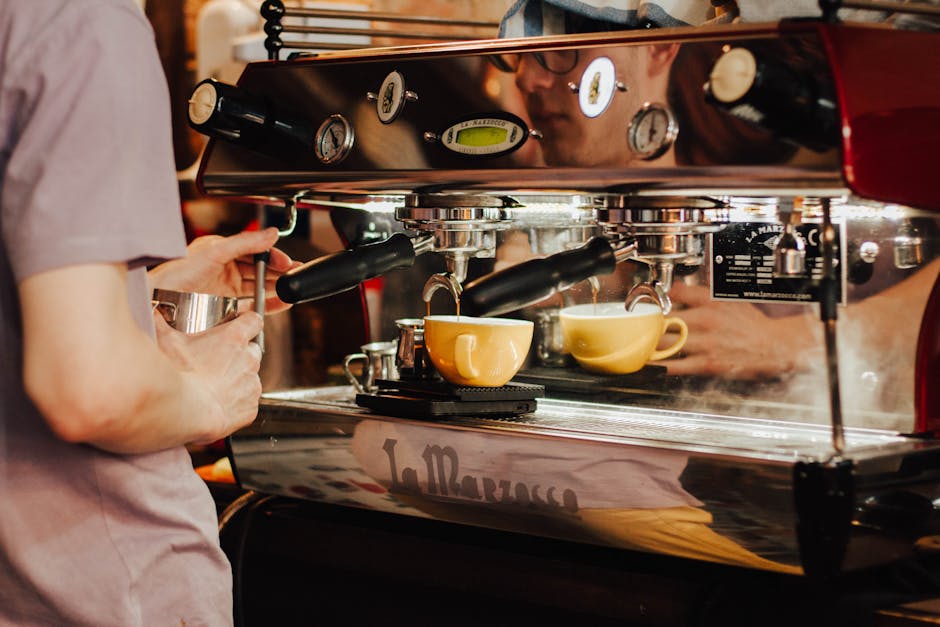
Photo by Bianca Gasparoto on Pexels
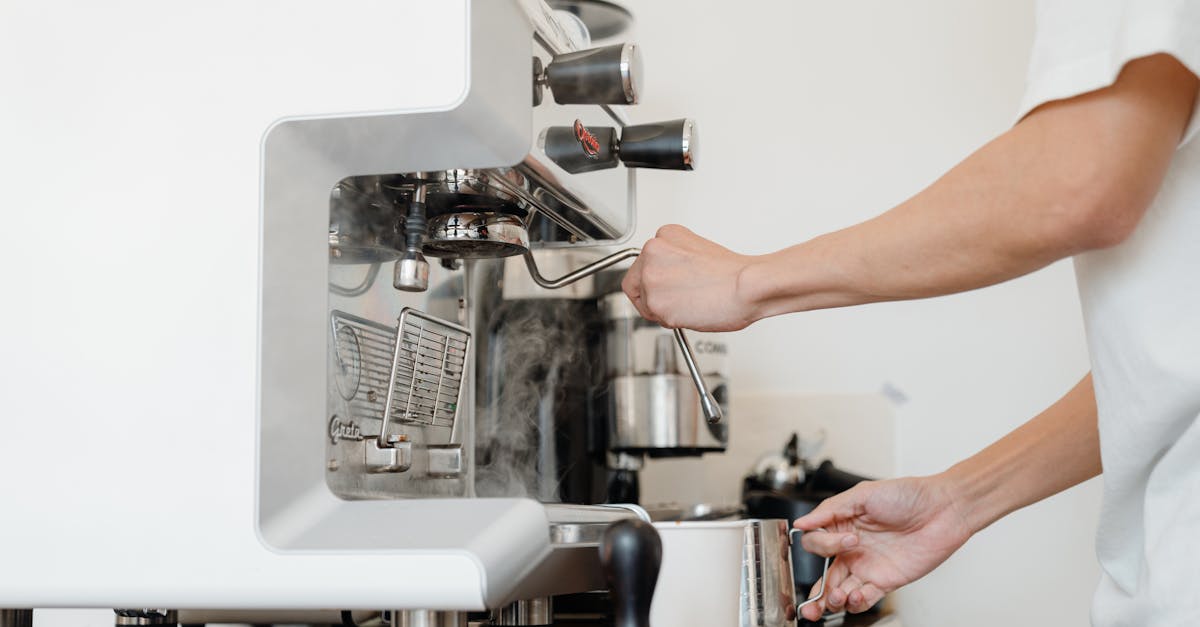
Photo by Andrea Piacquadio on Pexels
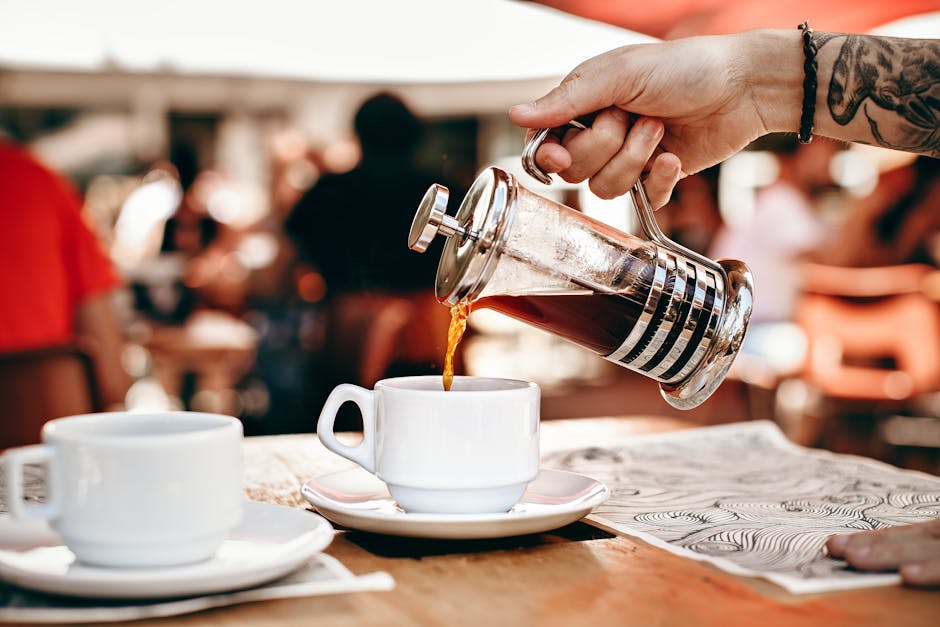
Photo by Lisa Fotios on Pexels
Continue reading
-

Gravid och koffeinfritt: säkert för dig och bebisen?
”Koffeinfritt under graviditeten: En säker guide för blivande mammor” Koffeinfritt under graviditeten är en viktig fråga för många. Graviditeten påverkar kroppens förmåga att bryta ned…
-

Kaffe och hälsa: inflammationsdämpare eller bov?
**Kaffe och Inflammation: En Komplex Relation** Kaffe är en av världens mest konsumerade drycker och innehåller antioxidanter som kan minska inflammation och skydda mot sjukdomar…
-

Kaffe och vikt – balanserar du rätt?
Kaffe och vikt – Hitta din guldkant utan att tippa vågen Kaffe och vikt är ett hett ämne inom hälsa. Svart kaffe, med sitt låga…
-

Sanningen om koffeinfritt – är det verkligen bra?
Sanningen om koffeinfritt kaffe: Är koffeinfritt kaffe bra? Koffeinfritt kaffe är ett hälsosamt alternativ för dig som vill undvika koffeinets negativa effekter som ångest och…
-

Kaffets surhet: hälsa och smakupplevelse
Kaffets surhet påverkas av dess pH-värde, som ligger mellan 4,85 och 5,10. Är kaffe surt? Ja, och detta beror på närvaron av olika syror som…
-

Kaffe före träning – ökar prestationen med varje kopp?
Att dricka kaffe före träning kan förbättra både styrka och uthållighet, tack vare koffeinets stimulerande effekter på centrala nervsystemet. För bästa resultat bör kaffe konsumeras…
-

Kaffe och antioxidanter: Din hälsosamma kopp?
**Kaffe och antioxidanter: En hälsosam kopp?** Kaffe är en av de största källorna till antioxidanter i västerländska dieter, vilket kan bidra till att minska risken…
-

Rosta för kropp i kaffet
Kropp i kaffe refererar till kaffets fyllighet och känsla i munnen. Det påverkas av bryggmetoder som franskpress och espresso, samt av kaffebönornas ursprung och bearbetning.…
-

Gurkmeja i kaffe – en hälsoboost i din kopp
Gurkmeja i kaffe har blivit en populär trend bland hälsoentusiaster tack vare dess antiinflammatoriska och antioxidantegenskaper. Att tillsätta gurkmeja i ditt kaffe kan förbättra din…
-

Kaffe och hälsa: Uppgradera ditt kaffe med superfoods
**Kaffe och hälsa: Uppgradera ditt kaffe med superfoods** Ge ditt kaffe en hälsoboost genom att tillsätta superfoods som kanel, ingefära, svamp, gurkmeja, maca och kakao.…
-

Kaffets roll i jakten på ett längre liv
Kaffe är en populär morgonritual som inte bara ökar vaksamheten utan också bidrar till ett längre liv. Studier visar att kaffe, rikt på antioxidanter, kan…
-

Är kaffe uttorkande eller hydrerande?
**Är kaffe uttorkande eller hydrerande?** Kaffe är en av världens mest älskade drycker, men är kaffe uttorkande? Forskning visar att måttlig kaffekonsumtion (1-2 koppar per…
-

Njut och må bättre: 9 oväntade fördelar med kaffe
**Din hälsa i en kaffekopp: Fördelar med kaffe** Kaffe, en global favoritdryck, erbjuder många hälsofördelar som ofta förbises. Förutom att ge en energikick på morgonen,…
-

Smakguide: Upptäck rostningsdefekter i kaffekoppen
Upptäck rostningsdefekter i kaffekoppen och förbättra kaffets smakupplevelse. Lär dig identifiera vanliga defekter som underutveckling, bakad smak, svedda och tippade bönor. Förstå vikten av första…
-

Hemmarostarens guide till rätt råkaffe
Upptäck äventyret med råkaffe och lär dig att rosta hemma med vår omfattande guide till att köpa rätt råkaffe. Förstå bönans resa från gård till…
-

Så förvandlas kaffebönor till koffeinfritt kaffe
### Så förvandlas kaffebönor till koffeinfritt kaffe Kaffe utan koffein, eller koffeinfritt kaffe, avlägsnar majoriteten av koffeinet från bönorna för att undvika negativa effekter som…
-

Allt om hur kaffe skördas
En resa genom kaffeskörden beskriver i detalj hur skördas kaffe, från mogna kaffebär till färdig dryck. Skörden sker främst genom tre metoder: handplockning, stripning och…
-

Kaffe med balans: decaf mot low-caf
Low-caf kaffe erbjuder en balanserad lösning för kaffeälskare som vill undvika koffeinets negativa effekter. Medan traditionellt kaffe och decaf ofta har sina nackdelar, är low-caf,…
-

Utforska tredje vågens kaffe
**Från bönans ursprung till ditt kaffefat: En resa med tredje vågens kaffe** Kaffeindustrin är en global jätte som omfattar allt från odling till konsumtion. Tredje…
-

Vad är koppning av kaffe och hur gör man?
Koppning är en avgörande metod inom kaffeindustrin som används för att bedöma kaffes kvalitet och smak. Den innebär systematisk smakning och utvärdering av kaffets karaktärsdrag,…
-

Arabica kaffebönor – en värld av smakvariationer
Arabica kaffebönor erbjuder kaffeälskare en rikedom av smaker tack vare dess mångfaldiga sorter som Bourbon, Typica och Geisha. Dessa bönor, som dominerar världens kaffeodling, utvecklas…
-

En djupdykning i världens äldsta bryggmetoden
Upptäck kaffets urgamla konst, där traditionella redskap som cezve och ibrik representerar den äldsta bryggmetoden för kaffe, en djupt rotad tradition som firas globalt. Denna…
-

Rengör din kaffekvarn som ett proffs – för smakens skull
Att regelbundet rengöra kaffekvarnen är essentiellt för en optimal kaffeupplevelse. En oren kvarn påverkar negativt smaken genom ansamling av gamla kaffepartiklar och oljor. Använd varmt…
-

Huvudvärk från kaffe: 6 oväntade skäl
Upptäck orsakerna till huvudvärk från kaffe, från koffeinabstinens till överdosering och koffeinallergi. Kaffe kan ge både koncentrationsförmåga och huvudvärk, där abstinenssymptom och överkonsumtion är vanliga…
-

Skapa den perfekta kaffeblandningen
Kaffeblandning är en konst som innebär mer än att bara mixa olika kaffesorter för smakens skull. Det är en process som syftar till att skapa…
-

Så skördas kaffe: Metoder med precision och omsorg
Börja dagen med en djupgående inblick i hur vi skördar kaffe, en essentiell process för vår älskade morgondryck. Vi utforskar de olika metoderna – traditionell…
-

Kaffeodling i Uganda: En bönas resa mot perfektion
Uganda, en ledande kaffeproducent, erbjuder en rikedom av aromer från den näringsrika röda jorden. Landet är känt för sitt Arabica och Robusta kaffe, vars unika…
-

Denna roll spelar trycket i espressons bryggkonst
I espressons värld är ”tryck”, mätt i bar, avgörande för att skapa en perfekt kopp espresso. Trycket, idealiskt vid 9 bar, pressar hett vatten genom…
-

Kaffets säsong – smakens tidsresa från plantage till kopp
Upplev kaffets säsong och dess unika resa från planta till kopp. Varje steg i kaffeproduktionen, från skörd under rätt mognadstidpunkt till noggrann rostning, påverkar kaffets…
-

Var är filterkaffe den mest älskade bryggmetoden?
Filterkaffe är en globalt omtyckt dryck, från Skandinaviens dagliga ritualer till USA:s enkla vardagsnjutning och Japans ceremoniella precision. I Skandinavien är det en kulturell institution…
-

Hur man använder olika koppar för olika kaffe
Upptäck hur koppar för kaffe kan förändra din smakupplevelse. Forskning visar att koppens form påverkar arom, sötma och syrlighet i kaffet. Tulpanformade koppar koncentrerar aromer…
-

Ristretto – Italiens smakrika minsting
I Italien är ristretto mer än bara kaffe; det är en koncentrerad njutning och en del av kulturen. Denna intensiva espresso-variant utmärker sig med stark,…
-

Perkulatorns charm – en kaffeupplevelse utöver det vanliga
Upplev den rika smaken av perkulator kaffe, en traditionell bryggmetod som erbjuder djup och komplexitet. Perkulatorn är snabb och enkel, perfekt för hektiska morgnar, samtidigt…
-
Lungo: när espresson tar ett större kliv
Lungo är en kaffedryck som vinner mark i Sverige, en mildare espresso med förlängd bryggningstid som ger en större mängd kaffe med bevarad intensitet. För…
-
Cortado – mer än bara kaffe och mjölk
Upplev cortado, en spansk kaffespecialitet som förenar stark espresso med silkeslen mjölk i en perfekt balans. Med rätt espressobönor och försiktigt skummad mjölk kan du…
-

Jordhälsans roll i hållbart kaffe
Jordhälsan är avgörande för en hållbar kaffeodling och tacklar klimatutmaningar genom att främja en rik biologisk mångfald och näringstät jord. Forskningar visar att regenerativt jordbruk…
-

Specialkaffe för nybörjare: så gör du
Uppvaknandet till en värld av specialkaffe för nybörjare är en resa fylld av upptäckter och njutningar. Från att välja mellan häll-över och franskpress, till att…
-

Bästa tipsen förr att få till franskt presskaffe
Upptäck konsten att brygga perfekt franskt presskaffe genom att välja färska kaffebönor, uppnå den ideala malningsgraden och balansera kaffe-vattenförhållandet för en rik smakupplevelse. Börja med…
-

Förfina din bryggkonst genom att blomma ditt pour over-kaffe
Optimera smaken på ditt kaffe med konsten att blomma pour over-kaffe. Blomning av kaffe är en avgörande steg för att frigöra gaser och förbättra smakextraktionen.…
-
Skapa ett unikt varumärke för ditt café – så här gör du!
Att skapa ett starkt café varumärke innebär att definiera ditt ’varför’ och mission för att sticka ut från mängden. Genom att integrera kärnvärden som hållbarhet…