Publicerad den

Utforska tredje vågens kaffe

bilder av kaffeproduktion, rostning, bryggning, gourmetkaffe, kaféer, baristor, växtbaserade mjölkalternativ, tredje vågens kaffekultur


bilder av kaffeproduktion, rostning, bryggning, gourmetkaffe, kaféer, baristor, växtbaserade mjölkalternativ, tredje vågens kaffekultur

”Tredje vågens kaffe är mer än en dryck – det är en konstform och en passion där varje kopp berättar sin egen historia.”

Från bönans ursprung till din kaffekopp

Kaffeindustrin är en global jätte som innefattar allt från odling och produktion till handel och konsumtion. Kaffe är en av världens mest eftertraktade råvaror, och miljoner människor är beroende av den för sin dagliga energikick. Traditionellt sett har kaffeproduktionen varit centrerad i länder som Brasilien, Colombia och Etiopien. Med tiden har dock nya ursprungsländer dykt upp på kartan, vilket leder till en bredare mångfald av smaker och kvaliteter.

Tredje vågens kaffe är en rörelse som revolutionerat hur vi ser på kaffe. Den fokuserar på att lyfta fram kaffebönans ursprung, kvalitet och smakprofil. Istället för att bara vara en snabb energikick betraktas kaffe nu som en gourmetupplevelse. Tredje vågens kaffe betonar transparens i produktions- och inköpskedjan, hållbarhet och rättvisa handelsvillkor för kaffebönderna.

Kaffeodlingens konst

Kaffeodling börjar med val av rätt geografiska förhållanden, oftast i ekvatornära länder med höga höjder och specifika klimatförhållanden. När bönderna väljer rätt terroir, börjar processen med att plantera och kultivera kaffeträden. Rätt skötsel och användning av hållbara jordbruksmetoder är avgörande för att säkerställa att bönorna utvecklar den bästa möjliga smakprofilen.

Skördeperioden varierar mellan olika regioner men innebär alltid noggrann plockning för att säkerställa att endast de mogna bären tas om hand. Efter skörd genomgår bönorna olika bearbetningsmetoder, som att torkas i solen eller att tvättas för att avlägsna fruktköttet. Dessa processer påverkar bönornas slutliga smak och kvalitet, vilket gör varje steg kritiskt för att producera högklassigt kaffe.

På jakt efter det gröna guldet

Inköp av grönt kaffe är en viktig del av kaffeindustrin och tredje vågens kaffe. De gröna kaffebönorna, som ännu inte rostats, är en kritisk råvara för alla kafferosterier och baristor. Trender inom ursprungsländer som Etiopien, Costa Rica och Vietnam har en stor påverkan på både smakprofiler och popularitet på marknaden.

Ett ökande antal inköpare söker efter mikro-lotter och singel-origin-kaffe för att kunna erbjuda unika smaker till sina kunder. Transparens och spårbarhet blir allt viktigare, med företag som via direkt handel etablerar nära relationer med kaffebönderna. Målet är att säkerställa att kaffeproduktionen inte bara är hållbar men också att bönderna får en rättvis ersättning för sitt arbete.

Rostning – hjärtat i kaffets smakprofil

Rostning är en konstform som är avgörande för att framhäva kaffebönornas naturliga karaktär. Under rostningsprocessen utvecklar bönorna sin färg, arom och smakprofil. Rosterier experimenterar ständigt med olika rostningsmetoder och temperaturer för att hitta den perfekta balansen i smak.

I tredje vågens kaffe har små mikrorosterier blivit allt vanligare. De lägger stor vikt vid att rosta i små satser för att exakt kontrollera resultatet och framhäva varje bönas unika egenskaper. För hemmarostare finns det också nu en mängd resurser och utrustning tillgänglig, vilket gör det möjligt att utforska rostning på egen hand.

Kaffebarernas revolutionärer

Kaffebarer och baristor har spelat en central roll i tredje vågens kafferörelse. Dessa platser är inte längre bara ställen man går till för att få en snabb kopp kaffe, utan de har förvandlats till kunskapscentrum där kvalitet och hantverk står i fokus. Baristorna är skickliga och passionerade hantverkare som lägger ner mycket tid och energi på att perfektionera varje kopp.

Teknik och skicklighet är avgörande i tillredningen av specialkaffe. Varje steg – från malning och tamping till extraktion och mjölkskumning – måste utföras med precision. Nya teknologier och bryggmetoder utvecklas ständigt, vilket håller baristorna på tårna och gör att de alltid strävar efter perfektion.

Mjölken som möter kaffebönan

Mjölkens roll i kaffedrycker, särskilt i espressobaserade drycker som cappuccino och latte, kan inte underskattas. Men tredje vågens kaffe har också inneburit en ökad fokus på växtbaserade mjölkalternativ. Havremjölk, mandelmjölk, och sojamjölk har blivit populära bland konsumenter

Alternativen är inte bara miljövänliga, utan de erbjuder också en mängd smaker och texturer som kan höja kaffeupplevelsen. Exempelvis har havremjölk en krämig konsistens och mild smak som kompletterar espressobaserade drycker väl. Baristorna behöver anpassa sina tekniker för att skapa den perfekta mjölkskummet med dessa växtbaserade alternativ, vilket kräver både kunskap och erfarenhet.

Konsumentens guide till kaffets mångfald

Kaffedrycker och bryggmetoder är lika mångsidiga som de är fascinerande. Från den klassiska filterkaffet och espresson till mer avancerade bryggmetoder som Aeropress och Siphon, finns det en metod som passar varje smak och humör. För att verkligen uppskatta tredje vågens kaffe kan det vara lärorikt att experimentera med olika bryggtekniker hemma.

Tips för hemmaentusiaster inkluderar att investera i en bra kvarn, använda färskt kaffe, och vara noga med vattentemperaturen. Detta hjälper till att framhäva de finare smaknyanserna i kaffet. Att lära sig identifiera smaker och aromer, från fruktiga och blommiga toner till nötiga och chokladiga smaker, kan förhöja upplevelsen ytterligare.

Det finns många recept och guider tillgängliga för den som vill fördjupa sig. En enkel men elegant hemmabrygd kan till exempel vara att använda en fransk press för att låta kaffet utveckla sin fulla smakprofil. Att utforska olika ursprung och rostningar hjälper konsumenterna att finna sina personliga favoriter.

Utforska tredje vågens kaffekultur

Kaffekulturen har genomgått en transformation med tredje vågens kaffe. Kaffe är inte längre bara en dryck, det är en upplevelse och en aktivitet. Kaffeturer och stadsledningar är populära, där kaffeentusiaster kan utforska olika kaffebarer och rosterier i en stad.

Kaffecocktails är en annan trend som visar hur kaffet kan kombineras med andra drycker för att skapa spännande smakupplevelser. Det är också vanligt att kaffe paras med mat, där olika smaker kan komplettera varandra på ett intressant sätt.

Hållbarhet är en central del av tredje vågens kaffe. Konsumenter och producenter strävar efter att minska sitt ekologiska fotavtryck genom att välja hållbara och rättvisa alternativ. Detta inkluderar allt från ekologiskt certifierade bönor till återvinningsbara förpackningar.

Sammanfattning av kaffets nya våg

Tredje vågens kaffe har omdefinierat hur vi ser på och konsumerar kaffe. Från odling och inköp av grönt kaffe till rostning, tillredning och konsumtion, har varje steg i produktionskedjan fått större uppmärksamhet och omsorg. Detta har inte bara höjt kvaliteten på kaffet, utan också skapat en djupare uppskattning för hantverket och människorna bakom varje kopp.

FAQ – Utforska tredje vågens kaffe

Vad innebär tredje vågens kaffe?

Tredje vågens kaffe är en rörelse som betonar kvalitet, ursprung och hantverksskicklighet inom kaffeproduktion och konsumtion. Det handlar om att uppskatta kaffebönans unika egenskaper och skapa en transparent och hållbar kaffeindustri, där varje kopps kvalitet och den individuella bönan får stå i centrum.

Hur skiljer sig rostningsprocessen i tredje vågens kaffe?

Under tredje vågens kaffe lägger rostare stor vikt på att framhäva varje kaffebönas unika smakprofil. Detta innebär experimenterande med olika rostningsgrader, tider och temperaturer. Små mikrorosterier rostar ofta i små partier för att kunna kontrollera processen noggrant och uppnå en specifik smakprofil.

Vilken roll spelar kaffeodlingens geografiska förhållanden för bönans kvalitet?

Geografiska förhållanden som höjd, klimat och jordmån, kända som terroir, är avgörande för kaffebönans kvalitet. Ekvatornära länder med höga höjder och specifika klimatförhållanden brukar erbjuda ideala förhållanden för kaffeträd att utveckla djupa och komplexa smakprofiler.

Hur påverkar de olika bearbetningsmetoderna av kaffebönor smaken?

Bearbetningsmetoderna efter skörd, såsom soltorkning eller våtbearbetning, är kritiska för att definiera kaffebönans slutliga smak och kvalitet. Beroende på metoden kan dessa processer leda till olika smakprofiler, som kan sträcka sig från fruktiga och söta till jordiga och nötiga.

Vad är viktigt att tänka på för att uppskatta fullt ut mångfalden av kaffedrycker?

För att uppskatta mångfalden av kaffedrycker bör man experimentera med olika bryggmetoder och upptäcka hur varje metod kan framhäva olika smaker och aromer i kaffet. Att ha kunskap om kaffets ursprung och olika rostningar, samt använda färskt kaffe och kontrollera bryggparametrar som vattentemperatur och malningsgrad, är också nyckelfaktorer för att njuta av kaffedrycker fullt ut.

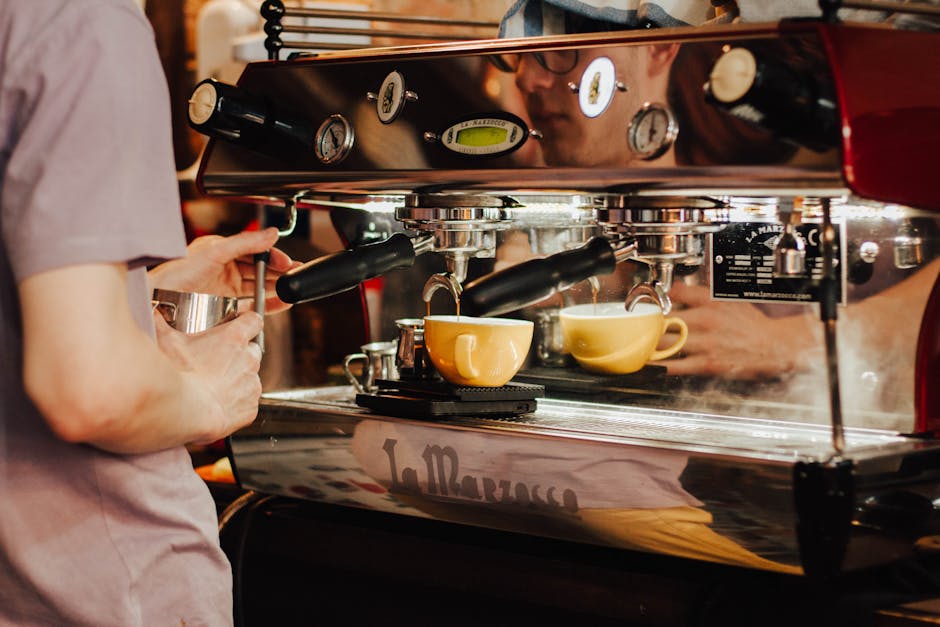
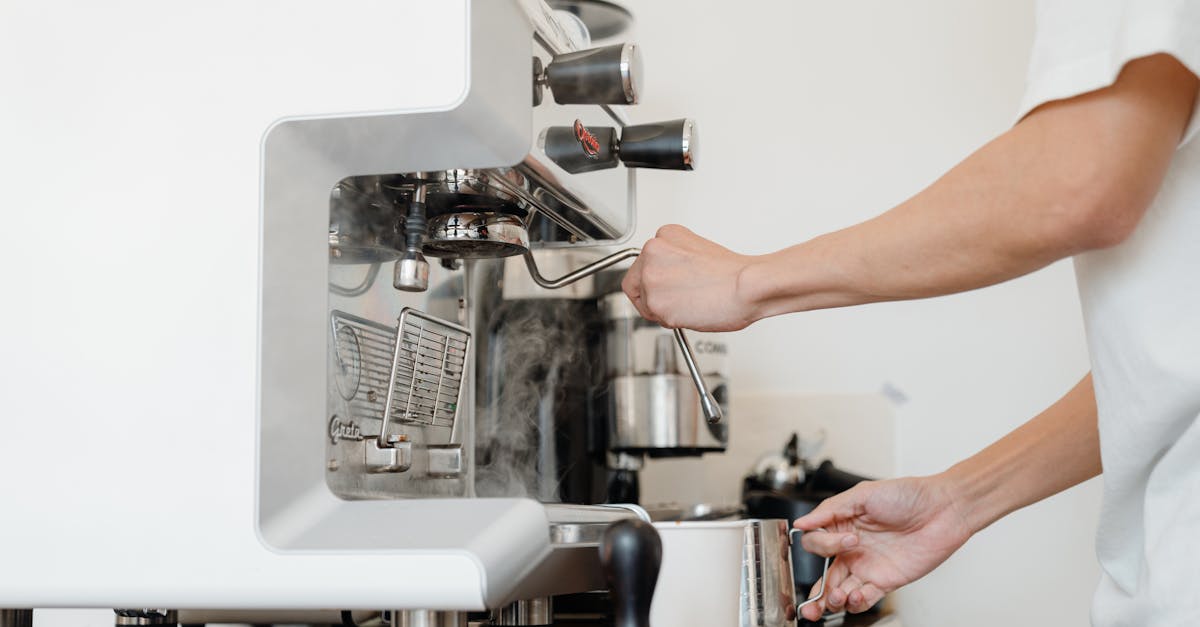
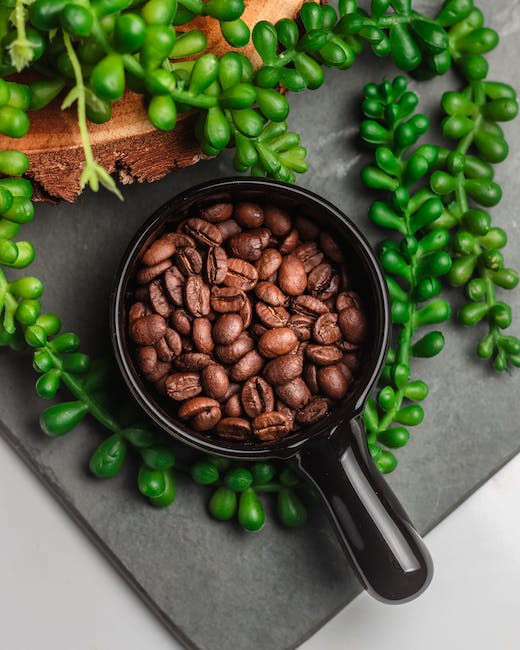
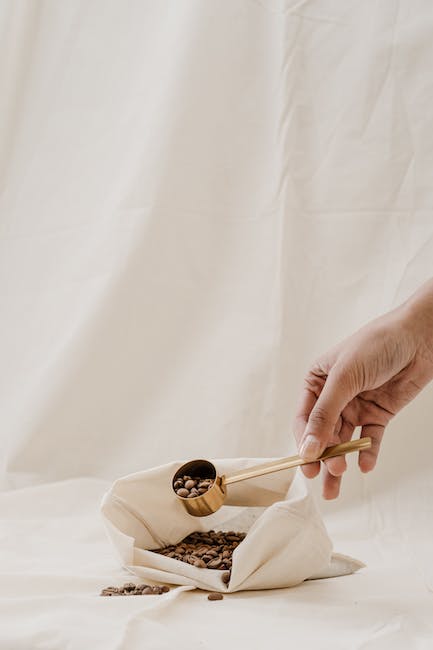
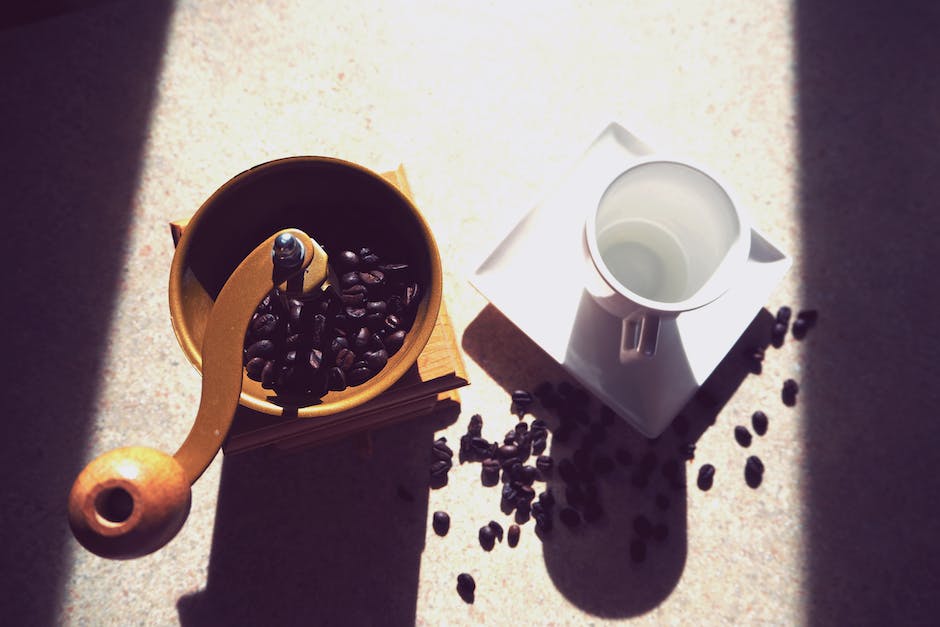
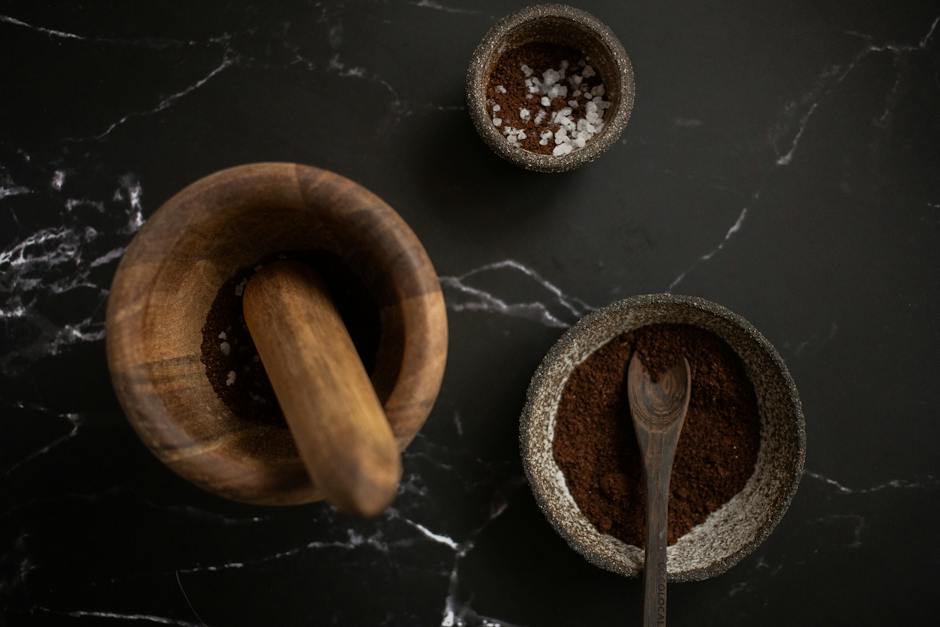
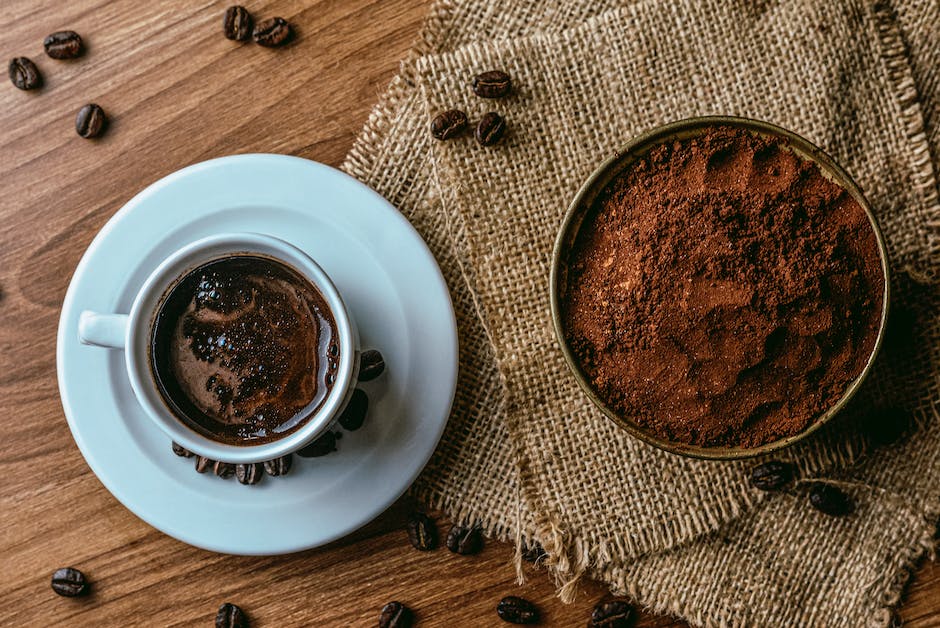
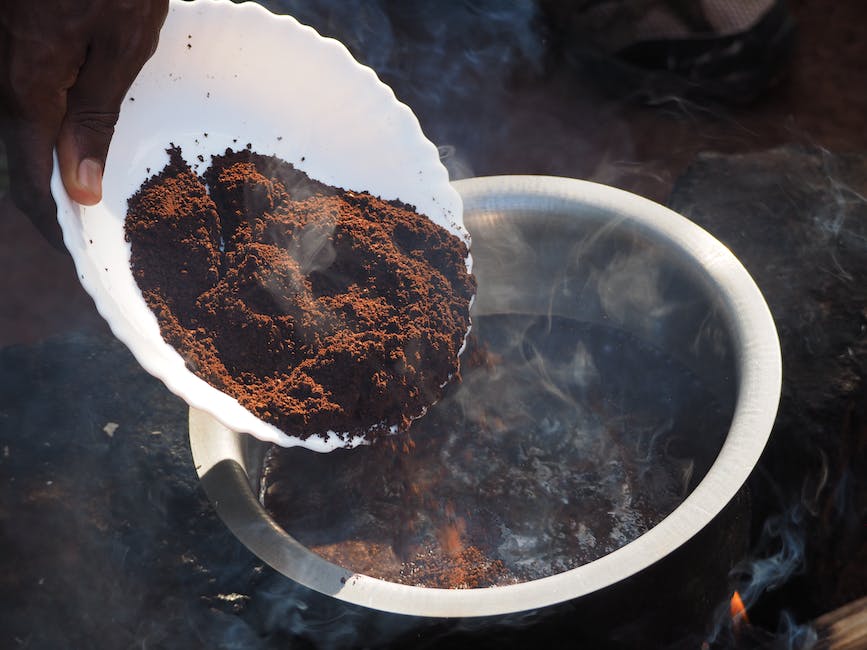
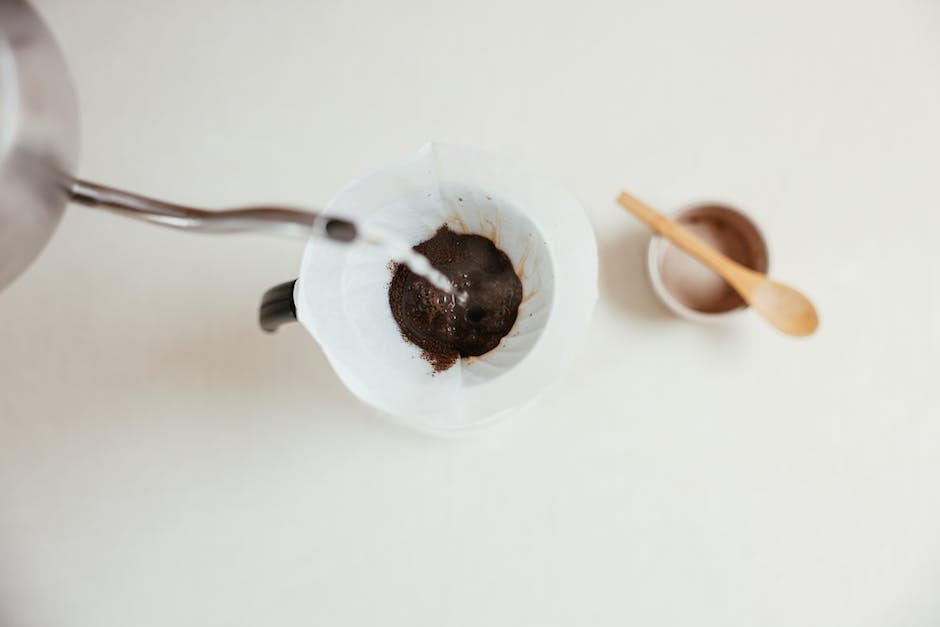
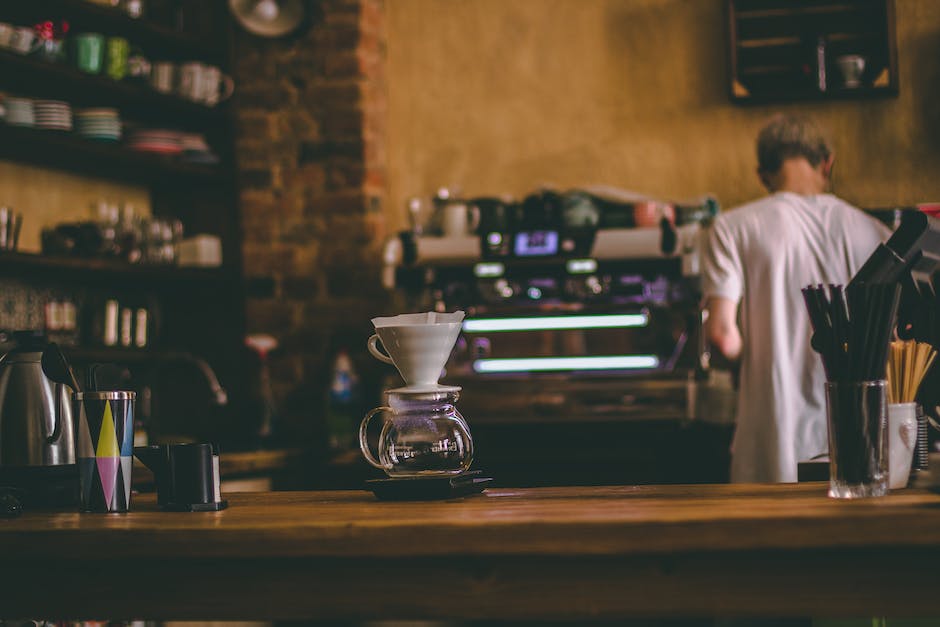
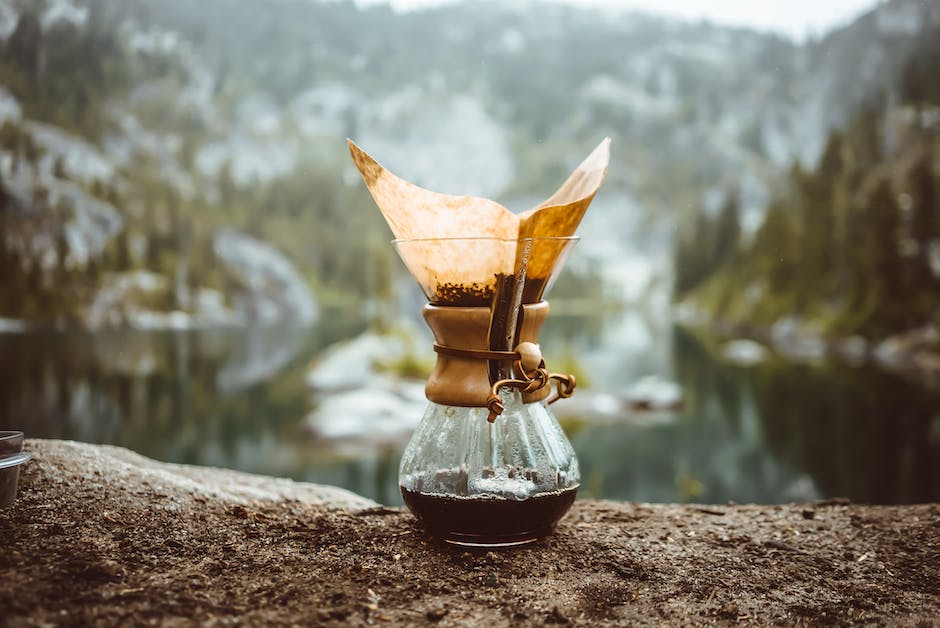
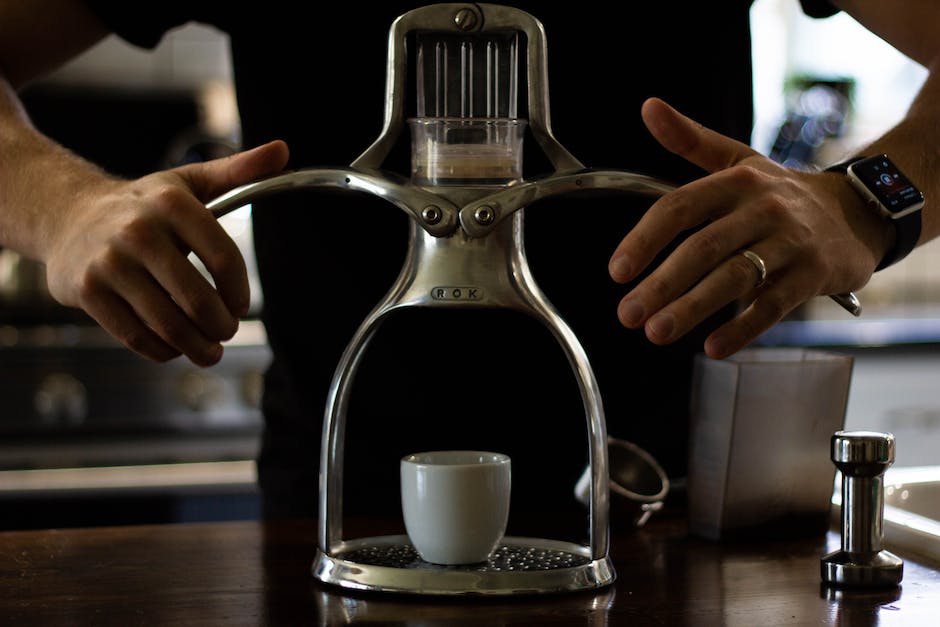
Bilder som visar resan från kaffeböna till kopp inom tredje vågens kafferörelse.

Photo by cottonbro studio on Pexels

Photo by Ketut Subiyanto on Pexels

Photo by ROMAN ODINTSOV on Pexels

Fortsätt läsa

Publicerad den

Roasting coffee at home: a journey beyond the ordinary

”Roasting coffee at home: a journey beyond the ordinary” (34 characters)
roasting coffee at home, coffee roasting methods, coffee roasting techniques, coffee roasting equipment, coffee roasting process, developing coffee flavor, estimating coffee cracks, experimenting with different roasts, storing freshly roasted coffee, high quality coffee beans

”Roasting coffee at home is like traveling to another world of taste and aroma – a journey beyond the ordinary.”

Explore what home roasting coffee means

Roasting coffee at home is truly an experience in itself. For the inexperienced, this process may seem a bit advanced. But, you know what? Just relax, sit back and prepare to enjoy. In the beginning of learning how to roast coffee at home, you will gradually develop a mastery of fine-tuning the different flavor nuances of the coffee. In fact, there is no greater satisfaction than being able to sit back and relax with a cup of coffee that you have roasted yourself.

Understanding the subtle art of coffee roasting

Roasting coffee is not just a process, it is truly a craft. When you roast coffee in your own kitchen, you have total control over the taste. You’ll have the chance to play with different types of beans, mix and match different blends and adjust the degree of roasting to your liking. It’s a definite step towards becoming your own home barista!

The necessary equipment for home coffee roasting?

In the beginning, a simple frying pan may be enough to roast the coffee. But if you want to achieve expert results, a dedicated coffee roaster can be a worthwhile investment. And don’t worry, there’s a range of options to suit all budgets.

A deep dive into the techniques behind home coffee roasting

Exploring the technical aspect can be incredibly exciting. When you roast coffee yourself, the kitchen air will be permeated with the seductive aroma of freshly roasted coffee. Who can resist that scent?

The air roasting method: Full control over heat and time

An air roaster is an essential tool for every home coffee roaster. This tool allows you to control both heat and time, which are key factors in achieving the optimal roast. While heat controls the color and darkness of the coffee, time (and temperature) controls the strength of the flavor. Through trial and error, you will eventually find your very own perfect roasting method!

The drum roasting method: traditional and timeless craft

The traditional drum roasting method offers a deeper, more complex coffee by roasting the coffee beans slowly inside a rotating drum. This is more than just a method – it is a venerable tradition and a genuine craft. Roasting coffee at home using this method is like going back in time to an old, inherited tradition.

Is it possible to roast coffee in a microwave?

Can you really roast coffee in a microwave? Yes, actually you can! Although it may sound unlikely, it actually works quite well. Achieving an even roast can be a challenge, but once you do, it really creates a lovely homely feel.

Step by step – implementing coffee roasting on your own

Are you ready to dive into the wonderful and complex world of coffee? During this journey, you will learn about every single step of the process of roasting coffee at home. After all, like life, the journey is more important than the destination. The same goes for coffee roasting!

Choosing quality green coffee

The final roasted coffee actually consists of one crucial component – the beans. The choice of beans has a huge impact on the final taste of the coffee. Start experimenting with different varieties of beans and discover the unique distinctive flavor qualities that each variety offers.

Influence of roasting phases on taste

When roasting coffee at home, you will quickly notice that each individual phase of the roasting process has a significant impact on the taste of the coffee. From the first crack visible on the beans to the last, from light roasted to dark roasted beans, you have the possibility to completely change your cup of coffee. Remember, it’s your cup and therefore it’s also your coffee.

Listen for the cracking of coffee beans

Lying in wait and listening to the cracking of the coffee beans is a bit like enjoying a beautiful symphony. When you roast coffee at home, you’ll have a new appreciation for the sound of those cracks. It’s right here, in that brief moment of heat and popping sounds, that your search for the perfect roast takes shape.

Appreciating the taste of your home-roasted coffee

After you’ve roasted your coffee beans at home, only one last important thing remains to be done: the estimation. It’s not just about drinking your coffee, but about really learning to appreciate it. Your cup of coffee is a work of art, a pleasurable experience, indeed, a long journey to very distant places.

The subtleties of coffee flavor assessment

Learning to appreciate the taste of coffee is basically as simple as learning to appreciate a good wine. Of course, it takes some time to develop your palate and become confident in recognizing the different flavors and notes. But once you’ve mastered this, your experience of enjoying a cup of coffee beats any other possible experience by a mile.

Cupping: an experiment for home use

Cupping, a method used by professional coffee tasters, can easily be performed at home. Pour boiling water on ground coffee and after waiting a few minutes to let the flavors develop, you can try a generous sip of coffee and thus get an idea of the flavors and aromas without any interference from the brewing method. This process can truly revolutionize your experience of coffee.

Explore different degrees of roasting

Dark roast coffee, light roast coffee, medium roast coffee…. all have their own unique features and should be considered worthy of discovery. Don’t be afraid to try something new when roasting your coffee at home – you might be surprised at how different the same coffee bean can taste just depending on the degree of roasting!

Storing your freshly roasted coffee correctly

To preserve the fresh taste and aroma of your coffee the next time you want to enjoy a cup, you should store it properly. However, remember that fresh is always best and that no coffee can match the experience of a freshly roasted coffee.

Future trends in home coffee roasting

Here we are at the start of an exciting journey into the world of coffee beans. Home roasting is a growing trend with a bright future!

Coffee beans are becoming increasingly available and affordable

With constantly evolving technology, roasting coffee at home is becoming easier and more accessible. Prices are becoming increasingly reasonable and the choice of different types of beans is growing all the time. Nowadays, there are roasters to suit all kinds of needs and budgets.

High quality beans are more available than ever

With coffee beans becoming more accessible and affordable, getting your hands on high-quality beans has never been easier. A world of flavors is out there, just waiting to be discovered by you and your taste buds!

Exploring the art of coffee roasting

FAQs – Roasting coffee at home: a journey beyond the ordinary

How can I start roasting coffee at home?

To start roasting coffee at home, you can use a simple pan or invest in a coffee roaster. Start by experimenting with different types of coffee beans and roast levels to find your perfect flavor.

What is the difference between air roasting and drum roasting?

Air roasting gives you full control over both heat and time, while drum roasting creates a deeper and more complex coffee. Air roasting is more flexible and faster, while drum roasting is a traditional and timeless method.

Is it possible to roast coffee in a microwave?

Yes, it is indeed possible to roast coffee in a microwave. Getting an even roast can be a challenge, but the result can give a lovely homely feel.

What affects the taste of coffee roasting?

Each stage of the roasting process has a significant impact on the taste of the coffee. From the first crack to the last, and from light roast to dark roast, you can completely transform your cup of coffee. It is your cup and therefore it is your coffee.

How should I store my freshly roasted coffee?

To preserve the fresh taste and aroma of coffee, you should store it properly. Preferably in an airtight container in a cool and dark place. However, remember that fresh is always best and no coffee can match the experience of freshly roasted coffee.

Techniques of the art of coffee brewing

Photo by Pixabay on Pexels
Photo by Carlos Adrielton on Pexels
Photo by cottonbro studio on Pexels

Continue reading

Publicerad den

From hot to cold: how to make iced coffee at home?

Homemade iced coffee: how to make it!
Homemade iced coffee recipes with cold brew and hot brew, coffee varieties for iced coffee, adding chocolate to iced coffee, non-dairy options for iced coffee, experimenting with flavorings and sweeteners for iced coffee, serving and decorating ideas for Instagram-worthy iced coffee.

”Iced coffee is a refreshing summer favorite – but how do you make iced coffee at home? Let us guide you through the process and make sure your iced coffee is exactly how you want it.”

From hot to cold: how to make iced coffee at home?

Fancy making a refreshing and cooling drink? Then iced coffee is the answer! Iced coffee has become incredibly popular in recent years and understandably so. It combines the best of both worlds – coffee and cold. In this article, we will explore different methods of making iced coffee at home and give you some personalized twists to try. Let’s get started on our journey from hot to cold!

What exactly is iced coffee?

Iced coffee is a cold drink made by mixing cold coffee with ice and possibly flavorings. It’s a perfect summer drink that can give you both a caffeine kick and a cooling experience. There are different ways to make iced coffee, and we will explore some of them here.

Why is iced coffee so popular?

Iced coffee has become popular for several reasons. Firstly, it’s easy to make at home and you don’t have to buy expensive coffee drinks from cafés. It’s also a great option for those who are not so fond of hot drinks, especially in the summer months. Iced coffee can also be customized according to your personal taste preferences, making it a versatile drink.

Different methods for making iced coffee

Cold brew method

Cold brew iced coffee is a method that takes a little longer, but the result is well worth the wait. Brewing coffee with cold water for a longer period of time gives you a smooth, mild flavor without the bitter undertone that can sometimes be found in hot brewed coffee.

Ingredients you need

To make cold brew iced coffee you need:

  • Medium to coarse ground coffee
  • Cold water
  • Ice cubes
  • Sweetener or flavoring (optional)
  • Milk or milk alternative (optional)

Step by step guide: how to make iced coffee with cold brew method

Here is a simple guide to making cold brew iced coffee:

  1. Mix 1 part medium to coarse ground coffee with 4 parts cold water in a container.
  2. Stir well to ensure that all the coffee is moist.
  3. Cover the container and let the coffee brew in the refrigerator for at least 12 hours or overnight.
  4. When the coffee is ready, strain it over ice and add any sweeteners or flavorings as needed.
  5. Add milk or milk alternatives if desired.
  6. Stir well and enjoy!

Hot brew method

If you want iced coffee in no time, you can use the hot brew method. It’s a quick and easy method that gives you instant iced coffee.

Necessary ingredients

To make hot brewed iced coffee you need:

  • Ground coffee beans
  • water
  • Ice cubes
  • Sweetener or flavoring (optional)
  • Milk or milk alternative (optional)

Step by step guide: how to make iced coffee with hot brew method

Here’s a quick guide to making hot brew iced coffee:

  1. Brew your coffee with hot water as you normally would.
  2. Pour the finished coffee over ice and add any sweeteners or flavorings as needed.
  3. Add milk or milk alternatives if desired.
  4. Stir well and enjoy your iced coffee!

Personalized twists on iced coffee

Add chocolate for a rich taste

For an extra taste experience, you can add some chocolate to your iced coffee. Either by mixing in grated chocolate or by using chocolate milk instead of regular milk. The result is a bold cup and a richer flavor.

Use almond or oat milk for a dairy-free option

If you prefer a dairy-free option, you can use almond or oat milk instead of regular milk. These milk alternatives add a lovely nutty flavor and a creamy texture to your iced coffee.

Try different flavorings and sweeteners

Want to give your iced coffee a personal touch? Try experimenting with different flavorings and sweeteners. Cinnamon, vanilla, caramel or lavender can add an extra dimension to your iced coffee and make it even more exciting.

Final phase: serving and presentation

Choosing the right glass for serving

When it comes to serving iced coffee, the choice of glass is important. Choose a tall glass or a glass with a wide bowl to show off your delicious creation properly.

Decorating tips for an Instagram-friendly cup

If you want to make your iced coffee even more Instagram-friendly, you can experiment with decorations. Top your iced coffee with whipped cream, chocolate sauce, sprinkles or fresh berries. Create your own unique twist and make your cup stand out from the crowd.

Creative ways to garnish and present homemade iced coffee

FAQ – From hot to cold: how to make iced coffee at home?

What exactly is iced coffee?

Iced coffee is a cold drink made by mixing cold coffee with ice and possibly flavorings. It’s a perfect summer drink that can give you both a caffeine kick and a cooling experience. There are different ways to make iced coffee, and we will explore some of them here.

Why is iced coffee so popular?

Iced coffee has become popular for several reasons. Firstly, it’s easy to make at home and you don’t have to buy expensive coffee drinks from cafés. It’s also a great option for those who are not so fond of hot drinks, especially in the summer months. Iced coffee can also be customized according to your personal taste preferences, making it a versatile drink.

How to make iced coffee using the cold brew method?

A simple guide to making cold brew iced coffee is as follows:

  1. Mix 1 part medium to coarse ground coffee with 4 parts cold water in a container.
  2. Stir well to ensure that all the coffee is moist.
  3. Cover the container and let the coffee brew in the refrigerator for at least 12 hours or overnight.
  4. When the coffee is ready, strain it over ice and add any sweeteners or flavorings as needed.
  5. Add milk or milk alternatives if desired.
  6. Stir well and enjoy!

How to make iced coffee using the hot brew method?

A quick guide to making hot brew iced coffee is as follows:

  1. Brew your coffee with hot water as you normally would.
  2. Pour the finished coffee over ice and add any sweeteners or flavorings as needed.
  3. Add milk or milk alternatives if desired.
  4. Stir well and enjoy your iced coffee!

What are some personal twists on iced coffee?

Some personal twists on iced coffee you can try are adding chocolate for a rich flavor, using almond or oat milk for a dairy-free version, and experimenting with different flavorings and sweeteners. These can add an extra dimension to your iced coffee and make it even more exciting.

What decoration tips are there for serving iced coffee?

When it comes to serving iced coffee, you can choose the right glass to show off your delicious creation properly. A tall glass or a glass with a wide bowl works well. To make your iced coffee even more Instagram-friendly, experiment with decorations such as whipped cream, chocolate sauce, sprinkles or fresh berries. Create your own unique twist and make your cup stand out from the crowd.

Unique ways to infuse flavors into homemade iced coffee

Photo by Abdulrhman Alkady on Pexels
Photo by Charlotte May on Pexels
Photo by Archie Binamira on Pexels

Continue reading

Publicerad den

Cafe furniture: fun ideas for those thinking of starting a cafe

”Fun café ideas: Furniture for cafés”
inviting atmosphere café furniture creative ideas

”Café furniture is the soul of your interior design, it creates the perfect atmosphere for your guests to enjoy a cup of coffee. Playful or elegant, this furniture adds a special touch to your café and turns it into a place where people gather and make memories.”

Choosing the right café furniture

At White Elk, we have coffee-loving individuals as well as cafés as customers. And we know that there are many people who dream of starting a café that serves really good coffee. That’s why we’re happy to provide tips on what you need to know to get started with your new venture. When setting up a café, the choice of furniture is an important factor in creating a pleasant environment and attracting customers. Here are some factors to consider when choosing café furniture.

Café theme and atmosphere

Your café should reflect your vision and style. Whether you have a modern, industrial or vintage style of café, your furniture should be in harmony with your theme and create a unified atmosphere.

Practical furnishings

When choosing furniture for a café, you need to keep in mind that it needs to be practical. Many different people will use your furniture on a daily basis, so it should be robust and easy to clean. A mix of chairs and sofas can provide different seating options for your guests.

Sustainability and quality

High-quality furniture is a long-term investment. It is important to choose furniture that is made of durable materials and can withstand daily use. Hardwood or recycled furniture can be both aesthetically pleasing and environmentally friendly choices.

The true cost of cheap café furniture

Choosing cheap furniture can be tempting to save money. But it is important to remember that they can wear out more quickly, leading to higher costs in the long run when you have to replace them.

Trendy café furniture: what’s in right now?

When you want trendy furniture for your café, there are a few styles that are particularly popular right now.

Modern Scandinavian design

Minimalist wooden chairs and tables are popular choices for cafés with a modern Scandinavian design. This furniture gives a clean and airy feel to the room.

Retrovibrable

For those looking for a more nostalgic atmosphere, retro furniture is a good option. Vintage sofas and armchairs add a touch of nostalgia and charm.

Outdoor café: furniture and trends

Having an outdoor area in your café is increasingly popular. Terrace furniture and balcony café styles provide the opportunity to enjoy a cup of coffee outdoors when the weather permits.

How to create a unique atmosphere with furniture

Creating a unique atmosphere in your café is all about using furniture in the right way.

Color and furniture: creating the right atmosphere

Color can affect our mood. Consider the psychology of colors in interior design and use them consciously to create the right mood in your café.

Use of light in interior design

Lighting plays an important role in creating the atmosphere of your café. From natural light to lighting solutions, use light in a smart way to enhance the desired atmosphere.

Create a comfortable and inviting environment

Ergonomic furniture is essential to create a comfortable environment for your guests. Flexible furnishing options also allow the room to be adapted to different needs and events.

Café furniture: creative placement tips

To optimize the space in your café and create visually separate areas, you can use creative placement tips.

Optimization of the café space

Think about making smart use of every corner of your café space. Place furniture in a way that creates a good flow and facilitates the movement of guests.

How to create visually separated areas

Using bookshelves, plants or separate furniture arrangements can help to divide the room and create different areas with different functions.

Balance between style and functionality

When placing furniture in your café, you should aim for a balance between style and functionality. Sustainability and comfort should be priority factors.

Caring for your furniture: maintenance and cleaning

To ensure that your café furniture stays in top condition, it is important to look after it properly.

Keeping your café furniture clean: best practices

Different types of furniture require different cleaning techniques. Make sure you have best practices to keep your furniture clean and fresh.

Furniture: maintenance and repair tips

Sometimes furniture may need maintenance or repair. Know the most common repair tips to extend the life of your furniture.

The life of furniture: duration and durability

Quality furniture will last longer than cheaper alternatives. Think of the investment in furniture as a long-term solution, rather than replacing it more often.

Where can you buy café furniture?

There are different options when it comes to buying furniture for your café.

Physical store or online store: a comparison

You can choose to shop at a physical store or through an online shop. Both have their advantages and disadvantages, so make sure to compare prices, quality and delivery options.

Independent designers vs. established brands

Buying furniture directly from independent designers can provide you with unique furniture, while established brands can offer a wide range of choice and high quality.

cafeteria furniture cozy sitting

FAQs – Café furniture: a step towards success

What factors should I consider when choosing furniture for my café?

When choosing furniture for your café, you should consider theme and atmosphere, practicality, durability and quality.

Is it worth investing in high-quality furniture for my café?

Yes, high-quality furniture is a long-term investment as it is made of durable materials and can withstand daily use.

What is the real cost of cheap café furniture?

Cheap furniture can be tempting to save money, but it can wear out quickly and lead to higher costs in the long run when it needs to be replaced.

What furniture is trendy right now for cafés?

Modern Scandinavian design, retro vibes and outdoor furniture are popular choices for cafés right now.

How can I create a unique atmosphere with furniture in my café?

By using color and lighting correctly and creating a comfortable and inviting environment, you can create a unique atmosphere in your café.

What creative placement tips can I use to optimize the space in my café?

You can optimize the café space by making smart use of every corner and creating visually separate areas using bookshelves, plants or separate furniture arrangements.

How can I best care for and clean my furniture?

Different types of furniture require different cleaning techniques, so make sure you have best practices to keep your furniture clean and fresh. If necessary, you can also learn the most common repair tips to extend the life of your furniture.

Where can I buy furniture for my café?

You can choose to buy furniture for your café either in a physical store or through an online shop. Both options have their advantages and disadvantages, so compare prices, quality and delivery options to find the best option for you.

What are the advantages of buying furniture from independent designers versus established brands?

Buying furniture from independent designers can give you unique and one-of-a-kind pieces, while established brands can offer a wide range of choice and high quality.

Unique and modern café furniture ideas

Photo by Marta Dzedyshko on Pexels
Photo by Vincent Rivaud on Pexels
Photo by Marta Dzedyshko on Pexels

Continue reading

Publicerad den

Discover El Salvador: the coffee country with a rich culture

Discover El Salvador: the coffee country with rich culture | El Salvador
images of coffee production in El Salvador

”El Salvador – where every drop of coffee carries a whole cultural treasure.”

El Salvador: Central American coffee production center

El Salvador is known as one of Central America’s top coffee production centers. The country’s unique topography and perfect climate create an ideal environment for growing high-quality coffee beans. One area that stands out is the so-called ’coffee triangle’, consisting of Sonsonate, Ahuachapán and Santa Ana. The lush valleys and mountain slopes of these areas provide ideal conditions for coffee growing.

The beauty of the ’coffee triangle’

The beautiful ’coffee triangle’ is home not only to impressive coffee plantations but also to outstanding natural beauty. Here visitors can enjoy breathtaking views of green hills and beautiful waterfalls. Many tourists choose to explore the area on foot or by taking a guided horseback ride to really take in the spectacular scenery.

Tea vs. coffee: El salvador that makes the difference

While coffee is perhaps El Salvador’s best-known export, tea also has a significant place in the country’s history and culture. In fact, El Salvador has a rich tradition of tea growing, and many of the tea plantations that were once abandoned due to the coffee trend have now been reopened to grow quality tea. So if you are a tea lover, you have the chance to discover the delicious flavors of Salvadoran tea during your trip.

How to evaluate coffee from El Salvador

When visiting El Salvador, don’t miss the chance to try the local coffee. To assess and appreciate the quality of coffee, you can use a few simple methods. First of all, check the color of the beans, they should be dark brown and have no defects. Aroma and taste are also important factors to consider – the coffee from El Salvador has a fruity and floral taste with a balance between acidity and sweetness. And remember, the trip to El Salvador is not complete without learning more about the history and process of coffee farming by participating in a guided tour of one of the many coffee fincas.

Meet the people behind the coffee in El Salvador

Behind every cup of coffee from El Salvador are hard-working people who dedicate their lives to making coffee production possible. It gives you an insight into their daily lives and their passion for what they do.

Family-owned coffee plantations: a lifestyle, not a job

Family-owned coffee plantations are common in El Salvador and it is not uncommon for generations of the same family to have worked on the same plantation. Running a coffee plantation is more than just a job – it is a lifestyle that is passed on. Most plantation owners take pride in their work and on their plantation you can expect genuine quality and attention to every detail.

Overcoming the odds: women in El Salvador’s coffee industry

The coffee industry in El Salvador is traditionally dominated by men, but in recent years, more and more women have begun to make their voices heard. Facing challenges and prejudices, they struggle to make their mark in the industry and contribute to the country’s success in coffee production. By visiting the women’s driven and inspiring coffee plantation, you can support their work and learn more about their journey.

Coffee beans and hospitality: how local brewers welcome you

One of the best things about visiting El Salvador is the warm hospitality you will be met with. Local producers take pride in their coffee and are happy to open the doors of their homes to share their passion with visitors. You’ll have the chance to see every step of the coffee process – from bean to cup – and enjoy their hospitality while tasting their delicious brews.

Beyond coffee: El Salvador’s diversity and rich culture

El Salvador is not only known for its coffee. The country has a diverse and rich culture that extends far beyond the coffee business. Explore the historical roots, vibrant art scene and fascinating cultural diversity of this amazing country.

Historical roots: Mayan influences in El Salvador’s culture

The Mayan civilization had a strong impact on the history and culture of El Salvador. With ruins like Tazumal and Joya de Cerén, visitors can get an insight into the fascinating Mayan civilization. These sites offer not only historical learning opportunities but also a chance to experience the mysterious and enigmatic.

Inspiring art scene: creative expression from El Salvador

El Salvador’s art scene is vibrant and inspiring. From street art to modern museums, there’s plenty to explore for art lovers. The country also has many artists working with traditional Salvadoran techniques and materials to create unique and captivating works.

Cultural diversity: an insight into the indigenous Lenca culture

One of the indigenous cultures of El Salvador is the Lenca culture. Their traditions and language still live on in the country and visitors have an opportunity to learn more about their way of life and history. Many local villages welcome visitors and offer an authentic experience of Lenca culture through music, dance and traditional crafts.

Explore natural beauty and urban charm in El Salvador

When you visit El Salvador, you’ll be mesmerized by the natural beauty and dynamic urban charm. From breathtaking landscapes to vibrant cities and a lively surf culture, there’s something for everyone.

The impressive landscapes of El Salvador

El Salvador is known for its impressive natural views. From volcanoes to national parks and mountain landscapes, there are amazing places to explore for adventure enthusiasts and nature lovers. One of the most spectacular sites is the Montecristo Nebula Forest, a World Heritage Site offering a unique flora and fauna.

Not just rural: San Salvador and its urban allure

San Salvador is the capital of El Salvador and offers a dynamic mix of culture, history and entertainment. The city has many museums, churches and art galleries to explore. In addition, there is a lively restaurant and nightlife scene where visitors can enjoy Salvadoran food and music.

Surfing culture in El Salvador: Tackling the waves at El tunco

El Salvador has become a popular destination for surfers from all over the world. With its consistent waves and beautiful beaches, El Salvador attracts both experienced surfers and beginners. El Tunco is one of the most popular surfing beaches in the country and offers excellent conditions to try surfing or to improve your skills.

Hotel and accommodation tips for your trip to El Salvador

When it comes to accommodation options, El Salvador has something for everyone. From luxurious resorts on the coast to charming boutique hotels in the countryside and comfortable apartments and bed & breakfasts in San Salvador, there are options to suit every traveler.

Luxury resorts on the El Salvador coastline

If you want to pamper yourself and enjoy relaxation along the coast, there are several luxury resorts to choose from. These resorts offer great facilities such as spas, private beach access and gourmet restaurants, so you can relax and enjoy the best that El Salvador has to offer.

Charming boutique hotels in rural El Salvador

For an authentic experience of El Salvador’s countryside, you can choose to stay in a charming boutique hotel. These hotels offer comfortable and unique accommodation options that reflect the country’s culture and history. Many of them are also environmentally friendly and promote sustainable tourism.

Comfortable apartments and bed & breakfast in San Salvador

If you want to be close to the hustle and bustle of the city, it’s a good idea to book a comfortable apartment or bed & breakfast in San Salvador. These accommodation options offer a simpler and more relaxed atmosphere while allowing you to explore the city’s sights and attractions.

Enjoying the flavor of El Salvador: food and drinks besides coffee

El Salvador’s gastronomy is rich in flavors and influences from both Indian and Spanish cuisine. In addition to the famous coffee, there are a variety of delicious dishes and traditional drinks that you should not miss during your trip to El Salvador.

Signature foods of El Salvador’s cuisine: from pupusas to yuca frita

One of the most popular dishes in El Salvador is pupusas, which can be described as a kind of corn dish filled with different ingredients such as cheese, beans or meat. Other popular dishes include yuca frita (fried white manioc), ceviche (marinated fish with lime juice) and chicharrón (crispy fried pork).

The best local restaurants to explore in El Salvador

If you want to experience the most authentic Salvadoran food, it’s best to visit the local hooks and street corners where the best dishes are served. You won’t be disappointed with the flavors and traditional cooking methods used.

Traditional drinks in El Salvador: Besides the global coffee

Besides coffee, there are several other traditional drinks worth trying in El Salvador. A popular drink is horchata, which is a sweet and cold drink made from rice and cinnamon. Another traditional drink is tamarind juice, which has a unique and fruity taste. And for those who like something stronger, you can try tasting Salvadoran rum and traditional matches.

Adventures and attractions not to be missed in El Salvador

El Salvador offers a wealth of adventures and attractions for all types of travelers. Explore the country’s ancient sites, active volcanoes and impressive natural wonders to make the most of your trip.

Immortal ancient sites: the Mayan ruins of Tazumal and Joya de Cerén

El Salvador has a rich heritage of ancient sites worth visiting. Tazumal and Joya de Cerén are two of the most impressive Mayan ruins in the country. Tazumal is known for its well-preserved pyramid structures and ceremonial sites, while Joya de Cerén is a unique archaeological site where you can get an insight into everyday life during the Mayan period.

Experience the volcanic landscape of El Salvador: Santa Ana and San Salvador volcanoes

El Salvador is home to several active volcanoes that offer spectacular views and the opportunity for adventure. The Santa Ana volcano is the highest and most impressive with its turquoise crater, while the San Salvador volcano offers hiking and great views of the capital.

Ecotourism opportunities in the Montecristo Nebula Forest and Lake Coatepeque

For nature lovers, there are great ecotourism opportunities in El Salvador. The Montecristo Nebula Forest is home to many rare bird species and has a rich biodiversity. Lake Coatepeque is a scenic lake surrounded by beautiful mountains and is ideal for fishing and water sports.

Images of El Salvador's coffee culture

FAQs – Discover El Salvador: the coffee country with a rich culture

What makes El Salvador one of Central America’s top coffee production centers?

El Salvador’s unique topography and perfect climate create an ideal environment for growing high-quality coffee beans. In particular, the ’coffee triangle’ area consisting of Sonsonate, Ahuachapán and Santa Ana offers lush valleys and mountain slopes that provide perfect conditions for coffee growing.

What can you experience in the beautiful ’coffee triangle’ besides coffee plantations?

In the beautiful ’coffee triangle’ you can also enjoy breathtaking views of green hills and beautiful waterfalls. Many tourists choose to explore the area on foot or by taking a guided horseback ride to really take in the spectacular scenery.

Is there anything else besides coffee that is unique to El Salvador?

Yes, in addition to coffee, tea also has a significant place in the history and culture of El Salvador. The country has a rich tradition of tea growing, and many previously abandoned tea plantations have now been reopened to grow quality tea. There is a chance for tea lovers to discover the delicious flavors of Salvadoran tea during their trip.

Images of Salvadoran traditional artwork and crafts.

Photo by Robby McCullough on Pexels
Photo by Gül Işık on Pexels
Photo by Ryan on Pexels

Continue reading

Publicerad den

Honduras – the unexpected coffee country

Honduras – the unexpected coffee country | Discover Honduras
Beautiful landscape of coffee plantations in Honduras.

”Honduras, where coffee beans thrive and create unexpected taste sensations, is a country that demonstrates the strength of its soil and love for its coffee.”

Honduras – an introduction to the unexpected coffee country

It’s not exactly common to think of Honduras when talking about coffee. But this small Central American country has a fascinating history and an unexpected role in coffee. Let’s take a closer look at what makes Honduras so unique when it comes to coffee.

The fascination of Honduran coffee

Honduras has long been a relatively unknown player in the coffee market, but in recent years it has started to build a reputation as a producer of high-quality coffee. The fascinating thing about Honduran coffee is its complex flavors and aromas, which can range from sweet and nutty to floral and fruity. The varied soil and optimal climate of Honduras create perfect conditions for the growth and development of coffee beans.

Why is Honduras unexpected in the context of coffee?

What makes Honduras unexpected is that it is overshadowed by other well-known coffee-producing countries in Central and South America, such as Colombia and Brazil. But despite its relatively low profile, Honduras has actually become one of the world’s largest producers of coffee. Its extensive coffee industry has a significant impact on the country’s economy and employment. So while it may be unexpected to think of Honduras as a coffee country, its importance in the coffee world should not be underestimated.

Honduras location and climate: A perfect mix for coffee growing

Honduras is located in Central America and borders Nicaragua, Guatemala and El Salvador. Its geographical location and climate are crucial for coffee production in the country.

Honduras has a coastline facing the Caribbean Sea to the north and the Pacific Ocean to the south. Its mountainous landscape and volcanic soils provide ideal conditions for coffee growing. There are several coffee regions in the country, each with its own unique characteristics. The western and central regions of Honduras are particularly known for their coffee production.

The most famous quality coffee from Honduras is probably Marcala coffee.

The influence of climate on coffee farming in Honduras

Honduras has a subtropical climate with warm temperatures and high humidity. This climate favors coffee beans because they thrive in areas with consistent temperature and rainfall. The perfect mix of sun, rain and cooler nights gives the coffee beans good conditions to develop and give a rich taste.

The type of terrain and its benefits for Honduran coffee beans

Honduras’ terrain is hilly and has varying altitudes, providing the opportunity to grow coffee at different levels. This provides a greater diversity of flavors and elegant profiles for the Honduran coffee beans. The different microclimates and soil types allow farmers to produce coffee with different characters and unique characteristics.

The history of Honduran coffee

Coffee arrived in Honduras in the 18th century, and since then the country has developed a thriving coffee industry.

Coffee was first introduced in Honduras by Jesuit priests who used it to grow their own gardens. During the 19th century, coffee growing in the country grew and became a significant part of its economy.

Development of the coffee industry in Honduras

In the 20th century, Honduras started exporting large quantities of coffee to different parts of the world. The country became known for its high-quality Arabica coffee and became an important player in the international coffee market.

Modern advances and challenges in Honduran coffee farming

In modern times, Honduras has continued to invest in the coffee industry and has made significant progress in terms of quality and sustainability. But there are also challenges, such as climate change and combating coffee plant pests, that affect farmers and their crops.

The importance of coffee farming for the Honduran economy

Coffee growing is of great economic importance to Honduras, and the country is a major exporter of coffee to the world market.

Coffee is one of Honduras’ main exports and plays a significant role in the country’s economy. It provides income and opportunities to many farmers and workers in the coffee industry.

The coffee industry provides employment for thousands of people in Honduras. Farmers, workers and other professionals depend on coffee farming for their income.

Economic challenges for coffee farmers in Honduras

Despite the importance of the coffee industry for the country, Honduran coffee farmers also face economic challenges. Price fluctuations on the world market and high production costs can affect their profitability.

Coffee varieties and production in Honduras

Honduras produces different types of coffee, including arabica and robusta. However, Arabica coffee accounts for the vast majority of production and is known for its high quality and rich flavors.

Discover Honduras through its coffee culture

A large part of Honduran identity and culture is linked to coffee. To experience the coffee culture of the country is to gain an insight into its rich history and traditions.

Traditional coffee culture in Honduras

Honduran coffee lovers enjoy their coffee in everything from simple coffee shops to the homes of friends and family. Coffee is more than just a drink, it is a social activity where people gather to talk and socialize.

Visiting a Honduran coffee farmer

For those interested in learning more about coffee cultivation and production in Honduras, there is the possibility to visit a coffee plantation. These guided tours provide insight into the growing process and allow visitors to sample freshly brewed coffee straight from the source.

How to best enjoy a Honduran coffee

To get the best out of a Honduran coffee, it is important to brew it properly. To preserve the complex flavors and aromas, it is best to use freshly roasted and ground coffee beans and a method that brings out the unique characteristics of the coffee, such as pour-over.

Honduras: more than just the unexpected coffee country

Coffee is just one part of what Honduras has to offer. It also has a rich history, a fascinating culture and stunning nature.

Other cultural and geographical features of Honduras

Honduras has a variety of cultural and geographical features that make it an exciting destination to explore. From Mayan ruins to picturesque beaches and national parks, there’s something for everyone.

Honduras’ rich cultural life

The country has a vibrant cultural scene with traditional festivals, dance and music. Experiencing Honduran culture can provide a deeper understanding of the country’s history and people.

The unexpected beauty of Honduran life

There is a great charm in everyday life in Honduras. From friendly people to a relaxed lifestyle and beautiful nature, one can discover the unexpected beauty of this amazing country.

Honduras coffee production and culture

FAQ – Honduras – the unexpected coffee country

What makes Honduran coffee so fascinating?

Honduran coffee is fascinating because of its complex flavors and aromas, which range from sweet and nutty to floral and fruity. This is due to the varied soil and optimal climate in Honduras, which creates perfect conditions for the growth and development of coffee beans.

Why is Honduras unexpected as a coffee country?

Honduras is unexpected as a coffee country because it is overshadowed by other well-known coffee producers in Central and South America, such as Colombia and Brazil. Despite its relatively low profile, Honduras has become one of the world’s largest producers of coffee and its coffee industry has a significant impact on the country’s economy and employment.

How does climate change affect coffee farming in Honduras?

Honduras has a subtropical climate with warm temperatures and high humidity, which favors coffee beans as they thrive in areas with consistent temperature and rainfall. The perfect mix of sun, rain and cooler nights gives the coffee beans the right conditions to develop and produce a rich flavor.

What are the advantages of the Honduran terrain for coffee beans?

Honduras’ terrain is hilly and has varying altitudes, providing the opportunity to grow coffee at different levels. This leads to a greater diversity of flavors and elegant profiles for the Honduran coffee beans. The different microclimates and soil types allow farmers to produce coffee with different characters and unique characteristics.

How important is coffee farming to the Honduran economy?

Coffee growing is of great economic importance to Honduras as it is one of the country’s main exports. It provides income and employment to many farmers and workers in the coffee industry. However, Honduran coffee farmers also face economic challenges due to price fluctuations on the world market and high production costs.

Photo by Anghelo Estrada Fú on Pexels
Photo by Ron Hopper on Pexels
Photo by aboodi vesakaran on Pexels

Continue reading

Publicerad den

How to soften water yourself

Softening water yourself – Simple methods for home use

”Give yourself the power to soften water and turn it into pure joy for your home.”

How to soften water yourself

Understanding the importance of softening water

Softening water can have many benefits for your household. But before we dive into the techniques to do it yourself, it’s important to understand what it means to soften water and why it’s important.

What does it mean to soften water?

Softening water involves removing or reducing the level of minerals such as calcium and magnesium in the water. These minerals, also known as lime, can cause problems in your household which we will discuss later.

Why should you soften water?

There are several reasons for softening water. Firstly, hard water can damage household appliances such as dishwashers and washing machines. It can also negatively affect our skin and hair, making them dry and lifeless. In addition, hard water can put deposits on our pipes and heating systems, which can reduce efficiency and lead to expensive repairs.

Know the effects of hard water

Hard water can have several negative effects on your household and your body. Let’s take a closer look at some of them.

Negative effects on household appliances

Hard water can cause deposits and wear in household appliances such as dishwashers and washing machines. This can lead to machines becoming less efficient and even breaking down earlier than expected.

Impact of hard water on skin and hair

Hard water can make our skin dry and irritated. It can also make our hair lifeless and difficult to style. By softening water, we can improve our skin and hair care.

Impact on heating systems

If your water contains high levels of calcium and magnesium, it can leave deposits in your heating system. It can reduce efficiency and force you to spend more money on energy to heat your house.

How hard water affects the coffee you brew

If you love brewing coffee, you may not be aware that water hardness can affect the taste. Hard water can reduce the taste of the coffee and make it less rich and aromatic. By softening the water, you can improve the taste of your coffee.

Identifying hard water at home

Before you can start softening the water, it is important to identify whether it is actually hard water you have in your home. Here are some ways to discover it.

Marks to look for in metal tanks and pipes

Check for white or gray deposits that may form on the surface of sheet metal tanks or piping. This can be a sign that your water is hard and that deposits have built up over time.

Test kit to check water hardness at home

If you want to be absolutely sure about the water hardness in your home, you can use a test kit to measure the level of calcium and magnesium in the water. These test kits are easy to use and can help you get a better picture of your water quality.

Techniques for softening water yourself

Now that you know you have hard water and understand its effects, it’s time to find out how to soften it yourself. There are several techniques and methods to choose from.

Use of magnetic water softeners

A popular technique for softening water is to use magnetic water softeners. These devices use magnetic fields to change the structure of minerals in the water, making them less likely to cause deposits.

Installation of an ion exchange device

An ion exchange device works by replacing the calcium and magnesium ions in the water with sodium ions. This helps to reduce water hardness and minimize its negative effects.

Chemical method for softening water

One chemical method of softening water is to add a chemical agent that can bind to the minerals and remove them from the water. This will reduce water hardness and provide a softer water.

Use of water softening filters

A water softening filter is another effective method of softening water. These filters can be installed at the main water source in your home and remove minerals and sediment from the water, resulting in softer water.

Softening water without a water softening system

If you do not have access to a water softening device, you can still use household tricks to soften the water. Boiling the water or adding vinegar can be a temporary solution to reduce the mineral content.

Household tricks to soften water

In addition to the previously mentioned techniques, you can use some household tricks to reduce water hardness. For example, you can use lemon or citric acid to reduce the mineral content.

Maintenance and care of your water softening system

If you decide to install a water softening device in your home, it is important that you take care of it properly to get maximum efficiency.

Regular cleaning and maintenance

To keep your water softening system in top condition, it is important to regularly clean and maintain it. Follow the manufacturer’s instructions to keep the system clean and functioning.

Identify and solve problems with your system

If you notice any problems with your water softening system, such as leaks or reduced softening efficiency, you should fix these problems immediately. Contact a professional if you need help or advice.

Safety measures to follow during maintenance

During maintenance of your water softening system, it is important that you take the necessary safety measures to protect yourself and others from possible injuries. Wear protective equipment and follow the instructions carefully.

Take the next step to soften water yourself

If you are ready to take the next step to soften water yourself, there are a few things you need to do.

Buying the necessary equipment

Depending on the method you choose to soften water, you will need to buy the right equipment and materials. Find out what is needed and get everything before you start.

Installing your water softening device

If you have chosen to install a water softening device, you must follow the manufacturer’s instructions to install it. Make sure you have the necessary tools and knowledge to perform the installation correctly.

Check the efficiency of your water softening system

After installing your water softening device, it is important to regularly check its effectiveness. Carry out measurements and tests to ensure that the system is working properly.

Methods to improve water quality and remove hardness at home

FAQs – How to soften water yourself

How does a water softener work?

A water softener removes minerals and limescale from water through ion exchange. Replacing calcium and magnesium ions with sodium ions reduces the hardness of the water, improving water quality.

How can I use boiling water to soften it?

By boiling the water for a few minutes, you can reduce the mineral and calcium content. However, this is only a temporary solution and works best for small amounts of water when making tea or coffee, for example.

How to use natural agents such as vinegar or citric acid to soften water?

Adding a few teaspoons of vinegar or citric acid to the water and letting it stand for about 30 minutes is an effective method to soften the water. Vinegar and citric acid can also be used to clean faucets and appliances that have been affected by limescale build-up.

How does a limescale removal device work?

A liming device changes the mineral structure of the water using electromagnetic waves. This prevents minerals from getting stuck in water pipes and appliances, leading to a significant reduction in limescale build-up.

Which water softening method is best?

The most suitable method depends on your specific needs and preferences. If you want a permanent solution, a water softener or scale removal device may be best. For smaller amounts of water, boiling or using natural softeners may be sufficient.

Alternative methods to soften water and improve water quality at home

Photo by Photo by Dziana Hasanbekava on Pexels
Photo by Anna Tukhfatullina on Pexels
Photo by Ron Lach on Pexels

Continue reading

Publicerad den

How to get up in the morning: coffee and other tips

Cheer up in the morning: coffee & more tips!
Energizing morning routine with good quality sleep, caffeine, healthy drinks like green tea and fruit, morning yoga and running, proper nutrition, positive mindset.

”How to get up in the morning is an art that can be achieved with a cup of coffee and a dose of positivity.”

How to get up in the morning

The beginning of a life of morning vigor

For many, the morning is the most challenging part of the day. Getting up and alert straight after waking up can be a struggle, but there are ways to make the morning routine a little easier. Here are some tips on how to get up in the morning and kick-start your day with energy.

The value of sleep for waking up alert

Sleep habits and their impact on morning energy

To be alert in the morning, it is important to have a good quality of sleep. Having regular sleep habits and sleeping enough hours can boost morning energy. Try to go to bed and wake up at about the same time every day and make sure to get 7-8 hours of sleep.

Sleep disorders and other things you want to avoid

Certain factors can disrupt sleep and make it difficult to wake up alert in the morning. Avoiding caffeine, alcohol and heavy meals late at night can help improve sleep quality. In addition, it is important to create a calm and relaxing sleeping environment by keeping the room cool, dark and quiet.

The pleasure of morning ground coffee

The awakening effect of caffeine

Coffee is a classic morning drink that helps many people wake up feeling refreshed and alert. The stimulating effect of caffeine can increase alertness and provide an energy boost in the morning. After drinking a cup of coffee, you can expect increased focus and energy.

Why does coffee contribute to increased alertness?

The scientific explanation for coffee’s stimulating properties is that caffeine blocks the adenosine receptors in the brain, reducing fatigue and increasing alertness. Coffee can help improve concentration and provide an energy boost in the morning.

Alternatives to coffee

Green tea – a healthy alternative

For those who don’t like or can’t drink coffee, there are other drinks that can help boost morning alertness. Green tea is a healthy option with a slight wake-up effect. It also contains antioxidants that can kick-start your day.

Fruit – nature’s own energy booster

Eating a piece of fruit in the morning can give you a natural energy boost. Fruits contain natural sugars and vitamins that can increase alertness. Try eating a banana or an orange for a quick and healthy kick-start in the morning.

Morning exercises for lasting energy

Light morning yoga: start your day with mindful movement

Doing some simple yoga movements right after waking up can increase blood circulation and provide an energy boost. Focus on gentle stretching exercises and deep breathing to gently awaken the body. Morning yoga can help you feel refreshed in the morning and get your day off to a good start.

Morning run: a kickstart to the day

Another effective way to wake up in the morning is to go for a short run. Physical activity releases endorphins and increases blood flow, providing a natural energy boost. Try running in the morning sun to really get your body going and get your day off to the best possible start.

The right nutrients make you feel better

Healthy breakfast: start your day right

A balanced breakfast is essential to feel refreshed in the morning. Make sure you get a good mix of protein, carbohydrates and healthy fats. Eggs, wholemeal bread and fruit are just a few examples of healthy and energizing foods that can help you start your day off right.

The importance of water to stay alert

Drinking enough water is one of the most overlooked but most important factors in getting up in the morning. Water helps to cleanse the body and keep you hydrated, which is necessary to maintain energy levels. Make sure to drink a glass of water right after waking up and continue to stay hydrated throughout the day.

The psychology of being alert in the morning

The importance of a positive attitude

Your mental attitude can have a big impact on your alertness in the morning. Try to wake up with a positive attitude and focus on what makes you happy. Being optimistic and enthusiastic can help you get out of bed with energy and joy.

Morning meditation and its effects on morning mood

Meditation is another effective method to increase morning alertness. By taking a few minutes in the morning to sit in silence and focus on your breathing, you can calm the mind and create a sense of inner peace. Morning meditation can help you become more present and balanced, which in turn can give you a positive start to your day.

Final thoughts on how to get up in the morning

Finding your optimal method for morning alertness

There is no universal method for getting up in the morning, so it is important to experiment and find what works best for you. Try different combinations of sleep habits, drinks, exercise and proper nutrition to see what gives you the best morning energy.

From tired morning to energized start – a journey

Getting up in the morning can be a challenge, but by implementing these tips you can improve your morning routine and get an energized start to your day. Remember, it’s a journey, so be patient and don’t give up. Soon you will be able to wake up refreshed and ready to face the day!

Natural energy boosters for mornings

Frequently asked questions on how to get up in the morning

What is the importance of having regular sleep habits?

Having solid sleep habits is important to boost morning energy. Going to bed and waking up at roughly the same time every day allows the body to adapt to a regular sleep cycle and get enough rest to wake up alert in the morning.

Can caffeine really increase morning alertness?

Yes, the stimulating effect of caffeine can help increase alertness and provide an energy boost in the morning. By blocking the adenosine receptors in the brain, caffeine reduces fatigue and increases alertness, which can improve concentration and boost energy levels.

Are there any healthy alternatives to coffee to boost morning alertness?

Yes, for those who don’t like or can’t drink coffee, there are other drinks that can help boost morning alertness. A healthy alternative is green tea, which has a slight wake-up effect and contains antioxidants that can kick-start your day. Eating a piece of fruit in the morning can also provide a natural energy boost.

How can morning yoga and morning running help boost morning energy?

Morning yoga can increase blood circulation and provide an energy boost by focusing on gentle stretching exercises and deep breathing. Morning running releases endorphins and increases blood flow, providing a natural energy boost. Both methods can help get your body moving and get your day off to a good start.

How does proper nutrition affect our energy levels in the morning?

A balanced breakfast with a good mix of protein, carbohydrates and healthy fats is essential to increase morning alertness. Foods such as eggs, wholemeal bread and fruit can provide healthy and energizing nutrition to start the day off right. In addition, it is important to drink enough water to cleanse the body and maintain energy levels.

Photo by Andrea Piacquadio on Pexels
Photo by Taryn Elliott on Pexels
Photo by cottonbro studio on Pexels

Continue reading

Publicerad den

Discover the coffee country of Vietnam!

Discover Vietnam – the land of coffee!
Images of Vietnamese coffee farms and unique coffee culture

”Vietnam, where the coffee adventure takes you on a flavorful journey to endless heights.”

Discover the coffee country of Vietnam!

Vietnam as a place

Vietnam is an extraordinary country in many ways. Located in Southeast Asia, it offers a beautiful and varied geography, from coastal cities to mountainous regions and lush valleys. The country is also rich in history and culture, with a fascinating mix of influences from both East and West.

A glimpse into the geography of Vietnam

Vietnam stretches along the coast of the South China Sea and borders China, Laos and Cambodia. The country is known for its beautiful beaches, which attract tourists from all over the world. In addition, the country has mountainous regions such as Sapa and valley regions such as the Mekong Delta, providing a diverse and impressive geography to explore.

The rich history of Vietnam

Vietnam’s history spans thousands of years and has been shaped by a range of cultures and colonial influences. The country has been a place of war and conflict, but also has a deep-rooted pride in its independence. From the Kingdom of Champa to Vietnam’s modern history, the country has a fascinating story to tell.

Vietnam’s proud coffee tradition

When it comes to coffee, Vietnam is a country to be reckoned with. With a long and proud tradition of coffee production, the country is today among the world’s largest coffee producers. Coffee has become an important part of the country’s culture and identity.

The origins of coffee culture

Coffee culture in Vietnam has its roots in colonial times, when the French brought coffee plants to the country. However, it was only after the Vietnam War in the 1970s that coffee production really took off and became an important source of income for the country.

Coffee production in Vietnam

Vietnam is known for producing high-quality robusta coffee. Robusta coffee beans are less susceptible to disease and are more resilient than the better known Arabica coffee beans. This has made Vietnam one of the top producers of robusta coffee in the world.

France’s influence on Vietnam’s coffee industry

The French colonial period left a strong influence on Vietnam’s coffee industry. The French introduced methods of growing and producing coffee, which contributed to the development of Vietnam’s coffee production.

Vietnam’s unique coffee varieties

In addition to the robusta coffee, Vietnam has also developed some unique coffee varieties. One example is ’weasel coffee’, where the coffee beans mature through the digestion of a captured weasel, resulting in a unique flavor profile.

Experience coffee plantations in Vietnam

Visit to Buon Ma Thuot – the capital of coffee

Buon Ma Thuot, located in central Vietnam, is known as the coffee capital of the country. Visitors can get an insight into coffee production by visiting local coffee plantations and seeing how the coffee beans are grown and processed.

Journey through Dalat – nature and coffee tours

Dalat, a charming town high in the mountains, offers a great combination of scenic views and coffee tours. Visitors can enjoy both beautiful surroundings and learn more about Dalat’s coffee production.

Vinh – the lesser known gem of coffee production

Vinh, a lesser-known town located along the coast of Vietnam, also has a solid coffee production. Here, visitors can experience local coffee farming and get a taste of Vietnamese coffee.

The Vietnamese coffee ritual

Traditional Vietnamese coffee cooking

The traditional Vietnamese coffee brewing involves a special filter and simple kitchen accessories. By using condensed milk and ice, you get the famous Vietnamese coffee flavor with its unique combination of sweetness and strength.

Cultural differences in coffee consumption

In Vietnam, coffee is more than just a drink – it’s a social activity. Sitting in a café and talking with friends is an important part of the Vietnamese cultural tradition. Coffee is a meeting place where people gather to socialize and enjoy the good drink.

The role of coffee in everyday life for Vietnamese

Coffee plays a central role in the daily lives of many Vietnamese. It is a common drink at mealtimes and during work breaks, and serves as a source of energy and enjoyment for many people.

Ca phe trung – Vietnam’s famous egg coffee

The story behind the egg coffee

One of the most unique coffee drinks in Vietnam is egg coffee, also known as ca phe trung. It was originally created during the milk shortage of the 20th century when eggs were used as a substitute.

How to make egg coffee the Vietnamese way

To prepare egg coffee Vietnamese style, brewed coffee is mixed with a sweet egg cream made from egg yolks and sugar. The result is a creamy and tasty egg coffee experience that must be tried when visiting Vietnam.

Coffee trends in Vietnam

The influence of Western coffee culture on Vietnam

In recent decades, Vietnam has become increasingly influenced by Western coffee culture. Cafés and coffee shops serving espresso-based drinks and specialty coffees have grown in popularity, especially among the younger generation.

How you can experience Vietnam’s coffee culture at home

Choosing the right variety of Vietnamese coffee

To enjoy Vietnam’s coffee culture at home, it is important to choose the right variety of Vietnamese coffee. Robusta beans are usually the best choice to recreate the authentic Vietnamese coffee flavor.

Accessories for preparing perfect Vietnamese coffee

To prepare perfect Vietnamese coffee at home, you need a traditional coffee maker, a coffee filter and a glass with condensed milk and ice. These accessories will help you recreate the authentic Vietnamese coffee ritual.

Brewing Vietnamese coffee at home

Brewing Vietnamese coffee at home is easy and doesn’t require much time or knowledge. By following the simple steps, you can enjoy a cup of authentic Vietnamese coffee in the comfort of your own home.

Vietnam ahead – sustainable coffee production

Modernization in coffee production

To meet the demands of sustainable coffee production, Vietnam has implemented modern methods and techniques. Better farming techniques and the use of organic fertilizers are some examples of complementary measures being taken.

Environmental cooperation in the coffee sector

Vietnam’s coffee sector has also worked to promote environmentally friendly practices and collaboration. Initiatives promoting organic farming and recycling of coffee waste have contributed to more sustainable coffee production.

Challenges and opportunities for sustainability in Vietnam

Despite progress, Vietnam still faces challenges in terms of sustainable coffee production. Tackling water management, soil degradation and working conditions are some of the challenges facing the country. Despite this, there is also great potential to improve sustainability and preserve Vietnam’s rich coffee heritage.

Pictures of traditional Vietnamese coffee brewing method

FAQs – Discover the coffee country Vietnam!

Where does the coffee culture in Vietnam originate from?

Coffee culture in Vietnam has its roots in colonial times, when the French brought coffee plants to the country. However, it was only after the Vietnam War in the 1970s that coffee production really took off and became an important source of income for the country.

What are the characteristics of coffee production in Vietnam?

Vietnam is known for producing high-quality robusta coffee. Robusta coffee beans are less susceptible to disease and are more resilient than the better known Arabica coffee beans. This has made Vietnam one of the top producers of robusta coffee in the world.

How did France influence Vietnam’s coffee industry?

The French colonial period left a strong influence on Vietnam’s coffee industry. The French introduced methods of growing and producing coffee, which contributed to the development of Vietnam’s coffee production.

What are Vietnam’s unique coffee varieties?

In addition to the robusta coffee, Vietnam has also developed some unique coffee varieties. One example is ’weasel coffee’, where the coffee beans mature through the digestion of a captured weasel, resulting in a unique flavor profile.

What are some popular places to visit to experience coffee plantations in Vietnam?

A popular place to visit to experience coffee plantations in Vietnam is Buon Ma Thuot, known as the coffee capital of the country. Visitors can get an insight into coffee production by visiting local coffee plantations and seeing how the coffee beans are grown and processed.

Images of Vietnamese coffee culture and traditional brewing techniques

Photo by foc foodoncam on Pexels
Photo by Jackie Ingraffia on Pexels
Photo by Taryn Elliott on Pexels

Continue reading

Publicerad den

Start your own coffee shop at home – here’s what you need!

Start a coffee shop at home – everything you need!
home coffee shop design ideas

”The road to a coffee bar at home starts with your own heart and ends with the perfect cup.”

Plan your coffee shop at home

Starting your own coffee shop at home is an exciting idea, and to make it a reality you need a carefully thought-out plan. First of all, you need to visualize your space – where will your coffee shop be located? Is it in the kitchen, living room or maybe a separate place? Then choose the aesthetic that appeals to you most – modern, rustic or perhaps minimalist. Last but not least, you should consider your budget and make sure you have enough money to buy the necessary equipment and ingredients.

Understanding the basics of a coffee shop

Once you have planned your coffee bar at home, it is important to understand some basic principles. Freshness is the key to a good cup of coffee, so make sure to buy fresh coffee beans and grind them just before brewing. Also remember that quality is more important than quantity – aim to offer a few, but really good, coffee options. Take the time to learn the difference between different types of coffee, including their origin and flavor profile.

Selected coffee beans for your home coffee bar

When it comes to choosing coffee beans for your home coffee bar, there is a world of possibilities. You can choose between specialty beans and other beans, depending on the taste experience you want to offer your guests. You can also consider using organically grown beans, supporting certain coffee farmers, buying only from a certain country, and so on. For the really ambitious, there’s the option to roast your own coffee beans, giving you even more control over the taste and aroma.

At White Elk, we are happy to help you choose the right coffee beans for your coffee bar and can offer larger batches of unroasted beans if you want to roast them yourself.

Choose the right coffee machine

A good coffee machine is key to the success of your home coffee bar. There are a number of different types of machines to choose from, such as filter or espresso machines. You can also choose between manual or automatic machines, depending on how much time and effort you want to put in. If you don’t want to invest in a machine, you can also learn how to brew coffee without a machine using simple tools like a kettle and a press pot.

Coffee bar at home: Accessories

To complete your coffee bar at home, you will also need the necessary accessories. Make sure you have all the tools needed to make coffee, such as a good coffee grinder and a coffee brewing tool. Also invest in beautiful and functional cups to serve your coffee in style. You can also get creative and find smart storage solutions for your coffee accessories, such as shelves or cabinets.

Making coffee in style

To give your customers the best coffee experience, it is important to master some basic brewing techniques. Learn how to brew coffee using different methods, such as pour-over or espresso, to achieve different flavor profiles. You can also learn latte art and other presentation techniques to make your coffee drinks even more beautiful and inviting. Don’t be afraid to experiment and create your own signature coffee drink that will impress your guests.

Experience the coffee shop at home to the fullest

To really enjoy your coffee bar at home, it is important to create a relaxing atmosphere. Think about choosing the right music to suit the mood, either calm and relaxing or perhaps more energetic and inspiring. Don’t forget to invite friends and family to coffee tastings to share your passion and create pleasant moments together.

Sustainability in your home coffee shop

As a responsible coffee enthusiast, it is important to think about sustainability within your home coffee bar. Implement recycling strategies to reduce waste and choose environmentally friendly coffee beans that are sustainably grown and produced. Strive to minimize waste and maximize enjoyment both for yourself and the environment.

Taking your home coffee shop to the next level

If you want to take your home coffee shop to the next level, consider attending home coffee courses and workshops to further develop your knowledge and skills. You can also experiment with introducing coffee flavors into your cooking to create exciting and unique flavor combinations. If you really want to deepen your coffee knowledge, you can even plan trips to coffee plantations to understand the origins and history of your favorite drink.

FAQs – Starting your own coffee shop at home – what you need

How can I choose the right location for my home coffee bar?

To choose the right place for your coffee bar at home, you should consider which space is best suited – the kitchen, the living room or perhaps a separate location. Think about accessibility, convenience and the atmosphere you want to create for your guests. Make sure the space has enough room for the coffee machine and any additional equipment.

What type of coffee machine should I choose for my home coffee bar?

There are different types of coffee machines to choose from for your home coffee bar. If you prefer simplicity and speed, an automatic coffee machine might be the right choice for you. On the other hand, if you want to have more control over the brewing process and experiment with different brewing methods, a manual coffee machine may be more suitable. Assess your needs and preferences to choose the right coffee machine.

How can I choose the right coffee beans for my home coffee bar?

When choosing coffee beans for your home coffee bar, you should consider the flavor experience you want to offer your guests. Be sure to choose between specialty beans or other quality beans, and also consider factors such as their origin and flavor profile. If you want even more control over the taste and aroma, consider roasting your own coffee beans.

What tools and accessories do I need for my home coffee shop?

For your coffee bar at home, you need basic tools and accessories. A good coffee grinder and a coffee brewing tool are necessary to make high-quality coffee. Also invest in beautiful and functional cups to serve your coffee in style. You can get creative and find smart storage solutions for your coffee accessories, like shelves or cabinets.

How can I create a relaxing atmosphere in my home coffee shop?

To create a relaxing atmosphere in your coffee bar at home, you can think about details like the right choice of music. Choose music that suits the mood you want to create, either calm and relaxing or more energetic and inspiring. Also invite friends and family to coffee tastings to share your passion and create pleasant moments together.

Home coffee bar aesthetics and accessories

Photo by John Zook on Pexels
Photo by Samson Katt on Pexels
Photo by Helena I on Pexels

Continue reading