Posted on

Reasons to choose plant-based milk alternatives: A guide to dairy alternatives

barista pouring milk into a latte creating intricate art. perfect for coffee lovers and culinary enthusiasts.

‘”Embrace the diversity of plant-based milk options to find your perfect dairy alternative.”‘

Reasons to choose plant-based milk alternatives: A guide to dairy alternatives

Popular alternatives to plant-based milk

Almond milk is a widely consumed alternative to plant-based milk that is made from almonds and water. It has a slightly nutty taste and a creamy texture, making it a favorite choice for those looking to replace cow’s milk. Almond milk is low in calories and can be fortified with vitamins and minerals such as calcium and vitamin D. Soy milk is another common alternative to plant-based milk made from soybeans and water. It is known for its high protein content, making it a popular choice for individuals looking to increase their protein intake. Soy milk is also rich in essential nutrients such as iron and potassium, and it is often fortified with vitamins to improve its nutritional profile. Oat milk has become popular in recent years as a creamy and versatile alternative to dairy products. Made from oats and water, oat milk has a naturally sweet taste and a smooth texture. It is often fortified with nutrients such as calcium and vitamin D, making it a nutritious choice for those seeking a plant-based alternative. Coconut milk is another alternative to plant-based milk made from the meat of mature coconuts and water. It has a rich and creamy texture with a subtle coconut flavor, making it a great addition to coffee, smoothies and baked goods. Coconut milk is naturally rich in healthy fats and can add a tropical touch to your favorite recipes.

Nutritional considerations

When choosing an alternative to plant-based milk, it is important to consider the nutritional content to ensure you meet your dietary needs. Some plant-based milks are fortified with essential vitamins and minerals to mimic the nutritional profile of cow’s milk. Be aware of added sugars and opt for unsweetened varieties whenever possible. Try different plant-based milk options to find the one that best suits your taste preferences and nutritional needs.

Improved nutritional profile

Plant-based milk offers a range of health benefits due to its improved nutritional profile. Many plant-based milk options are fortified with essential vitamins and minerals, such as calcium, vitamin D and vitamin B12. These fortifications help bridge the nutritional gap often associated with cow’s milk. For people who are lactose intolerant or have milk allergies, plant-based milk offers a suitable alternative that is rich in nutrients. In addition, plant-based milk options such as almond milk, soy milk and oat milk contain heart-friendly fats, fiber and antioxidants, contributing to overall health and well-being.

Lower saturated fat content

A significant health benefit of choosing plant-based milk over cow’s milk is that plant-based alternatives are usually lower in saturated fat. High saturated fat intake is linked to an increased risk of heart disease and other health conditions. Plant-based milks, such as almond milk and rice drinks, are naturally low in saturated fat, making them a heart-friendly choice for those looking to reduce their saturated fat intake. By including plant-based milks in your diet, you can help reduce your overall saturated fat intake and support cardiovascular health.

Easy on the stomach

Another advantage of plant-based milk is its ease for many individuals’ stomachs. Cow’s milk can be difficult for some people to digest due to lactose intolerance or sensitivity to milk proteins. Plant-based milk, on the other hand, is lactose-free and free of milk proteins, making it a gentler option for those with stomach problems. People who experience bloating, gas or other stomach upset after consuming cow’s milk may find relief by switching to plant-based alternatives such as coconut milk or hemp milk. These options are gentler on the digestive system and promote better gut health and overall comfort.

Almond milk

Almond milk is a popular alternative to plant-based milk known for its nutty flavor and creamy texture. Made from a blend of almonds and water, this dairy-free alternative is rich in vitamin E and low in calories. It is also naturally lactose-free, making it suitable for people with lactose intolerance or milk allergies. Almond milk is widely available in grocery stores and comes in different flavors such as original, vanilla and chocolate. It can be used in coffee, smoothies, baking and cereals.
dynamic close-up of milk being poured into black coffee, creating a creamy swirl against a dark background.

Oat milk

Oat milk has become popular in recent years for its creamy texture and mild flavor profile. Made from oats mixed with water, this plant-based milk alternative is often fortified with vitamins and minerals such as calcium and vitamin D. Oat milk is naturally sweet, making it a great addition to coffee, tea and desserts. It is also a good source of fiber, which can aid digestion and promote gut health. Oat milk is a sustainable choice because oats require less water to grow compared to nuts.

Coconut milk

Coconut milk is a rich and creamy alternative to plant-based milk made from the meat of mature coconuts. It has a distinct tropical flavor and is commonly used in both sweet and savory dishes. Coconut milk is rich in saturated fats, which can provide a feeling of fullness and satisfaction. It is a good source of medium-chain fatty acids (MCTs), which are thought to have various health benefits, including improved brain function and weight management. Coconut milk can be used in curries, soups, smoothies and desserts and adds a unique tropical touch to recipes.

Tips for including plant-based milk in cooking

Using plant-based milk in your cooking can be an easy and effective way to replace cow’s milk in different recipes. One tip is to choose the right type of plant-based milk for the dish you are preparing. For example, almond milk works well in baked goods like muffins and pancakes, while coconut milk adds richness to curries and soups. By experimenting with different types of plant-based milk, you can discover which one best complements the flavors of your dishes.

Substitution ratios and adjustments

When substituting plant-based milk for cow’s milk in recipes, it is important to consider the consistency and taste of the milk. For a 1:1 substitution, most plant-based milks such as soy, oats and rice can be used interchangeably with cow’s milk in recipes such as sauces, smoothies and coffee. However, for recipes that require a thicker consistency, such as creams or puddings, you may need to adjust the amount of plant-based milk or add a thickener such as cornstarch.

Enhancing flavors with plant-based milk

Plant-based milks can enhance the flavors of your dishes in unique ways. For savory dishes, using unsweetened plant-based milks can add a subtle creaminess without dominating the other ingredients. In sweet recipes, flavored plant-based milks such as vanilla or chocolate can add a delightful taste to desserts such as puddings or ice creams. Be aware of the sweetness of flavored plant-based milks and adjust the sugar content of your recipes to achieve the desired balance of flavors.

Gradual transition

Switching to plant-based milk can be a smooth process when done gradually. Start by including small amounts of plant-based milk in your diet while continuing to consume your regular cow’s milk. This will allow your taste buds to adapt to the new flavors and textures. You can mix plant-based milk with your regular milk in recipes or drinks to ease the transition. Over time, gradually reduce the amount of cow’s milk you consume and increase the amount of plant-based milk until you have completely switched. This gradual approach can help prevent sudden changes that can be overwhelming.

Experimenting with different options

There are different alternatives to plant-based milk available, each with its unique taste and nutritional profile. By experimenting with different types such as almond, soy, oat or coconut milk, you can find the one that best suits your preferences. Consider trying unsweetened versions if you want to reduce your sugar intake or flavored varieties for a different taste experience. Some plant-based milks are fortified with vitamins and minerals such as calcium and vitamin D to mimic the nutrients found in cow’s milk. By exploring different options, you can discover new flavors and textures that can enhance your meals and drinks.

Find recipes and inspiration

Switching to plant-based milk opens up a world of new culinary possibilities. Look for recipes that specifically use plant-based milk as an ingredient to inspire your cooking and baking. From creamy oat milk latkes to dairy-free mac and cheese made with cashew milk, there are countless delicious recipes to explore. Online resources, cookbooks and cooking shows can give you ideas and inspiration for including plant-based milk in your daily meals. By being creative in the kitchen and trying new recipes, you can fully embrace the versatility and flavors of plant-based milk.
a barista carefully pours latte art into a steaming cup in a cozy cafe.

FAQ

  • ‘What are the health benefits of plant-based milk?’‘Plant-based milk options offer various health benefits such as being lactose-free, lower in calories and often fortified with essential nutrients such as calcium and vitamin D. They can also be a good source of healthy fats and proteins depending on the type of plant milk.
  • ‘Are plant-based milks suitable for people with nut allergies?’‘For people with nut allergies, soy milk, oat milk, coconut milk and hemp milk are good alternatives to nut-based plant milks such as almond milk and cashew milk. It is important to check labels for possible cross-contamination.’
  • Can plant-based milk be used as a substitute in baking recipes?‘Yes, plant-based milk can generally be used as a substitute for cow’s milk in baking recipes. However, the type of plant-based milk used can affect the taste and texture of the final result, so it is recommended to experiment with different options based on the recipe.
  • ‘Which plant-based milk has the highest protein?’‘Soy milk has the highest protein content among plant-based milk options, providing around 7-9 grams of protein per serving. Other plant milks such as pea milk and hemp milk also have a good protein content compared to almond milk or rice drink.

Photo by Barcelona Albertus on Pexels
Photo by Wojtek Pacześ on Pexels
Photo by Mike Jones on Pexels

Posted on

Basic equipment for home roasting

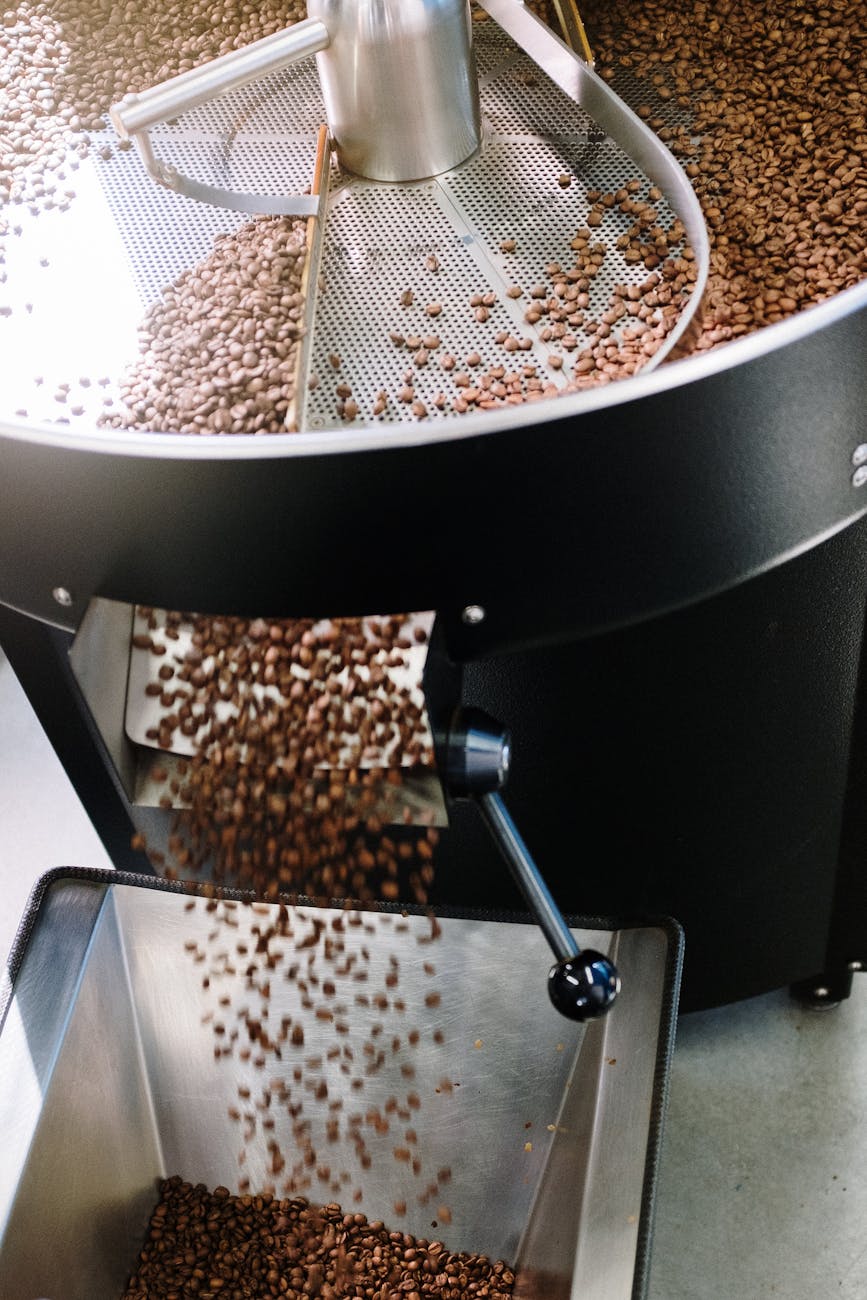
close-up of coffee beans roasting in an industrial machine, highlighting the roasting process.

‘”Learn the art of roasting coffee at home with the right equipment – your journey to perfectly customized roasting starts here.”‘

Basic equipment for home roasting

Understanding coffee beans

Coffee beans are the essential starting point for home roasting coffee. To begin, it is crucial to understand the different types of coffee beans available. The two main categories are Arabica and Robusta. Arabica beans are known for their complex flavors, acidity and aroma. They are usually more expensive and considered of higher quality. On the other hand, Robusta beans are stronger in flavor, have a higher caffeine content and a more bitter taste.

Choosing the right beans

When choosing coffee beans for home roasting, consider factors such as origin, processing method and degree of roasting. The origin of the beans can have a big impact on the flavor profile, as beans from different regions have distinct characteristics. The processing method, be it washed, natural or honey process, also affects the taste. In addition, the degree of roasting – light, medium or dark – determines the final taste and aroma of the coffee. On this page we have gathered further information on what to consider when choosing the beans and buying your green coffee.

Basic roasting appliances

There are several basic roasting appliances available for home coffee roasting enthusiasts. Popular options are stoves and popcorn machines, which provide an easy and affordable way to roast coffee beans. These machines allow manual control over the roasting process, making it easy to monitor the beans as they develop flavor. Another common choice is the hot air popcorn machine which uses hot air to evenly roast the beans. This method is quick and efficient, producing consistent results with minimal effort. In addition, some home roasters opt for a cast iron skillet or a dedicated coffee machine for roasting. These options provide more control over the roasting process and allow for experimentation with different roast profiles.

Advanced roasting equipment

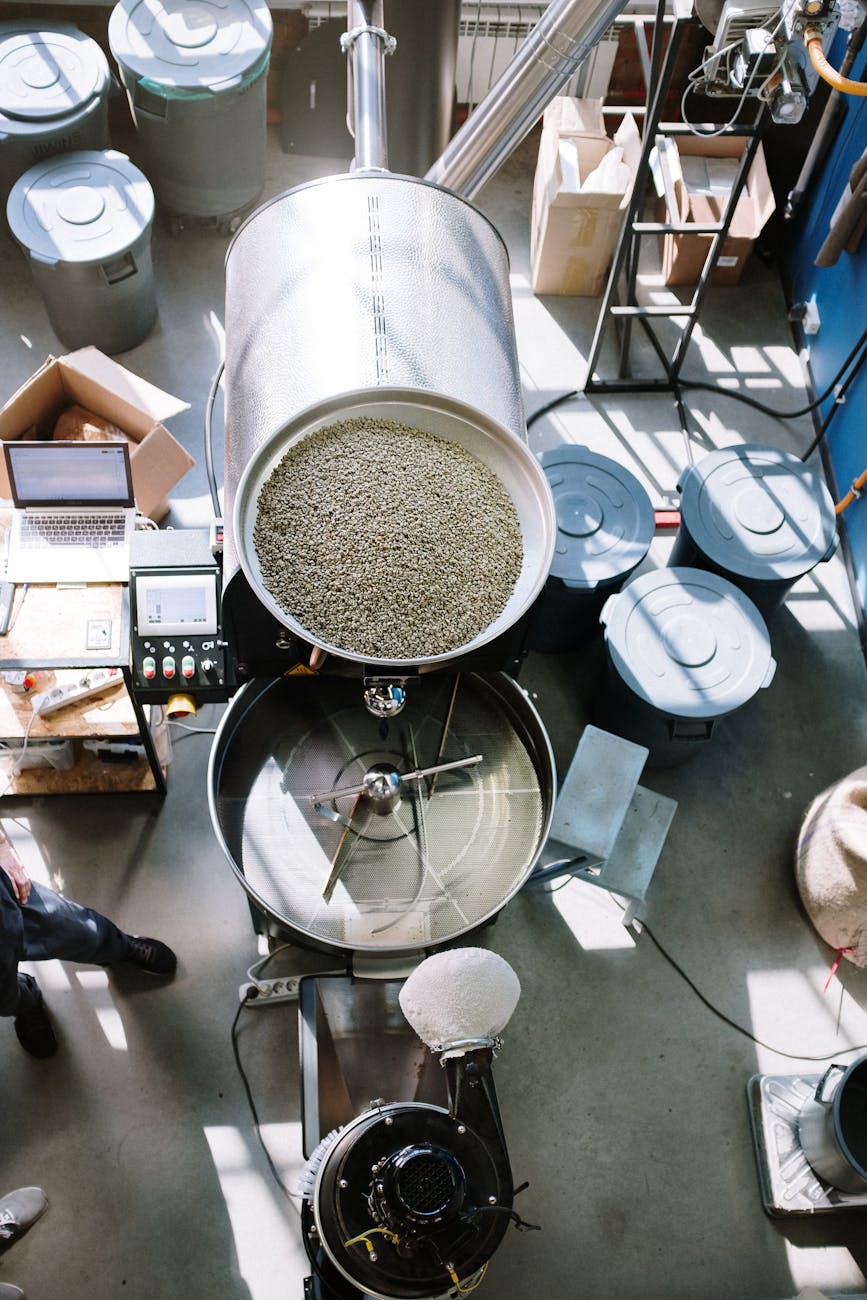
For those who want to take their home coffee roasting to the next level, advanced roasting appliances are available. Drum roasters are a popular choice among serious home roasters, offering precise temperature control and even roasting. These machines are capable of handling larger batches of beans and producing professional, high-quality results. We have a drum roaster at the roastery, a Giesen that holds 30 kr of green coffee. Another advanced option is a fluidbed roaster that uses hot air to roast the beans in a chamber, resulting in a clean and even roast. Some home roasters are also investing in hybrid roasters that combine elements of drum and fluidbed roasters for optimal control and flavor development.

Customized roasters

Custom roasters are designed for coffee enthusiasts who want full control over every aspect of the roasting process. These machines often come with advanced features such as customizable temperature profiles, airflow control, and data recording capabilities. Some custom roasters are modular, allowing users to upgrade or modify various components to suit their specific roasting preferences. While these appliances tend to be more expensive, they offer unrivaled precision and flexibility to roast coffee beans to perfection. Home roasters who are passionate about the art of coffee roasting may find that investing in a customized appliance is worth the cost for the ultimate roasting experience.

Proper ventilation

Having a well-designed ventilation system is essential for home coffee roasting to ensure the removal of smoke and odors generated during the roasting process. A proper ventilation installation usually consists of an exhaust fan placed close to the roasting equipment to capture the smoke at the source. This fan should be powerful enough to effectively remove the smoke and direct it outside the roasting area. In addition, installing a range hood above the roasting equipment can help to further contain and eliminate smoke.

Smoke control measures

elegant coffee cup on a wooden table in a cozy setting in artvin, türkiye.
In addition to ventilation, the implementation of smoke control measures can improve the overall roasting experience and minimize the impact of smoke on the surrounding environment. One effective method is to use a smoke suppressant agent that helps neutralize and reduce the intensity of smoke produced during roasting. These agents can be added to the roasting chamber or extraction system to facilitate smoke control. In addition, regular cleaning and maintenance of the ventilation system can prevent the build-up of deposits and ensure optimal performance in smoke extraction.

Air quality monitoring

To maintain a safe and healthy roasting environment, it is important to regularly monitor air quality. This can be achieved by using air quality sensors that detect the presence of smoke particles and other pollutants in the air. By keeping track of air quality levels, roasters can make adjustments to their ventilation system or roasting techniques as necessary to mitigate any potential health risks associated with poor air quality. Investing in air quality monitoring equipment is a proactive approach to ensuring a controlled and safe roasting environment for both the roaster and those around them.

Use of a thermometer

Monitoring roasting progress is essential to achieve the desired flavor profile in your home coffee roasting. One of the essential tools for this purpose is a thermometer. By measuring the temperature inside the roasting chamber, you can follow how the beans develop during the roasting process. Different roasting profiles require precise temperature control at different stages, from the drying phase to the first crack and beyond. A thermometer allows you to make real-time adjustments to the heat source to ensure consistent and even roasting.

Observation of color changes

Another way to monitor roasting progress is to observe the color changes of the coffee beans. As the beans are roasted, they undergo physical transformations that are visible to the naked eye. Carefully observe the color shift from green to yellow, then to various shades of brown as roasting progresses. Experienced home roasters often use visual cues along with scent and sound to determine the optimal time to finish roasting. Remember that different coffee varieties exhibit unique color changes, so it’s important to familiarize yourself with the specific beans you’re roasting.

Listen for audible clues

In addition to using visual cues and a thermometer, listening for audible cues is another effective way to monitor roasting progress. During the roasting process, coffee beans go through distinct stages that can be identified by the sound they produce. The first crack, a popping sound similar to popcorn, indicates that the beans are reaching a crucial stage of development. Subsequent cracks (second crack) indicate that the beans are progressing towards a darker roast. By listening carefully to these audio cues, you can make informed decisions about when to stop roasting to achieve the desired flavor profile. Experimenting with different degrees of roast while listening to the sounds can help you improve your roasting skills over time. At White Elk, we never roast into a second crack.

Correct storage container

When it comes to storing your freshly roasted coffee beans, choosing the right container is crucial. Choose airtight containers that can keep out light, air, moisture and odors. Glass jars with rubber seals or specially designed coffee storage jars are excellent choices. These containers will help preserve the flavor and aroma of your coffee beans for a longer period of time. Avoid using transparent glass containers as they let in light, which can potentially degrade the quality of your coffee. HERE is another great article on how to best store your freshly roasted coffee.

Location and temperature

The storage location of your roasted coffee also plays a significant role in maintaining its freshness. Store your coffee in a cool, dark place away from direct sunlight, heat sources and moisture. Avoid storing coffee near the stove, oven or in the refrigerator as these areas can compromise the flavor and quality of your beans. Room temperature is ideal for preserving the freshness of your coffee beans.

Freshness monitoring

To ensure you enjoy your coffee at its best, it is important to regularly monitor the freshness of your beans. Keep an eye on the roast date and try to consume your coffee within a few weeks of roasting for optimal flavor. Consider labeling your containers with the roast date to help you keep track of freshness. Additionally, if your coffee beans start to lose their aroma and flavor, it may be time to consider roasting a fresh batch. By paying attention to these details, you can enjoy the full potential of your home-roasted coffee beans.
overhead view of industrial coffee roaster with raw beans in a workshop setting.

FAQ

  • ‘What is the essential equipment needed for home coffee bean roasting?’‘The essential equipment for home coffee roasting includes a coffee roaster, a fan, a thermometer, a scale, and storage containers.
  • “Why is a coffee roaster important for home roasting?”‘A coffee maker is essential for home roasting because it allows you to control the degree of roasting, temperature and time, resulting in customized and fresh coffee beans.
  • ‘How does a fan contribute to the home roasting of coffee?’‘A fan helps to quickly cool the roasted coffee beans after the roasting process, which is crucial to prevent over-roasting and preserve the flavors.
  • Why is a thermometer necessary for home roasting coffee?’A thermometer is essential to accurately monitor the roasting temperature, ensure consistency and help you achieve the desired roasting profile.
  • ‘What role does a scale play in coffee hemi-roasting?’‘A scale is essential for measuring the exact amount of green coffee beans and tracking the weight loss during roasting, which will enable you to replicate successful roasts.

Photo by cottonbro studio on Pexels
Photo by Emre Öztürk on Pexels
Photo by cottonbro studio on Pexels

Posted on

The magic of Dalgona coffee: a step-by-step guide

close-up of a frothy dalgona coffee on a stylish wooden coaster with a rustic design.

‘”Discover the art of creating the perfect Dalgona coffee, where every whisk brings you closer to a moment of pure pleasure.”‘

The magic of Dalgona coffee: a step-by-step guide

Exploring the origins of Dalgona coffee

Dalgona coffee, a trend that took the world by storm, has its roots deeply rooted in South Korean culture. The name “Dalgona” comes from a traditional Korean sugar caramel known for its sweet and airy texture. This popular drink gained widespread attention after going viral on social media platforms, captivating coffee enthusiasts with its visually appealing layers and rich flavors.

Interestingly, the concept of Dalgona coffee is not entirely new. Similar whipped coffee drinks have been enjoyed in different cultures for decades, but it was the simplicity and accessibility of the recipe for Dalgona that made it a global sensation. The rise of homemade coffee culture, especially during the lockdown era, further contributed to the popularity of this frothy blend.

The craft behind Dalgona coffee

Creating the perfect Dalgona coffee requires care and patience. The key ingredients for the original include instant coffee, sugar, hot water and milk. Instant coffee, we know how we like it here at White Elk Coffee and in any situation where we can avoid it, we do! Choose one of our espressos instead. You can find these HERE. By whisking these components together in a specific proportion, a velvety smooth coffee foam is achieved. The careful whisking process is crucial as it transforms the mixture into a light and fluffy consistency that can be easily layered on top of milk.

In addition, the art of layering plays a significant role in the presentation of Dalgona coffee. By gently pouring the frothy blend over chilled or hot milk, a striking two-tone effect is created that enhances the overall sensory experience. The contrast between the creamy milk base and the frothy coffee layer offers a delightful blend of textures and flavors.

Customize your Dalgona coffee experience

One of the most appealing aspects of Dalgona coffee is its versatility. While the classic recipe calls for a simple blend of coffee, sugar, water and milk, enthusiasts have embraced creative variations to suit their preferences. For those seeking a decadent twist, the addition of flavored syrups, spices or extracts can raise the flavor profile of the drink.

In addition, Dalgona coffee can be customized to suit dietary restrictions or personal taste preferences. Options such as using plant-based milk alternatives, adjusting the sweetness level or experimenting with different coffee blends offer endless possibilities to create a personalized Dalgona coffee experience. Whether you prefer a traditional approach or like to experiment with unique flavor combinations, Dalgona coffee invites creativity and exploration in every cup.

The captivating origins

Believed to have originated in South Korea, Dalgona coffee quickly gained popularity worldwide. The name “Dalgona” actually comes from a type of Korean honeycomb, known for its sweet and creamy taste. The trend of making Dalgona coffee at home started in the early 2020s as people sought ways to recreate cafe-like drinks during lockdown time.

What sets Dalgona coffee apart is its visually appealing layered look, with a frothy whipped coffee blend on top of cold or hot milk. This aesthetic presentation, combined with the simplicity of making it with just a few simple ingredients, contributed to its rapid popularity on social media platforms like TikTok and Instagram.

The viral sensation

As more and more people experimented with making Dalgona coffee and shared their creations online, the trend spread like wildfire. The hashtag #DalgonaCoffee started trending on various social media platforms, leading to an increase in interest and participation. Influencers and celebrities also jumped on the trend, further contributing to its popularity.

The attraction of Dalgona coffee lies not only in its visual appeal but also in its versatility. Coffee lovers have taken to customizing the recipe by adding different flavors, such as caramel or chocolate, or using alternative types of milk such as almond or oat milk. This adaptability has contributed to its wide popularity among a diverse audience.

The global phenomenon

What started as a simple trend in South Korea quickly turned into a global phenomenon, with people from all corners of the world trying to make Dalgona coffee. The simplicity of the recipe, which calls for equal parts instant coffee, sugar and hot water whisked until frothy, made it accessible to coffee enthusiasts of all skill levels.

From Asia to Europe to the Americas, Dalgona coffee became a symbol of unity during a time of uncertainty and isolation. It served as a creative outlet for many individuals sitting at home, allowing them to connect virtually with others through a shared love for this wonderful and easy-to-make beverage.

Key ingredients for the perfect Dalgona coffee

When it comes to creating the perfect Dalgona coffee, the key lies in choosing high-quality ingredients that will elevate the flavor profile of this trendy beverage. One of the most crucial components is instant coffee. Choose a good quality instant coffee that boasts a rich and robust flavor. The type of instant coffee you choose will have a great impact on the final taste of your Dalgona coffee.

delicious creamy coffee topped with cinnamon dalgona foam, perfect for autumn mornings.

Sweeteners and flavor enhancers

Another essential ingredient to achieve the characteristic sweet and creamy texture of Dalgona coffee is sugar. You can use regular granulated sugar, brown sugar or even alternatives such as honey or maple syrup depending on your preferences. In addition, consider adding a dash of vanilla extract or flavored syrups to enhance the overall taste of your Dalgona coffee.

The role of milk and semen

For the base of your Dalgona coffee, the choice of milk or cream is crucial. Whole milk will provide a rich and creamy texture, while plant-based options such as almond milk or oat milk can offer a lighter and nuttier flavor profile. Experiment with different types of milk to find the perfect balance to suit your taste preferences. Plus, you can top your Dalgona coffee with a pinch of cocoa or cinnamon for an extra layer of flavor complexity.

The master of the art of whisking

To achieve the perfect whipped coffee, start by using equal parts instant coffee, sugar and hot water. The ideal ratio is 1:1:1 to ensure a balanced taste and the right consistency. When whisking the ingredients together, it is crucial to use a hand whisk, electric whisk or even a simple whisk for a powerful and continuous whisking process. The key is to create a thick and creamy texture with stiff peaks forming, similar to whipped cream.

Understanding the whipping technique

When whisking the coffee mixture, pay attention to the color change from dark brown to a light, frothy caramel color. This change indicates that air is being incorporated into the mixture, resulting in the desired fluffy texture. Be patient during the whipping process, as it can take anywhere from 5 to 10 minutes to achieve the perfect whipped coffee texture.

Test for the right consistency

To test if the whisked coffee is ready, lift the whisk or blender from the mixture and observe the peaks that form. If the peaks retain their shape and do not immediately dissolve back into the mixture, then your whipped coffee is ready to serve. The consistency should be thick enough to spoon onto milk or a milk alternative without sinking or immediately blending in, providing a lovely contrast in both texture and flavor.

Improving the flavor profile

To elevate your Dalgona coffee experience, consider experimenting with different types of coffee beans to enhance the flavor profile. Choose high-quality, freshly ground coffee beans for a richer and more aromatic brew. You can also try mixing different coffee bean varieties to create a unique blend that suits your taste preferences.

Further, consider including flavor enhancements like a dash of vanilla extract, a pinch of cinnamon or a twist of citrus zest to add depth and complexity to your Dalgona coffee. These simple additions can elevate your coffee to the next level and offer a delightful sensory experience.

Perfecting the texture

Texture plays a crucial role in the overall enjoyment of Dalgona coffee. To achieve a velvety smooth and creamy texture, make sure you whisk the coffee blend to stiff peaks with equal parts coffee, sugar and hot water. Take your time to whisk the mixture thoroughly until it reaches a thick and luscious consistency.

Further, consider adjusting the proportion of ingredients to customize the texture according to your preferences. If you prefer a lighter and airier texture, you can slightly increase the amount of hot water. On the other hand, if you prefer a denser and more decadent texture, you can reduce the amount of water for a more robust coffee experience.

Explore garnishing options

Garnishes can not only enhance the visual appeal of your Dalgona coffee but also add an extra layer of flavor complexity. Try using different garnishes such as chocolate chips, caramel strands or crushed nuts to create a visually impressive and delicious drink.

Further, consider including whipped cream, a pinch of cocoa or a dollop of flavored syrup to elevate the presentation and taste of your Dalgona coffee. By exploring different garnish options, you can customize your coffee creation to suit your mood and occasion, making each cup a unique and delightful experience.


elegant latte art in a glass cup on a rustic wooden table, indoor cafe setting.

FAQ

  • ‘What is Dalgona coffee? Dalgona coffee is a whipped coffee drink made by whisking together instant coffee, sugar and hot water to create a frothy mixture that is then poured over milk. It became popular on social media as a trendy and visually appealing coffee drink.’
  • ‘How do you make Dalgona coffee hema? To make Dalgona coffee at home, mix equal parts instant coffee, sugar and hot water in a bowl. Whisk the mixture vigorously with a hand whisk or electric whisk until it becomes thick and frothy. Pour the whisked coffee over a glass of milk and enjoy!’

  • ‘Can I use a different type of coffee for Dalgona coffee?’‘Although traditional Dalgona coffee is made with instant coffee, you can experiment with using different types of coffee such as espresso powder or finely ground coffee. Just remember that the texture and taste may vary depending on the coffee you choose.
  • ‘Should Dalgona coffee have a lot of caffeine in it?’Dalgona coffee can be high in caffeine, especially if you use a strong instant coffee or espresso beans. The amount of caffeine in Dalgona coffee depends on the type and amount of coffee used in the recipe. It is best to enjoy it in moderation if you are sensitive to caffeine.’
  • ‘Can I customize Dalgona coffee with flavors?’Yes, you can customize Dalgona coffee with different flavors to suit your preferences. Add a dash of vanilla extract, cinnamon, chocolate syrup or flavored syrups to the whipped coffee blend for a unique twist. Be creative and experiment with different flavor combinations!

Photo by khats cassim on Pexels
Photo by Maria Georgieva on Pexels
Photo by Burak Evlivan on Pexels