

This is the role pressure plays in the art of espresso brewing

”In the art of brewing espresso, pressure is not just a gauge of power; it is the conductor orchestrating the symphony of flavor.”
What does ’pressure’ mean in the world of espresso?
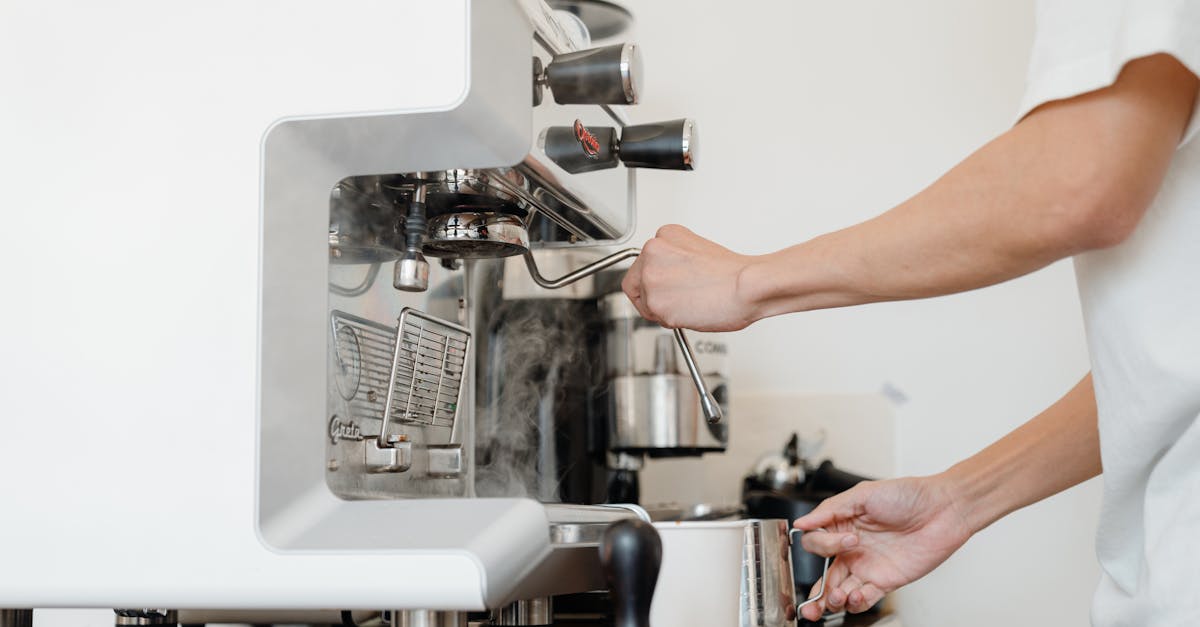
In the world of espresso, the term ’pressure’ is crucial to understanding how a perfect cup of espresso is made. Pressure, measured in bars, refers to the force used to push the hot water through the finely ground coffee powder. This process is at the heart of espresso making and requires precise control to achieve the right balance of flavors. The ideal pressure is approximately 9 bar. It is this pressure that allows for the efficient extraction of the coffee’s oils and flavors, which are essential for creating a rich and aromatic espresso.
The reason why 9 bar has become the golden standard for espresso brewing is that this pressure has proven to be the most effective in extracting the right flavors and aromas from the coffee. A higher or lower pressure than this can result in an espresso that is either over-extracted and bitter, or under-extracted and watery. Therefore, it is important for both professionals and home baristas to be able to accurately control the pressure to ensure a consistent quality of their espresso.
Emulsifying oils and the perfect cream
One of the most visible effects of the right pressure during espresso brewing is the creation of crema – the thick, flavorful foam that forms on the surface of the espresso. The pressure emulsifies the oils in the coffee, resulting in the desired cream consistency and contributing to a superior taste experience. The crema is not only aesthetically pleasing; it also plays an important role in flavor, as it contains finely dispersed coffee particles and oils that are crucial to the rich flavor profile of espresso.
The crema adds to the espresso experience by making the flavor more nuanced and deep. A perfect crema indicates that the extraction process has been successful, meaning that the pressure has been applied correctly to optimize the flavour extraction from the coffee beans. That’s why baristas and coffee enthusiasts strive to fine-tune their techniques and machines to always produce the ideal quality of crema, which is the sign of a skillfully made espresso.
From beans to rich taste – the role of pressure
Pressure plays a key role in the extraction process, where hot water under high pressure is forced through finely ground coffee. This method helps to quickly but efficiently extract the complex flavors and aromas from the coffee beans. By using a pressure of around 9 bar, one can ensure that the water is pushed through the coffee in a way that extracts its rich flavor profiles without overpowering and thus producing a bitter and undesirable taste.
The fine flavor notes brought out thanks to the optimal pressure are what make espresso a unique coffee drink. The pressure allows a concentration of flavors that would be difficult to achieve with other brewing methods. It is the ability to extract a symphony of flavors from a small amount of coffee that makes espresso brewing an art form. Therefore, knowing how pressure affects coffee extraction is essential for anyone who wants to produce high-quality espresso drinks.
Achieving consistent quality with the right pressure
The importance of constant pressure levels
Maintaining constant pressure is not only important – it is crucial for espresso quality. Because pressure affects how water passes through the ground coffee, the slightest variation can result in a noticeable difference in taste. To brew consistently good espresso drinks, baristas must carefully monitor and adjust the pressure as needed. This involves an understanding of the mechanics of the espresso machine and an ability to fine-tune the settings based on the characteristics of the coffee beans and the desired end result.
For home baristas, this may sound daunting, but many modern espresso machines offer built-in pressure gauges and adjustable settings that allow you to control and customize the pressure more precisely. Investing time in learning how to read these meters and understanding what the adjustments mean can make a big difference in espresso making.
Technology meets taste
The use of modern technology in espresso machines has revolutionized the way we approach the role of pressure in coffee brewing. Innovative features such as pressure profiling allow baristas to fine-tune the pressure during the different phases of the extraction process to tailor the flavor profile as desired. This type of technology is not only reserved for professional espresso machines. Even home baristas can benefit from similar technologies in consumer machines to experiment with and improve their coffee drinks.
Combining traditional brewing techniques with the latest technology allows for a unique opportunity to create espresso drinks with unrivaled taste and quality. By understanding and exploiting the role of pressure in espresso making, home baristas can achieve results that were previously only possible in professional settings. This opens up a world of creativity and taste experiences for coffee enthusiasts everywhere.
Frequently asked questions about pressure in espresso production
Many questions revolve around the ideal standard of 9 bar pressure: ”Why 9 bar?” This standard is the result of a long period of experimentation and has proven to provide the best balance point for extracting rich flavors and desirable crema from coffee. It is a balance between being high enough for effective extraction and not too high to avoid negative off-flavors.
Another common question is the difference between machines with different maximum pressure levels. Although some machines can offer higher pressures than 9 bar, it is important to remember that it is the machine’s ability to consistently maintain the ideal pressure that is crucial, and not its maximum pressure capacity. Learning how to adjust and control the pressure based on the specific characteristics of your machine and the coffee you are using will help improve your espresso significantly.
Final words on the magic of pressure in every espresso
Mastering the pressure of espresso brewing is an art form that can take time to learn, but the reward of premium espresso makes the journey worth the effort. Each coffee variety and brewing session offers a new opportunity to explore and discover how subtle changes in pressure can affect the final product. I encourage every espresso enthusiast to keep experimenting, learning and refining in search of the perfect cup. With the right knowledge and tools, every espresso is a chance to reach new heights of coffee art. Take the time to explore the magic of pressure – your coffee drinking will never be the same again.

FAQ – The role of pressure in the art of espresso brewing
What is the ideal pressure for brewing espresso and why is it important?
The ideal pressure for brewing espresso is about 9 bar. This pressure is important because it allows for the efficient extraction of the coffee’s oils and flavors, which produce a rich and aromatic espresso. The 9 bar pressure is the result of a long period of experimentation and has proven to be the best balance to achieve the desired crema and a well-balanced taste.
How does pressure contribute to the creation of crema in an espresso?
The pressure in the espresso brewer emulsifies the oils in the coffee during the extraction process, resulting in crema – the thick and flavorful foam that forms on the surface of the espresso. The right pressure is crucial for this as it ensures that the finely divided coffee particles and oils are properly emulsified, contributing to the complex flavor profile of the espresso and the desired creaminess.
What role does pressure play in the taste of espresso?
Pressure plays a crucial role in extracting the complex flavors and aromas from the coffee beans, contributing to a concentration of flavors unique to espresso. A correctly calibrated pressure ensures that the water is pushed through the finely ground coffee in a way that optimizes flavour extraction, while the wrong pressure can lead to over- or under-extraction and negatively affect flavour and quality.
Can too much or too little pressure affect the quality of espresso?
Yes, a pressure higher or lower than the recommended 9 bar can have a significant impact on the quality of the espresso. Too much pressure can result in an over-extracted espresso that is bitter and has negative off-flavors, while too little pressure can result in an under-extracted and watery taste. Therefore, it is important to carefully control and adjust the pressure to obtain a consistent and high-quality espresso.
How can I, as a home barista, control the pressure during espresso brewing?
As a home barista, you can control the pressure by using espresso machines with built-in pressure gauges and adjustable settings. Investing the time to understand how these meters work and how the adjustments affect the brew can make a big difference to the quality of your espresso. Continuous experimentation and adaptation to the characteristics of the coffee beans and the desired flavor result are also key factors in achieving optimal pressure and thus better espresso.

Photo by Pixabay on Pexels
Photo by Valeriia Miller on Pexels
Photo by Jannet Serhan on Pexels
Continue reading
-

Gravid och koffeinfritt: säkert för dig och bebisen?
”Koffeinfritt under graviditeten: En säker guide för blivande mammor” Koffeinfritt under graviditeten är en viktig fråga för många. Graviditeten påverkar kroppens förmåga att bryta ned…
-

Kaffe och hälsa: inflammationsdämpare eller bov?
**Kaffe och Inflammation: En Komplex Relation** Kaffe är en av världens mest konsumerade drycker och innehåller antioxidanter som kan minska inflammation och skydda mot sjukdomar…
-

Kaffe och vikt – balanserar du rätt?
Kaffe och vikt – Hitta din guldkant utan att tippa vågen Kaffe och vikt är ett hett ämne inom hälsa. Svart kaffe, med sitt låga…
-

Sanningen om koffeinfritt – är det verkligen bra?
Sanningen om koffeinfritt kaffe: Är koffeinfritt kaffe bra? Koffeinfritt kaffe är ett hälsosamt alternativ för dig som vill undvika koffeinets negativa effekter som ångest och…
-

Kaffets surhet: hälsa och smakupplevelse
Kaffets surhet påverkas av dess pH-värde, som ligger mellan 4,85 och 5,10. Är kaffe surt? Ja, och detta beror på närvaron av olika syror som…
-

Kaffe före träning – ökar prestationen med varje kopp?
Att dricka kaffe före träning kan förbättra både styrka och uthållighet, tack vare koffeinets stimulerande effekter på centrala nervsystemet. För bästa resultat bör kaffe konsumeras…
-

Kaffe och antioxidanter: Din hälsosamma kopp?
**Kaffe och antioxidanter: En hälsosam kopp?** Kaffe är en av de största källorna till antioxidanter i västerländska dieter, vilket kan bidra till att minska risken…
-

Rosta för kropp i kaffet
Kropp i kaffe refererar till kaffets fyllighet och känsla i munnen. Det påverkas av bryggmetoder som franskpress och espresso, samt av kaffebönornas ursprung och bearbetning.…
-

Gurkmeja i kaffe – en hälsoboost i din kopp
Gurkmeja i kaffe har blivit en populär trend bland hälsoentusiaster tack vare dess antiinflammatoriska och antioxidantegenskaper. Att tillsätta gurkmeja i ditt kaffe kan förbättra din…
-

Kaffe och hälsa: Uppgradera ditt kaffe med superfoods
**Kaffe och hälsa: Uppgradera ditt kaffe med superfoods** Ge ditt kaffe en hälsoboost genom att tillsätta superfoods som kanel, ingefära, svamp, gurkmeja, maca och kakao.…
-

Kaffets roll i jakten på ett längre liv
Kaffe är en populär morgonritual som inte bara ökar vaksamheten utan också bidrar till ett längre liv. Studier visar att kaffe, rikt på antioxidanter, kan…
-

Är kaffe uttorkande eller hydrerande?
**Är kaffe uttorkande eller hydrerande?** Kaffe är en av världens mest älskade drycker, men är kaffe uttorkande? Forskning visar att måttlig kaffekonsumtion (1-2 koppar per…
-

Njut och må bättre: 9 oväntade fördelar med kaffe
**Din hälsa i en kaffekopp: Fördelar med kaffe** Kaffe, en global favoritdryck, erbjuder många hälsofördelar som ofta förbises. Förutom att ge en energikick på morgonen,…
-

Smakguide: Upptäck rostningsdefekter i kaffekoppen
Upptäck rostningsdefekter i kaffekoppen och förbättra kaffets smakupplevelse. Lär dig identifiera vanliga defekter som underutveckling, bakad smak, svedda och tippade bönor. Förstå vikten av första…
-

Hemmarostarens guide till rätt råkaffe
Upptäck äventyret med råkaffe och lär dig att rosta hemma med vår omfattande guide till att köpa rätt råkaffe. Förstå bönans resa från gård till…
-

Så förvandlas kaffebönor till koffeinfritt kaffe
### Så förvandlas kaffebönor till koffeinfritt kaffe Kaffe utan koffein, eller koffeinfritt kaffe, avlägsnar majoriteten av koffeinet från bönorna för att undvika negativa effekter som…
-

Allt om hur kaffe skördas
En resa genom kaffeskörden beskriver i detalj hur skördas kaffe, från mogna kaffebär till färdig dryck. Skörden sker främst genom tre metoder: handplockning, stripning och…
-

Kaffe med balans: decaf mot low-caf
Low-caf kaffe erbjuder en balanserad lösning för kaffeälskare som vill undvika koffeinets negativa effekter. Medan traditionellt kaffe och decaf ofta har sina nackdelar, är low-caf,…
-

Utforska tredje vågens kaffe
**Från bönans ursprung till ditt kaffefat: En resa med tredje vågens kaffe** Kaffeindustrin är en global jätte som omfattar allt från odling till konsumtion. Tredje…
-

Vad är koppning av kaffe och hur gör man?
Koppning är en avgörande metod inom kaffeindustrin som används för att bedöma kaffes kvalitet och smak. Den innebär systematisk smakning och utvärdering av kaffets karaktärsdrag,…
-

Arabica kaffebönor – en värld av smakvariationer
Arabica kaffebönor erbjuder kaffeälskare en rikedom av smaker tack vare dess mångfaldiga sorter som Bourbon, Typica och Geisha. Dessa bönor, som dominerar världens kaffeodling, utvecklas…
-

En djupdykning i världens äldsta bryggmetoden
Upptäck kaffets urgamla konst, där traditionella redskap som cezve och ibrik representerar den äldsta bryggmetoden för kaffe, en djupt rotad tradition som firas globalt. Denna…
-

Rengör din kaffekvarn som ett proffs – för smakens skull
Att regelbundet rengöra kaffekvarnen är essentiellt för en optimal kaffeupplevelse. En oren kvarn påverkar negativt smaken genom ansamling av gamla kaffepartiklar och oljor. Använd varmt…
-

Huvudvärk från kaffe: 6 oväntade skäl
Upptäck orsakerna till huvudvärk från kaffe, från koffeinabstinens till överdosering och koffeinallergi. Kaffe kan ge både koncentrationsförmåga och huvudvärk, där abstinenssymptom och överkonsumtion är vanliga…
-

Skapa den perfekta kaffeblandningen
Kaffeblandning är en konst som innebär mer än att bara mixa olika kaffesorter för smakens skull. Det är en process som syftar till att skapa…
-

Så skördas kaffe: Metoder med precision och omsorg
Börja dagen med en djupgående inblick i hur vi skördar kaffe, en essentiell process för vår älskade morgondryck. Vi utforskar de olika metoderna – traditionell…
-

Kaffeodling i Uganda: En bönas resa mot perfektion
Uganda, en ledande kaffeproducent, erbjuder en rikedom av aromer från den näringsrika röda jorden. Landet är känt för sitt Arabica och Robusta kaffe, vars unika…
-
Denna roll spelar trycket i espressons bryggkonst
I espressons värld är ”tryck”, mätt i bar, avgörande för att skapa en perfekt kopp espresso. Trycket, idealiskt vid 9 bar, pressar hett vatten genom…
-

Kaffets säsong – smakens tidsresa från plantage till kopp
Upplev kaffets säsong och dess unika resa från planta till kopp. Varje steg i kaffeproduktionen, från skörd under rätt mognadstidpunkt till noggrann rostning, påverkar kaffets…
-

Var är filterkaffe den mest älskade bryggmetoden?
Filterkaffe är en globalt omtyckt dryck, från Skandinaviens dagliga ritualer till USA:s enkla vardagsnjutning och Japans ceremoniella precision. I Skandinavien är det en kulturell institution…
-

Hur man använder olika koppar för olika kaffe
Upptäck hur koppar för kaffe kan förändra din smakupplevelse. Forskning visar att koppens form påverkar arom, sötma och syrlighet i kaffet. Tulpanformade koppar koncentrerar aromer…
-

Ristretto – Italiens smakrika minsting
I Italien är ristretto mer än bara kaffe; det är en koncentrerad njutning och en del av kulturen. Denna intensiva espresso-variant utmärker sig med stark,…
-

Perkulatorns charm – en kaffeupplevelse utöver det vanliga
Upplev den rika smaken av perkulator kaffe, en traditionell bryggmetod som erbjuder djup och komplexitet. Perkulatorn är snabb och enkel, perfekt för hektiska morgnar, samtidigt…
-

Lungo: när espresson tar ett större kliv
Lungo är en kaffedryck som vinner mark i Sverige, en mildare espresso med förlängd bryggningstid som ger en större mängd kaffe med bevarad intensitet. För…
-
Cortado – mer än bara kaffe och mjölk
Upplev cortado, en spansk kaffespecialitet som förenar stark espresso med silkeslen mjölk i en perfekt balans. Med rätt espressobönor och försiktigt skummad mjölk kan du…
-

Jordhälsans roll i hållbart kaffe
Jordhälsan är avgörande för en hållbar kaffeodling och tacklar klimatutmaningar genom att främja en rik biologisk mångfald och näringstät jord. Forskningar visar att regenerativt jordbruk…
-

Specialkaffe för nybörjare: så gör du
Uppvaknandet till en värld av specialkaffe för nybörjare är en resa fylld av upptäckter och njutningar. Från att välja mellan häll-över och franskpress, till att…
-

Bästa tipsen förr att få till franskt presskaffe
Upptäck konsten att brygga perfekt franskt presskaffe genom att välja färska kaffebönor, uppnå den ideala malningsgraden och balansera kaffe-vattenförhållandet för en rik smakupplevelse. Börja med…
-

Förfina din bryggkonst genom att blomma ditt pour over-kaffe
Optimera smaken på ditt kaffe med konsten att blomma pour over-kaffe. Blomning av kaffe är en avgörande steg för att frigöra gaser och förbättra smakextraktionen.…
-

Skapa ett unikt varumärke för ditt café – så här gör du!
Att skapa ett starkt café varumärke innebär att definiera ditt ’varför’ och mission för att sticka ut från mängden. Genom att integrera kärnvärden som hållbarhet…