

The amount of caffeine in your daily cup of coffee


The caffeine content varies greatly in your daily cup of coffee, reminding us that each brew holds its unique secrets to energy and alertness.
Learn about the caffeine content of your daily cup of coffee
Defining a Standard Cup of Coffee
When discussing coffee, it is important to understand what constitutes a “standard” cup. In Sweden, the cups are a bit small, but internationally, a standard cup of coffee is considered to be an 8-ounce serving of brewed coffee. This means about 2.5 dl and it is also the cup we as coffee roasters often use. The brewing method, coffee bean type, and grind size can all affect the final measurement, but an 8-ounce cup serves as a useful starting point. It’s important to note that the strength and flavor of this standard cup can vary greatly depending on the coffee-water ratio and brewing time. For those who are fussy about their coffee, even the water temperature can play a significant role in the resulting cup. The standard cup is often used as a reference point when discussing caffeine content, allowing comparisons between different coffee types and brewing methods.
Factors Affecting Caffeine Content
The caffeine content of a standard cup of coffee can vary depending on several factors. One of the main determining factors is the type of coffee bean used. Arabica and Robusta are the two most common types of coffee beans, with Robusta generally containing more caffeine than Arabica. The roasting process also plays a significant role; darker roasts tend to have slightly less caffeine than lighter roasts due to the longer roasting time. However, the difference is often minimal. The brewing method is another critical factor. For example, drip coffee brewers usually provide a different caffeine content compared to French press or espresso methods. The grind of the coffee also affects how much caffeine is extracted during brewing. A finer grind usually results in more caffeine extraction, while a coarser grind may extract less. In addition, the coffee-to-water ratio can significantly affect the level of caffeine. A higher ratio of coffee to water usually means more caffeine per cup. Understanding these factors can help coffee drinkers make informed choices about their caffeine intake.
Measuring Caffeine in Your Coffee
Measuring the exact caffeine content of a standard cup of coffee can be challenging, as it depends on various factors. On average, a standard cup (2.5 dl or 8 ounces) of brewed coffee contains about 95 milligrams of caffeine. However, this number can vary depending on the specific variables at play. For example, a cup brewed with a French press may have a different caffeine concentration than one made with a drip coffee maker. Grind size and brewing time can also change caffeine levels. To measure caffeine more accurately, some individuals turn to specialized testing kits or laboratory equipment, although this is not practical for everyday use. Instead, many coffee drinkers rely on general estimates from coffee producers or online resources that estimate caffeine content based on brewing methods and bean varieties. These estimates allow coffee enthusiasts to regulate their intake more effectively, ensuring they enjoy their coffee without consuming excessive amounts of caffeine. Understanding these nuances can improve the coffee experience by tailoring it more to personal preferences and dietary needs.
Understanding the Espresso Caffeine Kick
Espresso is often perceived as a high-octane caffeine shot, and this reputation is well-deserved, although it’s important to understand the nuances. A single shot of espresso, usually about 1 ounce, contains about 63 milligrams of caffeine. While this seems modest compared to a regular cup of coffee, which can have anywhere from 95 to 200 milligrams per 8-ounce serving, the concentration of caffeine in espresso is much higher. This is due to the brewing process, where hot water is forced through finely ground coffee under high pressure, extracting a rich, bold flavor along with a hefty caffeine kick. The small serving size means that people often consume several shots in a single sitting, which can easily match or exceed the caffeine content of a standard cup of coffee. In addition, espresso forms the base of many popular coffee drinks such as lattes, cappuccinos and macchiatos, which can further alter overall caffeine intake depending on the number of shots used. Understanding these dynamics is crucial for coffee drinkers striving to effectively manage their caffeine intake.
Caffeine in a Regular Cup of Coffee
Unlike espresso, a regular cup of coffee offers a more diluted caffeine experience, but often in larger quantities. A typical 8-ounce cup of brewed coffee contains around 95 milligrams of caffeine, but this can vary significantly based on several factors, such as the type of coffee bean, the grind size, and the brewing technique. For example, lighter roasts usually have slightly higher caffeine content than darker roasts, as the roasting process can affect caffeine levels. In addition, brewing methods such as pour-over or French press yield different caffeine concentrations due to the varying exposure time of water to the coffee powder. While the caffeine content per ounce is lower than that of espresso, the larger serving size means that regular coffee drinkers can consume as much or more caffeine in a day. This makes it important to consider not only the caffeine content per serving, but also the total volume consumed, especially for those who are sensitive to caffeine or who are monitoring their intake for health reasons.
Comparison of Caffeine Intake from Both Brew Types
When comparing caffeine intakes from espresso and regular coffee, the differences are about both concentration and consumption habits. The concentrated nature of espresso means that even a small amount provides a significant caffeine kick, but its smaller serving size is often underestimated. In contrast, while a regular coffee may seem milder, the larger serving sizes and the tendency to drink multiple cups throughout the day can lead to a higher total caffeine intake. Personal preferences also play a role, as some people may prefer the intense flavor of espresso, while others enjoy sipping a large cup of coffee over a longer period of time. In addition, the choice between espresso and regular coffee can be influenced by the desired caffeine effects, whether it is a quick energy boost from an espresso shot or a gradual wakefulness achieved by sipping on regular coffee. Understanding these differences helps coffee enthusiasts make informed choices about their caffeine intake, tailoring their coffee habits to suit their lifestyle and caffeine intolerance levels.
Differences in Bean varieties
Coffee is mainly grown from two main bean varieties: Arabica and Robusta. These two types of beans differ not only in taste and growing conditions but also in their caffeine content. Arabica, known for its smooth and mild flavor profile, is the most popular type of coffee bean and accounts for about 60% of the world’s coffee production. It is grown at higher altitudes and requires more specific growing conditions, such as cooler temperatures and higher humidity. Arabica beans usually have a caffeine content between 1.2% and 1.5%.
On the other hand, the more robust and hardy Robusta beans are grown at lower altitudes and can withstand harsher conditions. They contain between 2.2% and 2.7% caffeine, almost twice as much as Arabica beans. This higher caffeine content contributes to Robusta’s more bitter and stronger taste. The increased caffeine level also acts as a natural pest repellent, making Robusta beans less susceptible to insects. These differences in caffeine content and flavor profiles mean that the choice between Arabica and Robusta can significantly affect the caffeine level in your coffee and the overall taste experience.
Impact on Taste and Experience
The choice between Arabica and Robusta beans affects not only the caffeine content but also the taste and overall experience of your coffee. Arabica beans are prized for their complex flavor profiles, which can include notes of fruit, sugar and even floral undertones. This complexity makes Arabica beans a favorite among coffee enthusiasts and specialty coffee producers. The lower caffeine content of Arabica also contributes to its smoother, less bitter flavor, making it suitable for a variety of brewing methods, including pour-over and espresso.
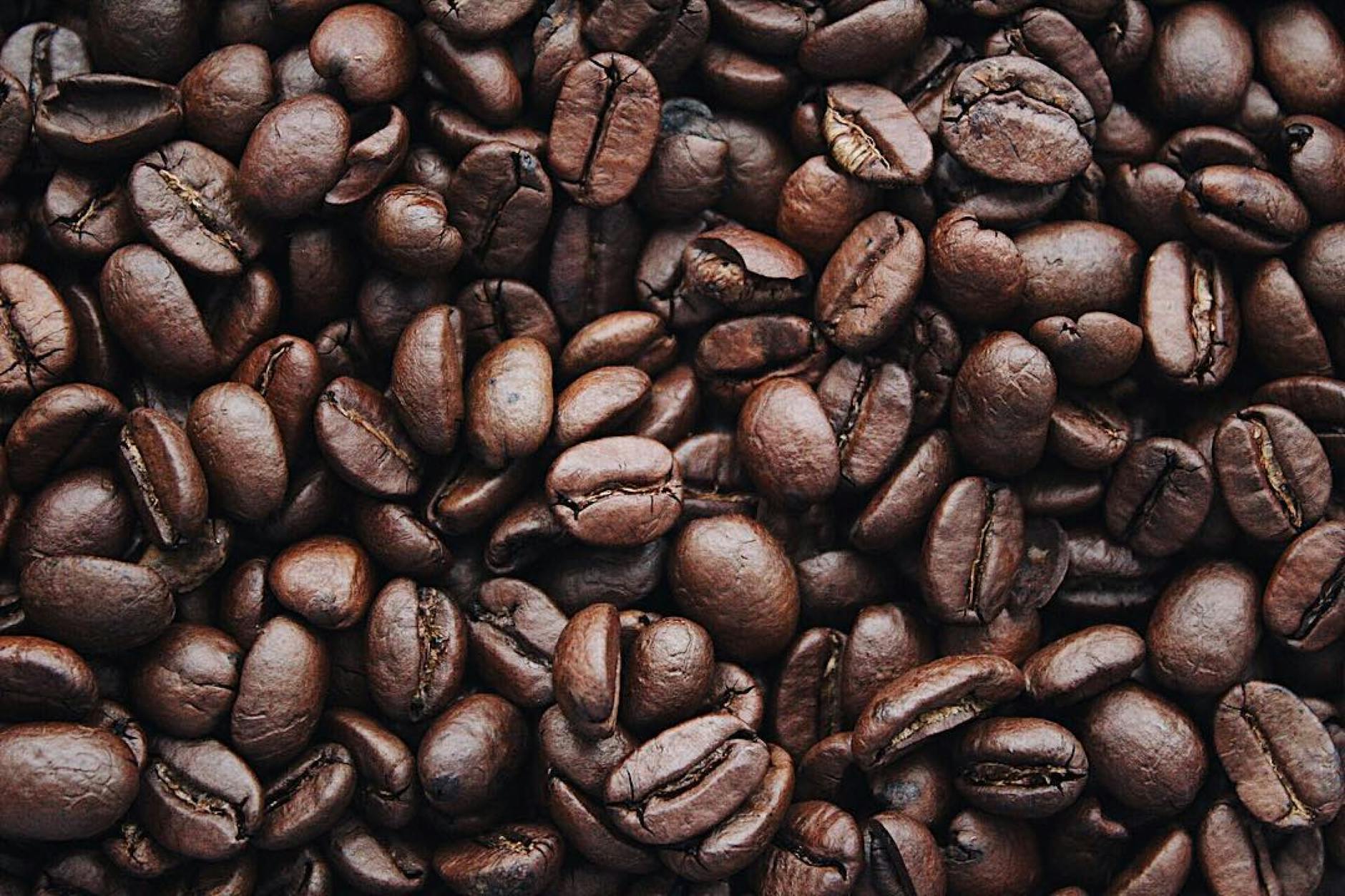
In contrast, Robusta beans are often used in blends, especially in espresso blends, where the strong, bold flavor can complement the softer Arabica. The higher caffeine content of Robusta contributes to a thicker crema on espresso, enhancing its richness and body. While Robusta’s stronger, more astringent flavor may be less appealing to some, it is preferred for its ability to deliver a powerful caffeine kick. Therefore, it is important for coffee drinkers to understand how these bean varieties affect both caffeine content and flavor in order to tailor their coffee experience to their preferences.
Here at White Elk Coffee we sell both robusta and arabica. You can read more about what we are roasting right now HERE!
Choosing the right prayer for your needs
When choosing coffee beans, understanding the differences in caffeine content and flavor between Arabica and Robusta can help you choose the right coffee for your needs. If you prefer a mild, nuanced cup with a moderate caffeine boost, Arabica beans are likely to be the best choice. They’re perfect for those who like to explore different flavor profiles and appreciate a smoother taste. Arabica is also ideal for those who may be sensitive to caffeine but still want to enjoy a flavorful cup of coffee.
For those who need a more intense caffeine kick or who prefer a stronger, more robust flavor, Robusta beans may be more suitable. They are often more affordable and are used in many commercial coffee blends, especially instant coffee and espresso. Robusta beans provide the boldness and energy kick that some coffee drinkers crave, especially in the morning or during long work days. By understanding the characteristics of Arabica and Robusta, coffee enthusiasts can make informed choices based on their flavor preferences and caffeine needs, ensuring that each cup of coffee meets their expectations.
Brewing method
The method used to brew coffee is another critical factor in determining the caffeine content. Different brewing techniques extract different amounts of caffeine from the coffee powder. For example, espresso, a concentrated form of coffee, is brewed with high pressure and heat for a short period. This results in a beverage with higher caffeine concentration per ounce compared to drip coffee. On the other hand, brewing methods such as French press or cold brew involve allowing the coffee powder to steep in water for longer periods, leading to different caffeine levels. Cold brewing, in particular, can have higher caffeine content due to the longer extraction time, even if the process uses cold water. In addition, the coffee-water ratio and the grind also affect caffeine extraction. Finer grinds and a higher coffee-to-water ratio typically produce a stronger cup of coffee with more caffeine. Each brewing method offers unique characteristics and caffeine profiles, which affect how you experience your daily cup.
Serving size and coffee strength
The serving size and strength of your coffee also play a significant role in the caffeine content you consume. Larger servings naturally contain more caffeine because they use more coffee. However, even within the same serving size, coffee strength can vary. Strength is typically determined by the coffee-to-water ratio used during brewing. A stronger coffee has more coffee powder per ounce of water, resulting in higher caffeine content. Coffee drinks, such as lattes and cappuccinos, often contain less caffeine per serving because they contain a significant amount of milk or foam, which dilutes the coffee. It is important to consider both the size and strength of your coffee when assessing your caffeine intake. In addition, many coffee shops offer different sizes, from small to extra-large, each with its own caffeine level. By adjusting these factors, you can customize your coffee consumption to meet your specific caffeine needs and preferences.
Understanding the Effect of Caffeine on the Body
Caffeine, the world’s most widely consumed psychoactive substance, is known for its stimulating effects on the central nervous system. When consumed, it can increase alertness, improve mood and increase concentration. However, the effect of caffeine varies considerably between individuals, influenced by factors such as genetics, tolerance and general health. For some, a single cup of coffee can trigger increased alertness and a productive day, while for others it can lead to nervousness and insomnia. Caffeine works by blocking the effect of adenosine, a brain chemical involved in promoting sleep, thereby delaying fatigue and prolonging wakefulness. While these effects are generally positive in moderate amounts, excessive consumption can lead to negative outcomes such as anxiety, restlessness and heart palpitations. Understanding how caffeine affects your body is crucial to determining the right amount for you. Consuming caffeine responsibly ensures that its benefits are maximized while minimizing potential drawbacks.
Daily Limits and Potential Risks
The recommended safe amount of caffeine consumption for most adults is up to 400 milligrams per day, which is roughly equivalent to four 8-ounce cups of brewed coffee. Exceeding this limit can lead to adverse health effects such as increased heart rate, elevated blood pressure and digestive problems. Furthermore, chronic overconsumption can contribute to the development of caffeine dependence, characterized by withdrawal symptoms such as headaches, fatigue and irritability when abruptly stopped. Pregnant individuals are advised to limit their caffeine intake to 200 milligrams daily, as excessive amounts have been linked to potential risks such as low birth weight and premature birth. Individuals with certain medical conditions, such as anxiety disorders or heart problems, may need to exercise even greater caution. It is important to consider all sources of caffeine in your diet, which may include tea, energy drinks and chocolate, as these can cumulatively increase your intake. Monitoring your body’s response to caffeine and adjusting your consumption accordingly can help maintain a healthy balance.
Strategies to Manage Caffeine Consumption
Balancing caffeine intake is the key to enjoying its benefits without facing its negative effects. Start by tracking your daily caffeine consumption to identify any patterns of overconsumption. Gradually reducing intake, rather than stopping abruptly, can help mitigate withdrawal symptoms. Choose drinks with lower caffeine content, such as decaffeinated coffee or herbal teas, to manage your overall intake. Hydration is also crucial; drinking water along with caffeinated drinks can help counteract dehydration effects. Setting a stop time for caffeine consumption, usually in the early afternoon, can prevent sleep disturbances. For those sensitive to caffeine, experimenting with different types of coffee or cooking methods can also make a difference, as caffeine content can vary greatly between them. Finally, paying attention to how your body reacts to caffeine and adjusting accordingly can allow you to enjoy your coffee while maintaining overall health and well-being. These strategies can lead to a more balanced and mindful approach to caffeine consumption.
“`

FAQ
- ‘How much caffeine is in a cup of coffee?”The caffeine content of a cup of coffee can vary considerably depending on factors such as the type of coffee bean, brewing method, and serving size. On average, an 8-ounce (2.5 dl) cup of brewed coffee contains about 95 milligrams of caffeine. However, this can vary from 70 to 140 milligrams. Espresso shots, which are usually one ounce, contain about 63 milligrams of caffeine, while instant coffee has about 30 to 90 milligrams per cup. It’s important to note that coffee brands and specific blends can also affect caffeine content.’
- ‘What factors affect the caffeine content of coffee?”Several factors can affect the caffeine content of your coffee. The type of coffee beans plays a significant role; for example, Robusta beans generally have higher caffeine levels than Arabica beans. The grind size and brewing time can also affect caffeine extraction, with finer grinds and longer brewing times usually leading to higher caffeine content. In addition, the brewing method, such as espresso, drip or French press, affects the concentration of caffeine. Finally, the serving size will of course change the total amount of caffeine consumed in a single cup.’
- ‘Does decaffeinated coffee have any caffeine?’‘Yes, decaffeinated coffee contains a small amount of caffeine. Caffeination processes remove most of the caffeine, but not all. Typically, an 8-ounce cup of decaffeinated coffee contains about 2 to 7 milligrams of caffeine. While this is considerably less than regular coffee, it may still be relevant for individuals who are sensitive to caffeine or need to avoid it for medical reasons. It is important to remember that different caffeination methods can leave varying levels of caffeine, so individuals who are sensitive to caffeine should be aware of these differences.
- ‘Does the brewing method affect caffeine levels in coffee?’‘The brewing method significantly affects the caffeine content of coffee. Methods such as espresso, where hot water is forced through tightly packed coffee beans, tend to extract more caffeine per ounce. Drip coffee makers, which allow water to slowly seep through coffee beans, usually provide a balanced level of caffeine per cup. French press coffee, where coffee beans are allowed to soak in water before filtration, can also result in higher caffeine content due to longer contact time. Cold brew coffee, which is usually steeped for longer periods in cold water, often has higher caffeine levels due to the extended extraction time.’
- ‘Is there a way to control the caffeine content of home-brewed coffee?”Yes, there are several ways to control the caffeine content of home-brewed coffee. Firstly, choose your coffee beans carefully; Arabica beans have less caffeine than Robusta. Adjusting the ratio of coffee to water is another method; more coffee ground increases the caffeine content. The degree of grinding also matters; finer grinding usually results in more caffeine extraction. In addition, changing the brewing time can affect caffeine levels-longer brewing times usually lead to higher caffeine content. Finally, the brewing method you choose, such as drip, French press or espresso, will itself affect the caffeine levels in your coffee.’
Photo by Cup of Couple on Pexels
Photo by Igor Haritanovich on Pexels
Photo by Erica Strolen on Pexels